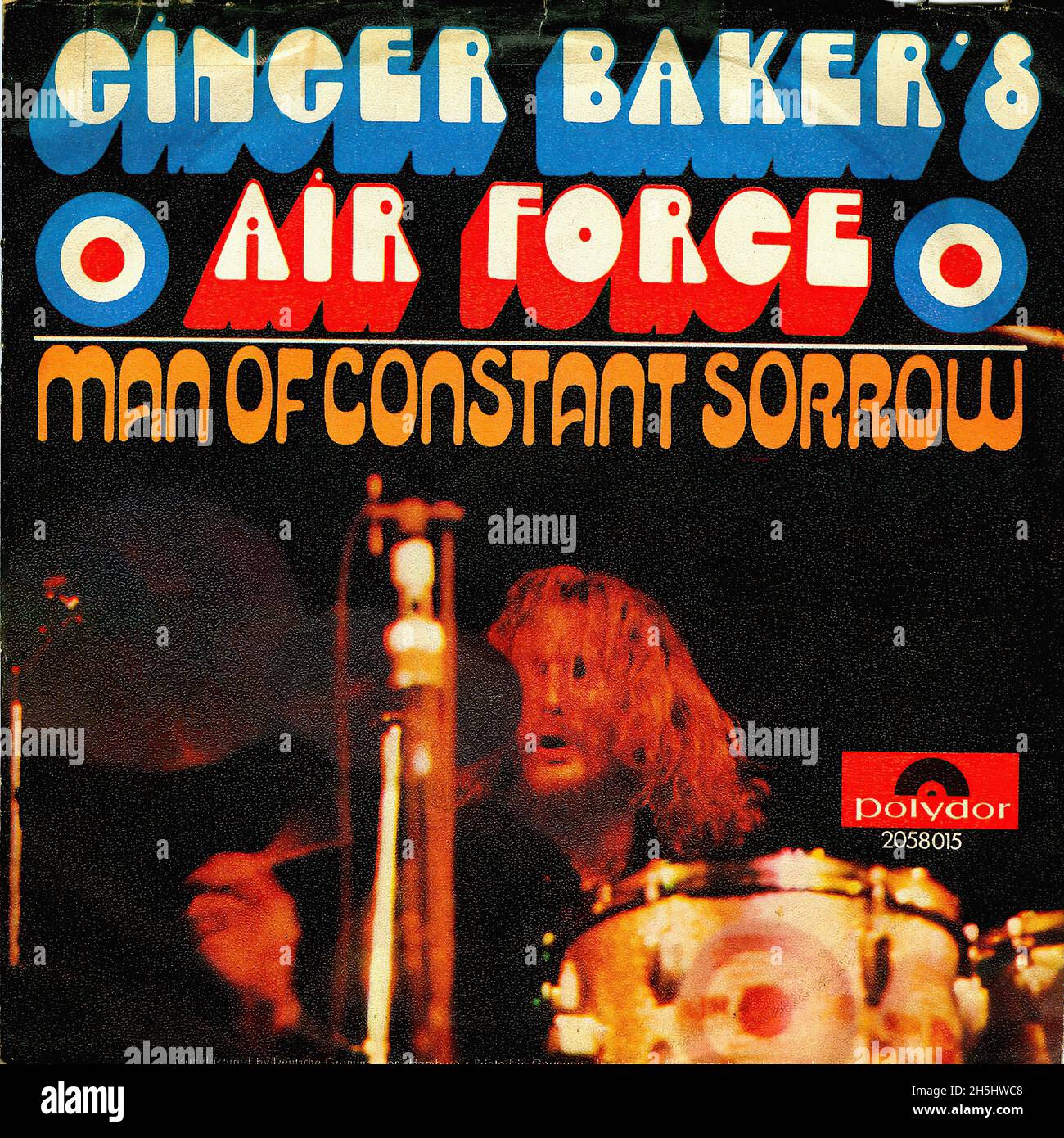
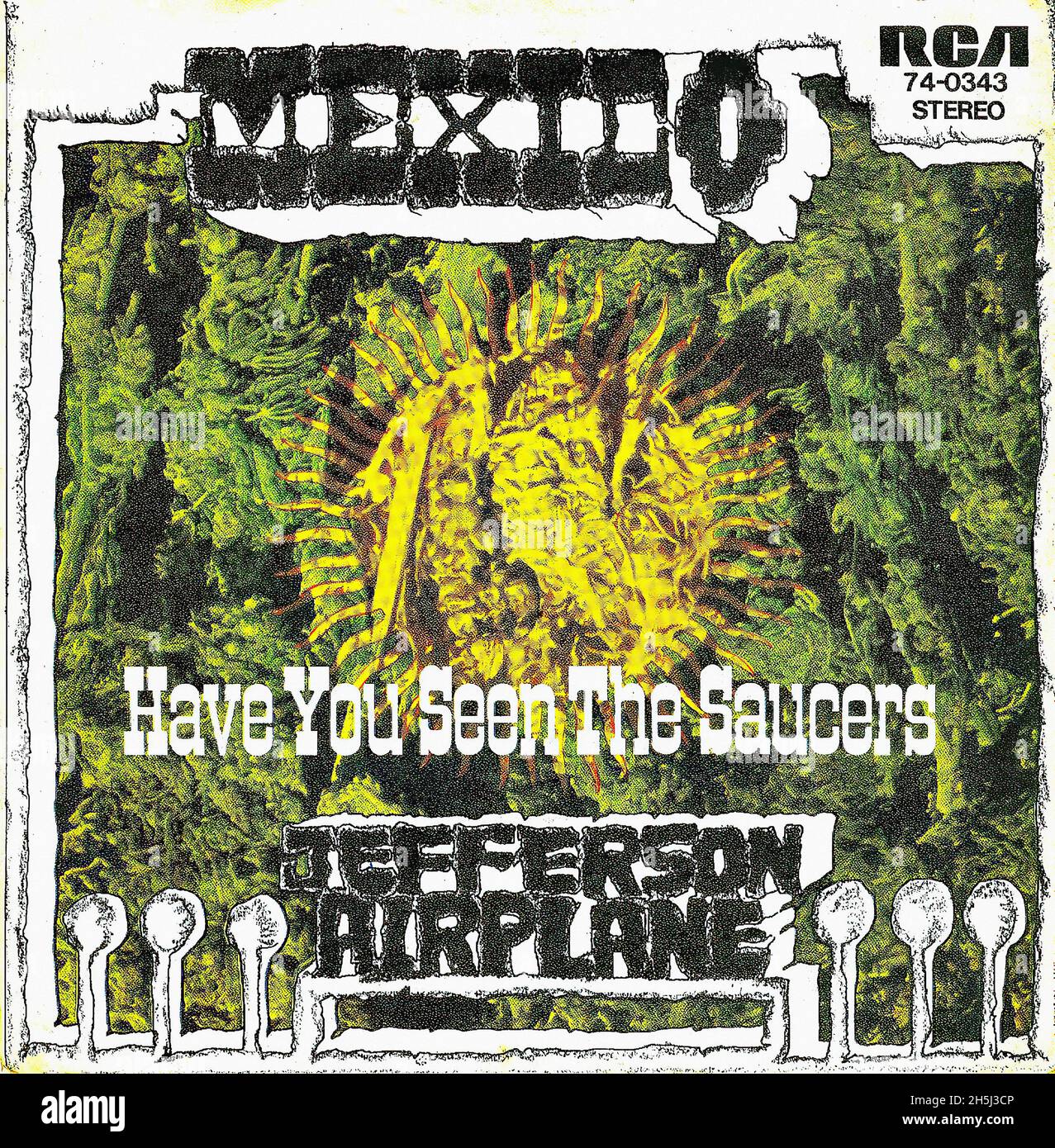
A 1970 single refers to a 7-inch vinyl record released at 45 RPM during the calendar year 1970, a transformative era that saw the dissolution of The Beatles and the rise of hard rock, heavy soul, and singer-songwriter movements. These records are defined by their specific analog mastering, the transition from mono to stereo dominance, and their role as the primary currency of AM radio success during the early 1970s.
The Cultural Landscape of the 1970 Music Scene
The year 1970 stands as one of the most significant pivots in the history of recorded music. It was the year the "Sixties" truly ended, not just chronologically but culturally. For the singles market, this meant a departure from the psychedelic experimentation of the late 1960s toward a more fragmented but commercially potent landscape. In 1970, the 45 RPM record was still the dominant format for teenagers and casual listeners, even as the "album-oriented rock" (AOR) movement began to take hold on FM radio.
The 1970 single served as a bridge between the collaborative spirit of the 1960s groups and the individualistic "superstar" era of the 1970s. This transition was most famously punctuated by the official breakup of The Beatles in April 1970. The singles released that year reflected a world in mourning for the Fab Four while simultaneously embracing the solo ventures of John Lennon, Paul McCartney, George Harrison, and Ringo Starr.
Beyond the Beatles, the 1970 single reflected the sociopolitical turmoil of the era. The Vietnam War and the Civil Rights Movement found their voices in "protest singles" that reached the top of the charts, proving that the 45 RPM format was not just for "bubblegum" pop but was a serious medium for social commentary.
Major Genres and Chart-Topping Hits of 1970
To understand the 1970 single, one must look at the diversity of the Billboard Hot 100 and the UK Singles Chart during that period. The year was characterized by a unique blend of genres that rarely shared the airwaves in subsequent decades.
The Rise of the Solo Superstar
Following the Beatles' split, the charts were flooded with solo efforts. "Let It Be," technically a group single, dominated the early part of the year, but it was followed by George Harrison’s "My Sweet Lord," which became the first solo No. 1 by an ex-Beatle. These singles are highly sought after today, particularly those on the original Apple Records label with the distinct sliced-apple design on the B-side.
Soul and the Motown Juggernaut
1970 was a banner year for Motown. The Jackson 5 achieved an unprecedented feat by having their first four singles hit No. 1, including "ABC" and "The Love You Save," both released in 1970. These singles showcased the high-energy production of the "Corporation" team and solidified the shift toward a more polished, pop-oriented soul sound that would define much of the decade. Meanwhile, Edwin Starr’s "War" became a definitive protest anthem, proving that soul music could be both commercially massive and politically charged.
The Singer-Songwriter Movement
The acoustic-driven "soft rock" or singer-songwriter genre gained massive traction in 1970. Simon & Garfunkel’s "Bridge Over Troubled Water" was the definitive single of the year, spending six weeks at No. 1 in the US. The technical production of this single—featuring a wall of sound that grew in intensity—pushed the limits of what a 7-inch vinyl record could physically reproduce without distortion.
The Birth of Hard Rock and Heavy Metal
While albums are often the focus for hard rock, 1970 saw significant single releases from bands like Black Sabbath ("Paranoid") and Free ("All Right Now"). These singles are particularly interesting to collectors because they often featured "radio edits" that were significantly shorter than the album versions, creating a unique listening experience specific to the 45 RPM format.
Technical Specifications of 1970 Vinyl Singles
By 1970, the manufacturing process for singles had reached a high level of standardization, though some interesting transitions were occurring.
- RPM and Format: Almost all 1970 singles were 7-inch discs played at 45 Revolutions Per Minute (RPM). In some international markets, "EPs" (Extended Plays) were still common, but in the US and UK, the two-song "A-side/B-side" format was the standard.
- Mono vs. Stereo: 1970 was the final "death knell" for the commercial mono single. While most singles sold to the public were in stereo, many promotional copies sent to AM radio stations were still pressed in mono. Collectors often seek out these white label promos because the mono mixes are punchier and designed specifically for the limited frequency response of 1970s car radios.
- Vinyl Quality: Most 1970 singles were pressed on high-quality virgin vinyl, though the "oil crisis" of the mid-70s had not yet begun to degrade the thickness of the discs. However, in the US, many singles were pressed on styrene rather than vinyl (particularly by labels like Columbia or A&M). Styrene singles are more brittle and prone to "groove wear" if played with a heavy needle.
- Label Art: This was the golden age of label design. From the psychedelic swirls of the Vertigo label to the classic simplicity of the Tamla Motown map, the visual identity of a 1970 single was as important as the music.
Identifying and Grading 1970 Singles
For collectors and historians, identifying a first pressing of a 1970 single requires looking at the "dead wax" or the run-out groove. As of 2026, the value of these records is heavily dependent on these identifiers.
Matrix Numbers and Pressing Plants
The alphanumeric codes etched into the vinyl near the label tell the story of where and when the record was made. For example, a single pressed at the Winchester or Jacksonville plants in the US will have specific symbols (like a Winchester rifle). For UK singles, the "KT" tax code was often still embossed around the center hole, though this practice was fading by 1970.
Condition and "Sleeve Culture"
In the United States, 1970 singles were typically sold in generic company sleeves (e.g., a brown and orange Atlantic Records sleeve). However, in the UK and Europe, picture sleeves were much more common. A 1970 single with its original, crisp picture sleeve can be worth five to ten times more than the disc alone.
| Artist | Single Title | Record Label | Peak Position (US) | Notable Feature |
|---|---|---|---|---|
| Simon & Garfunkel | Bridge Over Troubled Water | Columbia | 1 | Grammy Record of the Year |
| The Beatles | Let It Be | Apple | 1 | Last single before breakup |
| The Jackson 5 | ABC | Motown | 1 | Knocked Beatles off #1 |
| B.J. Thomas | Raindrops Keep Fallin' on My Head | Scepter | 1 | From 'Butch Cassidy' |
| Edwin Starr | War | Gordy (Motown) | 1 | Definitive protest song |
| Norman Greenbaum | Spirit in the Sky | Reprise | 3 | Iconic fuzz guitar sound |
| The Guess Who | American Woman | RCA Victor | 1 | Canadian rock breakthrough |
Collecting 1970 Singles: Market Value in 2026
The market for 1970 singles remains vibrant in 2026, driven by a mix of nostalgia and a renewed appreciation for analog audio. Unlike the digital files of the modern era, a 1970 single is a physical artifact of a specific moment in time.
Valuation Factors
- Rarity: While millions of copies of "Bridge Over Troubled Water" exist, rare promotional versions or misprints are highly valuable.
- Condition: We use the Goldmine Grading Standard. A "Mint" (M) or "Near Mint" (NM) 1970 single is rare because these records were usually played heavily on portable record players that damaged the grooves.
- Genre Demand: Currently, "Northern Soul" 45s from 1970 and "Heavy Psych" singles fetch the highest prices, often ranging from $50 to $500 depending on the label's obscurity.
- The "Apple" Effect: Anything on the Apple Records label from 1970 maintains a baseline value due to the global base of Beatles collectors.
Where to Find Them
As of 2026, the best sources for 1970 singles are independent record stores, online marketplaces like Discogs, and estate sales. Because many original owners of these records are now in their 70s or 80s, large collections are frequently entering the secondary market.
Common Pitfalls for New Collectors
When searching for a 1970 single, beginners often make several common mistakes:
- Confusing Reissues with First Pressings: Many popular 1970 hits were reissued in the 1980s on "Oldies" labels. These usually have different label art and lower collector value.
- Ignoring the B-Side: Sometimes the B-side of a 1970 single is more famous or valuable than the A-side, especially in the case of "non-album" tracks that were only ever released on that 45.
- Overlooking Styrene Damage: As mentioned, US-pressed styrene records from 1970 can look clean but sound terrible due to "cue burn" from radio DJs or heavy tracking force. Always inspect the grooves under a bright light for a greyish "haze," which indicates permanent wear.
Frequently Asked Questions
What is the most valuable single from 1970?
While prices fluctuate, rare soul singles or specific picture-sleeve versions of Beatles solo releases often top the charts. For example, a rare UK picture sleeve of a 1970 hit in pristine condition can fetch several hundred dollars. However, the most "valuable" are often obscure "Northern Soul" records that had very limited regional releases in 1970.
Why did the Beatles release singles in 1970 if they had already broken up?
The Beatles officially announced their split in April 1970, but they still had contractual obligations and unreleased material. "Let It Be" and "The Long and Winding Road" were released as singles to support the Let It Be film and album. Additionally, the individual members began releasing solo singles almost immediately, which the public still associated with the Beatles brand.
Are 1970 singles better in mono or stereo?
This is a matter of preference. By 1970, stereo mixing had become quite sophisticated. However, mono singles from 1970 were mixed to sound "big" on the radio. Many collectors prefer the mono version of Edwin Starr’s "War" or the Jackson 5 singles because the percussion and bass are more centered and aggressive.
How can I verify if my single is an original 1970 pressing?
Check the record label for the copyright date and the address of the record company. Most importantly, look at the matrix numbers in the run-out groove. You can cross-reference these numbers on databases like the Library of Congress recorded sound archives or Discogs to see if the pressing matches the 1970 release data.
Did 1970 singles come with lyrics or posters?
Generally, no. The 7-inch single was a budget-friendly format. Lyrics and posters were usually reserved for 12-inch LPs. However, some "Deluxe" singles in European markets occasionally included a fold-out picture sleeve that functioned as a small poster.
Practical Recommendation for Collectors
If you are starting a collection of 1970 singles, focus on the labels that defined the era. Acquiring the core No. 1 hits from Apple, Motown, and Columbia will give you a comprehensive "audio snapshot" of the year. Always invest in a high-quality carbon fiber brush and a dedicated 45 RPM adapter (the "spider") to ensure your records play correctly and remain in good condition. For those interested in the best audio quality, seek out UK pressings, which were generally made of higher-quality vinyl than their US counterparts during this specific transition year.