In the history of recorded music, 1970 stands as a pivotal threshold, marking the definitive transition from the psychedelic experimentation of the late 1960s to the diverse, genre-defining movements of the 1970s. This year witnessed the formal dissolution of The Beatles, the birth of heavy metal, the rise of the introspective singer-songwriter, and the expansion of progressive rock.
As we evaluate these works from the perspective of 2026, the albums of 1970 remain the foundational pillars of modern vinyl collections and digital streaming libraries. This era saw the long-playing record (LP) fully overtake the 45-rpm single as the primary medium for artistic expression, allowing musicians to explore complex themes across multiple tracks. From the folk-inflected rock of Neil Young to the dark, distorted riffs of Black Sabbath, 1970 was the year that established the sonic templates for the next five decades of popular music.
The End of an Era: The Beatles and the Rise of the Solo Giants
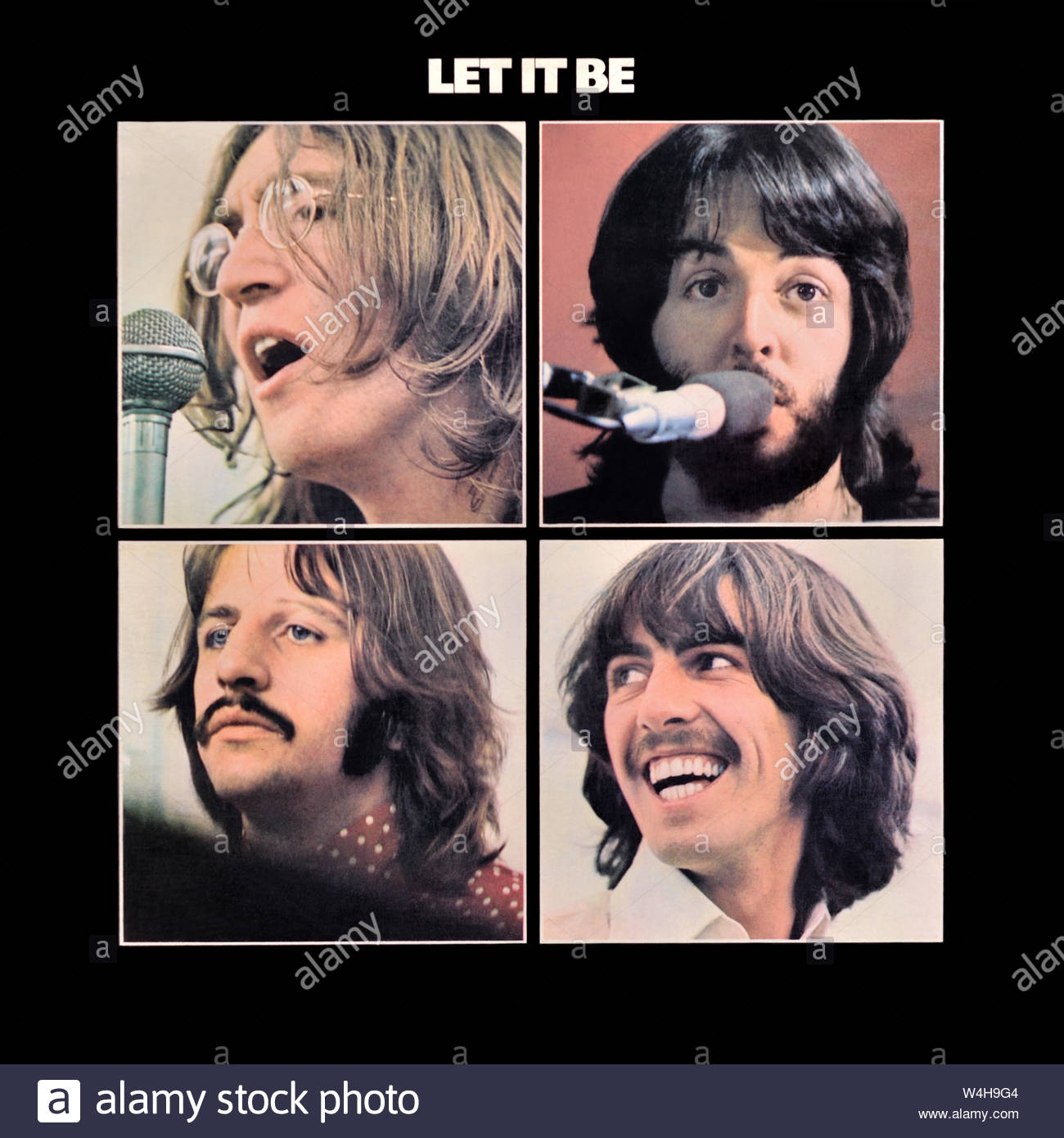
The most significant cultural event in the music world in 1970 was the official breakup of The Beatles. While the band’s final studio release, Let It Be, arrived in May 1970, the year was defined more by how the individual members asserted their independence. This fragmentation resulted in some of the most critically acclaimed "1970 albums" ever produced.
George Harrison: All Things Must Pass
Released in November 1970, All Things Must Pass was a triple-album powerhouse that proved George Harrison had a massive backlog of world-class material suppressed during his time in the Lennon-McCartney shadow. Produced by Phil Spector, the album utilized the "Wall of Sound" technique to create a lush, spiritual atmosphere. Hits like "My Sweet Lord" and the title track combined Krishna consciousness with rock sensibilities, setting a high bar for what a solo debut could achieve.
John Lennon: Plastic Ono Band
Contrastingly, John Lennon’s John Lennon/Plastic Ono Band was a masterclass in minimalism and raw emotion. Influenced by Arthur Janov’s primal scream therapy, Lennon stripped away the artifice of the 1960s. The album is hauntingly sparse, featuring Lennon’s pained vocals over basic drumming (by Ringo Starr) and bass. It remains one of the most honest and influential confessional albums in history.
Paul McCartney: McCartney
Paul McCartney’s self-titled debut was recorded in secret and released in April 1970, just before Let It Be. It was criticized at the time for its "lo-fi" and unfinished feel, but today it is recognized as a precursor to the indie-pop and home-recording movements. The standout track, "Maybe I’m Amazed," remains a staple of his live performances even in 2026.
The Genesis of Heavy Metal: Black Sabbath and the Darker Side
While the 1960s ended with the "Summer of Love," 1970 introduced a darker, more industrial sound that would eventually be categorized as heavy metal. This movement was led primarily by a quartet from Birmingham, England.
Black Sabbath: Black Sabbath and Paranoid
Black Sabbath didn't just release one classic in 1970; they released two. Their self-titled debut, released on Friday the 13th of February, introduced the world to Tony Iommi’s tritone-based riffs and Ozzy Osbourne’s haunting vocals. By September, they released Paranoid, an album that refined their sound and produced some of the most recognizable riffs in history, including "Iron Man" and "War Pigs."
The impact of these two albums cannot be overstated. They moved away from the blues-rock tropes of the era toward something more ominous and powerful. In 2026, musicologists still point to these specific releases as the definitive "Year Zero" for the heavy metal genre.
The Singer-Songwriter Movement: Intimacy and Artistry
As the political turbulence of the late 60s settled into a more reflective period, 1970 became the golden year for singer-songwriters. This genre prioritized lyrical depth, acoustic instrumentation, and personal storytelling.
- James Taylor – Sweet Baby James: Released in February, this album defined the "mellow" California sound. With tracks like "Fire and Rain," Taylor provided a calming, therapeutic counterpoint to the loud rock of the era.
- Joni Mitchell – Ladies of the Canyon: This album saw Mitchell transitioning from pure folk to a more sophisticated, piano-driven sound. "Big Yellow Taxi" and "The Circle Game" became anthems for a generation grappling with environmental and existential concerns.
- Neil Young – After the Gold Rush: Young’s third solo album is a perfect blend of country-folk and hard rock. Its haunting title track and the raw energy of "Southern Man" showcased Young’s versatility and solidified his status as a premiere songwriter.
- Cat Stevens – Tea for the Tillerman: Released in late 1970, this album featured "Father and Son" and "Wild World," showcasing Stevens' ability to craft melodies that felt both ancient and contemporary.
The Evolution of Hard Rock and Progressive Sounds
The "1970 album" landscape was also dominated by bands pushing the boundaries of what a rock band could do in a studio setting. This year saw the emergence of "Album-Oriented Rock" (AOR), where the cohesive listening experience of the LP was valued over the hit single.
Led Zeppelin: Led Zeppelin III
Following the explosive success of their first two albums, Led Zeppelin took a surprising turn with III. While "Immigrant Song" provided the expected heavy thunder, much of the album was recorded at Bron-Yr-Aur, a remote cottage in Wales, resulting in a heavy acoustic and Celtic folk influence. This demonstrated that hard rock could be nuanced and varied, a lesson many bands would follow throughout the decade.
Derek and the Dominos: Layla and Other Assorted Love Songs
This double album, led by Eric Clapton and featuring Duane Allman on slide guitar, is often cited as the pinnacle of blues-rock. The title track, with its famous piano coda, was an agonizing expression of Clapton's unrequited love for Pattie Boyd. Its technical proficiency and emotional weight make it a definitive recording of the era.
Santana: Abraxas
Santana’s second album, Abraxas, successfully fused Latin percussion with rock and jazz. Hits like "Black Magic Woman" and "Oye Como Va" introduced a global rhythmic sensibility to the mainstream rock audience, proving that the 1970 album could be a melting pot of international influences.
Essential 1970 Albums Comparison Table
The following table highlights the diversity of major releases in 1970, categorized by their primary genre and historical significance.
| Artist | Album Title | Primary Genre | Key Track(s) |
|---|---|---|---|
| Simon & Garfunkel | Bridge Over Troubled Water | Folk Rock | "The Boxer," "Cecilia" |
| Black Sabbath | Paranoid | Heavy Metal | "Iron Man," "Paranoid" |
| George Harrison | All Things Must Pass | Rock | "My Sweet Lord" |
| Van Morrison | Moondance | Jazz Rock / Soul | "Moondance," "Into the Mystic" |
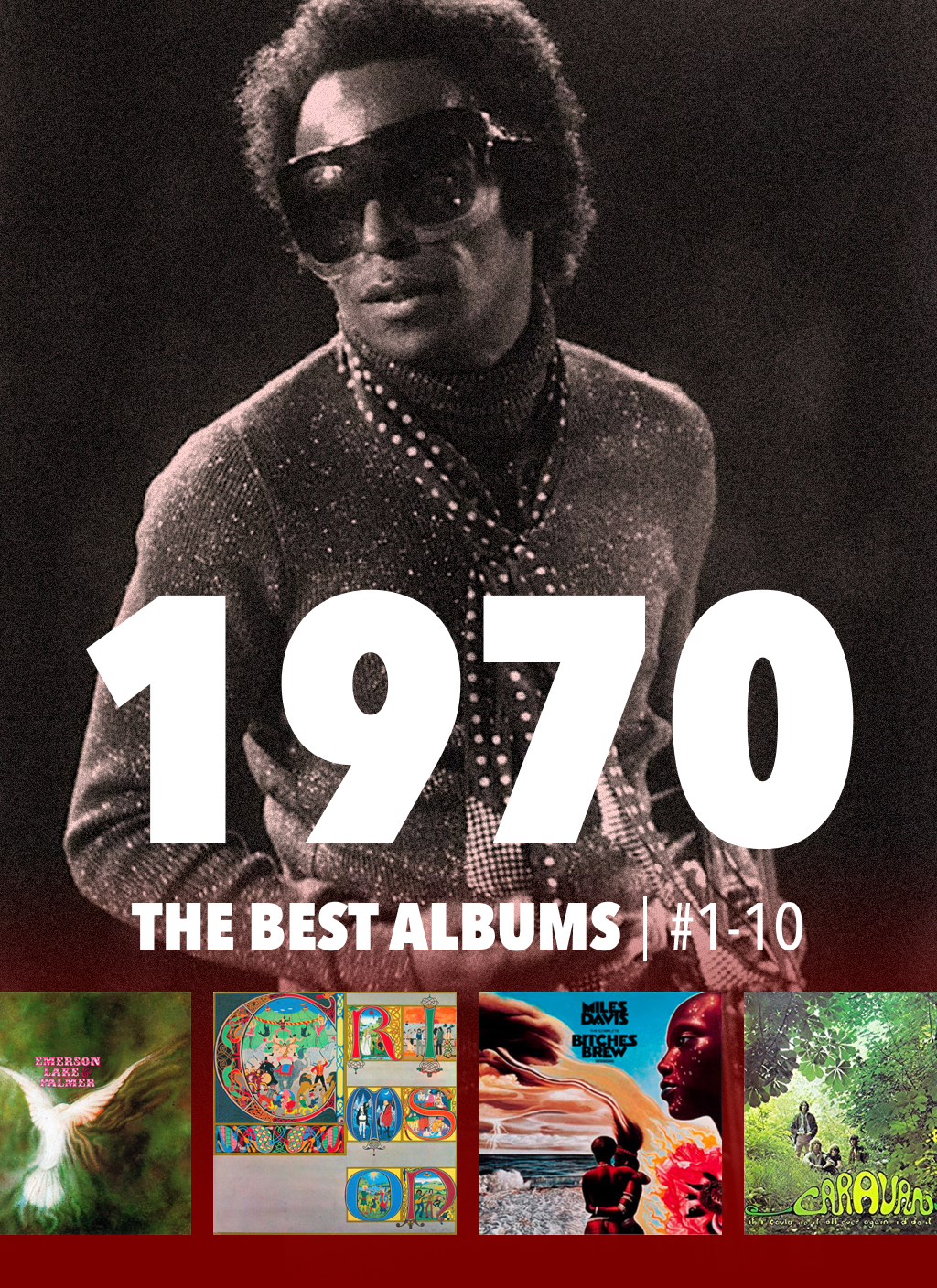
| Miles Davis | Bitches Brew | Jazz Fusion | "Pharaoh's Dance" |
| The Stooges | Fun House | Proto-Punk | "T.V. Eye" |
| Curtis Mayfield | Curtis | Soul / Funk | "Move On Up" |
| Pink Floyd | Atom Heart Mother | Progressive Rock | "Atom Heart Mother Suite" |
| Deep Purple | In Rock | Hard Rock | "Child in Time" |
| The Grateful Dead | American Beauty | Country Rock | "Ripple," "Truckin'" |
Technical and Cultural Shifts in 1970
The sound of the 1970 album was also a product of significant technical advancements. By 1970, 16-track recording was becoming the standard in major studios like Abbey Road and Sunset Sound. This allowed for much greater layering and "overdubbing" than the 4-track or 8-track limitations of the mid-60s.
Furthermore, the introduction of the Moog synthesizer into rock music began to take hold. While early 1960s albums were strictly guitar-bass-drums, the albums of 1970 began to experiment with electronic textures, a trend most evident in the early progressive rock of Emerson, Lake & Palmer (who released their debut in 1970) and Pink Floyd.
Culturally, 1970 was the year the "Sixties" truly ended. The deaths of Jimi Hendrix and Janis Joplin in the latter half of the year served as a tragic bookend to the era of psychedelic excess. The music released in their wake reflected a more sober, introspective, and sometimes cynical worldview. This shift is palpable when comparing the utopian themes of 1967 albums to the more grounded, sometimes grim realities explored in 1970 releases like John Lennon/Plastic Ono Band or The Velvet Underground’s Loaded.
Legacy and the 2026 Perspective
In 2026, the fascination with 1970 albums has not waned; it has intensified. The "50th Anniversary" wave of 2020 saw a massive influx of remastered box sets and previously unreleased outtakes, and that momentum has carried forward. Collectors today value these records not just for nostalgia, but for their organic production—a stark contrast to the highly quantized and digital-first productions of the 2020s.
The year 1970 was the moment the album became the "novel" of the music world—a long-form statement intended to be heard from start to finish. This format has survived the transition from vinyl to CD, then to MP3, and finally to the streaming-dominated landscape of 2026, largely because the quality of the 1970 output was so undeniably high.
Frequently Asked Questions
What was the best-selling album of 1970?
The best-selling album of 1970 was Simon & Garfunkel’s Bridge Over Troubled Water. It topped the charts in both the US and the UK and won several Grammy Awards, including Album of the Year. It remained one of the best-selling albums of all time for decades, thanks to its cross-generational appeal and its status as the duo's final studio effort.
Why is 1970 considered the start of heavy metal?
While bands like Led Zeppelin and Cream had been playing "heavy" blues in the late 60s, Black Sabbath is credited with codifying the genre in 1970. By utilizing the "Devil’s Interval" (the tritone), down-tuning guitars, and focusing on darker, occult, or social-horror themes rather than blues-based romance, they created a distinct sonic palette that separated heavy metal from hard rock.
Which Beatles solo album from 1970 is considered the best?
This is a subject of much debate, but critically, George Harrison’s All Things Must Pass and John Lennon’s Plastic Ono Band are usually the highest rated. Harrison’s album is celebrated for its scale and spiritual depth, while Lennon’s is revered for its brutal honesty and emotional vulnerability. In 2026, Harrison's album often sees higher "replay value" in casual listening, while Lennon's is viewed as a landmark piece of performance art.
Did any 1970 albums influence the punk movement?
Yes. The Stooges' Fun House, released in July 1970, is widely considered one of the most important precursors to punk rock. Its aggressive energy, Iggy Pop’s confrontational vocals, and the band's raw, unpolished sound laid the groundwork for the mid-70s punk explosion in London and New York.
How did recording technology change for albums in 1970?
In 1970, the industry was rapidly moving toward 16-track tape machines. This allowed producers like Phil Spector or Glyn Johns to separate instruments onto individual tracks more effectively, enabling cleaner mixes and more complex arrangements. It was also the year that specialized studio hardware, like the Neve 8014 console, began to define the "warm" analog sound that many modern digital plugins in 2026 attempt to emulate.
Recommendations for New Collectors
If you are beginning a collection of 1970 albums, start with the "Big Four" of the year: Bridge Over Troubled Water (for folk-pop perfection), Paranoid (for the roots of metal), After the Gold Rush (for the definitive singer-songwriter experience), and All Things Must Pass (for the ultimate rock epic). These four albums provide a comprehensive overview of the cultural and sonic shifts that occurred during this monumental year.
For those looking for deeper cuts, explore Miles Davis’s Bitches Brew to understand the birth of jazz fusion, or Curtis Mayfield’s Curtis to experience the transition from Motown-style soul to socially conscious funk. These albums ensure that your understanding of 1970 extends beyond the mainstream rock canon and into the broader musical revolution of the decade.