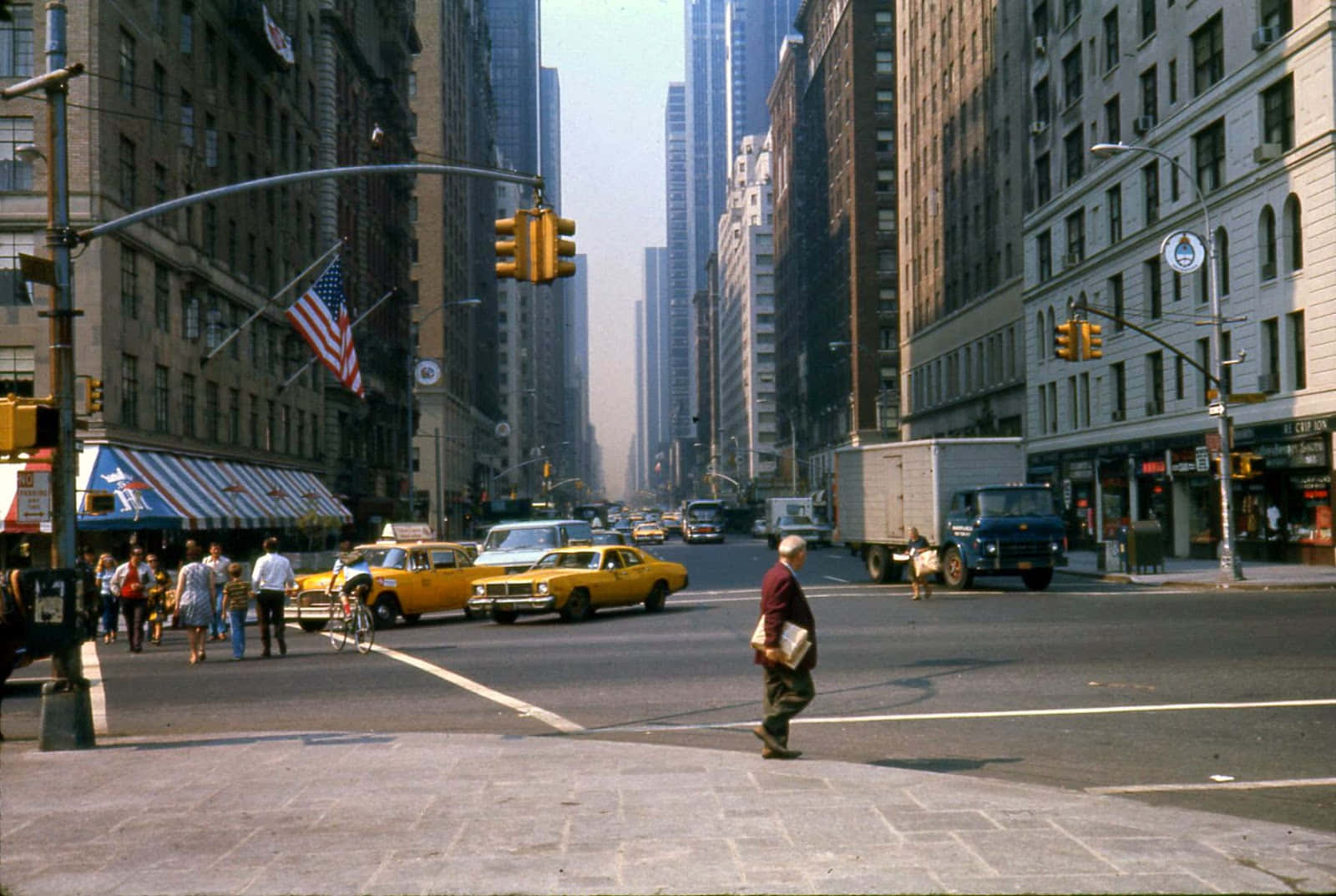
The 1970s was a transformative decade that transitioned global society from the collective radicalism of the 1960s to the individualistic materialism of the 1980s. Often called the "Me Decade," it was defined by significant social progress, economic volatility including stagflation and energy crises, and a massive explosion in creative expression across film, music, and technology that continues to shape our cultural landscape in 2026.
The Socio-Political Landscape: From Activism to Cynicism
To understand the culture of the 1970s, one must first look at the political and economic instability that served as its backdrop. The decade began with the winding down of the Vietnam War, a conflict that had deeply fractured American society. The eventual withdrawal in 1973 left a legacy of skepticism toward government authority, which was only exacerbated by the Watergate scandal.
The resignation of Richard Nixon in 1974 marked a turning point in how the public viewed the presidency and federal institutions. This era of "national malaise," as later described by President Jimmy Carter, led to a shift in the cultural psyche. People began to turn inward, focusing on self-improvement, spirituality, and personal fulfillment rather than broad political revolution. This is why writer Tom Wolfe famously dubbed the 1970s the "Me Decade."
Economically, the 1970s was characterized by "stagflation"—a grueling combination of stagnant economic growth and high inflation. The 1973 oil embargo by OPEC caused fuel prices to skyrocket and led to long lines at gas stations, fundamentally changing the American lifestyle. This crisis influenced everything from the rise of fuel-efficient Japanese imports to the way cities were designed, moving away from the unbridled expansion of the previous two decades.
The Evolution of 1970s Music: Diversity and Escapism
Music in the 1970s was not a single monolith but a fragmented landscape of competing and overlapping genres. As the psychedelic rock of the late 60s faded, several distinct movements emerged to take its place.
The Rise and Fall of Disco
Disco became the definitive sound of the mid-to-late 1970s. Emerging from the urban subcultures of New York City—specifically within Black, Latino, and gay communities—disco was built on a four-on-the-floor beat designed for the dance floor. It represented the ultimate form of escapism from the economic woes of the era. The release of Saturday Night Fever in 1977 brought disco into the mainstream, making icons out of the Bee Gees and Donna Summer. However, the commercialization of the genre led to a swift "Disco Sucks" backlash, culminating in the Disco Demolition Night at Comiskey Park in 1979.
The Rebellion of Punk Rock
While disco was about glamour and escapism, punk rock was a raw, aggressive reaction to the perceived excesses of "stadium rock" and the bleak economic reality for youth in the UK and US. Bands like the Ramones, The Sex Pistols, and The Clash stripped music back to its basics: three chords, fast tempos, and political or nihilistic lyrics. Punk wasn't just a musical genre; it was a DIY (Do-It-Yourself) cultural movement that influenced fashion, graphic design, and the "zine" culture.
Progressive Rock and Heavy Metal
The early 70s saw the peak of "Prog Rock" with bands like Pink Floyd, Genesis, and Yes. These artists created complex, multi-movement compositions that often drew from classical music and science fiction. Simultaneously, the foundations of Heavy Metal were laid by bands like Black Sabbath and Led Zeppelin, who utilized distorted guitars and darker lyrical themes, reflecting the heavier, more industrial side of the decade's psyche.
The Birth of Hip-Hop
In the late 1970s, specifically in the Bronx, New York, a new cultural force was brewing. DJs like Kool Herc and Grandmaster Flash began experimenting with turntables, isolating the "breaks" in funk and soul records. This, combined with rhythmic speech (MCing), graffiti art, and breakdancing, formed the four pillars of hip-hop. While it wouldn't achieve global dominance until the 80s and 90s, the cultural DNA of hip-hop was firmly established during the block parties of the late 70s.
Cinema’s Golden Age: The "New Hollywood" Era
The 1970s is widely regarded by film historians as one of the greatest decades in cinematic history. This was the era of "New Hollywood," where the power shifted from traditional studio moguls to a new generation of visionary directors known as "auteurs."
Directors like Francis Ford Coppola, Martin Scorsese, Steven Spielberg, and George Lucas redefined what movies could be. Films like The Godfather (1972) and Taxi Driver (1976) offered gritty, realistic, and often cynical examinations of the American Dream. These films weren't afraid to explore moral ambiguity and the darker sides of human nature.
However, the 1970s also birthed the modern "Blockbuster." Steven Spielberg’s Jaws (1975) and George Lucas’s Star Wars (1977) changed the business model of Hollywood forever. These films proved that high-concept, spectacular entertainment could generate hundreds of millions of dollars in revenue, leading to the franchise-heavy industry we recognize in 2026. The technical advancements in special effects during this period, particularly through Lucas’s Industrial Light & Magic (ILM), set the standard for the next fifty years of filmmaking.
Fashion: From Naturalism to Glamour
Fashion in the 1970s was a decade of extremes. It began as a continuation of the "hippie" aesthetic but evolved into something much more eclectic and synthetic.
- Early 70s: The style was dominated by natural fibers, bell-bottom jeans, tie-dye, and peasant blouses. There was a strong emphasis on "back to the earth" aesthetics, influenced by the burgeoning environmental movement.
- Mid-to-Late 70s: As disco took over, fashion became more flamboyant. Polyester became the fabric of choice because of its durability on the dance floor. Leisure suits for men and wrap dresses (popularized by Diane von Furstenberg) for women became iconic. Platform shoes, sequins, and high-gloss glamour defined the nightlife scene.
- Punk Influence: By 1977, the punk movement introduced safety pins, ripped clothing, leather jackets, and spiked hair, serving as a visual middle finger to the polished look of disco.
This decade also saw the rise of the "designer jean" craze, with brands like Gloria Vanderbilt and Calvin Klein turning basic workwear into a high-status fashion statement. This shift toward branding and logos was a precursor to the consumer-driven fashion of the 1980s.
Social Movements and the Changing Role of Women
The 1970s saw the practical application of the radical ideas proposed in the 1960s. The Women’s Liberation Movement made significant strides, moving from the fringes into the mainstream.
One of the most consequential events was the 1973 Supreme Court ruling in Roe v. Wade, which legalized abortion nationwide in the United States (a decision that remained a cornerstone of social debate for decades). The Equal Rights Amendment (ERA) was passed by Congress in 1972, though it ultimately failed to be ratified by the required number of states. Despite this, the decade saw a massive influx of women into the workforce and a restructuring of domestic life.
The environmental movement also gained significant momentum. The first Earth Day was held on April 22, 1970, leading to the creation of the Environmental Protection Agency (EPA) and the passage of the Clean Air and Clean Water Acts. These legislative victories reflected a growing public awareness that the industrial progress of the mid-20th century came with a severe ecological cost.
Technology and the Dawn of the Digital Age
While the 1980s are often associated with the computer revolution, the groundwork was laid in the 1970s. The decade saw the transition from massive, room-sized mainframes to the first "microcomputers."
The release of the Altair 8800 in 1975 sparked the interest of hobbyists, including Bill Gates and Paul Allen, who wrote a BASIC interpreter for the machine, leading to the founding of Microsoft. In 1976, Steve Jobs and Steve Wozniak formed Apple Computer and released the Apple I, followed by the more successful Apple II in 1977.
In the home, entertainment was revolutionized by the introduction of video game consoles and home video recording. The Magnavox Odyssey and the Atari 2600 brought the arcade experience into the living room, while the "format war" between Sony’s Betamax and JVC’s VHS began in the late 70s. These technologies gave individuals more control over how and when they consumed media—a fundamental shift in cultural consumption patterns.
Summary of 1970s Cultural Shifts
The following table highlights the key differences between the beginning and the end of the decade, illustrating the rapid pace of change.
| Feature | Early 1970s (1970–1973) | Late 1970s (1977–1979) |
|---|---|---|
| Dominant Music | Psychedelic Rock, Singer-Songwriter | Disco, Punk, Early Hip-Hop |
| Cinema Trend | Gritty Realism / Auteur Films | The Rise of the Blockbuster |
| Economy | Transition to Stagflation | High Inflation / Energy Crisis |
| Primary Fashion | Hippie / Natural / Bell-bottoms | Disco Glamour / Polyester / Punk |
| Major Tech | Pocket Calculators / Mainframes | Home Computers / Video Games |
| Social Focus | Ending the Vietnam War | Individualism / "The Me Decade" |
Frequently Asked Questions
Why is the 1970s called the "Me Decade"?
The term was coined by novelist Tom Wolfe in a 1976 essay. It described a shift away from the social and political communalism of the 1960s toward a preoccupation with self-actualization and personal development. This was seen in the rise of self-help books, New Age spirituality, and a focus on physical fitness and health.
What caused the energy crisis of the 1970s?
The crisis was primarily caused by two major events. First, the 1973 OPEC oil embargo, where Arab members of OPEC stopped shipping petroleum to nations that supported Israel during the Yom Kippur War. Second, the 1979 Iranian Revolution, which disrupted global oil supplies. These events caused fuel shortages and massive price hikes, fundamentally altering the global economy.
How did 1970s cinema differ from earlier decades?
Prior to the 70s, Hollywood was dominated by the "Studio System," where executives held total control. In the 70s, the "New Hollywood" movement allowed directors much more creative freedom. This led to more experimental, darker, and more realistic films that challenged traditional storytelling structures and social norms.
What was the significance of the "Disco Sucks" movement?
The "Disco Sucks" movement was a cultural backlash against the perceived superficiality and over-commercialization of disco music. While partly a musical preference, many historians point out that the backlash also had roots in homophobia and racism, as disco was deeply tied to marginalized communities.
When did the first personal computers emerge?
The mid-1970s saw the birth of the personal computer. The Altair 8800 (1975) is often cited as the spark, but it was the "1977 Trinity"—the Apple II, the Commodore PET, and the TRS-80—that brought computing into the home for non-hobbyist users.
Legacy and Next Actions
The culture of the 1970s serves as a bridge to our contemporary world. The struggles with energy dependency, the birth of the digital revolution, and the shift toward individual identity are all themes that remain highly relevant in 2026. For those looking to explore this era further, researching the "New Hollywood" film movement or the early history of the personal computer provides a deep dive into the innovations that define modern life.
To experience 1970s culture firsthand, consider visiting digital archives such as the Library of Congress or the Smithsonian Institution's online exhibits, which preserve the primary documents, music, and artifacts of this pivotal decade.