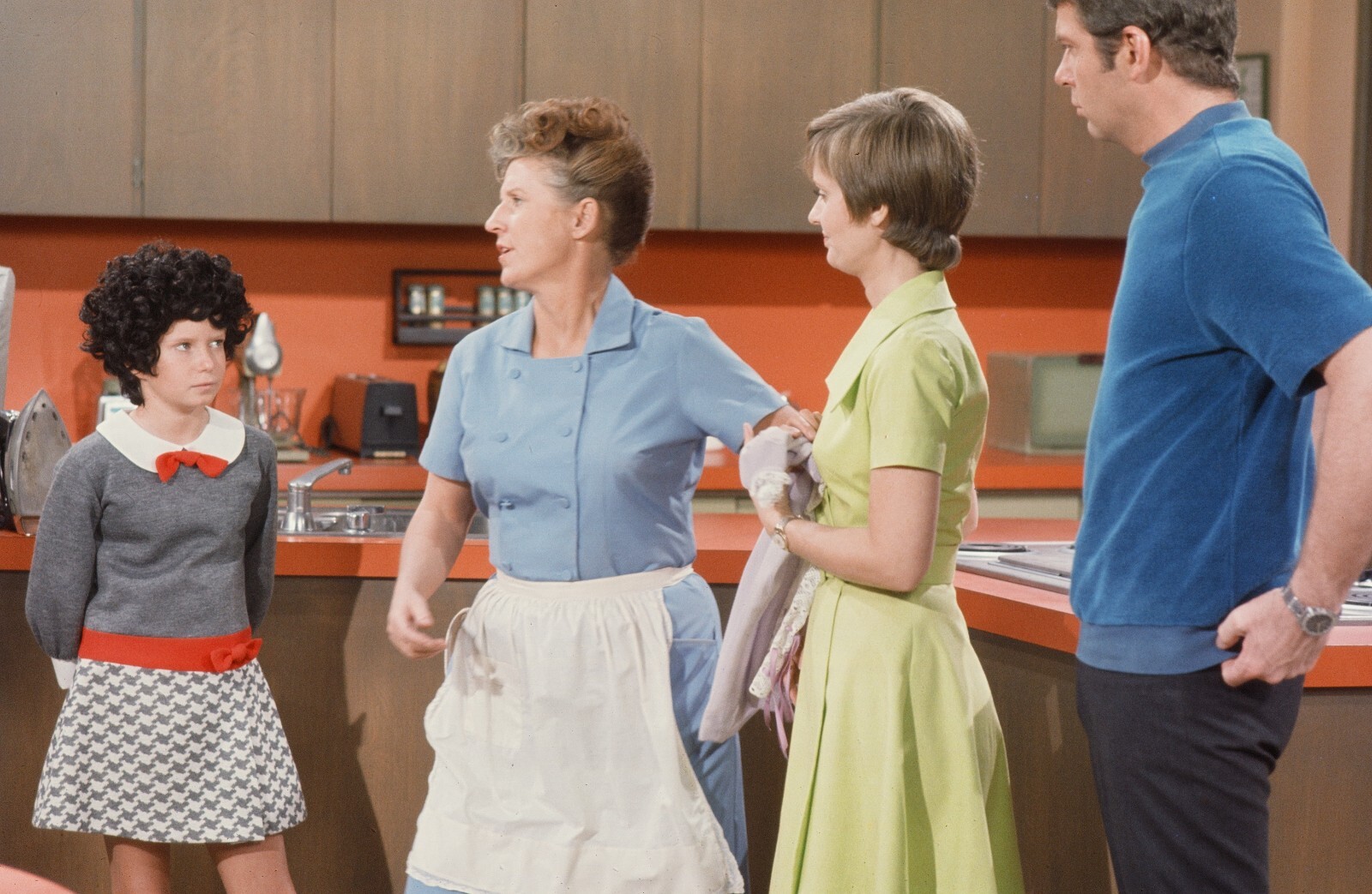
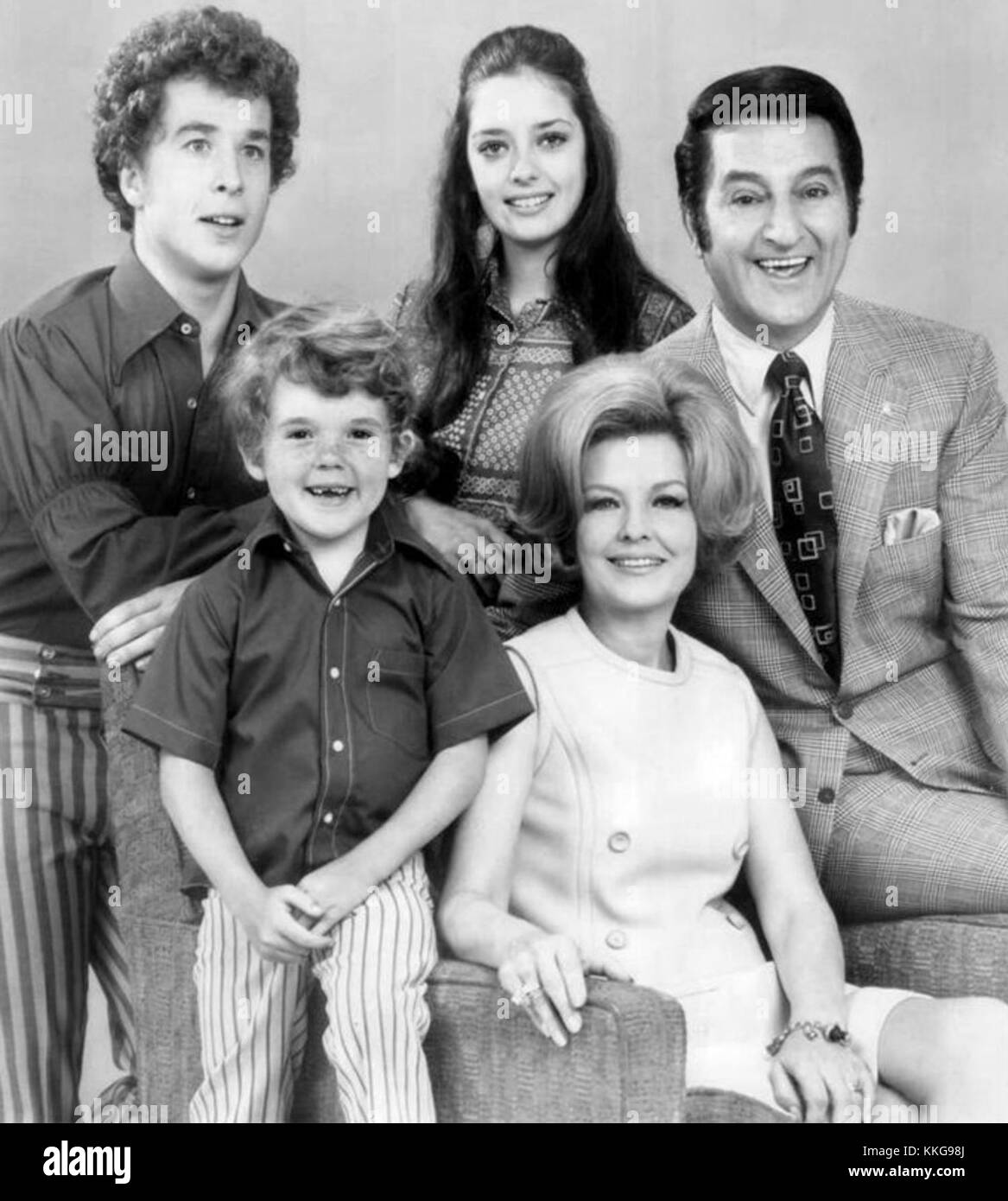
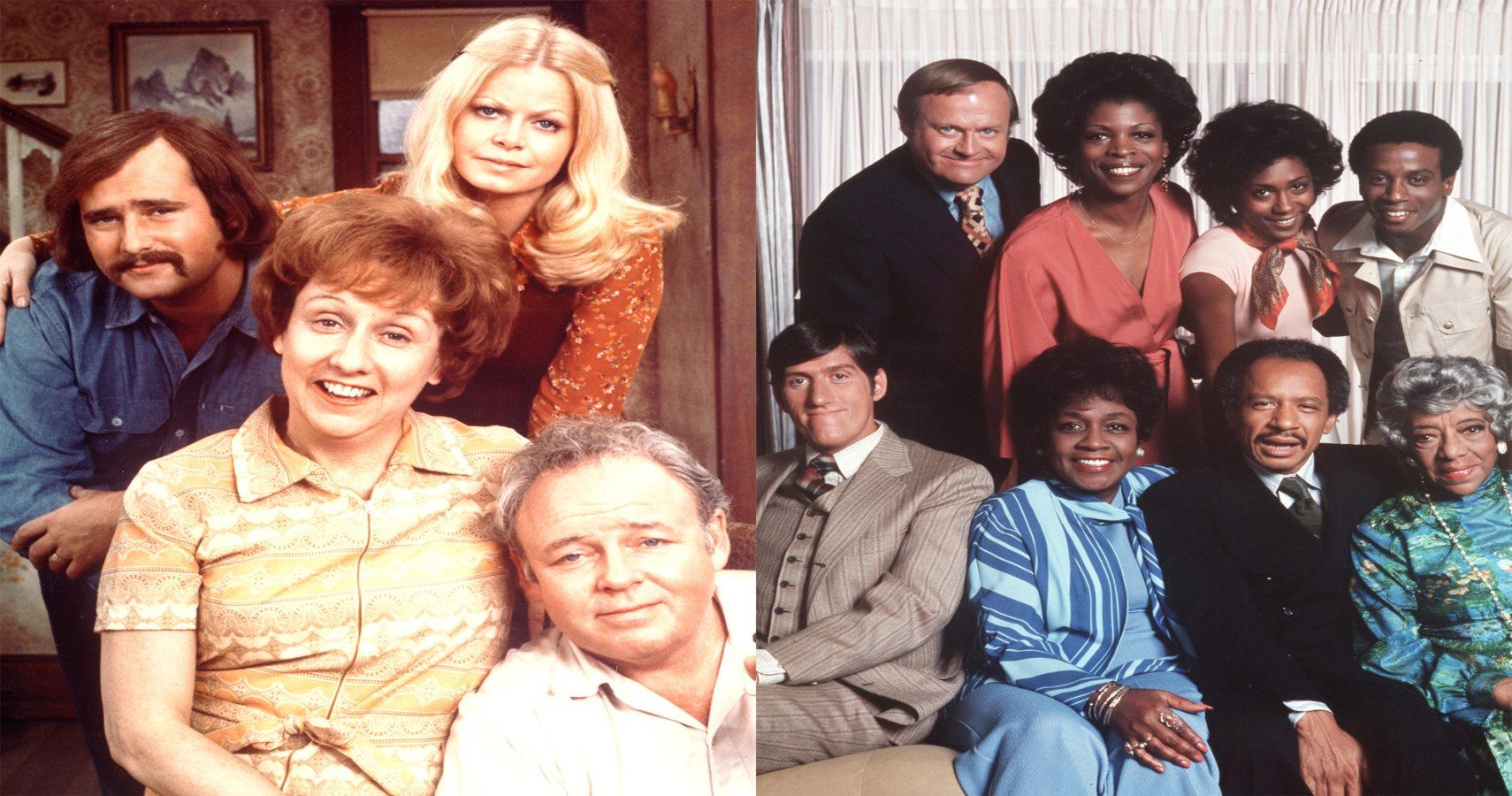
The 1970s sitcom represents the most transformative era in television history, shifting from the escapist fantasies of the 1960s to "socially relevant" programming. This decade introduced the "working-class" comedy, the sophisticated workplace ensemble, and the nostalgic multi-cam format, fundamentally redefining how domestic and social issues were presented to global audiences.
The 1970s situation comedy (sitcom) was a decade defined by three distinct movements: the "social relevance" era spearheaded by Norman Lear, the "sophisticated character" era led by MTM Enterprises, and the "nostalgia-heavy" era popularized by Garry Marshall. By moving away from talking animals and genies toward topics like civil rights, feminism, and economic hardship, these shows bridged the gap between entertainment and cultural commentary.
The Paradigm Shift: From Escapism to Social Relevance
As the 1960s concluded, television networks realized that their programming—dominated by rural comedies like The Beverly Hillbillies—was failing to capture the urban, younger demographics that advertisers craved. This led to the "rural purge" of 1971, where CBS canceled many popular country-themed shows to make room for more "relevant" content.
The primary catalyst for this change was Norman Lear. With the debut of All in the Family in 1971, the sitcom landscape changed overnight. Lear used the character of Archie Bunker, a bigoted but complex blue-collar worker, to address racism, the Vietnam War, and the generation gap. This wasn't just a comedy; it was a mirror held up to a fractured America. Lear’s success paved the way for spin-offs that further explored marginalized experiences:
- The Jeffersons: One of the longest-running sitcoms, focusing on an affluent Black family "moving on up" to a luxury high-rise, dealing with themes of class and race.
- Maude: A spin-off of All in the Family that tackled women's liberation, politics, and even abortion, sparking national debate.
- Good Times: The first sitcom to feature a Black nuclear family living in a public housing project, blending humor with the realities of poverty.
The Rise of the Sophisticated Workplace Comedy
While Norman Lear was tackling the headlines, Mary Tyler Moore and her production company, MTM Enterprises, were revolutionizing the structure of the sitcom itself. The Mary Tyler Moore Show (1970–1977) introduced the concept of the "work family." This shift was crucial because it reflected the changing reality of the 1970s, where more women were entering the workforce and delaying marriage.
MTM shows were characterized by sharp, witty dialogue and deep character development rather than broad gags. They moved the focus from the domestic kitchen to the newsroom, the psychologist's office, or the police precinct. Key examples include:
- The Bob Newhart Show: Focusing on a Chicago psychologist, this show utilized "deadpan" humor and highlighted the quirks of professional life.
- Barney Miller: A precinct-based comedy that earned praise for its realistic (though hilarious) portrayal of the daily grind of police work and its diverse ensemble cast.
- Taxi: Debuting late in the decade (1978), it perfected the ensemble format, showcasing a group of "dreamers" working a dead-end job to support their true passions.
Nostalgia as a Response to Turbulent Times
By the mid-1970s, the intensity of social-relevance comedies and the reality of the post-Vietnam/Watergate era led to a counter-movement: nostalgia. Audiences began looking backward to what they perceived as "simpler times."
Garry Marshall became the king of this movement. His flagship show, Happy Days, premiered in 1974, transporting viewers back to the 1950s. While it started as a single-camera coming-of-age story, it evolved into a multi-camera powerhouse filmed before a live audience, centered on the breakout character Arthur "The Fonz" Fonzarelli. This "Marshall Style" emphasized broad physical comedy, catchphrases, and idealized family structures.
This era also birthed the "jiggle TV" sub-genre and high-concept "escapist" sitcoms like Three's Company and Mork & Mindy. These shows prioritized farce and physical performance over social commentary, providing a needed respite for a public dealing with inflation and energy crises.
Technical Innovations and Industry Regulation
The 1970s wasn't just about content; it was about the business and technology of television. Two major factors dictated how sitcoms were produced and consumed:
The Fin-Syn Rules
In 1970, the FCC implemented the Financial Interest and Syndication Rules (Fin-Syn). These rules prevented major networks (ABC, CBS, and NBC) from owning the programs they aired or the syndication rights to them. This opened the door for independent production houses like MTM Enterprises and Tandem Productions (Norman Lear) to thrive. It gave creators more leverage and allowed for a wider variety of voices on the air.
The Return of the Live Audience
While the 1960s favored the single-camera format with canned laugh tracks (similar to movies), the 1970s saw a massive return to the multi-camera setup filmed before a live studio audience. This "proscenium" style allowed actors to play off the energy of the crowd, leading to the high-energy performances seen in All in the Family and The Jeffersons.
Comparative Analysis of Major 1970s Sitcom Styles
The following table compares the three dominant production styles of the decade to help viewers understand the varied "flavors" of 1970s television.
| Movement | Key Figure(s) | Representative Shows | Primary Theme | Tone/Style |
|---|---|---|---|---|
| Social Relevance | Norman Lear | All in the Family, Maude, The Jeffersons | Social issues, race, politics, class. | Gritty, confrontational, high-energy. |
| Character-Driven | Mary Tyler Moore | The Mary Tyler Moore Show, Taxi, Rhoda | Personal growth, workplace dynamics. | Witty, sophisticated, understated. |
| Nostalgia/Farce | Garry Marshall | Happy Days, Laverne & Shirley, Mork & Mindy | Escapism, the 1950s, physical comedy. | Broad, catchphrase-heavy, optimistic. |
| Anti-War/Satire | Larry Gelbart | M*A*S*H | The absurdity of war and bureaucracy. | Darkly comedic, dramatic, experimental. |
Accessing and Streaming 1970s Sitcoms in 2026
As of 2026, 1970s sitcoms are more accessible than ever, though the landscape is fragmented across several specialized and "prestige" streaming services. Understanding where to find these shows requires knowing which parent company owns the production library.
Primary Streaming Hubs
- Paramount+: Since CBS was the "home" of many 1970s hits, Paramount+ hosts a significant library, including The Mary Tyler Moore Show, The Bob Newhart Show, and Taxi.
- Hulu/Disney+: Following the 20th Century Fox acquisition, Disney now controls M*A*S*H. It remains one of the most-streamed legacy sitcoms due to its unique blend of comedy and drama.
- Peacock: As the home of NBCUniversal, you can find various Garry Marshall productions and NBC-era classics here.
- Pluto TV & Tubi: For those looking for "free" options (FAST services), these platforms have dedicated channels for 1970s classics like All in the Family, Sanford and Son, and Three's Company.
Physical Media and Digital Purchase
While streaming is convenient, licensing agreements change frequently. In 2026, many collectors still prefer physical media. Comprehensive "Complete Series" DVD and Blu-ray sets for shows like The Jeffersons or Barney Miller often include rare pilot episodes, cast interviews, and contemporary documentaries that are not available on streaming platforms. High-definition (HD) remasters are particularly important for 1970s content, as many shows were shot on videotape (standard definition), while those shot on film (like M*A*S*H) benefit significantly from 4K restoration.
Critical Considerations for Modern Viewers
Viewing 1970s sitcoms from the perspective of 2026 requires an understanding of the historical context. While these shows were progressive for their time, they can present challenges for contemporary audiences.
Cultural Sensitivity and Language
Norman Lear’s comedies, in particular, used the language of the era to expose bigotry. Characters like Archie Bunker use slurs and sexist remarks that are intended to be seen as wrong or ignorant by the audience, but the raw nature of the dialogue can be jarring. Most streaming services now include "Cultural Context" disclaimers before these episodes.
Pacing and Visual Quality
1970s television has a different rhythm than the "fast-cut" editing of the 21st century. Scenes are longer, and there is a heavy reliance on dialogue over visual gags. Furthermore, shows recorded on videotape (such as All in the Family) have a distinct "soapy" look that lacks the cinematic depth of film, which may take modern viewers some time to adjust to.
The Role of the Laugh Track
By 2026, the "laugh track" has largely disappeared from modern television. In the 1970s, it was considered essential. For shows filmed before a live audience, the laughter is genuine but often "sweetened" in post-production. For many viewers, this serves as a nostalgic "comfort noise," while for others, it can feel intrusive.
Troubleshooting Common Viewing Issues
If you are attempting to watch 1970s sitcoms and encounter issues, consider the following technical and regional advice:
- Aspect Ratio Distortion: Many modern TVs default to "Stretch to Fill" mode. 1970s sitcoms were produced in a 4:3 aspect ratio. Ensure your TV or streaming app is set to "Original Aspect Ratio" to avoid "fattening" the characters.
- Missing Episodes: Due to licensing issues involving music or controversial guest stars, some episodes are missing from streaming libraries (notably in WKRP in Cincinnati because of music rights). Check the episode count against official episode lists on sites like the Paley Center for Media.
- Regional Blackouts: If you are outside the United States, rights to shows like The Mary Tyler Moore Show may be held by different local broadcasters. Using a verified VPN can sometimes assist, but checking local distributors like BritBox (UK) or Stan (Australia) is often more effective.
Frequently Asked Questions
Which 1970s sitcom had the most successful spin-offs?
All in the Family is the undisputed leader in this category. It directly or indirectly spawned Maude, The Jeffersons, Good Times, Archie Bunker's Place, Gloria, and 704 Hauser. This "Lear-verse" dominated the ratings for nearly a decade and created a blueprint for interconnected television universes.
Why did many 1970s sitcoms switch from film to videotape?
Economics and speed were the primary drivers. Videotape was significantly cheaper than 35mm film and allowed for immediate playback. This was ideal for the "live audience" format. However, the downside is that videotape does not age as well as film and cannot be easily upgraded to true 4K resolution, which is why many 70s shows look "fuzzier" than 50s shows like I Love Lucy (which was shot on high-quality film).
What is the most-watched 1970s sitcom finale?
The finale of M*A*S*H, titled "Goodbye, Farewell and Amen," aired in 1983 but capped off a series that defined the 1970s. It remains one of the most-watched television events in history, with over 100 million viewers. Within the 1970s itself, the "Sammy's Visit" episode of All in the Family (where Sammy Davis Jr. kisses Archie Bunker) remains a cultural and ratings high-water mark.
Are there any 1970s sitcoms still in production today?
While the original shows have ended, several have seen "Live in Front of a Studio Audience" specials (re-enactments with modern actors) as recently as the early 2020s. Furthermore, the 2017–2020 reboot of One Day at a Time proved that 1970s sitcom structures—specifically those of Norman Lear—could be successfully adapted for 21st-century social issues.
Practical Recommendation: Where to Start
If you are new to 1970s sitcoms, the best "entry point" is The Mary Tyler Moore Show. Its humor is remarkably modern, its production values are high, and its themes of independence and workplace friendship remain universally relatable. For those interested in the social history of the United States, All in the Family is essential viewing, though it requires more historical context to fully appreciate the satire.
To begin your journey, check the "Classics" or "Vintage" section of your preferred streaming service, and prioritize "Remastered" versions to ensure the best possible visual experience on 2026-era displays.