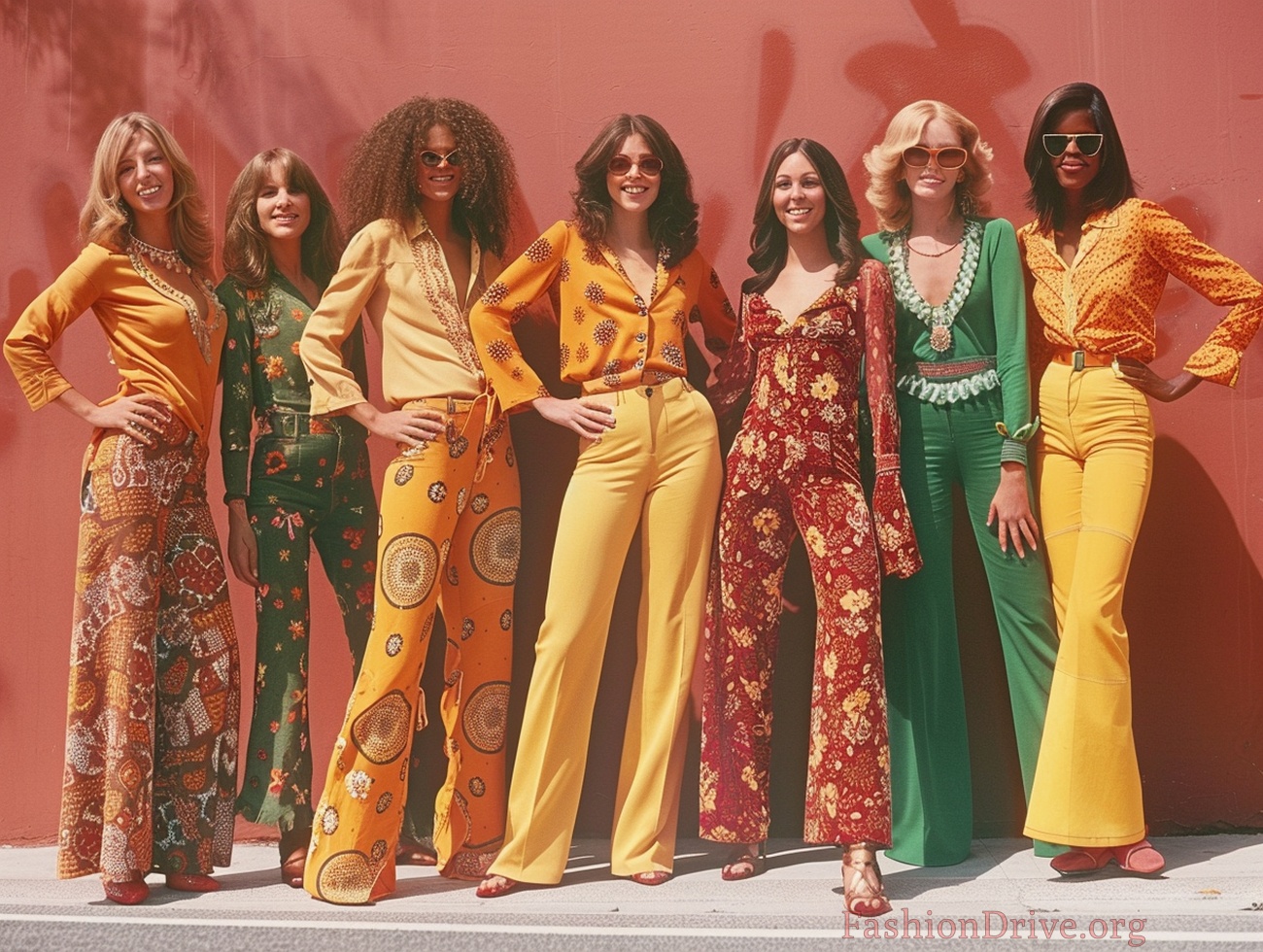
1970s style is a diverse aesthetic characterized by a tension between naturalism and high-gloss futurism. It encompasses earth-toned color palettes, flamboyant silhouettes like bell-bottoms, and tactile materials such as rattan, velvet, and suede. Today, in 2026, this era’s influence remains a cornerstone for modern sustainable fashion and eclectic interior design.
The 1970s represented a pivotal shift in global aesthetics, moving away from the structured, space-age optimism of the 1960s toward a more individualized, expressive, and often contradictory set of styles. Often described as the "Me Decade," the 1970s prioritized personal comfort and self-expression over rigid social dress codes. This resulted in a landscape where bohemian folk influences coexisted with the synthetic shimmer of disco and the raw deconstruction of early punk. Understanding 1970s style requires looking past the caricatures of polyester leisure suits to see the profound innovations in textile technology, furniture manufacturing, and social identity that define the era.
The Architecture of 1970s Fashion
Fashion in the 1970s was defined by extreme silhouettes and a new approach to gender-neutral clothing. As the decade progressed, the stiff fabrics of the previous generation were replaced by fluid knits and soft leathers that allowed for greater movement.
Iconic Silhouettes and Tailoring
The most recognizable element of 1970s fashion is the flared leg. This silhouette began as the "bell-bottom," which flared out from the knee, and evolved into the "elephant leg" or "palazzo" pant, which featured a wide cut from the hip down. These garments were often high-waisted, elongating the torso and creating a dramatic vertical line when paired with platform shoes.
For women, the 1974 introduction of the Diane von Furstenberg wrap dress revolutionized professional attire. Made of jersey knit, it offered a form-fitting yet comfortable alternative to the structured suits of the past. Meanwhile, men’s fashion saw the rise of the leisure suit—a matching jacket and trouser set, often made of double-knit polyester, featuring wide lapels and top-stitching. While often mocked in later decades, the leisure suit was a significant step toward the casualization of the modern wardrobe.
Textile Innovations: Synthetics and Suede
The 1970s was a golden age for synthetic fibers. Innovations in chemistry led to the widespread use of:
- Polyester: Prized for being wrinkle-free and durable, though it lacked the breathability of natural fibers.
- Qiana Nylon: A silky, lightweight fabric frequently used in disco-era shirts and gowns.
- Ultrasuede: Developed in 1970 by Dr. Miyoshi Okamoto, this was the first high-quality synthetic microfiber that mimicked the look and feel of natural suede but was machine washable.
Natural materials remained equally important, particularly in the "Back to the Earth" movement. Suede, shearling, and heavy-gauge denim were staples of the bohemian look, often adorned with embroidery, patchwork, or fringe to emphasize a handcrafted, artisanal quality.
Interior Design: The 1970s Home Aesthetic
1970s interior design was a reaction against the clinical "Mid-Century Modern" look. It embraced warmth, texture, and a certain degree of decorative excess. In 2026, many of these elements have returned to the mainstream as homeowners seek "warm minimalism" or "eclectic maximalism."
The "Earth Tone" Palette
The color story of the 1970s is unmistakable. Designers moved away from the primary colors of the 1960s toward a palette inspired by nature, albeit a saturated version of it. Key colors included:
- Avocado Green: Frequently used in kitchen appliances and shag carpeting.
- Harvest Gold: A deep, mustard-yellow that dominated upholstery.
- Burnt Orange and Rust: Used to provide warmth and depth to living spaces.
- Chocolate Brown: Often the grounding neutral used in wood paneling and leather furniture.
Texture and Materiality
Texture was perhaps the most important component of a 70s room. The goal was sensory engagement. This was achieved through:
- Shag Carpeting: Long-pile rugs that provided a soft, tactile experience underfoot.
- Rattan and Wicker: Influenced by Victorian era revivals and tropical styles, these materials were used for "Peacock chairs" and hanging planters.
- Chrome and Glass: Counterbalancing the organic materials were the sleek, industrial finishes of the "Space Age" influence, often seen in coffee tables and cantilevered chairs.
- Sunken Living Rooms: Also known as "conversation pits," these architectural features encouraged social intimacy by lowering the seating area below the main floor level.
Furniture Movements: From Bauhaus to Modular
The 1970s saw the democratization of high-end design. Modular seating, such as the Mario Bellini-designed "Camaleonda" sofa (originally released in 1970), allowed users to configure their living spaces dynamically. This era also embraced the "High-Tech" movement, where industrial components—like metal shelving and exposed pipes—were integrated into residential aesthetics, a precursor to the industrial loft style.
The Cultural Subsets of 70s Style
Style in the 1970s was not a monolith; it was fractured into several distinct subcultures, each with its own visual language.
1. The Bohemian/Folk Revival
Stemming from the late 60s hippie movement, this style focused on "authentic" materials. It featured floor-length maxi dresses, peasant blouses, and clogs. It was heavily influenced by global cultures, incorporating ikat prints, dashikis, and Moroccan rugs into Western wardrobes and homes.
2. Glam Rock and Disco
In contrast to the earthy bohemians, the glam and disco scenes embraced artificiality and theatricality. Think sequins, lurex, satin, and metallic leathers. This style was pioneered by figures like David Bowie and the patrons of Studio 54. It prioritized shimmer and movement, designed specifically to catch the rotating lights of a dance floor.
3. The Punk Emergence
By the late 1970s, a "counter-style" emerged in London and New York. Punk was a deliberate rejection of the polished disco aesthetic and the "soft" bohemian look. It introduced safety pins, ripped clothing, black leather, and DIY slogans. This movement proved that style could be used as a political tool and a form of social protest.
Comparing 1970s Original vs. 2026 Modern Interpretations
To implement 1970s style in a contemporary context, it is helpful to see how the original features have been adapted for modern sensibilities.
| Feature | 1970s Original Execution | 2026 Modern Interpretation |
|---|---|---|
| Color Palette | Saturated Avocado, Gold, and Orange. | Muted "Dusty" Sage, Ochre, and Terracotta. |
| Flooring | Wall-to-wall synthetic shag carpet. | High-pile organic wool area rugs on hardwood. |
| Wall Treatment | Dark wood veneer paneling. | Natural slat-wood acoustic panels or fluted timber. |
| Furniture Style | Bulky, oversized modular pits. | Low-profile, streamlined modular seating. |
| Materials | Chrome, heavy plastics, and polyester. | Brushed brass, recycled bioplastics, and Tencel. |
| Lighting | Multi-colored lava lamps and track lighting. | Mushroom lamps and warm-dim LED globes. |
Technical Considerations for Sourcing Vintage 70s Pieces
When acquiring authentic 1970s items in 2026, buyers must navigate specific technical challenges regarding material degradation and safety standards.
Furniture Verification and Care
Many 1970s sofas used polyurethane foam for cushioning. Over five decades, this foam can undergo "off-gassing" or crumble into powder (hydrolysis). When buying vintage modular seating, it is often necessary to have the internal foam replaced with modern, flame-retardant alternatives while preserving the original fabric or leather cover.
For wood pieces, the 70s saw a heavy use of particle board with thin veneers. Check for "swelling" at the base of furniture, which indicates water damage that is often irreparable in engineered woods. Solid teak or pine pieces from this era are much more durable and better candidates for restoration.
Textile Identification
If you are sourcing 1970s clothing, check the care labels. The 1970s was the first decade where permanent care labeling became federally mandated in many regions (e.g., the FTC rule in 1971). Genuine vintage items will often have these labels. Be wary of "acetate" fabrics, which can be brittle; look instead for "Qiana" or "Crimplene" if you want the authentic synthetic feel, or high-quality wool blends for durability.
Frequently Asked Questions
Why is 1970s style popular again in 2026?
The resurgence is driven by a desire for "warmth" and "personality" in response to the stark minimalism of the 2010s. The 1970s focus on organic shapes, tactile textures, and earthy colors aligns with the modern "biophilic" design movement, which seeks to connect indoor spaces with the natural environment. Additionally, the 70s emphasis on "thrift" and "DIY" resonates with current sustainability goals.
Was 1970s style considered "ugly" in the past?
For many years, the 1970s was labeled the "decade that taste forgot." This was largely a reaction to the saturation of brown tones and the perceived "cheapness" of early mass-produced plastics and polyesters. However, as 20th-century design has been re-evaluated, historians and designers now recognize the 70s as a period of immense structural innovation and brave experimentation.
How can I make 1970s style look modern and not like a costume?
The key is "intentional layering." Instead of recreating a room or outfit entirely from 1975, pick one "hero" element—such as a pair of flared trousers or a rattan sideboard—and pair it with contemporary, clean-lined pieces. Use a more muted version of the 70s color palette to keep the look sophisticated rather than kitschy.
What are the most durable 1970s materials to collect?
Chrome and glass furniture from the 1970s has aged exceptionally well, as these materials do not degrade like foam or plastic. In fashion, 1970s leather and suede jackets are highly prized for their thickness and quality compared to modern fast-fashion equivalents.
Did 1970s style vary significantly by country?
Yes. While the "Disco" look was a global phenomenon, specific regional styles existed. For example, "British 70s style" often leaned into the "High-Tech" and "Punk" movements, while "Italian 70s style" focused on radical architecture and sophisticated modular furniture (e.g., B&B Italia and Cassina).
Implementing the 1970s Look: A Practical Path Forward
To begin integrating 1970s style into your life, start with a "texture-first" approach. In the home, this means introducing a single high-pile rug or a piece of wicker furniture. These items provide immediate visual warmth without requiring a full renovation.
In fashion, look for the "high-waisted" silhouette. Transitioning from mid-rise to high-rise trousers is the most effective way to capture the 70s essence. Pair these with modern, breathable fabrics to avoid the discomfort of vintage synthetics. Whether through color, material, or silhouette, 1970s style offers a toolkit for creating a space or a wardrobe that feels deeply personal, adventurous, and connected to the natural world.