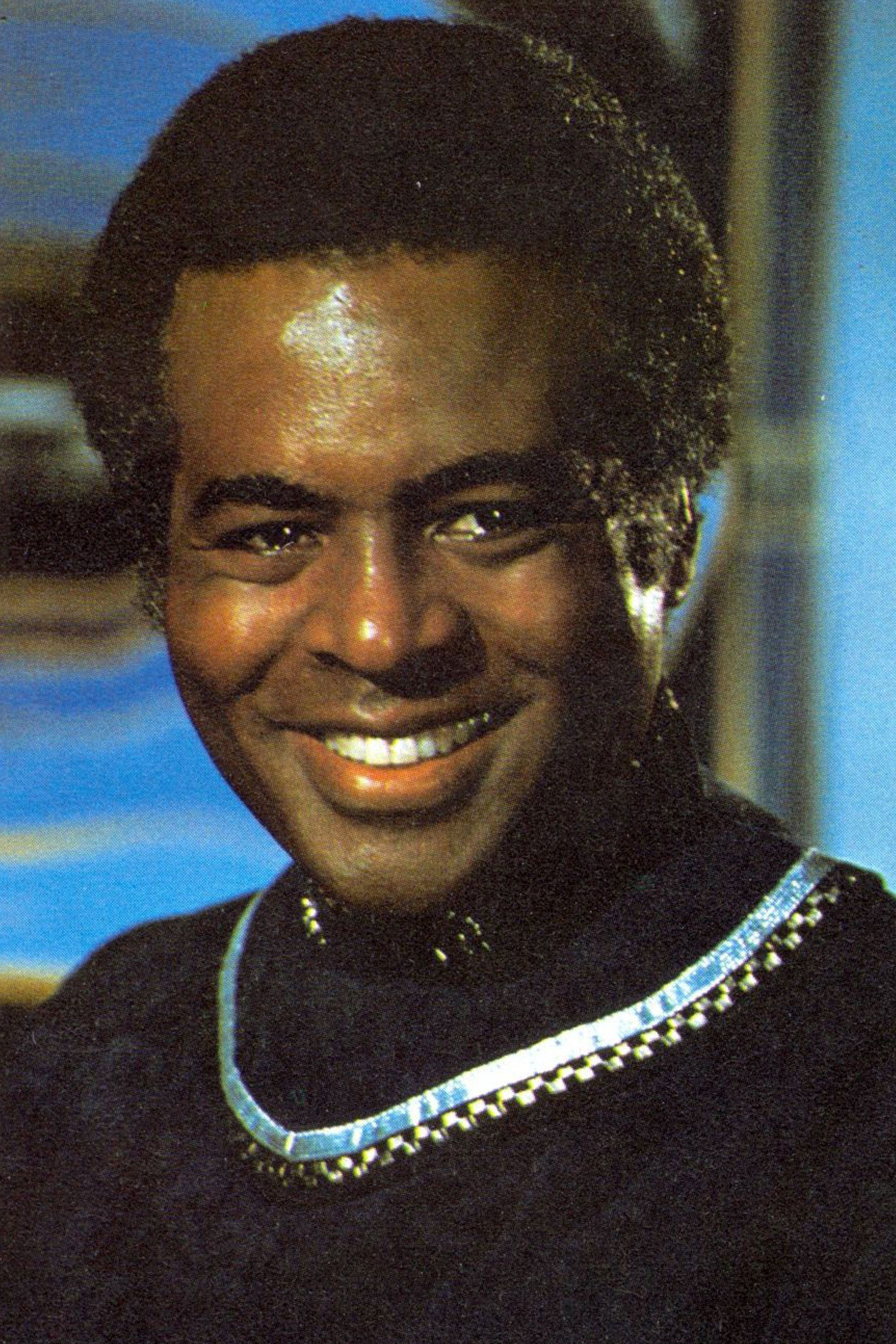
The 1973 kidnapping of John Paul Getty III remains one of the most notorious criminal cases of the 20th century, defined by the "Ndrangheta’s" brutality and the staggering coldness of the victim's grandfather, J. Paul Getty, then the richest man in the world. On July 10, 1973, the 16-year-old heir was abducted in Rome, leading to a five-month ordeal that culminated in the severing of his right ear and a controversial ransom payment.
The Socio-Political Landscape of 1973 Italy
To understand the 1973 kidnapping, one must look at the environment of Italy during the "Years of Lead" (Anni di piombo). This period was characterized by extreme political unrest, social turmoil, and a surge in organized crime activities. Kidnapping for ransom had become a lucrative "industry" for criminal organizations, particularly in the southern regions.
The 'Ndrangheta, the organized crime syndicate based in Calabria, was transitioning from a localized rural power to a sophisticated international criminal network. The abduction of the grandson of an American oil tycoon represented a significant "leveling up" for these groups. They recognized that while the Italian state was preoccupied with political terrorism from the left and right, the kidnapping of a private citizen—especially a foreign billionaire's heir—could yield unprecedented financial rewards.
The Abduction in Rome: July 10, 1973
John Paul Getty III, known as "Paul," was living a bohemian lifestyle in Rome. Unlike his disciplined grandfather, Paul was a fixture of the city's counter-culture scene. In the early hours of July 10, 1973, he was snatched from the Piazza Farnese.
Initially, many—including members of his own family and the Italian police—suspected the kidnapping might be a ruse. Paul had occasionally joked about staging his own kidnapping to extract money from his famously parsimonious grandfather. This skepticism proved to be a tragic delay. It wasn't until the kidnappers issued a formal demand for $17 million (equivalent to approximately $115 million in 2026 dollars) that the gravity of the situation was acknowledged.
The Grandfather’s Refusal: A Study in Cold Logic
The central figure in the ensuing drama was not the boy or the kidnappers, but J. Paul Getty, the patriarch of the Getty Oil empire. Residing at Sutton Place in England, the elder Getty was known for his extreme frugality, famously installing a payphone for guests in his mansion.
When presented with the $17 million ransom demand, J. Paul Getty issued a statement that has since become synonymous with ruthless pragmatism:
"I have 14 other grandchildren. If I pay one penny now, then I'll have 14 kidnapped grandchildren."
While his logic was aimed at deterring future crimes against his family, it created a stalemate that lasted for months. The boy’s mother, Gail Harris, who was divorced from the boy’s father (John Paul Getty Jr.), was left to negotiate with criminals while having no personal fortune to meet their demands. Her ex-husband, struggling with substance abuse issues in London, was similarly unable or unwilling to challenge his father’s decision.
The Turning Point: The Severed Ear
As the months passed without payment, the kidnappers grew desperate and increasingly violent. In November 1973, a package arrived at the offices of the daily newspaper Il Messaggero in Rome. It contained a lock of hair and a human ear.
The accompanying note was blunt: "This is Paul’s ear. If we don’t get some money within ten days, then the other ear will arrive. In other words, he will arrive in little bits."
The shock of this anatomical proof, combined with the realization that a national postal strike had delayed the delivery of the ear for three weeks (leading to its partial decay), shifted public opinion. The image of the mutilated teenager broke the grandfather’s resolve—though only partially.
Negotiating the Ransom and the "Loan"
Even with the evidence of his grandson's mutilation, J. Paul Getty negotiated the final ransom amount down to $3.2 million. However, true to his reputation, he refused to pay the full amount as a gift.
- The Gift: He provided $2.2 million, which was the maximum amount his accountants informed him was tax-deductible.
- The Loan: He lent the remaining $1 million to his son, John Paul Getty Jr., at a 4% interest rate, requiring him to pay it back over time.
This financial maneuvering remains one of the most criticized aspects of the case, highlighting the complex and often dysfunctional dynamics of the Getty family.
Timeline of the Getty Kidnapping (1973)
The following table outlines the critical milestones of the five-month ordeal.
| Date | Event | Significance |
|---|---|---|
| July 10, 1973 | Paul Getty III is abducted | The start of the 157-day captivity in Rome. |
| July-August 1973 | Initial Ransom Demand | $17 million requested; family and police remain skeptical. |
| September 1973 | First proofs of life | Letters from Paul are sent to his mother pleading for help. |
| October 1973 | Postal Strike in Italy | Delays communication and the delivery of the "proof" package. |
| Nov 10, 1973 | Arrival of the Severed Ear | Received by Il Messaggero; confirms the brutality of the captors. |
| Dec 12, 1973 | Ransom is Paid | Negotiated $3.2 million is dropped on a mountain road in Calabria. |
| Dec 15, 1973 | Paul is Released | Found at a gas station in Potenza on his grandfather's 81st birthday. |
Recovery and Long-term Aftermath
On December 15, 1973, Paul Getty III was found shivering at a petrol station in the snow-covered province of Potenza. Despite his release, the psychological and physical scars never fully healed.
Following his grandfather's instructions, Paul called him to thank him for paying the ransom. J. Paul Getty reportedly refused to take the call. This rejection, coupled with the trauma of his captivity, contributed to a life of subsequent drug addiction. In 1981, a drug-induced stroke left Paul Getty III quadriplegic and partially blind. He remained in a state of compromised health until his death in 2011.
The investigation into the kidnapping led to the arrest of nine individuals. Most were high-ranking members of the 'Ndrangheta. Only two were eventually convicted: Girolamo Piromalli and Saverio Mammoliti. Much of the ransom money was never recovered, believed to have been laundered through construction businesses and legitimate front companies in Calabria, fueling the further expansion of the syndicate.
Comparative Context: Other 1973/74 Kidnappings
While the Getty case is the most famous, 1973 was a year defined by other high-stakes abductions and hostage situations that shaped modern criminology.
The Norrmalmstorg Robbery (August 1973)
Taking place just weeks after Paul Getty's abduction, this bank robbery in Stockholm, Sweden, involved hostages who eventually defended their captors. This event led to the coining of the term "Stockholm Syndrome." While Paul Getty III did not exhibit these symptoms, the global fascination with hostage psychology peaked during this year.
The Patty Hearst Abduction (February 1974)
Though occurring early the following year, the kidnapping of newspaper heiress Patty Hearst by the Symbionese Liberation Army (SLA) is often grouped with the Getty case. Both involved wealthy heirs and a public negotiation process, but Hearst’s case took a radical turn when she joined her captors, further complicating the public's understanding of victim behavior.
Lessons in Security and Family Governance
The 1973 kidnapping served as a catalyst for changes in how wealthy families approach personal security and crisis management.
- Kidnap and Ransom (K&R) Insurance: The case spurred the growth of the K&R insurance industry. Modern policies now include specific protocols for negotiation and immediate access to professional crisis response teams, preventing the "negotiation vacuum" that plagued Gail Harris.
- Asset Protection vs. Personal Safety: The Getty case is often cited in legal and ethical studies regarding the duty of care within wealthy families. It highlights the tension between protecting a family's capital and protecting its members.
- The Evolution of Organized Crime: For law enforcement, the 1973 kidnapping was an early indicator of the 'Ndrangheta’s ability to operate on a global stage, moving beyond local extortion to high-stakes international crime.
Frequently Asked Questions
Why did J. Paul Getty refuse to pay the ransom initially?
J. Paul Getty argued that paying the ransom would put his other 14 grandchildren at risk by signaling that the family was a soft target. He also initially suspected that his grandson might have staged the kidnapping to get money, as the teenager was known for his rebellious behavior and financial instability.
How much was the final ransom in today's money?
The $3.2 million paid in 1973 is roughly equivalent to $21 million to $23 million in 2026 when adjusted for inflation. The initial demand of $17 million would be over $115 million today.
Was the ear ever reattached?
No. Due to the Italian postal strike, the ear was in the mail for nearly three weeks before it reached the newspaper. By the time Paul was released, the tissue was not viable for reattachment with the medical technology available in 1973. He underwent several reconstructive surgeries later in life.
Who were the 'Ndrangheta kidnappers?
The 'Nradngheta is a Mafia-type organization based in Calabria, Italy. In the 1970s, they were heavily involved in "anonima sequestri" (kidnapping for hire). Specifically, the Piromalli and Mammoliti clans were implicated in the Getty case.
How did the kidnapping end?
The kidnapping ended after J. Paul Getty agreed to a reduced ransom of $3.2 million. The money was delivered by a family representative who drove to a remote location in southern Italy. Paul was released shortly thereafter and found by a truck driver at a gas station.
Expert Recommendation for Historical Research
For those researching the 1973 Getty kidnapping in 2026, it is essential to consult the declassified Italian police files and the memoirs of Gail Harris. While cinematic portrayals like All the Money in the World (2017) provide a dramatic overview, they often condense timelines and simplify the complex legal battles that occurred in the Italian courts during the late 1970s.
To gain a deeper understanding of the criminal mechanics, researchers should look into the "Siderno Group" and its historical ties to the 'Ndrangheta's kidnapping era. This provides the necessary context for how the ransom money was eventually used to build the modern infrastructure of organized crime in Italy.