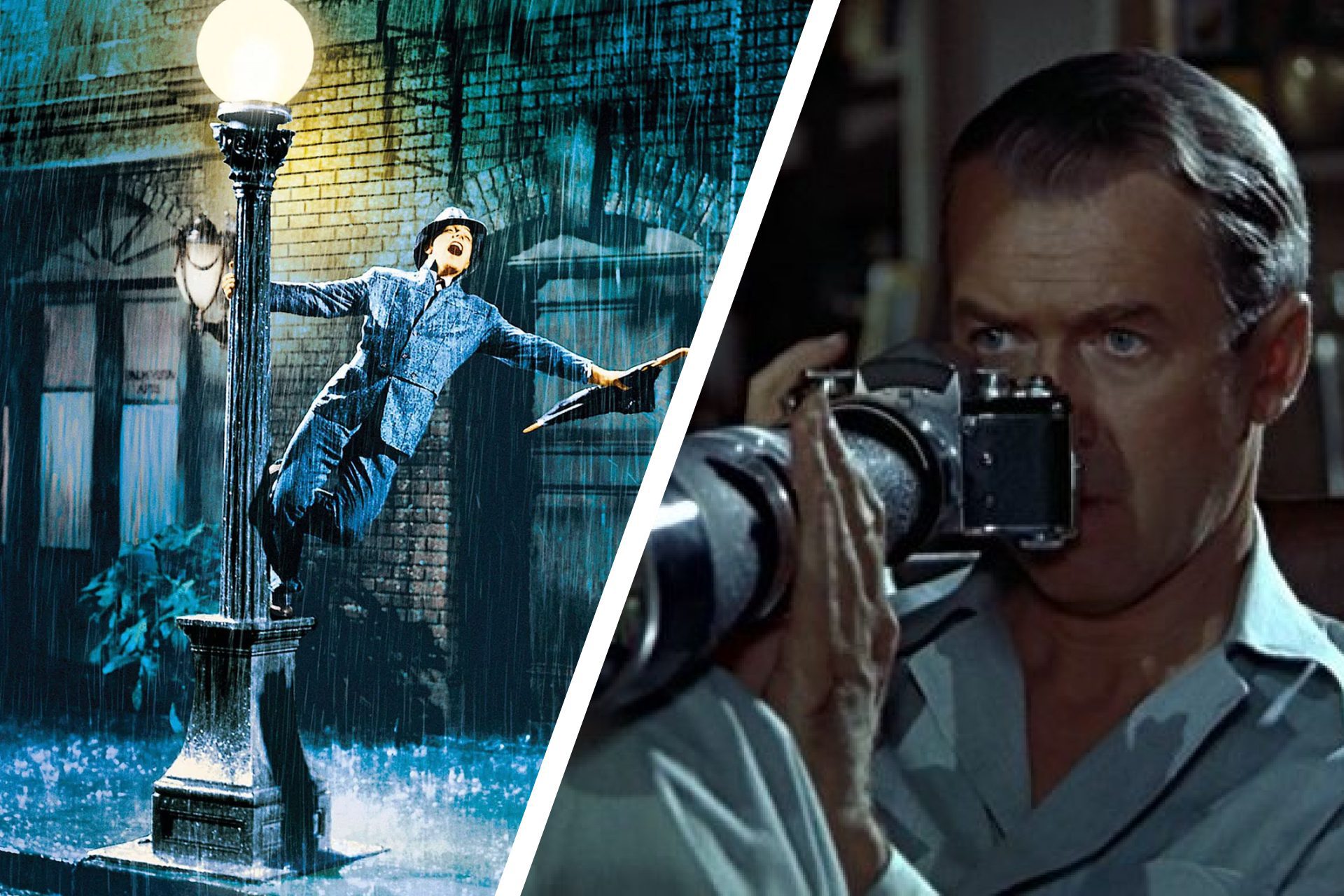
1950s cinema represents a pivotal era of transition, characterized by the rise of widescreen formats, the threat of television, and a radical shift in thematic maturity. As Hollywood faced declining box office returns, studios embraced technical innovation and genre experimentation to lure audiences away from their living rooms, permanently altering the trajectory of global film history.
The Seismic Shift: Cinema vs. Television
By the early 1950s, the mass adoption of television receivers across the United States forced the film industry into an existential crisis. Throughout the 1940s, movie attendance had reached unprecedented heights, but the convenience of home entertainment rapidly eroded this captive audience. Studios responded with a "bigger is better" strategy, banking on the idea that the immersive scale of the theater experience could not be replicated on a small black-and-white television screen.
This decade marked the aggressive implementation of widescreen formats, most notably CinemaScope, which was introduced by 20th Century Fox in 1953 with the release of The Robe. This anamorphic lens process allowed filmmakers to capture a much wider field of view, creating a panoramic experience that made standard television screens appear minuscule by comparison. Other competitors followed suit, including VistaVision and Todd-AO, each attempting to capture a larger share of the viewer’s visual field and, by extension, their attention.
Technical Innovations in Presentation and Sound
The competition against television was not merely a matter of width; it was also about sensory fidelity. The 1950s introduced stereophonic sound to the cinema, moving beyond the limitations of monophonic audio. Magnetic sound recording allowed for high-fidelity multi-channel audio tracks to be printed directly onto the film strip. This allowed for sound effects to travel across the theater, creating an early form of surround sound that physically engulfed the audience.
Furthermore, color filmmaking became the standard rather than the luxury. While Technicolor had been available for years, the development of easier-to-use processes like Eastmancolor lowered costs significantly. By the mid-to-late 1950s, the prevalence of full-color, widescreen epics became a key differentiator that kept major studios relevant while independent and "B-movie" producers carved out their own niche markets.
Shifting Genres and Thematic Depth
While grand epics defined the visual language of the decade, the thematic content of 1950s cinema was equally revolutionary. The post-war landscape, coupled with the onset of the Cold War and the influence of the House Un-American Activities Committee (HUAC), led to a distinct tension in storytelling.
The Rise of the Science Fiction Parable
Science fiction emerged as the premier genre for exploring societal anxieties. Films such as The Day the Earth Stood Still (1951) and Invasion of the Body Snatchers (1956) utilized the lens of extraterrestrial threat to interrogate conformity, nuclear fear, and the erosion of individual identity. Unlike the escapist adventures of earlier decades, these narratives were often deeply cynical or cautionary, reflecting a national psyche scarred by the realities of atomic power.
The Mature Western and Film Noir
The 1950s also saw the deconstruction of traditional American myths. Westerns became more psychologically complex, moving away from simple "good vs. evil" tropes toward narratives involving moral ambiguity and personal redemption, as seen in the work of directors like John Ford and Anthony Mann. Simultaneously, film noir reached its stylistic zenith, utilizing high-contrast lighting—often referred to as chiaroscuro—to emphasize the moral decay and deterministic traps of urban life.
Comparative Landscape: 1950s Cinema Technologies
| Format / Innovation | Introduction Year | Primary Benefit |
|---|---|---|
| CinemaScope | 1953 | Ultra-wide aspect ratio for immersive viewing |
| Stereophonic Sound | 1952 | Directional, high-fidelity audio experience |
| VistaVision | 1954 | High-resolution, fine-grain horizontal film capture |
| 3D (Stereoscopic) | 1952 | Short-lived gimmickry utilizing polarizing glasses |
The Role of Independent Studios and B-Movies
While major studios like MGM and Paramount focused on big-budget spectacles, the 1950s also gave birth to a thriving, low-budget industry. Independent producers, such as American International Pictures (AIP), identified a burgeoning teenage demographic that felt alienated by the earnest, adult-oriented films of the major studios.
These producers utilized drive-in theaters as their primary distribution network. Drive-ins grew in popularity throughout the decade, providing a social space where young people could view horror, exploitation, and rock-and-roll-themed films away from parental supervision. This sector of the market taught the industry a valuable lesson: movies were increasingly being viewed as a lifestyle product for specific demographic segments rather than a monolithic, universal experience for all ages.
The Decline of the Studio System
The 1950s also signaled the legal beginning of the end for the "Golden Age" studio system. The U.S. Supreme Court ruling in United States v. Paramount Pictures, Inc. (1948) forced studios to divest themselves of their theater chains. The full impact of this antitrust action was felt throughout the 1950s, as the "vertical integration" that had guaranteed screen time for studio films disintegrated.
Without the safety net of guaranteed theater placement, studios became more selective, focusing on "prestige" pictures and blockbusters while licensing their back-catalogs to the very medium they feared—television. By the end of the decade, the landscape of Hollywood had shifted from a factory-like production line to a project-by-project business model, setting the stage for the New Hollywood era of the 1960s and 1970s.
Frequently Asked Questions
Why did 3D cinema fail to become a permanent standard in the 1950s? Despite initial popularity with films like House of Wax (1953), the 3D process was technically cumbersome. It required the perfect synchronization of two projectors, and any misalignment caused viewer headaches. Audiences quickly tired of the gimmick, and the cost of maintaining the equipment proved prohibitive for many theater owners compared to the reliability of CinemaScope.
How did the Cold War influence 1950s film themes? The Cold War introduced pervasive themes of paranoia, surveillance, and infiltration. Whether represented by alien invaders or hidden Communist threats, the anxiety of the "enemy within" became a recurring trope in both science fiction and thriller genres, reflecting real-world fears regarding the Red Scare and nuclear catastrophe.
What was the primary purpose of the Hollywood Blacklist? The Hollywood Blacklist was a byproduct of McCarthyism and HUAC investigations. It was used to deny employment to writers, actors, and directors suspected of having ties to the Communist Party. This resulted in a chilling effect on creative expression, forcing many talented professionals to work under pseudonyms or flee the industry entirely.
Why did color film become dominant during this decade? Color was used as a competitive advantage over television. By 1955, while television was almost exclusively black and white, cinema could offer the saturation of Technicolor or Eastmancolor, providing a sensory experience that home television could not match. It became a primary selling point for advertisements, marketed as a way to see "the world in living color."
Next Steps for Enthusiasts
If you are interested in further exploring the depth of 1950s cinema, your first action should be to sample films that represent the intersection of high-concept technology and mature storytelling. Seek out a restored 4K transfer of a CinemaScope epic, such as North by Northwest (1959), to understand how composition and camera movement were reinvented for the wider frame. Comparing these technical feats against contemporary digital cinematography will provide a clearer understanding of how the 1950s laid the foundation for the visual language used in today’s film industry.