Characters in 1960s sitcoms transitioned from the idealized nuclear family figures of the 1950s into more experimental archetypes, including supernatural beings, rural fish-out-of-water, and professional urbanites. These characters reflected a decade of massive social shift, moving from domestic stability toward the satirical and often surreal exploration of American identity and social norms.
The 1960s represented a transformative era for American television, particularly within the situation comedy (sitcom) genre. At the start of the decade, characters were often extensions of the 1950s "Father Knows Best" model—stable, moralistic, and rooted in suburban domesticity. However, as the decade progressed, writers and producers began introducing characters that challenged these boundaries. From the magical interference of Samantha Stephens to the bumbling espionage of Maxwell Smart, 1960s sitcom characters became a mirror for a society navigating the Cold War, the Space Race, and changing gender roles.
As of 2026, these characters remain foundational to the study of media history and continue to influence modern television writing. Understanding their construction requires looking beyond the laughter to see how they addressed the anxieties and aspirations of their time.
The Rise of the Supernatural and Fantastic Character
One of the most distinct shifts in 1960s character development was the introduction of the "fantastic" protagonist. This subgenre used supernatural or extraterrestrial elements to satirize the typical American lifestyle. These characters allowed audiences to look at human behavior through an outsider's lens, often highlighting the absurdity of 1960s social conventions.
Samantha Stephens: The Power of the Suburban Witch
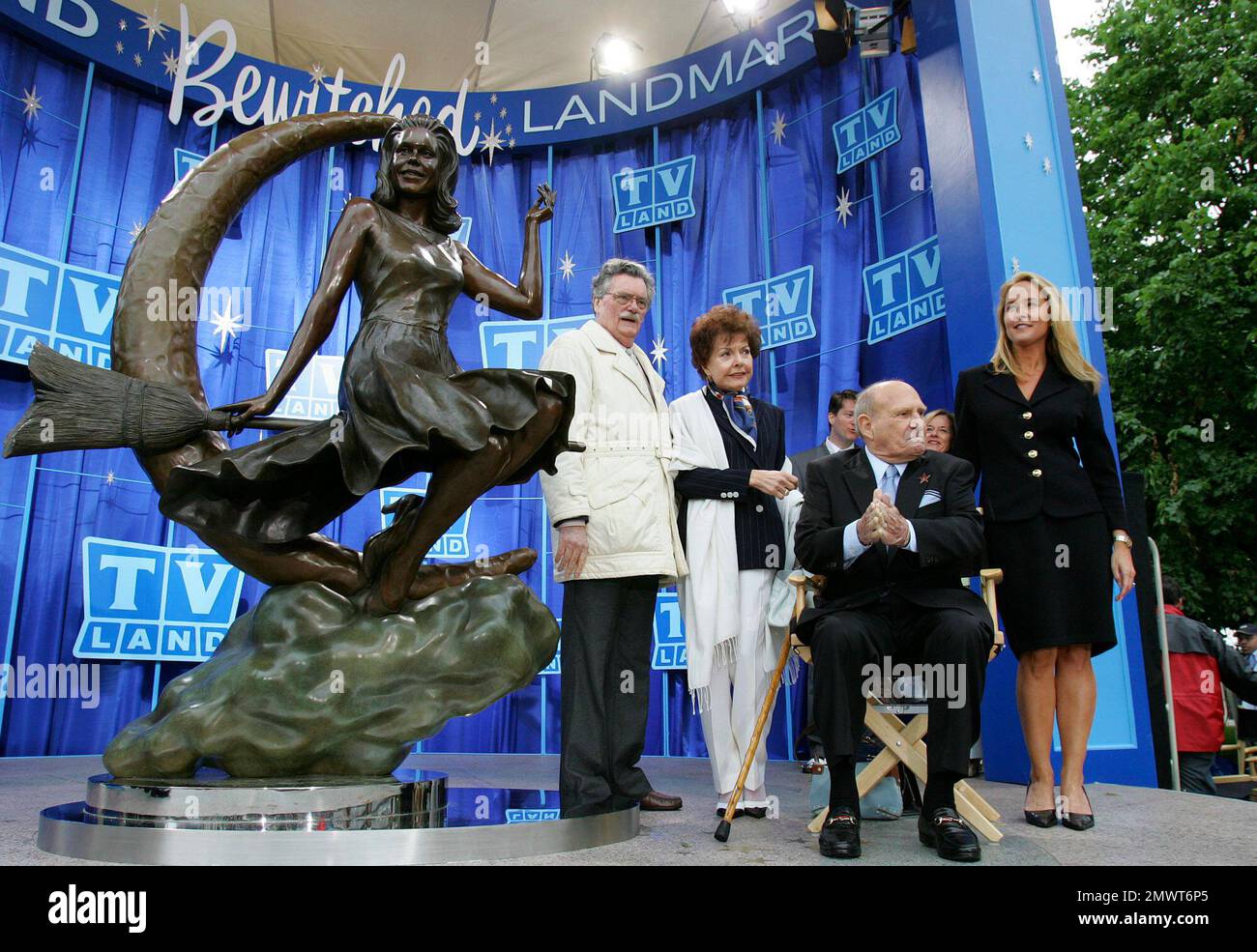
In Bewitched (1964–1972), Samantha Stephens (portrayed by Elizabeth Montgomery) became a cultural icon of the mid-century woman’s dilemma. While she possessed god-like powers, she agreed to live as a typical suburban housewife for the sake of her mortal husband, Darrin. The tension in her character stemmed from the constant struggle between her natural abilities and the restrictive domestic role she was expected to play. Samantha was not just a character of whim; she was a subtle commentary on the untapped potential of women in an era where they were often confined to the home.
The Addams Family vs. The Munsters: The Outcast as Protagonist
The mid-60s saw the simultaneous rise of The Addams Family and The Munsters. Both shows featured characters who were visually monstrous or "spooky" but were, in many ways, more functional and loving than the "normal" families depicted in other shows. Gomez and Morticia Addams broke the mold of the 1960s sitcom couple by being overtly romantic and supportive of each other’s eccentricities. Unlike the bickering couples found in later decades, these characters found strength in their unified front against a world that viewed them as "others."
Gomez Addams, specifically, challenged the archetype of the 1960s businessman. He was wealthy but had no discernible "job," spending his time fencing, exploding model trains, and obsessing over his wife. This subverted the traditional capitalist hero of the time, replacing him with a character whose primary motivation was passion rather than professional advancement.
The Rural Revolution and Fish-out-of-Water Archetypes
As urban centers became more complex and politically charged, 1960s television turned its gaze toward the "simpler" life of rural America. This gave birth to the "Rural Revolution," a period dominated by characters who possessed folk wisdom that often outmatched the "book smarts" of city dwellers.
Jed Clampett: The Moral Compass of the Countryside
In The Beverly Hillbillies, Jed Clampett served as the ultimate fish-out-of-water. Despite his sudden wealth, Jed remained humble, honest, and fiercely loyal to his family. The humor derived not from Jed’s ignorance, but from the greed and pretension of the Beverly Hills residents who tried to exploit him. Jed represented a nostalgia for an idealized American past—a character who remained uncorrupted by modern materialism. His character proved that audiences in the 1960s were hungry for figures who maintained their integrity regardless of their environment.
Andy Taylor and the Residents of Mayberry
The Andy Griffith Show introduced Andy Taylor, a character who redefined the role of authority in the sitcom. Unlike the rigid lawmen of Westerns or the stern fathers of early sitcoms, Andy was a "philosopher-sheriff." He solved problems with empathy and common sense rather than force. His relationship with his bumbling deputy, Barney Fife, created a blueprint for the "straight man and comic foil" dynamic that remains a staple of character writing in 2026. Barney Fife himself became the definitive archetype of the insecure, over-eager bureaucrat, a character whose humor came from his desperate need for the very respect he often undermined with his own incompetence.
The Professional and the Independent Woman
Toward the end of the decade, characters began to move out of the living room and into the workplace. This shift mirrored the actual increase of women and younger professionals entering the workforce in the 1960s.
Rob and Laura Petrie: The Modern Urban Couple
The Dick Van Dyke Show was a pioneer in showing the professional life of its lead character, Rob Petrie, a television comedy writer. However, it was the character of Laura Petrie (Mary Tyler Moore) who truly broke ground. While she was a housewife, she was depicted as Rob's intellectual equal. She famously wore capri pants instead of the standard floral dresses, a wardrobe choice that signaled a more modern, active version of womanhood. The Petries represented the "New Frontier" of the 1960s: sophisticated, witty, and living in a world of art and media rather than just picket fences and casseroles.
That Girl and the Independent Lead
Marlo Thomas’s portrayal of Ann Marie in That Girl (1966) introduced a character that was revolutionary for the time: a single woman living alone in New York City, focused on her career as an actress. Ann Marie wasn't looking for a husband to "save" her; she was navigating the world on her own terms. This paved the way for later characters like Mary Richards in the 1970s and set a new standard for how female protagonists could be framed in a sitcom environment.
Comparing Key 1960s Sitcom Character Archetypes
The following table compares the most influential archetypes of the 1960s, highlighting their primary narrative function and their lasting impact on television history.
| Character Name | Series | Primary Archetype | Defining Trait | Legacy/Impact |
|---|---|---|---|---|
| Samantha Stephens | Bewitched | The Supernatural Spouse | Subversive Power | Challenged gender roles via metaphor. |
| Jed Clampett | The Beverly Hillbillies | The Noble Ruralite | Folk Wisdom | Validated rural values against urban elitism. |
| Barney Fife | The Andy Griffith Show | The Bumbling Sidekick | Comic Insecurity | The blueprint for the "inept deputy" trope. |
| Maxwell Smart | Get Smart | The Satirical Hero | Literal-Mindedness | Satirized Cold War paranoia and spy culture. |
| Gilligan | Gilligan's Island | The Eternal Incompetent | Accidental Sabotage | Represented the "Everyman" failure in a group. |
| Laura Petrie | The Dick Van Dyke Show | The Modern Housewife | Sophistication | Moved the housewife image toward "chic" and active. |
| Gomez Addams | The Addams Family | The Eccentric Patriarch | Unabashed Passion | Redefined the "scary" as loving and wholesome. |
The Role of the Sidekick and Ensemble Support
While the leads of 1960s sitcoms often drove the plot, the decade was also the golden age of the supporting character. These characters often represented specific social anxieties or provided the "chaos" that the lead had to manage.
- The Foil: Characters like Mr. Spacely in The Jetsons or Larry Tate in Bewitched represented the high-pressure, often irrational demands of 1960s corporate culture. They served as the "boss" archetype that the protagonist had to appease, reflecting the growing white-collar stresses of the era.
- The Eccentric Neighbor: From Gladys Kravitz (Bewitched) to the various neighbors in Mayberry, this character functioned as the guardian of social norms. They were the ones watching, judging, and often misinterpreting the protagonist's actions, serving as a stand-in for the "judgmental society" at large.
- The "Expert" Buffoon: Characters like The Professor on Gilligan’s Island or various scientists in 1960s sitcoms showed a growing skepticism toward technology and academia. Despite their vast knowledge, they rarely managed to solve the fundamental problems facing the characters (e.g., getting off the island), which resonated with a public becoming wary of the "experts" during the Vietnam War era.
Technical Writing and Character Development Trends
From a technical screenwriting perspective, 1960s characters were built around "high-concept" premises. In the 2026 landscape of television criticism, we recognize that the 1960s was the era where the "premise" often outshone the "character arc." Unlike modern television, where characters undergo deep psychological changes over multiple seasons, 1960s sitcom characters were largely static.
The goal was "reset-to-zero" storytelling. No matter how much magic Samantha used or how close Gilligan came to being rescued, the characters had to return to their status quo by the end of the 20-minute episode. This required characters to have incredibly strong, recognizable traits that could be dropped into any situation. This "static strength" is why 1960s characters remain so recognizable in 2026; they were designed as iconic symbols rather than evolving human beings.
Cultural Impact and Modern Perspective
Looking back from 2026, the characters of 1960s sitcoms serve as a time capsule. They demonstrate the slow transition from the conservative 1950s to the counter-culture of the 1970s. We see characters like Jeannie (I Dream of Jeannie) who, despite her magic, still referred to her partner as "Master," contrasted with characters like Julia Baker (Julia), who was the first African American woman to star in her own series in a non-stereotypical role (as a nurse and a widow).
The shift in character diversity, while slow, began in the 1960s. Characters like Julia Baker and Bill Cosby’s Alexander Scott in I Spy (though a dramedy, it influenced sitcom casting) broke the "all-white" suburbia mold. These characters were not just there for comic relief; they were professionals with agency, signaling a shift in the American consciousness regarding race and representation.
Frequently Asked Questions
Who was the most popular 1960s sitcom character?
While popularity is subjective, Jed Clampett (The Beverly Hillbillies) and Samantha Stephens (Bewitched) consistently topped the Nielsen ratings during the 1960s. In terms of long-term cultural icon status, Barney Fife from The Andy Griffith Show is often cited by critics as one of the most perfectly realized comic characters in television history due to Don Knotts' physical comedy and the character's deep psychological vulnerability.
Why were there so many supernatural characters in 60s sitcoms?
The "fantastic" sitcom (witches, genies, Martians) allowed writers to bypass the rigid censorship of the time. By using magic or sci-fi elements, shows could satirize social issues like gender roles, consumerism, and the "keeping up with the Joneses" mentality without being overtly political. It provided a layer of "plausible deniability" while still commenting on the absurdity of modern life.
Did 1960s characters ever address real-world events like the Vietnam War?
Direct mentions were rare, as sitcoms were primarily seen as escapism. However, characters often reflected the mood of the era. For example, the bumbling military characters in Gomer Pyle, U.S.M.C. or Hogan’s Heroes used humor to domesticate and diminish the threat of war. It wasn't until the very late 1960s and early 1970s (with the arrival of characters like Hawkeye Pierce in MASH*) that sitcom characters began to openly critique contemporary military conflicts.
How did 1960s characters change the way women were portrayed on TV?
The decade moved women from being "the wife" to "the wife with a secret" or "the independent woman." While characters like Samantha Stephens or Jeannie were still technically in domestic roles, their possession of power (magic) served as a metaphor for female capability. By the end of the decade, characters like Ann Marie in That Girl proved that a woman could be the center of a show without being part of a nuclear family unit.
Which 1960s character had the biggest influence on modern TV?
Rob Petrie of The Dick Van Dyke Show is a strong candidate for his influence on the "work-life balance" sitcom. However, Maxwell Smart from Get Smart pioneered the "deadpan parody" character that heavily influenced modern comedies like The Office or Archer. His literal-mindedness and use of high-tech gadgets that never worked correctly established a comedic trope that persists in 2026.
Next Steps for Media Historians and Enthusiasts
To truly understand the depth of 1960s sitcom characters, one should watch episodes from the beginning, middle, and end of the decade. Notice the subtle shifts in dialogue, the loosening of social codes, and the transition from the domestic "home-base" to more varied professional and exotic settings. For those interested in the technical side of character creation, studying the scripts of Carl Reiner (The Dick Van Dyke Show) or the production notes of Paul Henning (The Beverly Hillbillies) provides invaluable insight into how these iconic figures were crafted to capture the American imagination.
By analyzing these characters, we gain a clearer picture of the 1960s—not just as a decade of change, but as an era that redefined what it meant to be an American through the lens of laughter and satire.