The 1970 documentary landscape represents a pivotal intersection in film history, marking the definitive transition from the optimistic communalism of the 1960s to a more stark, observational, and often cynical era. In 1970, non-fiction filmmaking moved beyond simple reportage, embracing the "Direct Cinema" movement to capture the dissolution of The Beatles, the tragic violence of Altamont, and the gritty realities of American institutions.
As of 2026, many of these landmark films have been meticulously restored for 4K digital platforms, allowing new generations to experience the raw, unscripted energy that defined the turn of the decade. Whether you are a film student analyzing the "fly-on-the-wall" technique or a music enthusiast seeking the authentic roots of the festival era, the documentaries of 1970 offer an unparalleled window into a world in flux.
The Cultural Significance of 1970 in Non-Fiction Film
The year 1970 was not merely a chronological marker; it was a cultural threshold. For the documentary genre, it signified the maturation of Direct Cinema and Cinéma Vérité. These styles, which prioritized handheld cameras, synchronized location sound, and a lack of intrusive narration, allowed filmmakers to become "flies on the wall," capturing history as it unfolded without the polished artifice of studio-driven newsreels.
This year saw the release of several films that are now considered the "Holy Trinity" of music documentaries: Woodstock, Gimme Shelter, and Let It Be. Together, they charted the rise and fall of the 1960s counterculture. While Woodstock celebrated the peak of the "peace and love" movement, Gimme Shelter documented its violent demise at the Altamont Free Concert, and Let It Be showed the internal collapse of the world’s most influential band.
Beyond music, 1970 documentaries explored the failure of social systems, the legacy of the Civil Rights Movement, and even the burgeoning interest in pseudoscientific ancient history. The technical advancements of the era—specifically the availability of lightweight 16mm cameras and portable Nagra tape recorders—democratized the medium, allowing filmmakers to enter spaces like hospitals, courtrooms, and private rehearsal spaces that were previously inaccessible to large crews.
The Big Three: Music Documentaries that Defined an Era
The 1970 documentary output is dominated by three films that changed how live performance and celebrity culture were captured on celluloid. These films moved beyond the "concert movie" format to become psychological studies and sociological records.
1. Woodstock (Directed by Michael Wadleigh)
Winner of the Academy Award for Best Documentary Feature in 1970, Woodstock is an epic achievement in editing and scale. Clocking in at over three hours in its original theatrical cut, the film used innovative split-screen techniques to convey the sheer magnitude of the half-million-strong crowd.
- Technical Achievement: Under the supervision of editors like Thelma Schoonmaker and Martin Scorsese, Woodstock transformed over 120 miles of film into a cohesive narrative. The split-screen wasn't just a stylistic choice; it was a necessity to show the performers and the audience's reaction simultaneously, emphasizing the "oneness" of the event.
- Cultural Impact: It remains the definitive document of the hippie movement, capturing the logistical chaos and the musical brilliance of artists like Jimi Hendrix, Santana, and Sly and the Family Stone.
2. Gimme Shelter (Directed by Albert and David Maysles, Charlotte Zwerin)
If Woodstock was the dream, Gimme Shelter was the nightmare. The film follows The Rolling Stones during their 1969 U.S. tour, culminating in the disastrous Altamont Free Concert.
- The "Direct Cinema" Masterpiece: The Maysles brothers didn't just film the concert; they filmed the band’s reaction to the footage later in the editing room. This meta-narrative structure forced the audience (and the band) to confront the violence that erupted when the Hells Angels, hired as security, stabbed Meredith Hunter to death in front of the stage.
- Historical Weight: Gimme Shelter is often cited by historians as the film that "killed the sixties." It replaced the flower-power narrative with a chilling look at the dark side of rock-and-roll excess and poor planning.
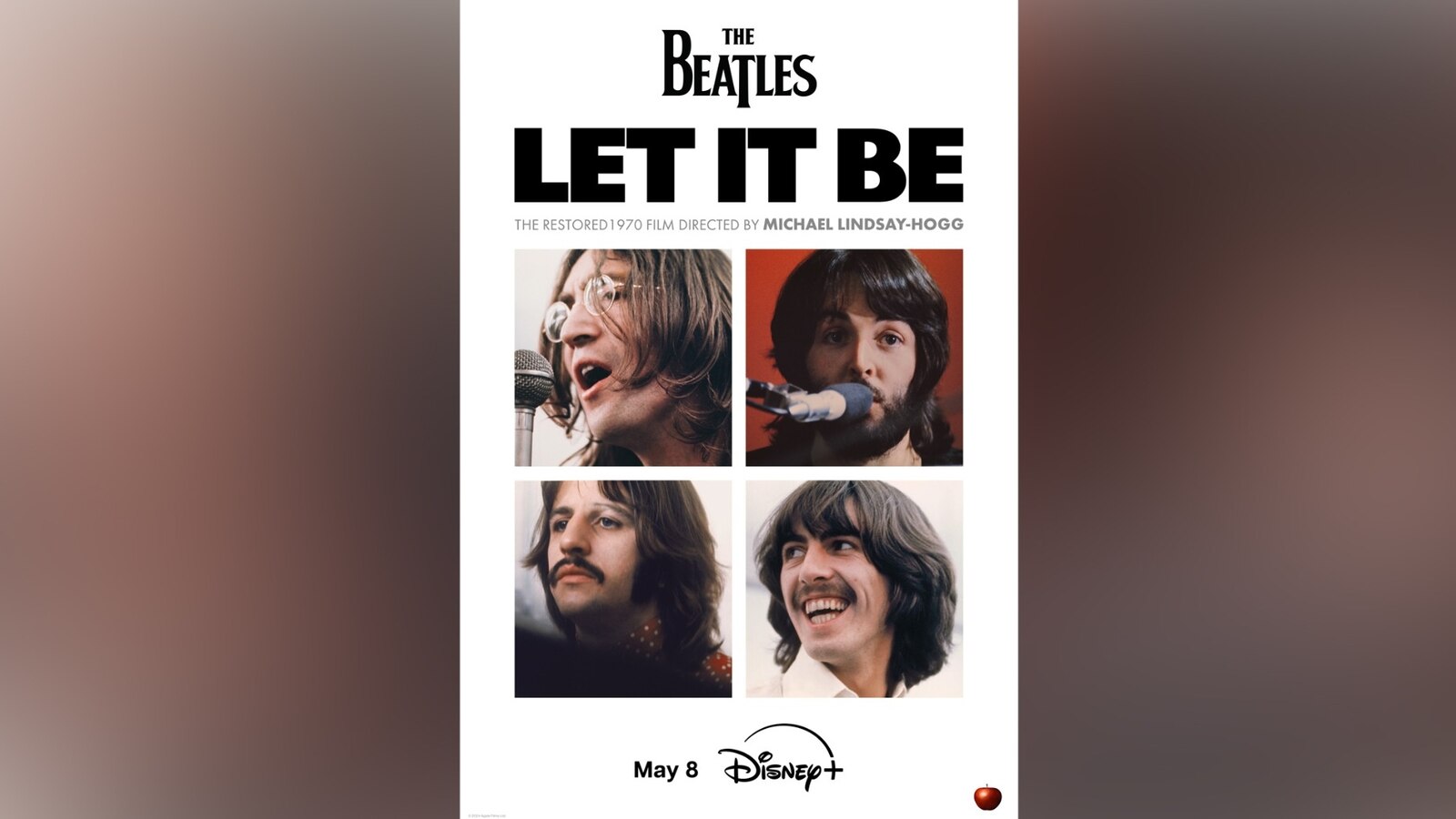
3. Let It Be (Directed by Michael Lindsay-Hogg)
Released in May 1970, shortly after Paul McCartney announced his departure from The Beatles, Let It Be became a melancholy epitaph for the 20th century's most famous band.
- The Narrative of Dissolution: Originally intended to show the band rehearsing for a "return to roots" live show, the film instead captured the creative friction and interpersonal distance between John, Paul, George, and Ringo.
- Legacy and Restoration: For decades, the film was difficult to access due to the band’s discomfort with its depiction of their breakup. However, as of 2026, the 2024 restoration by Peter Jackson (utilizing the same "de-mixing" AI technology used for The Beatles: Get Back) has returned the film to the public eye, offering a clearer, brighter look at the iconic rooftop concert.
Institutional and Social Documentaries of 1970
While music films garnered the most headlines, 1970 was also a landmark year for "observational cinema" focused on social institutions and historical figures.
Hospital (Directed by Frederick Wiseman)
Frederick Wiseman is perhaps the most influential figure in the history of the institutional documentary. His 1970 film, Hospital, focuses on the Metropolitan Hospital Center in New York City.
- The Method: Wiseman used no interviews, no music, and no narration. The film relies entirely on the interactions between doctors, nurses, and patients.
- The Subject Matter: It highlights the immense pressure on public healthcare systems, dealing with everything from drug overdoses to welfare bureaucracy. In 2026, Hospital remains a staple of sociology and film studies for its unflinching look at how society treats its most vulnerable members.
King: A Filmed Record... Montgomery to Memphis
Directed by Sidney Lumet and Joseph L. Mankiewicz, this documentary is a massive three-hour tribute to Dr. Martin Luther King Jr.
- Unique Distribution: In an unprecedented move, the film was originally screened in more than 600 theaters for one night only on March 24, 1970, with proceeds going to the Martin Luther King Jr. Special Fund.
- Historical Value: The film consists entirely of archival footage interspersed with testimonials from celebrities like Paul Newman and James Earl Jones. It was later added to the National Film Registry for its historical and cultural significance.
Scientific and Pseudoscientific Fascination
1970 also saw the rise of the "speculative documentary," a trend that would eventually lead to the modern proliferation of ancient mystery and paranormal programming.
Chariots of the Gods (Erinnerungen an die Zukunft)
Based on the book by Erich von Däniken, this West German documentary was a global sensation. It proposed the theory that extraterrestrials influenced early human civilizations.
- Reception: While widely debunked by the scientific community, the film was a massive commercial success and was even nominated for an Academy Award for Best Documentary Feature.
- Visual Style: It utilized stunning global cinematography—from the Nazca Lines in Peru to the Pyramids of Giza—to create a sense of wonder that resonated with the Space Age audience of 1970.
Comparative Analysis of Major 1970 Documentaries
The following table compares the primary technical and thematic elements of the year's most influential non-fiction releases.
| Film Title | Director(s) | Primary Subject | Style | Key Technical Innovation |
|---|---|---|---|---|
| Woodstock | Michael Wadleigh | Music Festival | Direct Cinema | Multi-panel/Split-screen editing |
| Gimme Shelter | Maysles Brothers | Rolling Stones / Altamont | Cinéma Vérité | On-camera "Reaction" sequences |
| Let It Be | Michael Lindsay-Hogg | The Beatles | Observational | High-speed 16mm to 35mm blow-up |
| Hospital | Frederick Wiseman | Public Healthcare | Pure Observational | Absence of narration/interview |
| Chariots of the Gods | Harald Reinl | Ancient Astronauts | Speculative | Global location cinematography |
| King: A Filmed Record | Lumet/Mankiewicz | Martin Luther King Jr. | Biographical/Archival | One-night-only theater distribution |
Technical Evolution: From 16mm to the Silver Screen
Most 1970 documentaries were shot on 16mm film. This was a practical choice: 16mm cameras were lighter, more portable, and significantly cheaper than the 35mm cameras used for narrative features. However, for theatrical release, these films had to be "blown up" to 35mm, which often resulted in a grainy, gritty aesthetic that became synonymous with the "realism" of the 1970s.
The use of Nagras (portable tape recorders) was equally vital. For the first time, filmmakers could record high-quality, synchronized sound without being tethered to a wall outlet or a massive sound truck. This allowed the Maysles brothers to follow Mick Jagger into a crowded trailer or Wiseman to stand in the corner of a cramped emergency room.
In 2026, the digital restoration of these films has focused on preserving that 16mm grain while removing the scratches and "jitter" associated with older prints. Modern viewers can now see the sweat on the performers at Woodstock or the tension in the eyes of The Beatles in Let It Be with a clarity that was impossible even in the original 1970 screenings.
How to Access and Study 1970 Documentaries in 2026
For those looking to explore this specific year in cinema, several resources and platforms provide high-definition access:
- The Criterion Collection: Many of these films, including Gimme Shelter and several Frederick Wiseman titles, are part of the Criterion Collection. These editions often include essential scholarly essays and technical breakdowns of the restoration process.
- The National Film Registry (Library of Congress): Woodstock, Hospital, and King: A Filmed Record... are all preserved in the National Film Registry. The Library of Congress website provides detailed historical context for why these films were chosen for preservation. Library of Congress Film Registry
- Streaming Platforms: As of 2026, Disney+ remains the exclusive home for the restored Let It Be (alongside the Get Back docuseries), while HBO Max and Amazon Prime frequently host Woodstock and other Warner Bros. properties.
- University Archives: For serious researchers, institutions like the Academy of Motion Picture Arts and Sciences (AMPAS) maintain extensive archives regarding the production notes and original outtakes of these films. Oscars.org - Academy Archives
Frequently Asked Questions
Which 1970 documentary won the Oscar for Best Documentary Feature?
The 1970 Academy Award for Best Documentary Feature was won by Woodstock. It beat out other significant nominees including Chariots of the Gods and Jack Johnson. Interestingly, Gimme Shelter and Let It Be were not nominated in the feature documentary category, partly due to the Academy's then-rigid rules regarding the eligibility of music-focused films and "pure" observational cinema.
Why is 1970 considered the "end of an era" for documentaries?
It is considered the end of an era because it marked the transition from the "optimistic 60s" to the "cynical 70s." Documentaries like Gimme Shelter and Let It Be showed the dissolution of icons and movements that had defined the previous decade. Filmmaking also shifted away from "Voice of God" narration toward the more objective, less structured approach of Direct Cinema.
Was the 1970 documentary Let It Be scripted?
No, Let It Be was not scripted. However, it was highly influenced by the presence of cameras. The tension seen on screen was a mix of genuine interpersonal conflict and the band’s discomfort with being filmed during a period of creative stagnation. Director Michael Lindsay-Hogg had originally hoped to film a spectacular live performance, but the band’s internal struggles forced him to pivot to the observational style seen in the final cut.
Is the violence in Gimme Shelter real?
Yes. The footage in Gimme Shelter captured the actual stabbing of Meredith Hunter by Alan Passaro, a member of the Hells Angels. This was not a staged event. The filmmakers were later subpoenaed for the footage to be used in the subsequent trial. The inclusion of this footage—and the band's reaction to it—remains one of the most controversial and discussed moments in documentary history.
What technical equipment was most common for 1970 documentaries?
The standard "kit" for a 1970 documentary filmmaker usually included an Eclair NPR or Arriflex 16BL 16mm camera, often paired with an Angénieux zoom lens. Sound was almost universally recorded on a Nagra IV-L or 4.2 reel-to-reel recorder. This combination allowed for mobile, sync-sound filming that was impossible just a decade earlier.
Practical Recommendation for Viewers
To truly understand the "1970 documentary" phenomenon, it is best to watch these films in a specific sequence to appreciate the cultural shift. Start with Woodstock to understand the peak of the counterculture's hope. Follow it immediately with Gimme Shelter to witness the sudden collapse of that hope. Finally, view Hospital to see how these larger cultural shifts were reflected in the everyday grind of American social institutions. This progression provides a comprehensive masterclass in how non-fiction film can capture the soul of a specific moment in time.