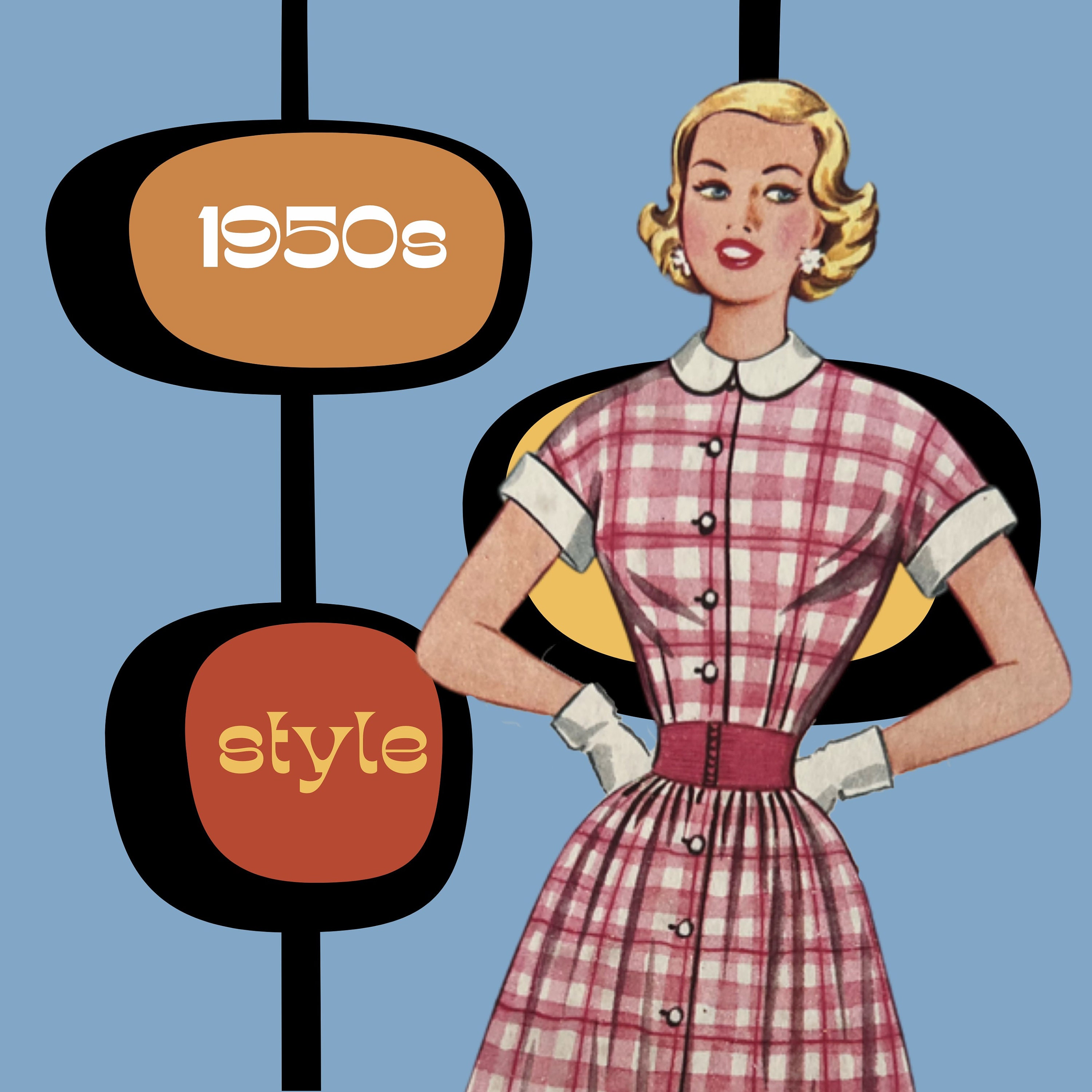
1950s fashion represents a post-war era defined by a distinct shift from the austerity of the 1940s to a celebration of idealized femininity, structured elegance, and the emergence of youth-centric subcultures. The period is categorized by two primary silhouettes: the ultra-feminine, cinched-waist "New Look" popularized by Christian Dior, and the more relaxed, casual attire that mirrored the growth of suburban life and the birth of rock and roll.
The Post-War Shift: From Rationing to Elegance
To understand the aesthetics of the 1950s, one must first recognize the departure from the fabric-rationing constraints of the early 1940s. Following the end of World War II, textile production rebounded, allowing designers to utilize yards of fabric in a single garment. This economic shift manifested in the heavy use of tulle, velvet, wool, and rayon, creating dramatic volume.
The defining silhouette for women was the hourglass. This was achieved through the use of foundations—such as bullet bras and waist-cinching corsets—that provided the necessary structure to support heavy, full-skirted dresses. The era valued a polished appearance; women were rarely seen in public without hats, gloves, and matching handbags. Fashion was not merely a personal choice but a social requirement, with specific attire mandated for different times of the day—morning house dresses, afternoon tea outfits, and formal dinner wear.
Key Silhouettes and Iconic Designs
The fashion of the 1950s is often simplified, but it was comprised of distinct styles that catered to different social contexts and demographics.
The Full-Skirted "New Look"
Christian Dior’s 1947 collection set the tone for the entire decade. By incorporating soft, rounded shoulders and an extremely cinched waist that flared into a voluminous, calf-length skirt, Dior moved away from the sharp, masculine shoulders of wartime fashion. This style was highly architectural, requiring petticoats or crinolines to maintain the skirt's shape. It emphasized a "ladylike" grace that permeated high fashion and middle-class evening wear.
The Sheath and the Pencil Skirt
Contrasting the full-skirted trend was the sophisticated pencil skirt or sheath dress. These garments featured a slim, tailored cut that hugged the hips and tapered toward the hem. Often paired with a modest neckline or a bateau collar, the pencil silhouette was favored by working women and is famously associated with the "office chic" aesthetic of the mid-century professional environment.
Suburban Casual: The Rise of Sportswear
As the middle class migrated to the suburbs, the need for practical yet fashionable clothing grew. This led to the popularity of pedal pushers (cropped pants), capri trousers, and gingham shirts. High-waisted denim jeans, popularized by icons like Marilyn Monroe, became a staple for casual, at-home wear, marking a significant transition toward modern comfort.
Comparison of Mid-Century Attire Categories
The following table categorizes the primary clothing archetypes that defined the wardrobe of the 1950s across different social settings.
| Category | Silhouette | Key Materials | Primary Occasion |
|---|---|---|---|
| New Look | Hourglass (Full Skirt) | Tulle, Taffeta, Wool | Formal/Evening |
| Office/Day | Pencil or A-line | Rayon, Gabardine | Professional/Work |
| Sportswear | Slim/Tailored | Cotton, Denim, Jersey | Leisure/Suburban |
| Housewear | Apron-front/Shirtwaist | Cotton (often floral) | Domestic tasks |
The Influence of Subcultures and Youth Fashion
By the mid-1950s, the "teenager" emerged as a distinct demographic with their own purchasing power and stylistic preferences. This shift was heavily influenced by the rise of rock and roll and the cinematic portrayal of youth rebellion.
The Greaser Aesthetic
The "Greaser" subculture, influenced by films like The Wild One (1953) and Rebel Without a Cause (1955), introduced a rugged, anti-establishment look. Leather jackets, white T-shirts, and cuffed blue jeans became symbols of rebellion against the conformity of their parents' generation. This look was practical, durable, and intentionally removed from the structured elegance of 1950s high fashion.
The Poodle Skirt and Sock Hops
A quintessential trope of the era, the poodle skirt was actually a short-lived fashion trend favored by young girls. These felt skirts, often adorned with appliqués, were designed to move easily during dances like the jitterbug. They represent the playfulness of the era's youth culture, focusing on movement and vibrant decoration rather than the restrictive tailoring of adult formal wear.
Materials, Colors, and Patterns
Color palettes in the 1950s were wide-ranging, reflecting the optimism of the post-war economy. While black and navy remained staples for evening wear and professional attire, the 1950s were also the era of pastels—mint green, baby blue, petal pink, and buttery yellow.
Patterns played a massive role in visual identity:
- Gingham: Associated with domesticity and rural charm.
- Polka Dots: A signifier of modern, playful femininity.
- Floral Prints: Extremely common in day dresses, often featuring large, botanical-inspired motifs.
- Tartan/Plaid: Frequently used in wool skirts and autumnal jackets for both men and women.
Men’s Fashion in the 1950s: The Era of the Suit
While women's fashion saw a dramatic shift, men's fashion remained relatively conservative, maintaining the standard of the "Grey Flannel Suit." The suit was the uniform of the corporate worker, characterized by wide lapels, padded shoulders, and a generous cut.
However, a shift occurred in the casual sphere. The introduction of the "bold look" at the start of the decade gradually transitioned into the cleaner, slimmer lines seen toward the late 1950s. Men’s leisurewear expanded to include Hawaiian shirts, knit polo shirts, and the ubiquity of the cardigan. The integration of synthetic fabrics like Dacron and Orlon made these garments more affordable and easier to maintain, fundamentally changing the male wardrobe from a collection of durable, hand-me-down woolens to a diverse array of modern, seasonal pieces.
Common Mistakes When Identifying 1950s Clothing
For collectors and historians, identifying authentic 1950s pieces can be challenging due to the prevalence of "retro" reproductions. To ensure authenticity, one must look for the following:
- Fasteners: Metal zippers, particularly those from brands like Talon or Lightning, are strong indicators of a mid-century origin. Plastic zippers were largely introduced in later decades.
- Seam Allowances: Mass-produced garments from the 1950s often featured generous seam allowances. If a garment looks like it was "serged" or has raw, fraying edges, it is likely a modern reproduction.
- Fabric Content: Tags listing polyester blends or nylon/spandex mixes are rarely indicative of 1950s manufacturing. Authentic pieces from this era typically rely on natural fibers like cotton, wool, silk, and early rayons.
- Construction Techniques: Look for hand-finished hems, blind stitching, and precise darts. The labor-intensive nature of 1950s tailoring is rarely replicated in modern fast-fashion.
Frequently Asked Questions (FAQ)
What is the difference between 1940s and 1950s fashion?
1940s fashion was heavily influenced by war-time austerity, resulting in short, knee-length skirts, minimal fabric usage, and sharp, angular tailoring. The 1950s discarded these limitations, favoring excessive fabric, full skirts that required structural undergarments, and a return to curved, romantic lines.
Did everyone wear heels in the 1950s?
While the stiletto heel (introduced in the early 1950s) was popular for formal settings, it was not the only footwear. Flat ballet slippers, loafers, and saddle shoes were staples for casual wear, shopping, and everyday errands, particularly as the "suburban lifestyle" became more prominent.
Why was "New Look" fashion considered controversial?
Despite its popularity, the "New Look" was criticized by some for being wasteful. Because it used such large quantities of fabric, it was seen as insensitive to the lingering memories of rationing. Some groups even formed "Little Below the Knee" clubs to protest the extreme lengths of the new skirts.
How did the 1950s change the perception of blue jeans?
Prior to the 1950s, blue jeans were almost exclusively for laborers and cowboys. In the 1950s, they were adopted by the youth and Hollywood icons as a symbol of cool, comfortable, and rebellious leisure. This transformation shifted jeans from workwear to a permanent fixture of global fashion.
Are 1950s clothing sizes the same as today?
No. Vintage sizing is significantly different from modern sizing. A "Size 12" from 1955 is often closer to a modern Size 4 or 6. It is critical to rely on actual measurements (bust, waist, and hips) in inches rather than labeled sizes when purchasing vintage items.
Practical Recommendation for Enthusiasts
If you are looking to incorporate 1950s aesthetics into your modern wardrobe, start with the silhouette rather than the period-accurate construction. Focus on high-waisted cuts and A-line skirts, which remain highly wearable in 2026. Prioritize quality materials like cotton poplin or wool gabardine to achieve the structured, clean look characteristic of the era. For those interested in historical collecting, focus your search on estate sales and specialized vintage archives, paying close attention to the presence of authentic metal zippers and interior finishing details. Authentic 1950s pieces require careful storage—use acid-free tissue paper and keep garments out of direct sunlight to preserve the integrity of the vintage textiles.