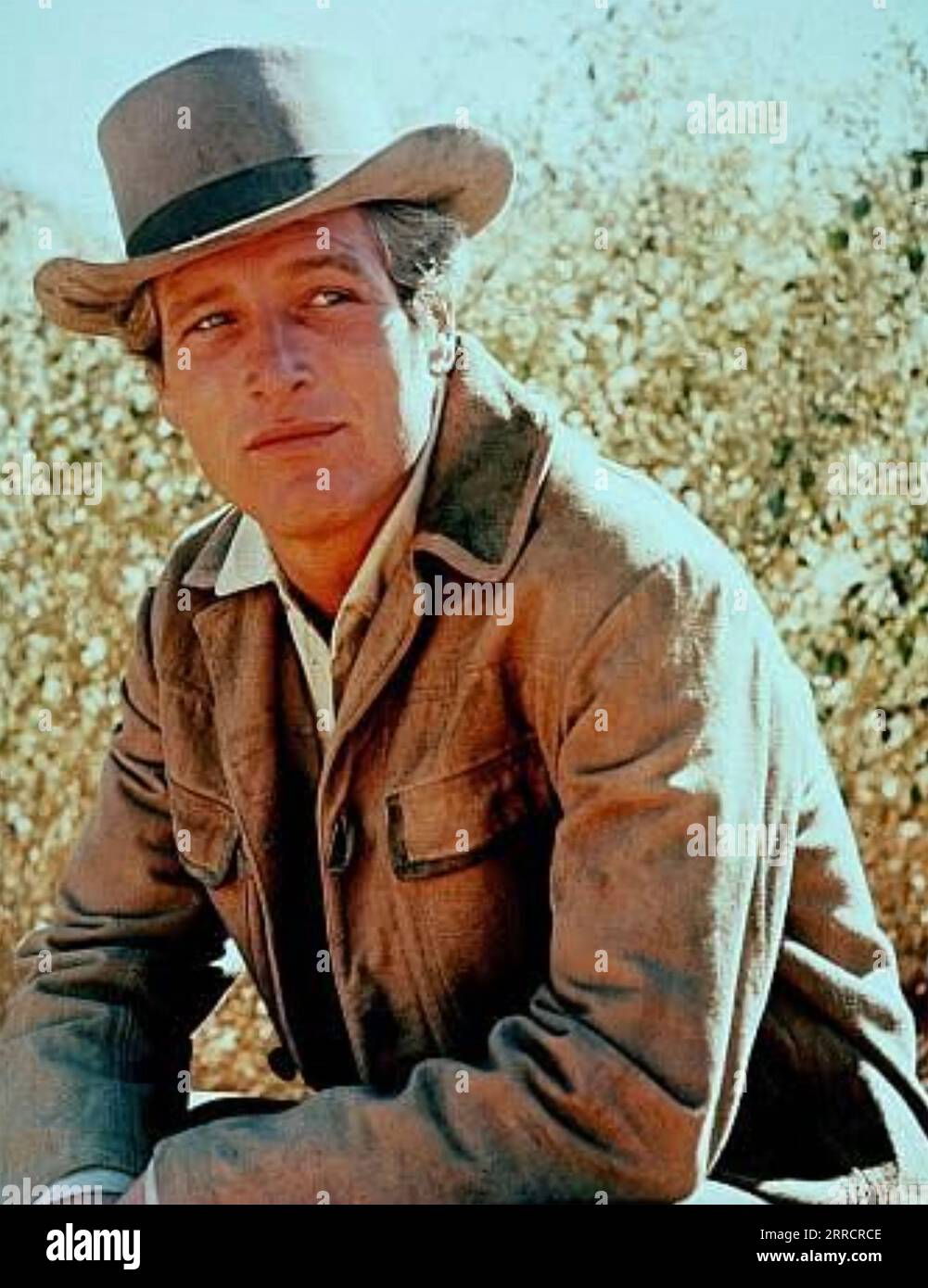
The year 1969 represents the most significant turning point in modern cinema, marking the definitive collapse of the traditional Hollywood studio system and the ascent of the "New Hollywood" movement. This era replaced sanitized, large-scale spectacles with gritty, auteur-driven narratives like Easy Rider and Midnight Cowboy, forever changing how stories are told, rated, and consumed globally.
The Cultural and Historical Context of 1969 Cinema
To understand the films of 1969, one must first recognize the volatile social landscape of the late 1960s. The United States was deeply divided by the Vietnam War, the Civil Rights Movement, and a burgeoning counterculture that rejected the values of the "Greatest Generation." By 2026, film historians have solidified the view that 1969 was the year Hollywood finally caught up with the reality of its audience.
For decades, the Hays Code (the Motion Picture Production Code) had enforced a strict set of moral guidelines on American films. However, by 1968, the code was replaced by the MPAA rating system. 1969 was the first full year of this new freedom, allowing filmmakers to explore themes of violence, sexuality, and drug use with unprecedented honesty. This shift was not merely a pursuit of "shock value" but a necessary evolution to reflect a world that no longer believed in the escapist fantasies of the 1940s and 50s.
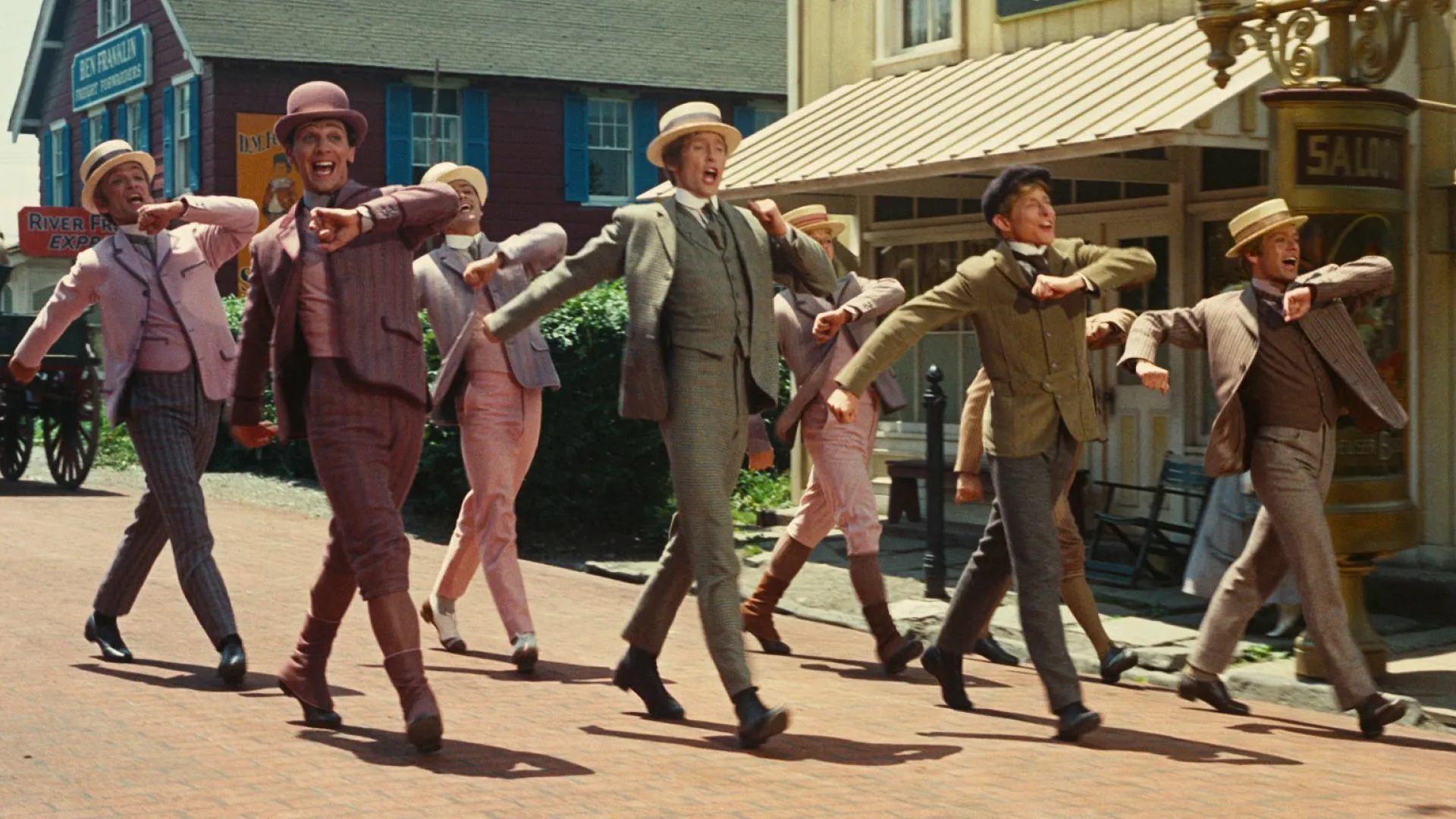
The traditional "Big Five" studios—Paramount, Warner Bros., MGM, 20th Century Fox, and RKO—found themselves in a financial crisis. Their expensive, roadshow-style musicals like Hello, Dolly! (1969) were hemorrhaging money, while low-budget, experimental films were capturing the zeitgeist and the box office.
The "New Hollywood" Movement and Its Impact
The "New Hollywood" or "American New Wave" was characterized by the director-as-auteur, location shooting, and a move away from the "classical" editing style. In 1969, this movement reached its first major peak.
The Rise of the Anti-Hero
Prior to this era, protagonists were generally expected to be morally upright. 1969 shattered this convention. In Midnight Cowboy, the protagonists are a naive Texas hustler and a sickly con man. In The Wild Bunch, they are aging outlaws whose "honor" is defined only by their loyalty to each other amidst a massacre. These films reflected a growing skepticism toward authority and traditional heroism.
Technical Innovations and Aesthetic Shifts
The aesthetics of 1969 films borrowed heavily from the French New Wave. Directors began using jump cuts, handheld cameras, and natural lighting to create a sense of documentary-style realism. Cinematographers like László Kovács (Easy Rider) used long lenses and flare-filled shots that became the visual language of the decade.
Furthermore, the integration of contemporary rock and folk music replaced the traditional orchestral score. Easy Rider famously used a soundtrack featuring The Byrds, Jimi Hendrix, and Steppenwolf, proving that a film's "sound" could be as much of a cultural product as its visuals.
Landmark Films of 1969: A Detailed Analysis
While hundreds of films were released in 1969, a handful defined the year and continue to be studied in film schools as of 2026.
Midnight Cowboy
Directed by John Schlesinger, Midnight Cowboy remains a singular anomaly in film history: it is the only X-rated film to ever win the Academy Award for Best Picture. (Note: The rating was later changed to 'R' without any cuts to the film). It tells the story of Joe Buck (Jon Voight) and "Ratso" Rizzo (Dustin Hoffman), two marginalized men in a decaying New York City. Its success signaled that mainstream audiences were ready for challenging, bleak, and deeply human stories.
Easy Rider
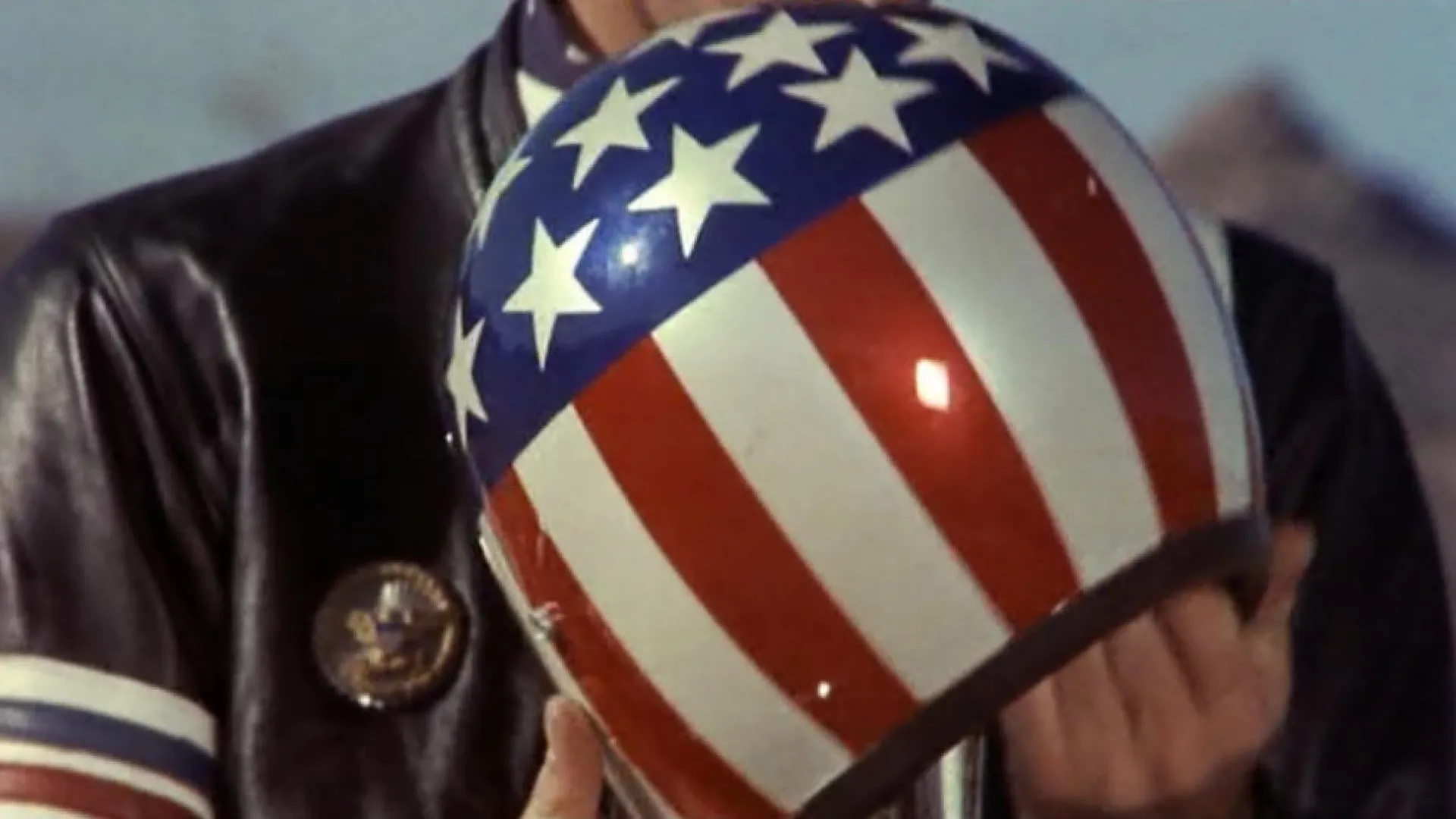
Produced on a meager budget of roughly $400,000, Easy Rider grossed over $60 million. It wasn't just a movie; it was a cultural phenomenon. Directed by Dennis Hopper, the film followed two bikers traveling through the American South. Its "on the road" structure and nihilistic ending spoke to a generation that felt alienated from the American Dream. It proved to the studios that "youth movies" were the future of the industry.
The Wild Bunch
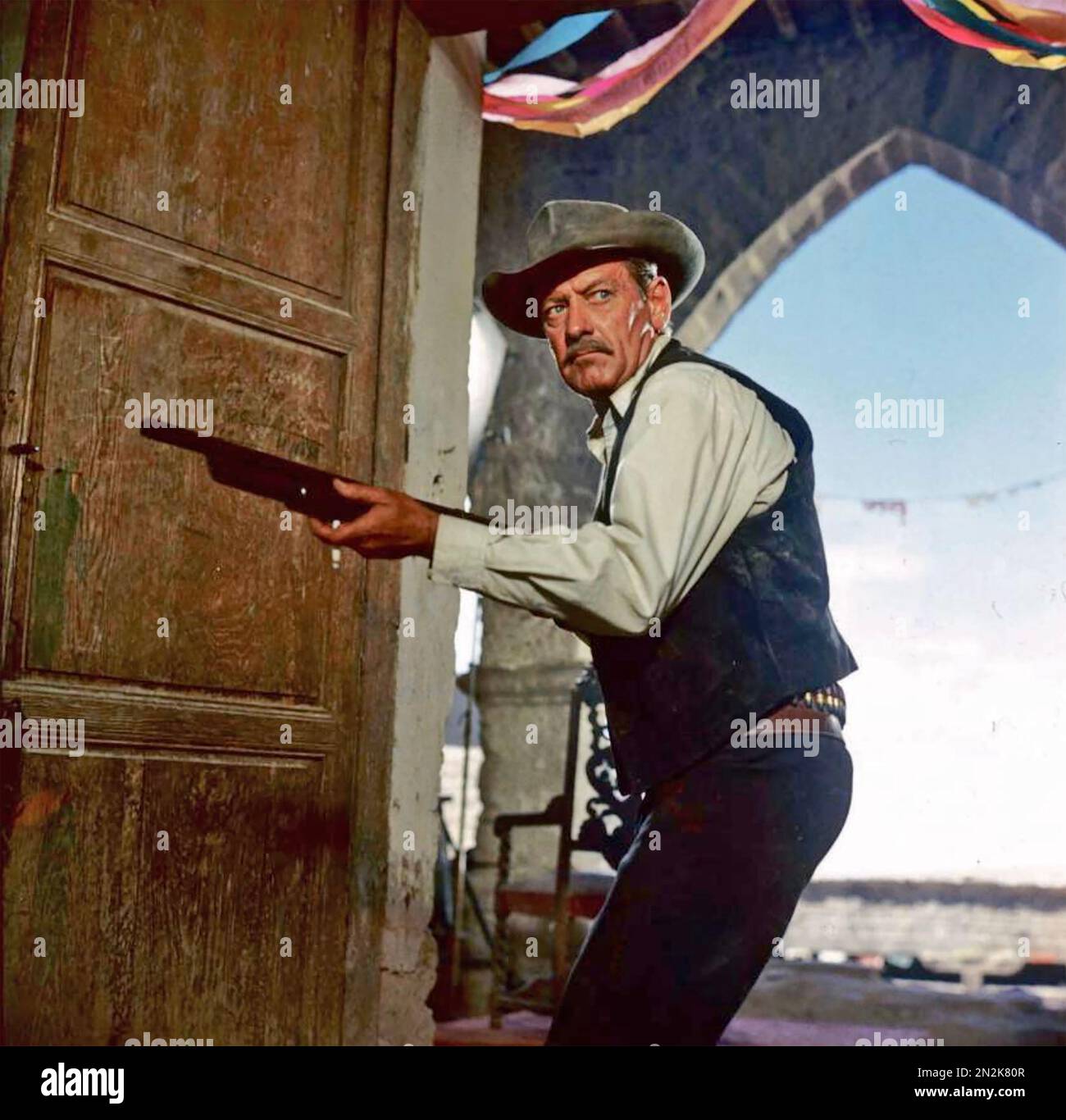
Sam Peckinpah’s The Wild Bunch redefined the Western. By 1969, the Western was considered a dying genre. Peckinpah revived it by injecting extreme graphic violence and a complex moral ambiguity. The film’s final shootout, utilizing 3,621 separate edits, changed the way action sequences were filmed and edited forever. It portrayed the "Old West" not as a land of pioneers, but as a brutal world being erased by the onset of the 20th century.
Butch Cassidy and the Sundance Kid
While The Wild Bunch was gritty, Butch Cassidy and the Sundance Kid was charismatic. Starring Paul Newman and Robert Redford, it became the highest-grossing film of the year. It blended the Western with the "buddy film" tropes, featuring a witty script by William Goldman that felt surprisingly modern. It represented the transition point where Hollywood figured out how to combine New Wave sensibilities with old-school star power.
International Cinema Trends in 1969
While Hollywood was in upheaval, international cinema was experiencing its own revolution. 1969 was a year of intense political and artistic expression across Europe and Asia.
- France: The French New Wave was maturing. Eric Rohmer released My Night at Maud's, a deeply philosophical film that proved audiences would sit through long stretches of dialogue if the intellectual stakes were high enough.
- Algeria/France: Costa-Gavras released Z, a thinly veiled critique of the Greek military junta. It became the first film to be nominated for both Best Picture and Best Foreign Language Film at the Oscars, highlighting the global appetite for political thrillers.
- Italy: Federico Fellini released Fellini Satyricon, a surrealist, fragmented journey through ancient Rome that pushed the boundaries of visual storytelling and cinematic structure.
- Japan: The Japanese New Wave continued to challenge traditional forms, with directors like Nagisa Ōshima exploring social taboos and the disillusionment of the post-war generation.
Comparing the Giants: 1969's Most Influential Releases
The following table compares the key films of 1969 based on their genre, primary innovation, and historical significance as evaluated by 2026 standards.
| Film Title | Director | Primary Genre | Key Innovation / Significance |
|---|---|---|---|
| Midnight Cowboy | John Schlesinger | Drama | Only X-rated Best Picture winner; grit-realism. |
| Easy Rider | Dennis Hopper | Road Movie | Commercialized the counterculture; rock soundtrack. |
| The Wild Bunch | Sam Peckinpah | Western | Revisionist violence; complex montage editing. |
| Butch Cassidy | George Roy Hill | Western/Comedy | Defined the "buddy cop" dynamic; modern dialogue. |
| Z | Costa-Gavras | Political Thriller | Global political commentary; fast-paced editing. |
| Army of Shadows | Jean-Pierre Melville | War/Drama | Minimalist, somber depiction of the Resistance. |
| Bob & Carol & Ted & Alice | Paul Mazursky | Comedy/Drama | Explored sexual revolution and social mores. |
| They Shoot Horses, Don't They? | Sydney Pollack | Drama | Allegory for the Great Depression and nihilism. |
Accessing and Preserving 1969 Classics in 2026
For modern viewers, 1969 films are more accessible than ever, though the methods of consumption have shifted significantly toward high-definition restoration and specialized streaming.
Streaming and Digital Archives
In 2026, the Criterion Channel and BFI Player remain the primary hubs for international and independent 1969 cinema. Major studios have also integrated their 1969 catalogs into tiered streaming services, often featuring "Legacy" sections. Many of these films are now available in 4K or 8K resolution, featuring digital restorations that remove the "film grain" noise of original prints while preserving the color timing intended by the cinematographers.
Physical Media and "Boutique" Labels
For cinephiles, physical media remains the gold standard. Companies like Criterion, Arrow Video, and Kino Lorber have released "Ultimate Editions" of 1969 titles. These releases typically include:
- 4K UHD Transfers: Sourced from original 35mm camera negatives.
- Audio Commentary: Often featuring contemporary directors (like Tarantino or Scorsese) discussing the 1969 influence.
- Restored Soundtracks: Uncompressed mono or stereo tracks that preserve the original sonic environment.
The Importance of Film Preservation
Many films from 1969 were shot on unstable nitrate or early acetate stock. Organizations like the Film Foundation have spent the last several decades ensuring these negatives do not succumb to "vinegar syndrome" (chemical degradation). By 2026, almost all major 1969 releases have been digitally mapped and archived, ensuring that the visual revolution of that year is not lost to time.
The Legacy of 1969 in Modern Filmmaking
The influence of 1969 is visible in nearly every aspect of 2026 cinema. The "blockbuster" era of the late 70s and 80s (Spielberg, Lucas) was a direct reaction to—and evolution of—the creative risks taken in 1969.
- Narrative Ambiguity: Modern "prestige" television and independent film frequently use the open-ended, ambiguous finales popularized by Easy Rider and The Graduate (which paved the way just before 1969).
- Sound Design: The "needle drop" (using a popular song to define a scene) is now a standard tool for directors like Edgar Wright and Greta Gerwig, a technique perfected in the late 60s.
- Visual Realism: The preference for location shooting over studio sets remains the standard for dramas seeking authenticity.
Frequently Asked Questions
Which 1969 film won the Oscar for Best Picture?
The winner was Midnight Cowboy. It beat out Anne of the Thousand Days, Butch Cassidy and the Sundance Kid, Hello, Dolly!, and Z. Its win was considered a massive upset and a signal that the Academy was finally acknowledging the "New Hollywood" movement.
Why is 1969 called the "Year that Changed Movies"?
It is called this because it marked the simultaneous success of counterculture themes and the financial failure of traditional studio "megapics." It was the year the "gatekeepers" of Hollywood lost control to a younger, more experimental generation of filmmakers who prioritized artistic vision over studio formula.
What was the highest-grossing film of 1969?
Butch Cassidy and the Sundance Kid was the top earner, bringing in approximately $102 million during its initial theatrical run. It managed to bridge the gap between the older generation of moviegoers and the younger crowd, making it a massive financial success.
Are there any "lost" films from 1969?
While most major studio releases are preserved, many independent, underground, or regional films from 1969 remain "lost" or are only available in poor-quality bootlegs. This is particularly true for experimental "happenings" and short films that were part of the avant-garde movement in New York and San Francisco.
How did 1969 affect the Western genre?
1969 effectively ended the "mythic" Western where the heroes were purely good and the villains purely evil. Films like The Wild Bunch and Butch Cassidy introduced the Revisionist Western, which portrayed the West as violent, morally complex, and ultimately doomed by the encroachment of modern civilization.
Practical Recommendation for Viewers
If you are looking to explore the cinema of 1969 for the first time, start with a "Triple Feature" that highlights the year's diversity: Butch Cassidy and the Sundance Kid (for the star power and wit), Easy Rider (for the counterculture spirit), and Midnight Cowboy (for the emotional and social depth).
For the best experience in 2026, seek out 4K restorations on physical media or high-bitrate streaming services to appreciate the pioneering cinematography of the era. Understanding 1969 is not just about nostalgia; it is about understanding the DNA of every movie you watch today.