1980s films defined a commercial, aesthetic, and technical turning point in global cinema, marked by the birth of the modern blockbuster, high-concept storytelling, groundbreaking practical effects, and the rise of home video distribution. This era transitioned Hollywood from the gritty, auteur-driven cynicism of the 1970s into an exuberant, youth-oriented pop-culture powerhouse.
The Evolution of the Hollywood Blockbuster and High-Concept Cinema
The cinematic landscape of the 1980s was fundamentally shaped by the commercial blueprints established in the late 1970s with Jaws and Star Wars. During the 1980s, major Hollywood studios realized that films could function not merely as standalone artistic products, but as anchor points for vast, multi-channel merchandising campaigns, soundtracks, and sequels. This gave rise to "high-concept" cinema—movies whose premises could be summarized in a single, easily marketable sentence.
Directors and producers like Steven Spielberg, George Lucas, and Jerry Bruckheimer pioneered a formula that balanced kinetic pacing, archetypal character development, and universally appealing themes. The box office became increasingly reliant on opening-weekend grosses, shifting promotional budgets to saturation-booking television advertising. Consequently, the industry transformed from a producer-and-director-led medium into a corporate-driven enterprise where studio executives actively managed franchises for maximum long-term capitalization.
The Technological Vanguard: Practical Effects, Synthesizers, and Neon Aesthetics
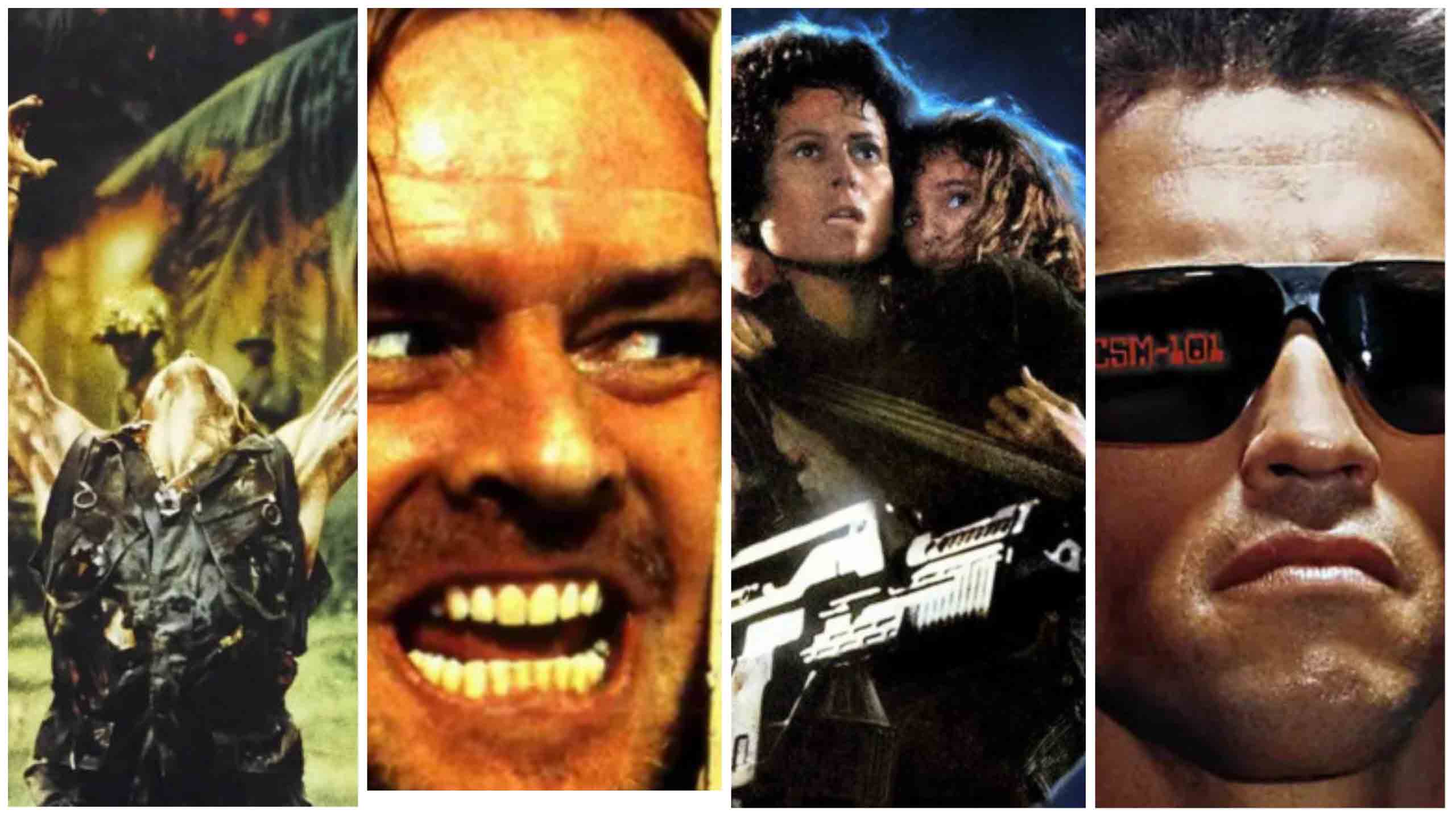
Technological innovation defined the visual and auditory identity of 1980s cinema. Before digital computer-generated imagery (CGI) revolutionized post-production in the following decade, practical effects reached their zenith. Special effects houses, most notably Industrial Light & Magic (ILM) and Stan Winston Studio, engineered marvels using animatronics, stop-motion animation, miniature models, and sophisticated makeup prosthetics. Films like The Thing (1982) and The Terminator (1984) showcased tactile, visceral creature and machine designs that imparted a raw realism to fantastical scenarios.
Simultaneously, the sonic landscape of the decade shifted dramatically. The widespread adoption of polyphonic synthesizers—such as the Yamaha DX7 and Sequential Circuits Prophet-5—allowed composers like John Carpenter, Tangerine Dream, and Vangelis to craft hypnotic, electronic scores that became inseparable from the films they accompanied. Visually, the era embraced high-contrast neon lighting, smoke machines, and anamorphic lens flares, establishing a distinct visual language that has heavily influenced contemporary retro-futuristic media.
Defining Genres of the Decade
The 1980s fostered unprecedented genre hybridization, creating distinct sub-genres that continue to resonate in modern filmmaking.
Science Fiction and Fantasy
Science fiction in the 1980s oscillated between dystopian warnings and optimistic space opera. Ridley Scott’s Blade Runner (1982) established the neo-noir cyberpunk aesthetic, while James Cameron’s Aliens (1986) redefined action-horror through military sci-fi. Simultaneously, fantasy films enjoyed a major resurgence, with enduring works like The Dark Crystal (1982), The Princess Bride (1987), and Labyrinth (1986) utilizing elaborate puppetry and imaginative world-building.
The Teen Comedy and Coming-of-Age Paradigm
The teen film transitioned from exploitative exploitation flicks into nuanced, empathetic coming-of-age narratives, largely thanks to writer-director John Hughes. Films like The Breakfast Club (1985) and Ferris Bueller’s Day Off (1986) validated adolescent emotional realities, addressing socioeconomic class, peer pressure, and familial alienation with wit and sincerity. These movies established a blueprint for modern teen dramedy by honoring adolescent angst without condescension.
Action Cinema and the Muscular Hyper-Reality
Action movies of the decade were dominated by hyper-muscular protagonists embodied by Sylvester Stallone and Arnold Schwarzenegger. Films such as Rambo: First Blood Part II (1985) and Commando (1985) reflected Cold War anxieties and a resurgent American nationalism. Conversely, action cinema also pivoted toward irony and sci-fi satire with Paul Verhoeven’s RoboCop (1987) and John McTiernan’s Die Hard (1988), the latter of which redefined the vulnerable, everyday action hero.
Comparative Overview of 1980s Cinematic Shifts
| Feature / Element | 1970s Cinema Predecessors | 1980s Film Paradigm | Modern Legacy |
|---|---|---|---|
| Primary Production Model | Auteur-driven, director-led studio projects | Corporate high-concept blockbusters & franchises | Intellectual property (IP) universe management |
| Visual Effects Technology | Optical compositing, physical sets, traditional makeup | Advanced animatronics, practical prosthetics, optical effects | Integration of physical sets with digital CGI and LED volumes |
| Home Viewing Market | Theatrical re-runs, limited television syndication | Rapid expansion of VHS rental stores and home video | Subscription streaming services and on-demand digital libraries |
| Musical Scoring | Orchestral scores, jazz-infused crime themes | Synthesizers, electronic soundscapes, pop-song soundtracks | Nostalgic revival of synth-wave and modular orchestration |
The Cultural Impact of Home Video and MTV Aesthetics
The explosive growth of the home video market through the VHS format permanently altered film consumption and distribution. For the first time, audiences could curate private film libraries, leading to the phenomenon of the "midnight movie," cult film appreciation, and the direct-to-video B-movie industry. Independent distributors found viable revenue streams outside major theatrical chains, democratizing access to international and niche cinema.
Furthermore, the launch of MTV in 1981 injected a fast-paced, music-video aesthetic into feature filmmaking. Directors of photography and editors began utilizing rapid cutting, non-linear narrative associations, and pop-song montages to drive momentum. This cross-pollination between music television and motion pictures resulted in commercially driven soundtracks that served as vital marketing tools, ensuring that films resonated in the cultural consciousness long after leaving theater screens.
Frequently Asked Questions
What defined the visual style of 1980s science fiction films?
The visual style relied heavily on practical effects, matte paintings, miniature models, and gritty industrial set designs. Directors frequently utilized smoke machines, deep shadows, and neon lighting to create atmospheric, tactile worlds that felt lived-in and physically real.
How did the home video market change the film industry in the 1980s?
The rise of the VHS format created a lucrative secondary revenue stream for Hollywood studios, extending the financial lifespan of theatrical releases. It also democratized movie accessibility, birthed the rental store culture, and enabled niche genres and B-movies to achieve profitability.
Which filmmakers dominated the commercial success of the 1980s?
Steven Spielberg and George Lucas remained monumental figures through producing and directing massive franchise hits. Other influential directors of the era included James Cameron, Ridley Scott, John Hughes, and Robert Zemeckis, all of whom shaped mainstream audience tastes.
Why are practical effects from the 1980s still celebrated today?
1980s practical effects—such as animatronics, creature suits, and optical illusions—possess a physical weight and spatial presence that digital effects often struggle to replicate. Actors interacted with real objects and physical environments on set, leading to more authentic performances and enduring visual craftsmanship.
What role did music play in 1980s cinema?
Music transitioned from traditional orchestral underscore to include prominent synthesizer compositions and commercial pop-rock songs. Soundtracks functioned as dual marketing tools, with chart-topping singles driving box-office interest and defining the emotional tone of youth-oriented narratives.
Practical Next Steps for Enthusiasts
For those seeking to explore or reexamine the cinema of this decade, begin by stepping beyond the mainstream blockbusters to investigate the international art-house scene, independent horror, and early cyberpunk releases of the period. Utilizing specialized streaming archives, physical media restoration labels like Criterion or Arrow Video, and historical film analyses can provide a comprehensive understanding of how 1980s films constructed the contemporary entertainment landscape.