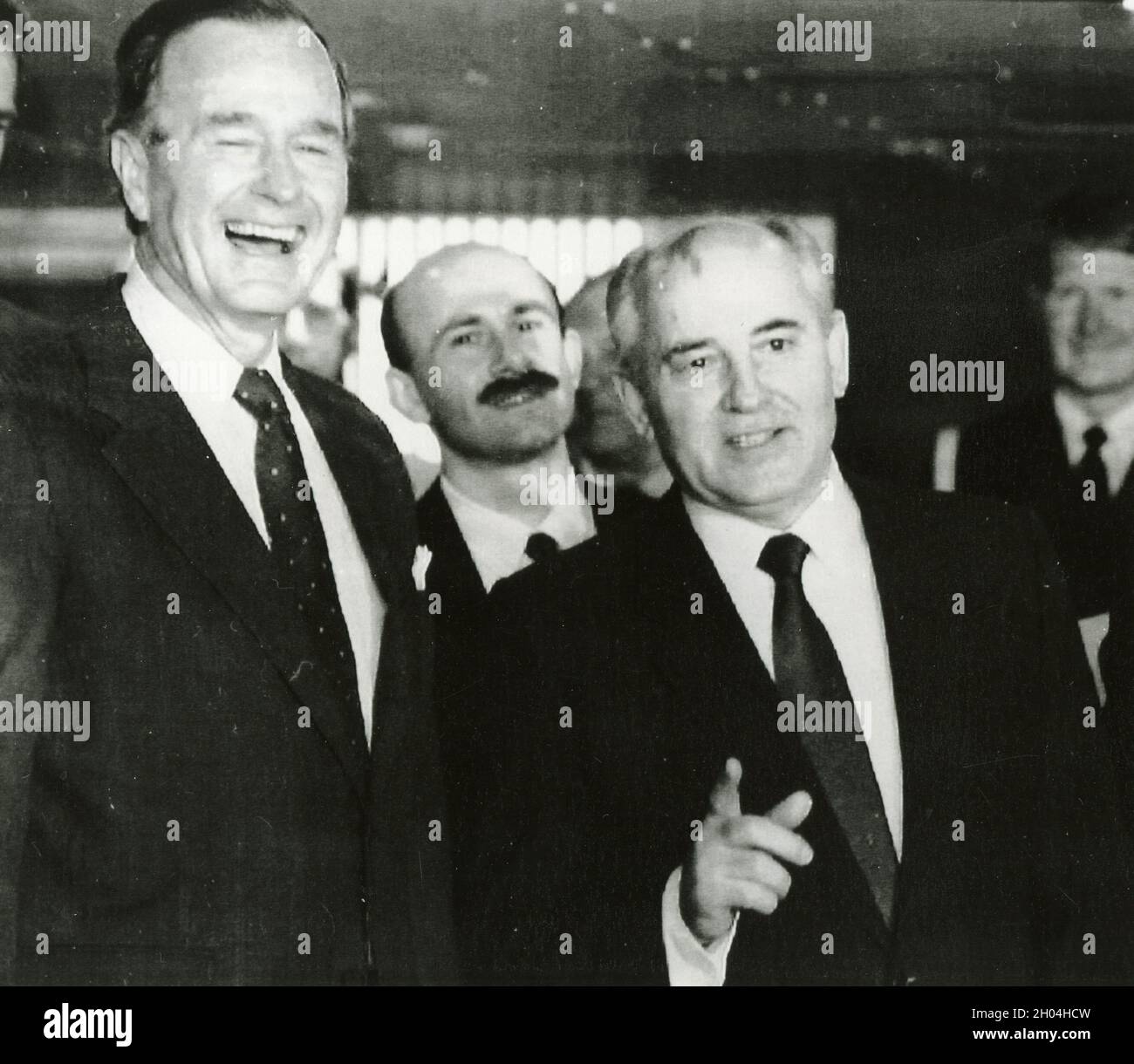
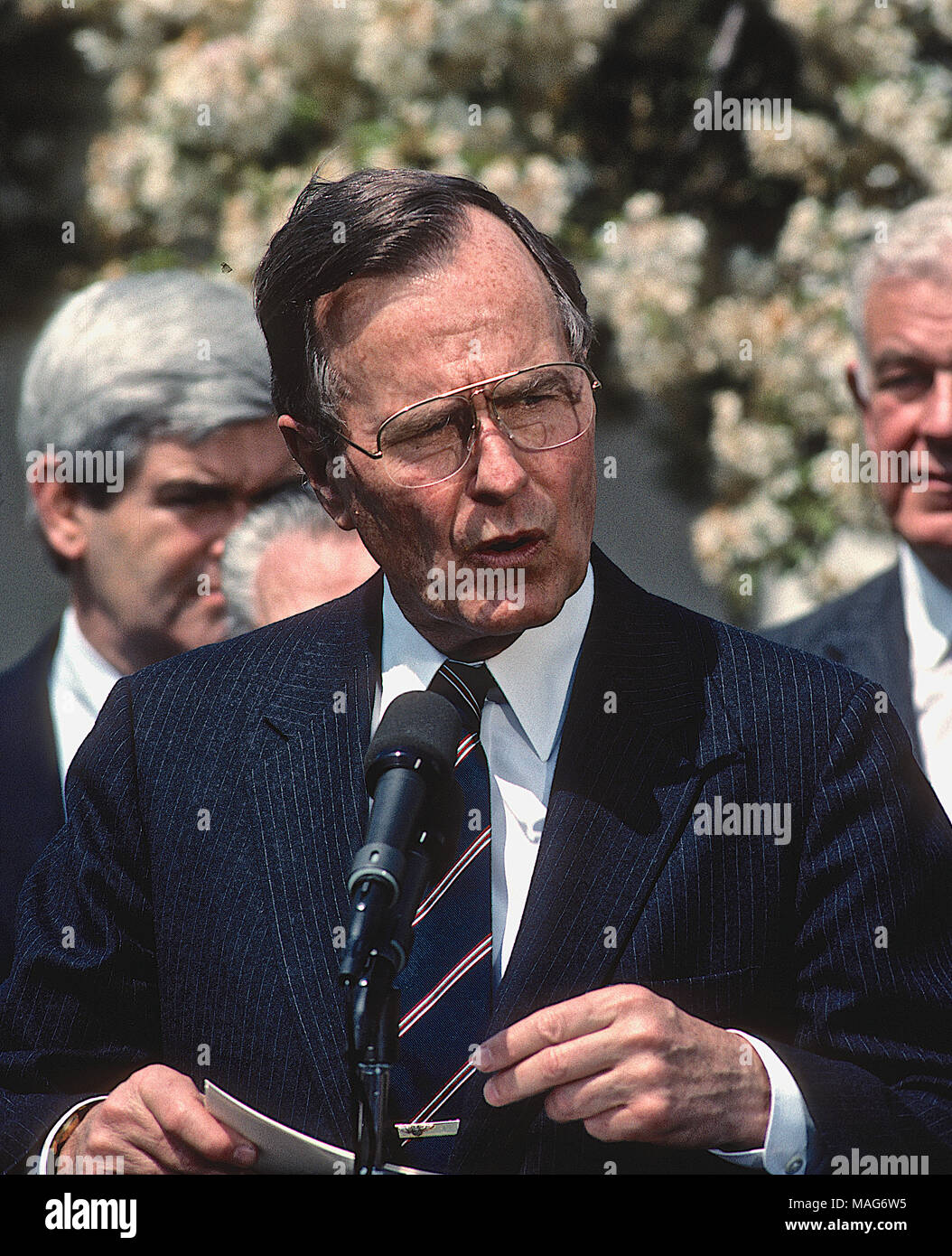
The year 1989 marked a historic turning point for the United States presidency, defined by the final months of Ronald Reagan’s administration and the inauguration of George H.W. Bush as the 41st president. This pivotal twelve-month period witnessed monumental geopolitical transformations, including the collapse of the Eastern Bloc, the decline of the Soviet Union, and major military interventions abroad.
The Transition from Reagan to Bush: Continuity and Change
The political landscape of 1989 began with the final weeks of Ronald Reagan’s second term. Having served eight years in the White House, Reagan left office in January 1989 with high public approval ratings, having presided over a significant period of economic expansion and a renewed military buildup that altered the trajectory of the Cold War. His vice president, George Herbert Walker Bush, won the presidential election of November 1988, defeating Democratic nominee Michael Dukakis.
When Bush took the oath of office on January 20, 1989, he inherited a complex domestic and international legacy. While Bush promised to build upon the successes of the Reagan administration, political observers and historians noted distinct differences in style and temperament between the two men. Reagan was celebrated for his grand ideological rhetoric and visionary communication, whereas Bush favored a pragmatic, managerial approach to governance rooted in his extensive experience as a congressman, diplomat, CIA director, and vice president.
Key Executive Personnel and Cabinet Structure
To execute his agenda, President George H.W. Bush assembled a cabinet composed of seasoned public servants and foreign policy veterans. This emphasis on experience reflected Bush's personal philosophy that governance required deep institutional knowledge and steady hands.
- James Baker: Appointed as Secretary of State, Baker became one of the most influential members of the administration, steering foreign policy through the delicate collapse of the Soviet empire and orchestrating the international coalition during the Gulf crisis.
- Dick Cheney: Selected as Secretary of Defense after the Senate rejected the nomination of John Tower, Cheney brought extensive legislative and executive experience to the Pentagon.
- John Sununu: Served as White House Chief of Staff, acting as a gatekeeper and domestic policy coordinator during the early years of the administration.
- Richard Darman: Appointed as Director of the Office of Management and Budget, tasked with navigating persistent federal budget deficits.
Major Domestic Challenges and Legislative Actions
Although foreign policy often dominated headlines in 1989, the Bush administration faced pressing domestic issues, particularly regarding the economy, federal debt, and environmental regulation. During his campaign, Bush famously invoked the words of the Massachusetts state platform to pledge, "Read my lips: no new taxes." This commitment became a defining political constraint that shaped his economic policies throughout his term.
The Savings and Loan Crisis
One of the most immediate financial hurdles facing the new president was the ongoing Savings and Loan (S&L) crisis. Hundreds of thrift institutions faced insolvency due to deregulation, risky investments, and fraudulent practices in the real estate and financial sectors. In response, President Bush proposed and signed the Financial Institutions Reform, Recovery, and Enforcement Act (FIRREA) of 1989. This major piece of legislation restructured federal regulatory agencies, provided billions of dollars to bail out depositors, and established the Resolution Trust Corporation to liquidate failed thrifts. It represented the largest federal bailout of the financial system up to that time.
Environmental Policy and the Clean Air Act
Despite being perceived by some contemporaries as less environmentally focused than his predecessor, President Bush championed a major revision of the Clean Air Act. Working with a Democratic-controlled Congress, the administration supported market-based solutions to environmental problems, most notably the implementation of a cap-and-trade system for sulfur dioxide emissions to combat acid rain. This legislative victory demonstrated the administration's willingness to pursue bipartisan solutions on domestic matters.
Foreign Policy and the Turning Point of 1989
The year 1989 is etched into global history primarily because of foreign affairs. The presidency played a central role in managing the collapse of communism in Eastern Europe and executing decisive military actions in Latin America.
The Collapse of the Berlin Wall and the Eastern Bloc
When anti-communist revolutions swept through Eastern Europe in the autumn of 1989, culminating in the opening of the Berlin Wall on November 9, the Bush administration faced a profound diplomatic test. Prudence was the hallmark of Bush’s foreign policy during this period. Rather than engaging in triumphalism that might provoke a hardline military response from Soviet leadership under Mikhail Gorbachev, Bush and National Security Advisor Brent Scowcroft adopted a measured, cautious posture. This strategy helped facilitate the peaceful dissolution of the Soviet sphere of influence without triggering military conflict between the superpowers.
Operation Just Cause: The Invasion of Panama
In contrast to the diplomatic restraint shown in Europe, the Bush administration demonstrated decisive military force in the Western Hemisphere. On December 20, 1989, President Bush ordered Operation Just Cause, deploying over 25,000 U.S. troops to Panama to depose military dictator General Manuel Noriega. The operation aimed to protect American citizens, safeguard the Panama Canal, combat drug trafficking, and bring Noriega to face federal drug charges in the United States. While the intervention met with condemnation from the United Nations General Assembly and the Organization of American States, it achieved its military objectives swiftly and enjoyed domestic public support.
Overview of 1989 Presidential Milestones
| Date / Period | Event | Significance |
|---|---|---|
| January 20, 1989 | Inauguration of George H.W. Bush | Marked the transition from the Reagan administration to the 41st presidency. |
| August 9, 1989 | Signing of FIRREA of 1989 | Addressed the Savings and Loan crisis by restructuring federal deposit insurance and regulation. |
| December 2–3, 1989 | Malta Summit | Informal meeting between Bush and Gorbachev that signaled the effective end of the Cold War. |
| December 20, 1989 | Launch of Operation Just Cause | Military intervention in Panama resulting in the removal of General Manuel Noriega. |
Frequently Asked Questions
Who was the president of the United States in 1989?
The United States was served by two presidents in 1989. Ronald Reagan completed his second term, leaving office on January 20, 1989. George H.W. Bush was inaugurated as the 41st president on that same day and served for the remainder of the year.
What were the major foreign policy events during the 1989 presidency?
The defining foreign policy events of 1989 included the peaceful revolutions in Eastern Europe, the fall of the Berlin Wall, the Malta Summit between Bush and Soviet leader Mikhail Gorbachev, and the U.S. military invasion of Panama to remove Manuel Noriega.
How did the 1989 administration address the Savings and Loan crisis?
President Bush signed the Financial Institutions Reform, Recovery, and Enforcement Act (FIRREA) of 1989. This law overhauled the regulatory structure of the thrift industry, provided federal funds to protect depositors, and created the Resolution Trust Corporation to manage failed assets.
What was the significance of the Malta Summit in December 1989?
Held between President George H.W. Bush and Soviet leader Mikhail Gorbachev on the island of Malta, the summit served as a crucial dialogue where both leaders discussed the rapidly changing geopolitical landscape in Europe, effectively signaling the conclusion of the Cold War era without formal treaty negotiations.
Why did President Bush order military action in Panama in 1989?
Operation Just Cause was launched to protect American lives, defend democracy in Panama, combat international drug trafficking networks controlled by General Manuel Noriega, and ensure the security of the Panama Canal.
Conclusion and Historical Assessment
The presidency in 1989 bridged two distinct eras in American and world history. By navigating the delicate transition from the Reagan administration to a new geopolitical reality, the executive branch managed economic turmoil at home while responding with strategic patience and decisiveness abroad. The events of 1989 set the stage for the post-Cold War international order and reshaped the domestic and foreign policy priorities of the United States for the final decade of the twentieth century.