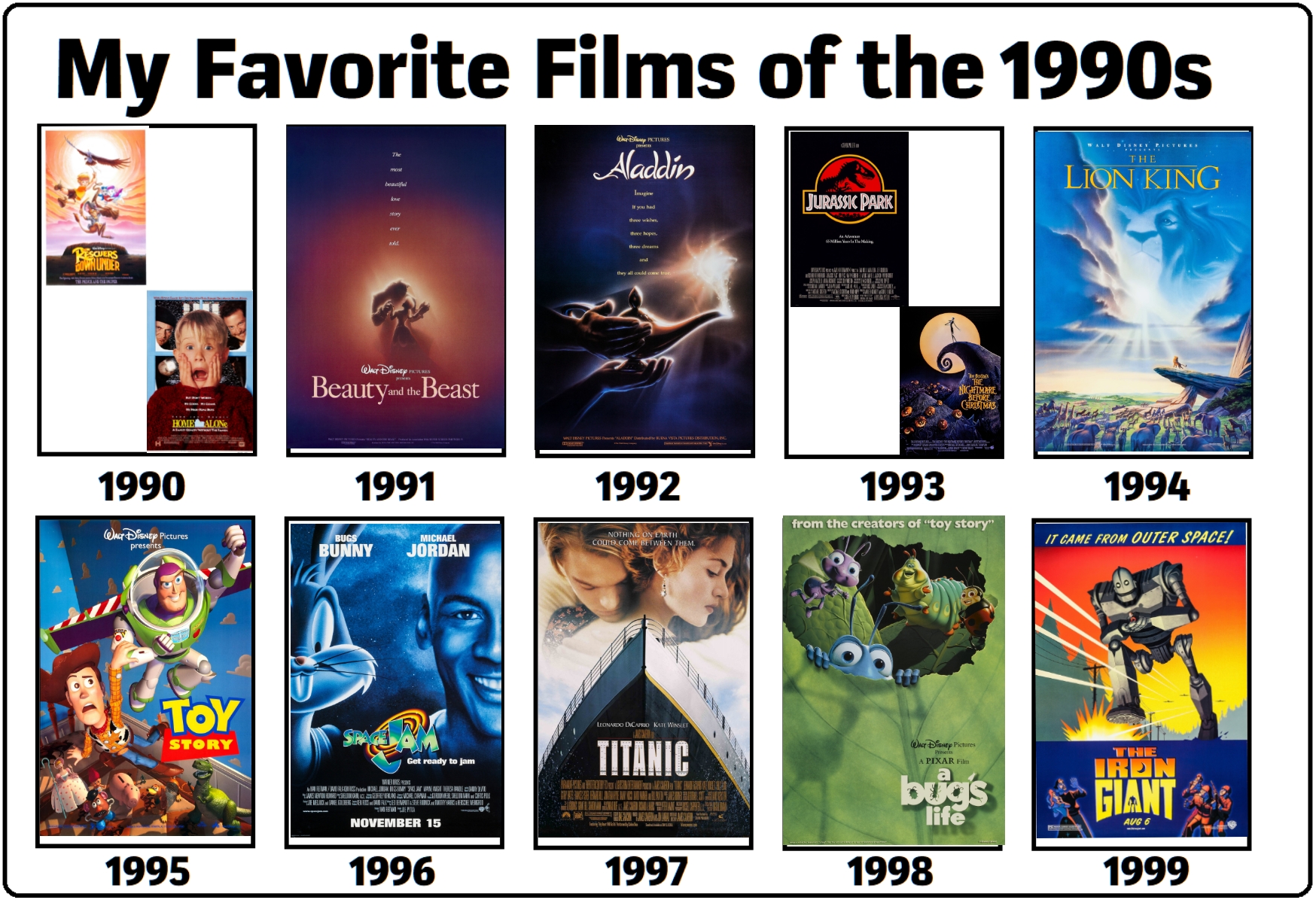
Forging a 1990s film career required navigating a historic transitional landscape where the towering studio system of classical Hollywood collided with an unprecedented explosion of independent cinema. For actors, directors, screenwriters, and below-the-line crew members, breaking into the industry meant mastering traditional celluloid production while adapting to shifting financing models, burgeoning film festivals, and the dawn of digital marketing. Understanding how professionals built, sustained, and evolved their careers during this decade reveals the foundational shifts that continue to shape the modern entertainment industry.
The Cinematic Landscape of the 1990s
The 1990s represented a fascinating dichotomy in American and international filmmaking. On one hand, major Hollywood studios consolidated under massive corporate conglomerates, prioritizing high-budget blockbusters, high-concept action pictures, and lucrative merchandising tie-ins. On the other hand, the decade witnessed the birth of the modern American independent film movement. Landmark successes by independent distributors like Miramax, Fine Line Features, and October Films proved that low-budget auteur-driven cinema could achieve both critical acclaim and mainstream commercial viability.
For career-seekers entering the industry during this era, this dual structure provided distinct pathways. Studio career tracks often demanded adherence to guild regulations, multi-picture option contracts, and a deep understanding of mainstream audience demographics. Conversely, the independent route favored networking at premier festival circuits—most notably Sundance, which emerged in the 1990s as a primary launchpad for fresh talent. Aspiring filmmakers learned to stretch limited budgets, leverage 16mm or low-cost 35mm stock, and rely on provocative storytelling and distinct directorial voices rather than massive special effects spectacles.
Furthermore, the globalization of cinema opened new doors. International co-productions became common, allowing European, Asian, and Latin American filmmakers to cross over into Western markets. Figures like Quentin Tarantino, Richard Linklater, Spike Lee, and Sofia Coppola defined an era where artistic independence could rapidly translate into institutional power within the studio system.
Entry Pathways and Apprenticeship Roles
Entering the film industry in the 1990s relied heavily on physical networking, physical submission portfolios, and traditional apprenticeship structures. Unlike the decentralized digital landscape of the twenty-first century, early-career professionals in the 1990s depended on local geographic hubs—primarily Los Angeles and New York City—to secure foundational roles.
Above-the-Line Entry: Writers and Actors
- Screenwriters: Writers typically broke in by submitting physical spec scripts through registered literary agents or entertainment attorneys. The "script reader" or "coverage writer" system at agencies and production companies was the primary gatekeeper. Winning script competitions or securing representation through a showcase was often essential to getting material onto a studio executive's desk.
- Actors: The traditional trajectory involved studying at reputable institutions (such as the Actors Studio, Juilliard, or regional theater companies), signing with a talent agent or personal manager, and auditioning rigorously through casting offices. Joining the Screen Actors Guild (SAG) remained a critical milestone, achieved by securing union-covered background work or principal roles.
Below-the-Line and Production Roles
For technical crew members, cinematographers, editors, and production assistants (PAs), the career ladder was strictly hierarchical.
- Production Assistants: Serving as a PA was the ubiquitous entry point. PAs handled administrative tasks, crowd control, and equipment transport, building a reputation for reliability under intense physical conditions.
- Guild Apprenticeships: Cinematographers and camera operators often began as second assistants, pulling focus and loading film magazines—a task requiring absolute precision, as a single error could ruin expensive physical celluloid.
- The Editing Room: Editors transitioned from apprentice editors or assistant editors, cutting workprints on flatbed editing machines like KEMs and Steinbecks before the widespread adoption of non-linear digital systems like Avid Media Composer late in the decade.
The Technological Transition: Celluloid, Digital, and Editing
A defining characteristic of a 1990s film career was navigating a period of profound technological transition. While traditional 35mm and 16mm photochemical film remained the absolute industry standard for principal photography, the digital revolution began taking its first tentative steps, fundamentally altering post-production and visual effects.
| Production Phase | Traditional 1990s Method | Emerging Technological Shift |
|---|---|---|
| Principal Photography | 35mm / 16mm Celluloid Stock | Early digital video experimentation |
| Editing & Assembly | Physical Film Strips on KEM/Flatbed | Avid Media Composer (Non-Linear) |
| Visual Effects (VFX) | Practical Models, Optical Printers | CGI Integration (e.g., Jurassic Park) |
| Sound Design | Analog Magnetic Tape / Dolby SR | Digital Audio Workstations (DAWs) |
For editors and sound designers, mastering non-linear editing (NLE) software became a major career differentiator. Professionals who quickly learned Avid systems found themselves in high demand, as studios recognized the immense time and cost savings of digital rough cuts. Meanwhile, visual effects artists experienced a massive paradigm shift following the release of Jurassic Park (1993) and Toy Story (1995), pivoting away from traditional stop-motion and optical printer techniques toward computer-generated imagery (CGI). Building a career in VFX during this decade required adapting rapidly to complex 3D animation software packages.
Economic Realities and Guild Representation
Sustaining a long-term film career in the 1990s required careful navigation of labor unions, health insurance thresholds, and residual payments. Hollywood trade unions—including the Directors Guild of America (DGA), Writers Guild of America (WGA), Screen Actors Guild (SAG), and the International Alliance of Theatrical Stage Employees (IATSE)—enforced strict wage minimums, working hour limits, and safety regulations.
- The Health and Pension Threshold: To maintain union-backed healthcare and pension benefits, workers had to earn a specific minimum amount within a qualifying calendar year. For freelance crew members and job-to-job actors, meeting these thresholds was a constant professional imperative.
- Residuals: A major pillar of career financial stability was the residual system. Whenever a film was broadcast on television, syndicated, or distributed on home video (VHS and emerging LaserDisc formats), participants received residual checks. For mid-level actors and writers, these payments provided crucial financial security between production gigs.
- Independent Budgeting: Working in the independent sector often meant operating under low-budget or ultra-low-budget guild agreements, which offered lower upfront pay deferred against future backend profits. Balancing deferred-compensation projects with commercial studio work was a delicate financial juggling act for independent filmmakers.
Common Career Mistakes and Pitfalls
Building a sustainable career in the film industry during this era was fraught with professional hazards. Avoiding these common mistakes often determined whether an industry professional achieved longevity.
- Relocating Without a Safety Net: Moving to Los Angeles or New York without sufficient savings or a concrete professional contact network frequently led to burnout. The high cost of living required many aspiring professionals to take flexible survival jobs while pursuing creative work.
- Failing to Master the Business Side: Many creative professionals neglected the legal, financial, and contractual aspects of filmmaking. Understanding copyright law, chain-of-title documentation, and basic contract negotiation was vital to preventing exploitation by unscrupulous producers.
- Overreliance on a Single Format or Medium: Technicians who resisted the shift toward digital editing or advanced sound design found their skill sets obsolete by the end of the decade. Versatility and continuous learning were essential survival traits.
- Ignoring the Festival Circuit Economics: Independent filmmakers sometimes spent their entire budgets on production without reserving adequate capital for film festival submission fees, travel, and aggressive marketing campaigns necessary to secure distribution deals.
Frequently Asked Questions
How did actors secure representation in the 1990s?
Actors typically secured representation by showcasing their work in theater productions, student films, or local showcases, and submitting physical headshots and resumes via mail or industry referral to talent agencies. Mass-market casting databases did not exist in digital form, making personal recommendations and professional relationships paramount.
What role did the Sundance Film Festival play in 1990s film careers?
Sundance evolved during the 1990s into the definitive launchpad for independent filmmakers. A breakout success or acquisition at the festival—such as Quentin Tarantino with Reservoir Dogs or Robert Rodriguez with El Mariachi—could instantly transform an unknown regional filmmaker into an internationally recognized auteur with studio backing.
How did the rise of VHS impact a filmmaker's career sustainability?
The home video boom created a secondary market that extended the commercial life of feature films. For independent and genre filmmakers, successful direct-to-video distribution deals provided reliable revenue streams, financed subsequent projects, and ensured steady employment for crews and cast members outside the major studio system.
Was a formal film school degree required to work in 1990s Hollywood?
A formal film school degree (from institutions like USC, NYU, or UCLA) was not strictly required, but it provided invaluable networking access. Many successful professionals broke in directly through entry-level production assistant jobs, proving their capability on physical sets rather than through academic credentials.
Next Practical Actions for Industry Research
For those researching or analyzing 1990s film history, the most productive next steps include reviewing primary source guild documentation, examining contemporary trade publications such as Variety and The Hollywood Reporter from that decade, and studying oral histories from independent production companies like October Films and Good Machine. Analyzing the production budgets, financing structures, and distribution contracts of benchmark 1990s independent films offers concrete insights into the economic realities of the era.