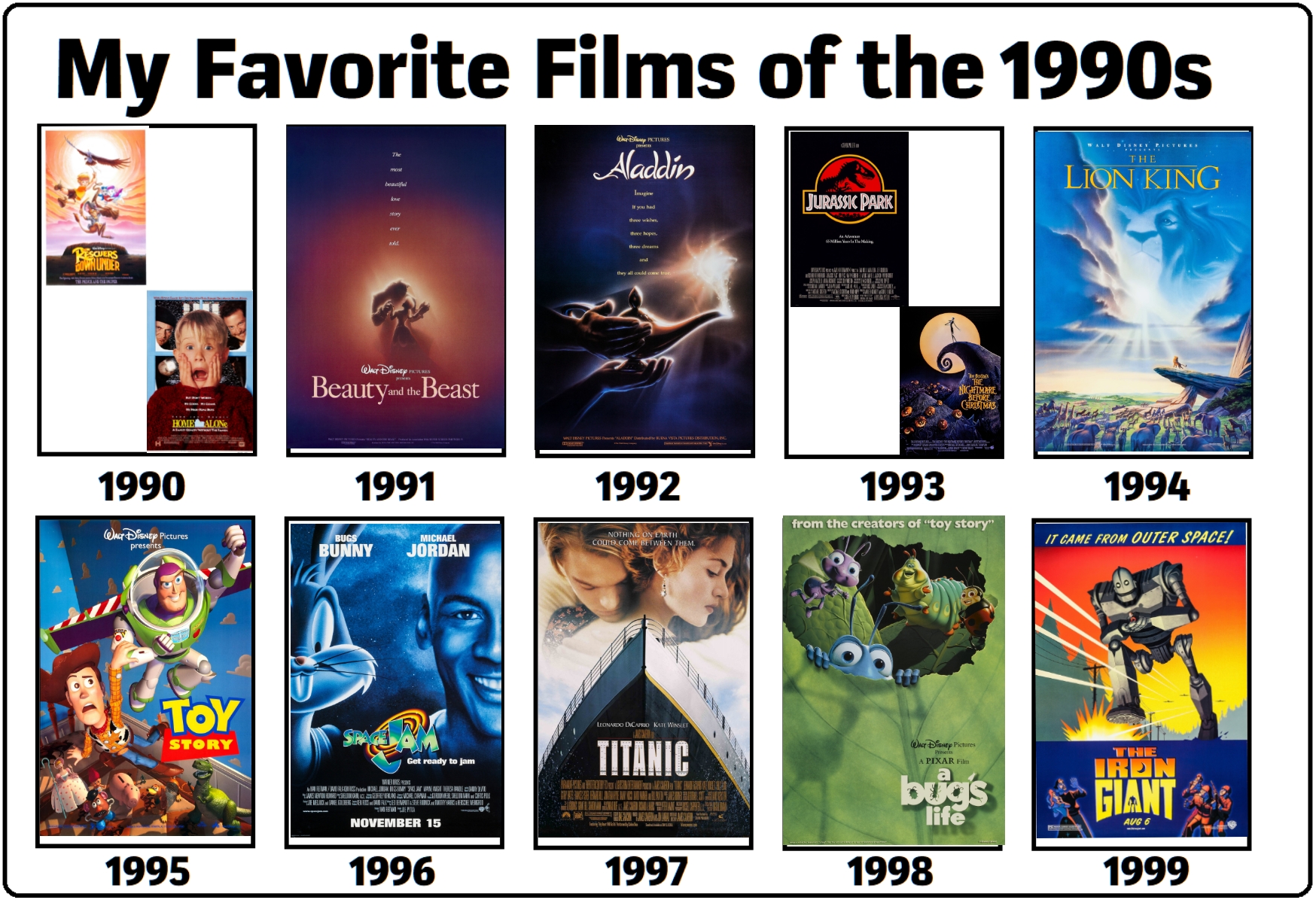
The cinematic landscape of the 1990s was defined by a monumental transition from traditional analog filmmaking to the dawn of computer-generated imagery, alongside a massive boom in independent cinema that reshaped mainstream distribution, audience expectations, and global storytelling standards.
Introduction to the Cinematic Landscape of the 1990s
The 1990s represented a pivotal decade in motion picture history, bridging the gap between the blockbuster-obsessed studio system of the 1980s and the digital era of the 21st century. This period saw the maturation of independent cinema as a commercial powerhouse, the widespread introduction of computer-generated imagery (CGI) that fundamentally changed visual effects, and a diversification of narrative structures that embraced irony, moral ambiguity, and postmodernism.
For cinephiles, historians, and casual viewers alike, understanding 1990s films requires examining how socio-economic shifts, rapid technological advancements in sound and projection, and changing studio economics converged. Major Hollywood studios restructured their operations around high-concept event pictures, while specialty divisions nurtured risk-taking auteurs. Analyzing this era provides deep insight into modern franchise filmmaking, streaming content curation, and contemporary aesthetic conventions.
The Independent Film Boom and Sundance Phenomenon
The most radical institutional shift of the decade was the commercial explosion of independent cinema. Driven by changing distribution models and the rise of dedicated specialty divisions within major studios—such as Miramax, Sony Pictures Classics, and New Line Cinema—movies made on modest budgets found unprecedented box office success and critical acclaim.
The Rise of Auteur Voices
Independent films of this era offered an alternative to the high-gloss, high-budget formulas dominating mainstream multiplexes. Filmmakers such as Quentin Tarantino, Richard Linklater, Spike Lee, Steven Soderbergh, and Paul Thomas Anderson emerged with distinct authorial voices. Their work prioritized sharp, naturalistic dialogue, morally complex characters, and non-linear storytelling.
- Quentin Tarantino’s Impact: With Reservoir Dogs (1992) and Pulp Fiction (1994), Tarantino demonstrated that dialogue-heavy, violent, and referential crime narratives could capture mainstream cultural zeitgeists while turning a substantial profit.
- The Sundance Festival as a Catalyst: The Sundance Film Festival evolved from a regional showcase into the premier global launchpad for independent talent, establishing a formalized marketplace for arthouse and low-budget acquisitions.
- Studio Specialty Divisions: Major conglomerates realized the financial and prestige value of indie-leaning subsidiaries, allowing them to capture younger, more educated demographics without risking core studio capital on traditional blockbusters.
Narrative Subversion and Postmodernism
Independent and studio films alike embraced postmodern irony. Rather than relying on straightforward hero’s journeys, 1990s movies frequently deconstructed genre conventions. Neo-noir revivals like Blood Simple style thrillers evolved into deeply cynical examinations of human behavior, while comedies mocked the very institutions they portrayed. This self-awareness resonated with a generation of viewers fatigued by the earnestness of previous decades.
Technological Evolution: The Transition to CGI and Sound Design
Technological innovation fundamentally altered how films were produced, marketed, and experienced in theaters. The decade began with practical effects reigning supreme and concluded with digital tools taking center stage, forever altering the boundaries of visual possibility.
The CGI Revolution
The release of James Cameron’s Terminator 2: Judgment Day (1991) and Steven Spielberg’s Jurassic Park (1993) marked the definitive tipping point for digital visual effects. While earlier films experimented with computer graphics in isolated sequences (such as Tron or The Abyss), the 1990s integrated CGI seamlessly into live-action storytelling.
| Film Title | Release Year | Primary Technological Milestone | Impact on Industry |
|---|---|---|---|
| Terminator 2: Judgment Day | 1991 | Advanced fluid-metal CGI character animation | Proved digital characters could carry dramatic weight alongside human actors. |
| Jurassic Park | 1993 | Photorealistic hybrid of animatronics and CGI dinosaurs | Established digital effects as the new standard for creature features. |
| Toy Story | 1995 | First entirely computer-animated feature film | Launched Pixar and transformed the animation landscape away from traditional 2D cells. |
| The Matrix | 1999 | Popularization of "bullet time" and digital composition | Redefined action choreography and sci-fi aesthetic styling for the coming decade. |
Sound Design and Exhibition Standards
The 1990s also revolutionized auditory experiences. The widespread adoption of digital sound formats—specifically Dolby Digital, DTS (Digital Theater Systems), and SDDS (Sony Dynamic Digital Sound)—allowed sound designers to utilize multi-channel discrete audio tracks. Cinemas underwent massive upgrades to THX certification standards, ensuring that theatergoers experienced dynamic range, directional sound, and bass frequencies previously confined to mixing studios.
The Blockbuster Blueprint and Global Distribution
While independent cinema thrived, the mainstream blockbuster blueprint solidified into the high-concept, summer-release model that persists today. Studios recognized that films could serve as anchor points for expansive merchandising campaigns, international box-office exploitation, and soundtrack album sales.
The Rise of the Global Box Office
During this decade, international box-office receipts grew exponentially, making foreign markets critical to a film's financial viability. Action stars like Arnold Schwarzenegger, Sylvester Stallone, Bruce Willis, and Tom Cruise enjoyed unprecedented global recognition. Films were increasingly designed with visual storytelling and easily translatable concepts that transcended language barriers.
Disaster Epics and Event Cinema
The apex of 1990s blockbuster filmmaking arrived with James Cameron’s Titanic (1997). Combining historical romance with state-of-the-art practical and digital effects, it became the highest-grossing film in history up to that point. Its success demonstrated the immense cultural gravity of event cinema, where going to the theater was treated as a mandatory communal ritual.
| Genre / Subgenre | Defining Characteristics | Key Examples |
|---|---|---|
| Sci-Fi Action | High-concept premises, dystopias, early CGI integration | The Matrix, Independence Day, The Fifth Element |
| Romantic Comedy | Charismatic leads, urban settings, witty banter | Sleepless in Seattle, My Best Friend's Wedding, Notting Hill |
| Psychological Thriller | Cat-and-mouse dynamics, serial killers, twist endings | The Silence of the Lambs, Se7en, The Usual Suspects |
| Neo-Noir | Moral ambiguity, fatalism, intricate double-crosses | L.A. Confidential, Fargo, Basic Instinct |
The Animation Renaissance
Traditional and digital animation experienced a massive commercial and artistic resurgence during the 1990s, shifting animation from a purely children's medium into globally appealing four-quadrant entertainment.
Disney’s Second Golden Age
Walt Disney Feature Animation experienced a creative and financial peak known as the Disney Renaissance, beginning with The Little Mermaid (1989) and extending through the decade with masterpieces like Beauty and the Beast (1991), Aladdin (1992), and The Lion King (1994). These films married Broadway-style musical structures with sophisticated animation techniques, attracting massive adult audiences alongside family demographics.
The Pixar Disruption
Concurrent with Disney's traditional cel-animation dominance, Pixar Animation Studios released Toy Story in 1995. Distributed by Disney, it proved that computer animation could sustain feature-length narratives while offering emotional depth, clever writing, and technical precision that bypassed the limitations of traditional hand-drawn processes.
Cultural Legacy and Preservation
As physical media formats transitioned from VHS to DVD, and later to high-definition streaming, the cinema of the 1990s became heavily mythologized. Retrospectives, physical media boutique labels (such as The Criterion Collection and Arrow Video), and dedicated streaming archives ensured that the era's diverse output remained accessible to new generations of filmmakers and scholars.
Preservation efforts by organizations like the Library of Congress and the Film Foundation highlighted the urgent need to protect celluloid prints from vinegar syndrome and physical degradation, cementing 1990s films as crucial cultural artifacts of the late 20th century.
Frequently Asked Questions
What defined the visual style of 1990s films?
The visual style of the era was marked by a transitional aesthetic that paired gritty, handheld cinematography in independent dramas with slick, high-contrast lighting and early CGI in mainstream blockbusters. Directors experimented heavily with color timing, saturated neon tones in urban thrillers, and wide-angle lenses to capture expansive action set pieces.
How did the 1990s change independent cinema?
The decade transformed independent film from a cottage industry into a major commercial force. The success of festivals like Sundance and the formation of studio specialty divisions allowed low-budget, character-driven projects to secure wide theatrical distribution, lucrative home video deals, and mainstream cultural prominence.
Why are 1990s blockbusters considered the foundation of modern franchises?
Studios in the 1990s perfected the high-concept tentpole model, which integrated merchandising, soundtrack albums, international marketing campaigns, and sequel-ready plots. This formula laid the groundwork for today's interconnected cinematic universes and intellectual property-driven studio slates.
What role did digital technology play in 1990s filmmaking?
Digital technology revolutionized both production and post-production. The decade witnessed the introduction of photorealistic CGI in films like Jurassic Park and Terminator 2, the birth of fully digital feature animation with Toy Story, and the widespread adoption of multi-channel digital sound formats in theaters.
Where can I watch classic 1990s films today?
Most major 1990s films are available across various subscription streaming services, digital rental platforms, and physical media formats (Blu-ray and 4K UHD) issued by major studios and boutique home video distributors specializing in film restoration.
Conclusion and Next Actions
To deepen your appreciation of 1990s cinema, explore beyond the major studio blockbusters. Seek out foundational independent releases from the era, examine the technical evolution of early digital effects documentaries, and consult curated lists from recognized film archives to experience the full stylistic breadth of the decade.