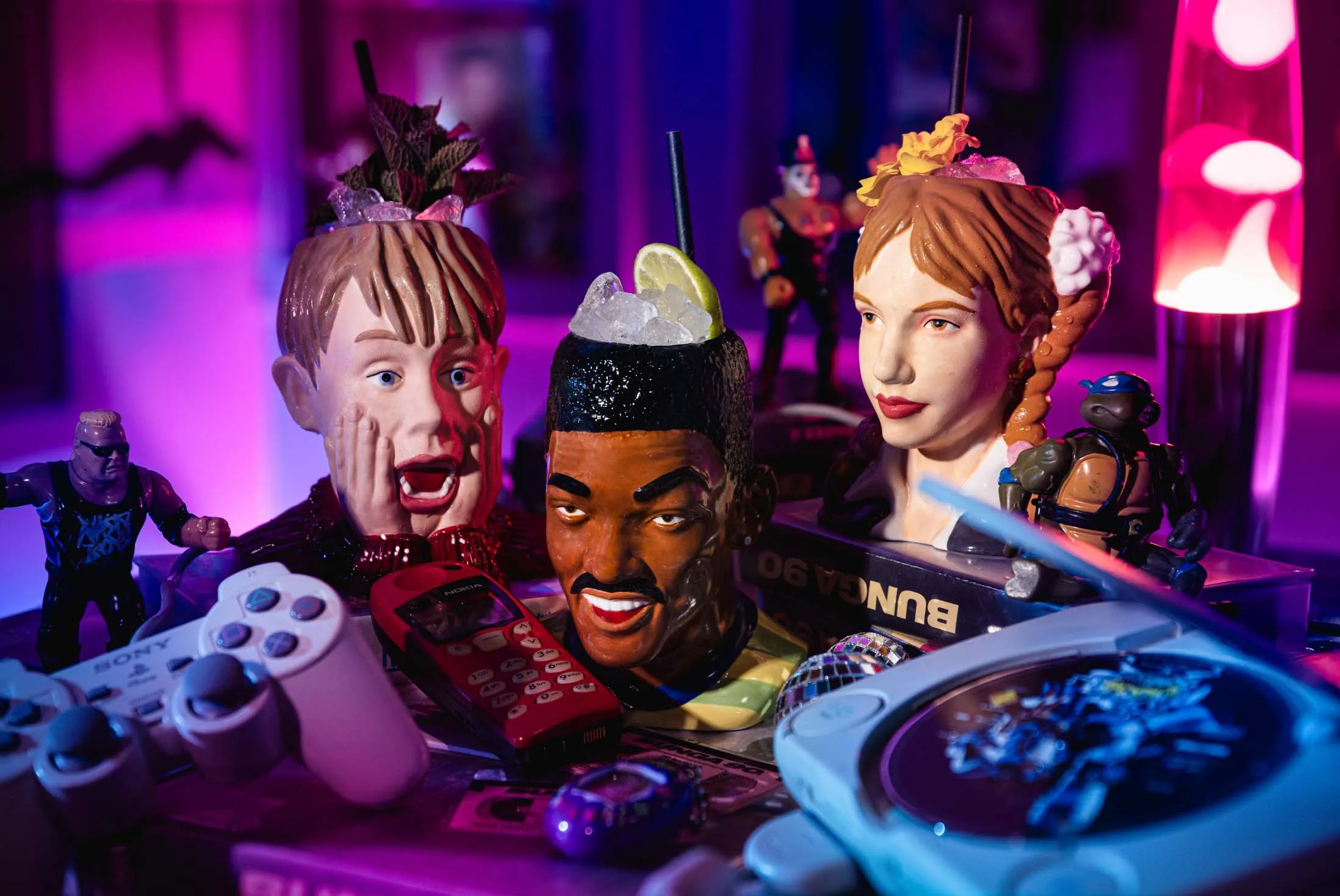
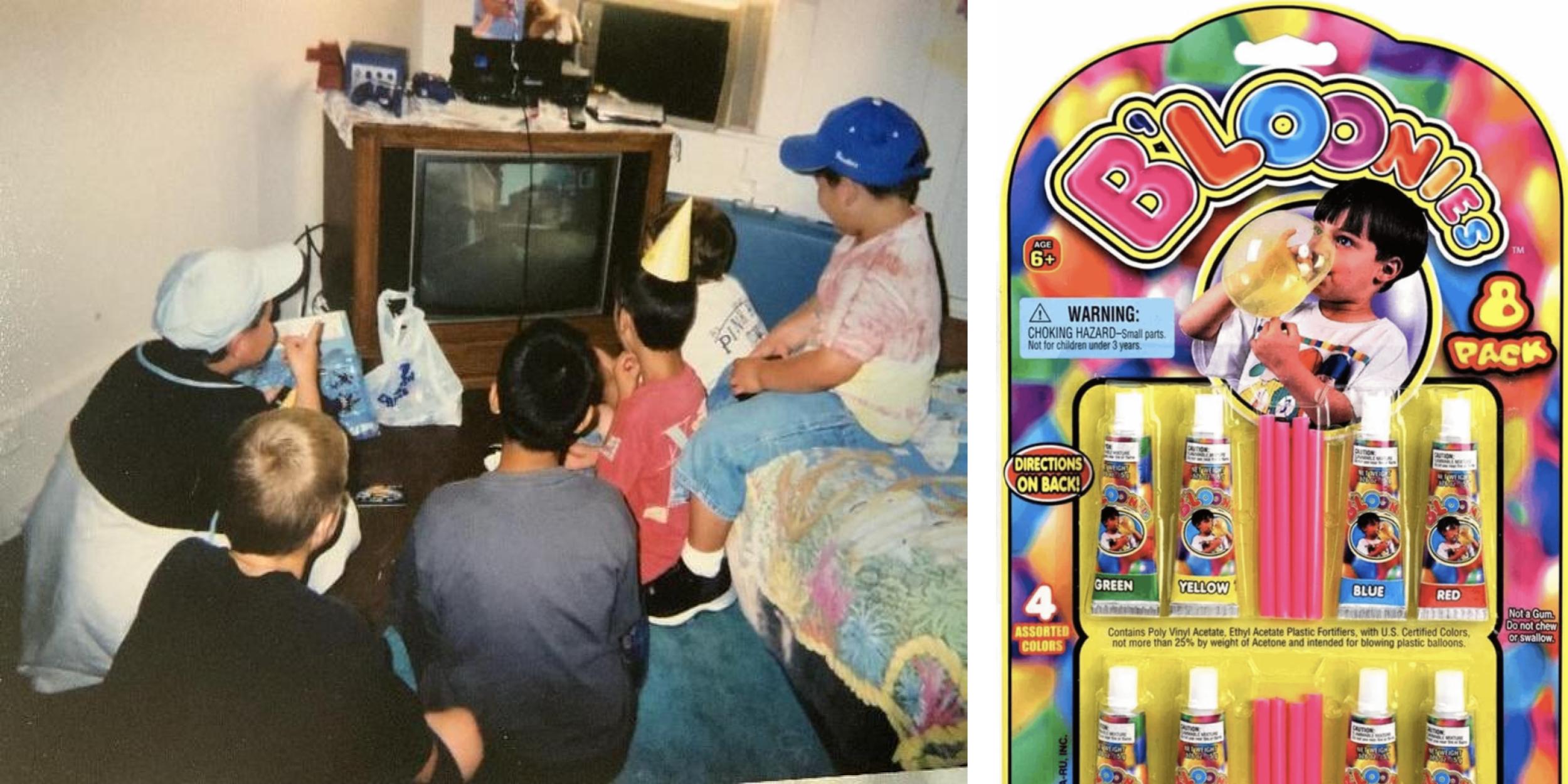
1990s nostalgia represents a profound cultural, technological, and aesthetic yearning for the final decade of the 20th century, characterized by the rise of early consumer internet access, distinctive grunge and pop fashion, and offline social structures. This widespread cultural wave influences modern media consumption, consumer product design, and digital subcultures, driven by both those who lived through the era and younger generations exploring its distinct identity.
Defining the Era: Core Cultural and Technological Pillars
The cultural identity of the 1990s was shaped by a unique transition period between the analogue past and the digital future. Understanding why this specific decade continues to captivate public imagination requires examining the structural conditions that defined everyday life before the advent of ubiquitous smartphones and social media.
The Analogue-Digital Divide
Unlike today, where connectivity is continuous and instantaneous, daily life in the 1990s was defined by friction and intentionality. Communication required landline telephones, answering machines, and physical presence. Accessing information meant visiting public or university libraries, consulting physical encyclopedias, or watching scheduled television broadcasts.
This friction created a distinct psychological rhythm. The anticipation of waiting for a favorite television show to air weekly, developing photographic film at a local store, or browsing physical aisles at a video rental store like Blockbuster fostered a sense of delayed gratification. Today's nostalgia heavily romanticizes this deliberate pace, viewing it as an antidote to modern digital burnout.
Economic and Sociopolitical Context
The geopolitical landscape of the decade was marked by the end of the Cold War, the dissolution of the Soviet Union, and a general sense of economic expansion, particularly in Western nations during the mid-to-late 1990s. This optimism manifested in popular culture, advertising, and media, creating an enduring aesthetic of bright colors, corporate futurism, and youthful rebellion that contrasts sharply with contemporary anxieties.
Key Drivers of 1990s Nostalgia in Modern Culture
Cultural cycles typically operate on a thirty-year delay, making the 1990s a primary focus for contemporary media production, fashion, and lifestyle trends. This phenomenon is propelled by several distinct mechanisms operating across different industries.
Generational Shifts and Coming-of-Age
The primary demographic driving this cultural wave consists of Millennials, who experienced their childhoods and formative years during the decade, alongside older Generation Z individuals who view the era through a romanticized lens. As these cohorts enter prime economic and creative decision-making roles within media and design industries, they naturally draw upon the aesthetic markers of their youth to create content, products, and experiences that resonate on an emotional level.
The Aesthetics of Material Culture
Physical objects from the 1990s possess a tangible materiality that contrasts with the sleek, minimalist glass-and-metal design language of modern consumer electronics. From the translucent plastic shells of the iMac G3 and Nintendo Game Boy Color to the chunky geometry of skate shoes and windbreakers, 1990s design prioritized personality, color, and tactile feedback. This visual distinctiveness makes vintage items highly collectible and replicable in modern design trends.
Media, Entertainment, and Technological Relics
The entertainment landscape of the 1990s laid the groundwork for modern franchise culture, prestige television, and electronic gaming. Re-evaluating these media forms reveals both their historical impact and their current role in the nostalgia economy.
Television and Cinema
The decade revolutionized television through the mainstream success of ensemble sitcoms like Friends and Seinfeld, groundbreaking animation such as Batman: The Animated Series and The Simpsons, and serialized sci-fi like The X-Files. In cinema, the 1990s witnessed the birth of modern computer-generated imagery (CGI) blockbusters, notably Jurassic Park (1993), alongside independent cinema movements that brought gritty, dialogue-driven storytelling to mainstream audiences.
Gaming and Music Evolution
The transition from 16-bit sprite-based video games to immersive 3D polygons defined the decade's gaming trajectory, highlighted by platforms like the Sony PlayStation, Nintendo 64, and Sega Saturn. Simultaneously, the music industry experienced a seismic shift with the explosion of alternative rock, grunge (spearheaded by bands like Nirvana and Pearl Jam), the golden age of hip-hop (featuring Tupac Shakur, Notorious B.I.G., and Nas), and the global dominance of 1990s pop and electronic dance music.
| Medium | Iconic Example | Defining Technological or Cultural Feature | Modern Nostalgic Appeal |
|---|---|---|---|
| Gaming | Sony PlayStation (1994) | Shift to CD-ROM storage and 3D polygon graphics | Retro-gaming collecting, pixel-art indie revivals |
| Music | Compact Disc (CD) | High-fidelity digital audio replacing cassette tapes | Physical media collection, vinyl and CD resurgence |
| Television | Friends (NBC, 1994–2004) | Studio-audience sitcom format, shared cultural viewing | Comfort-watch streaming, merchandise and café replicas |
| Communication | Nokia 3310 (Released 2000; 90s design ethos) | Physical keypads, long battery life, rugged durability | "Digital detox" dumbphone trend |
Consumer Trends and Commercial Revival
Brands across multiple sectors have recognized the commercial viability of 1990s nostalgia, transforming historical affection into targeted marketing strategies and product revivals.
Fashion and Apparel
The return of 1990s fashion trends—including high-waisted denim, oversized flannel shirts, bucket hats, cargo pants, and slip dresses—demonstrates how cyclical trends are recontextualized by new generations. Fast-fashion retailers and luxury houses alike frequently collaborate with vintage brands or reissue archival pieces to capture this market demand.
Technology Retrofitting and Digital Detox
Ironically, part of the current fascination with 1990s technology involves a conscious retreat from modern smartphone culture. The market for vintage camcorders, film cameras, and even basic feature phones ("dumbphones") has grown as users seek ways to document experiences without the pressure of instant social media uploading and algorithmic curation.
Common Misconceptions About the Decade
When examining the 1990s through a nostalgic lens, popular memory often glosses over systemic challenges, economic disparities, and technological limitations that defined the era for everyday people.
- The Myth of Universal Prosperity: While the late 1990s dot-com boom created substantial wealth, the decade also experienced significant recessions, industrial restructuring, and urban decay in many manufacturing regions.
- Technological Simplicity as Pure Bliss: Nostalgia frequently portrays 1990s tech as charmingly rustic, ignoring the extreme frustration of dial-up internet connections, dropped analog cellular calls, and the lack of reliable remote-work infrastructure.
- Uniform Cultural Homogeneity: Popular retrospectives often focus exclusively on mainstream American pop culture, overlooking the rich, localized underground music scenes, international cinema movements, and diverse subcultures that existed outside major media hubs.
Frequently Asked Questions
Why is 1990s nostalgia so prevalent today?
The resurgence is driven by a natural thirty-year cultural cycle combined with generational coming-of-age patterns. Millennials and older Gen Z individuals now hold purchasing power and creative influence, prompting them to celebrate the aesthetics and media of their formative years as a comforting escape from modern digital fatigue.
What are the most collectible items from the 1990s?
High-demand collectibles include original-release video games (particularly sealed cartridges and discs for the Nintendo 64 and PlayStation), vintage streetwear, original Pokémon trading cards, and working vintage electronics such as early digital cameras and portable audio players.
How does 1990s technology differ from modern tech in consumer appeal?
1990s technology emphasizes physical interaction, tactile feedback, and dedicated single-purpose design. Unlike multi-functional modern smartphones, 1990s devices like film cameras, standalone word processors, and handheld gaming consoles required focused attention without continuous digital notifications.
Is the current interest in 1990s culture limited to fashion?
No, the revival spans multiple industries, including interior design (retro-futuristic decor, neon lighting), media production (reboots, vinyl and cassette music releases), and lifestyle choices, such as the growing preference for offline social interaction and analog hobbies.
Practical Next Actions for Enthusiasts and Researchers
For those looking to explore or document 1990s culture accurately, several steps can ensure an authentic engagement with the era:
- Prioritize Primary Sources: Consult original publications, unedited television broadcasts, and archival advertisements rather than relying solely on modern retrospective summaries.
- Examine Physical Media: Explore local independent record stores, vintage clothing boutiques, and retro gaming conventions to experience the material culture firsthand.
- Contextualize Technological Limits: Understand the infrastructure constraints of the era—such as internet speeds and media storage formats—to appreciate how media was consumed historically.