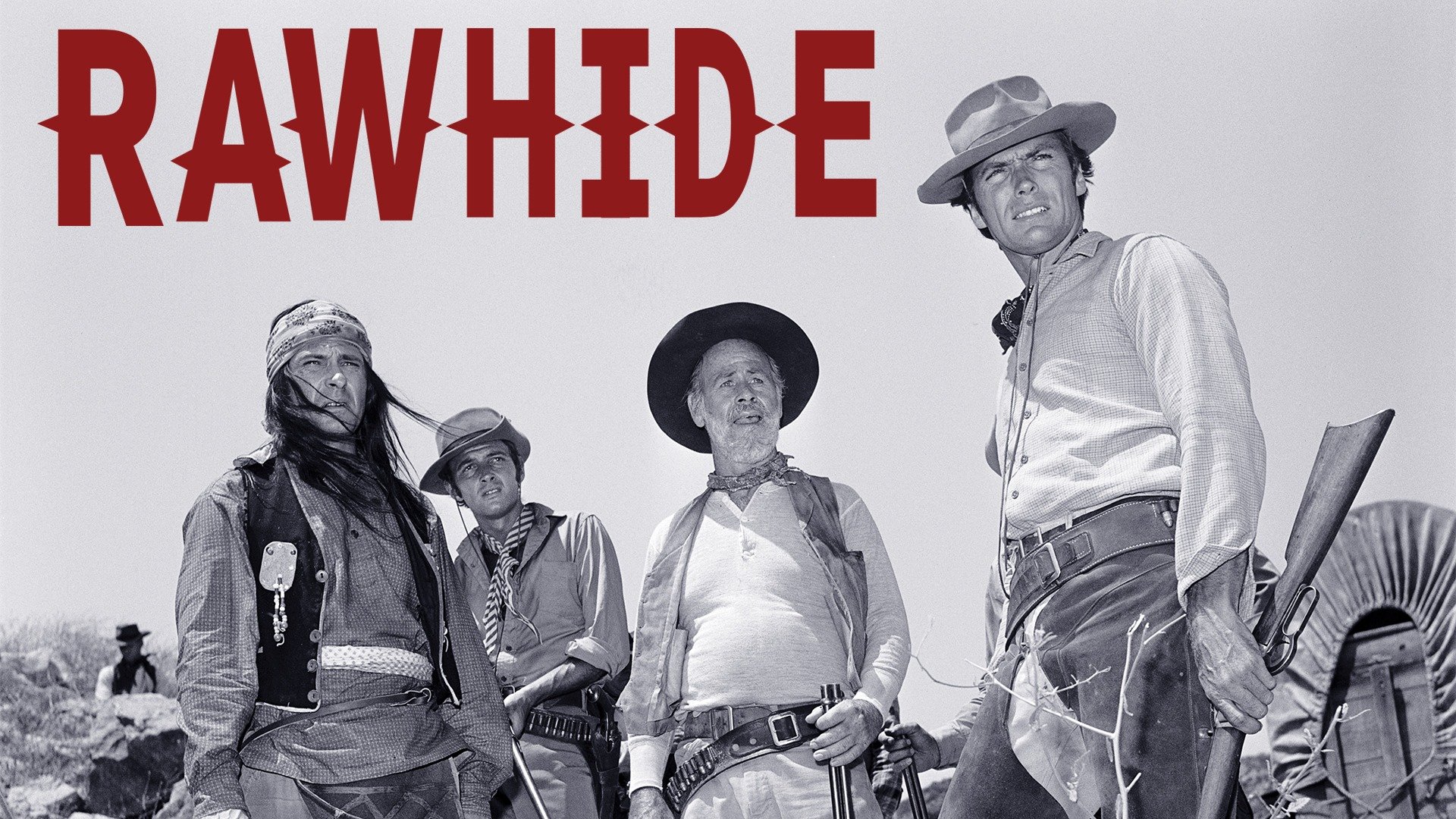
The television landscape of 1959 represents a watershed moment in broadcast history, marking the transition from the experimental early years of the medium to the sophisticated storytelling era of the 1960s. During this pivotal year, networks finalized the shift toward hour-long dramas, polished Westerns, and the introduction of genre-defining anthology series that permanently altered the cultural zeitgeist.
The Landscape of 1959 Broadcasting
By 1959, the television industry had moved past the "Golden Age" uncertainty of the early 1950s. The dominance of the three major networks—CBS, NBC, and ABC—was firmly established, and the competition for primetime viewership had intensified. Advertisers, who previously held immense creative control through singular corporate sponsorship of programs, began to step back as networks assumed greater responsibility for production schedules. This shift allowed for more consistent narrative structures and the rise of the iconic "appointment viewing" phenomenon.
In 1959, the viewing public was treated to a mix of long-standing radio-to-TV transitions and groundbreaking original concepts. The year is perhaps best remembered by pop-culture historians for the debut of series that explored the boundaries of human experience, science fiction, and morality.
Signature Debuts: Defining the 1959 Class
Several television series that premiered in 1959 did not merely capture an audience; they established archetypes for their respective genres that remain influential in 2026.
The Twilight Zone
Premiering on October 2, 1959, Rod Serling’s The Twilight Zone stands as the preeminent legacy of this year. By utilizing the framework of science fiction, fantasy, and horror, Serling bypassed the restrictive censorship standards of the era to provide social commentary on Cold War anxieties, racism, and human nature. The anthology format allowed for a rotating cast of high-caliber actors and writers, ensuring that the series remained fresh and consistently provocative.
Bonanza
Debuting in September 1959, Bonanza revolutionized the Western genre. It was the first Western to be broadcast in color, which was a significant technical milestone for NBC and its parent company, RCA, to incentivize the sale of color television sets. Unlike many of its contemporaries, Bonanza focused on the interpersonal dynamics of the Cartwright family, emphasizing character development over simple "good versus evil" shootouts.
Rawhide
Also premiering in 1959, Rawhide became a cultural phenomenon, launching the career of Clint Eastwood. While it adhered to the traditional cattle-drive format of the Western, its gritty realism and emphasis on the daily struggles of trail bosses and drovers provided a distinct contrast to the more polished, urban-focused dramas of the late 1950s.
Comparative Analysis of Key 1959 Premieres
The following table provides a snapshot of the primary series that launched in 1959, identifying their genre and their lasting impact on the television medium.
| Series Title | Genre | Primary Network | Historical Significance |
|---|---|---|---|
| The Twilight Zone | Sci-Fi / Anthology | CBS | Pioneered intellectual, moralistic storytelling |
| Bonanza | Western | NBC | First regularly broadcast color Western |
| Rawhide | Western | CBS | Defined the "cattle drive" subgenre of Westerns |
| The Untouchables | Crime Drama | ABC | Introduced a faster, more violent editing style |
| Dennis the Menace | Sitcom | CBS | Established the trope of the suburban domestic comedy |
Technical Evolution and Production Standards
The production of a 1959 TV series was a labor-intensive process defined by the limitations of the era. The vast majority of shows were filmed using 35mm motion picture film, as the technology for high-quality videotape recording was still in its infancy and restricted primarily to news or live studio broadcasts.
The transition from live performances to pre-recorded filmed episodes in 1959 allowed for more complex location shooting, better lighting control, and the ability to syndicate programs globally. Producers began to employ "telecine" transfers more effectively, ensuring that the quality of the image remained relatively stable across different local broadcast markets. For the viewer, this meant that the standard of production they experienced in New York or Los Angeles was beginning to reach rural areas with newfound consistency.
Societal Impact and Audience Demographics
In 1959, television was the primary hearth of the American household. With the post-war economic boom in full swing, the penetration rate of television sets in homes reached record highs. This necessitated content that could appeal to the nuclear family unit.
The strategy of the major networks was to program blocks of time that flowed logically—often leading with lighter, family-friendly comedies in the early evening, followed by more serious, dramatic Westerns or crime procedurals as the night progressed. This "lead-in" strategy was perfected in 1959, creating a viewing habit that kept families anchored to a single channel for hours at a time.
Navigating Television History: How to Research 1959 Content
If you are looking to verify details about specific episodes or production credits for 1959 series, it is essential to use reliable, archive-based resources rather than crowd-sourced databases which can be prone to inaccuracies regarding original air dates.
- Consult Trade Publications: Resources like Broadcasting magazine archives from 1959 provide contemporary accounts of network schedules, sponsor disputes, and technical industry shifts.
- Network Archives: The UCLA Film & Television Archive or the Paley Center for Media are the primary repositories for original master recordings and production bibles from this era.
- Copyright Records: For legal verification of ownership or original broadcast dates, the United States Copyright Office database serves as the ultimate arbiter.
Common Misconceptions Regarding 1959 Programming
A frequent error in amateur television history is the assumption that all programs in 1959 were broadcast in high definition or, conversely, that they were all live. In reality, the era was a hybrid. While series like The Twilight Zone were meticulously filmed for cinematic quality, many daytime programs and variety shows were still performed live or recorded using kinescope—a process of filming a television screen, which resulted in significant loss of visual fidelity. When viewing these programs in 2026, it is important to distinguish between original film negatives (often digitally restored) and low-quality kinescope transfers.
Frequently Asked Questions
Which 1959 TV series was the first to use color extensively? Bonanza is widely cited as the first Western to use color consistently as a marketing tool. NBC used the series to drive the sale of color television receivers, which were still considered a luxury item for most families in 1959.
Were there any successful sci-fi shows other than The Twilight Zone in 1959? While The Twilight Zone was the most critically successful, the era was not heavily saturated with science fiction. Most "fantastical" elements of the time were relegated to light comedy or anthology formats, as hard science fiction was considered a niche market until the mid-1960s.
Why did Westerns dominate the 1959 television schedule? Westerns were relatively inexpensive to produce on location and provided a safe, familiar framework for morality plays that resonated with post-war audiences. They allowed for a clear "hero" archetype, which was highly favored by both networks and sponsors during the late 1950s.
How can I watch original 1959 broadcasts today? Most iconic series from 1959 are available through digital streaming services, often in remastered formats. However, for a truly historical experience, physical media releases (such as Blu-ray box sets) often include the original commercials and production notes that provide necessary context to the viewing experience.
What was the average length of a drama in 1959? While early television programs were often 30 minutes, 1959 was the year where the hour-long drama became the standard for prestige programming. Series like The Untouchables helped solidify the hour-long format as the preferred length for complex, narrative-driven storytelling.
Recommendations for Further Exploration
To gain a deeper understanding of the 1959 television landscape, one should look beyond the episodic content and examine the trade papers from the era. Understanding the tension between the networks and the sponsors of 1959 reveals the underlying mechanics that shaped the modern television industry. If you are a researcher or a fan of media history, prioritize locating the original pilot scripts or network pitch documents, as these often contain the clearest vision of what the creators intended before the constraints of the 1959 broadcast system were applied.