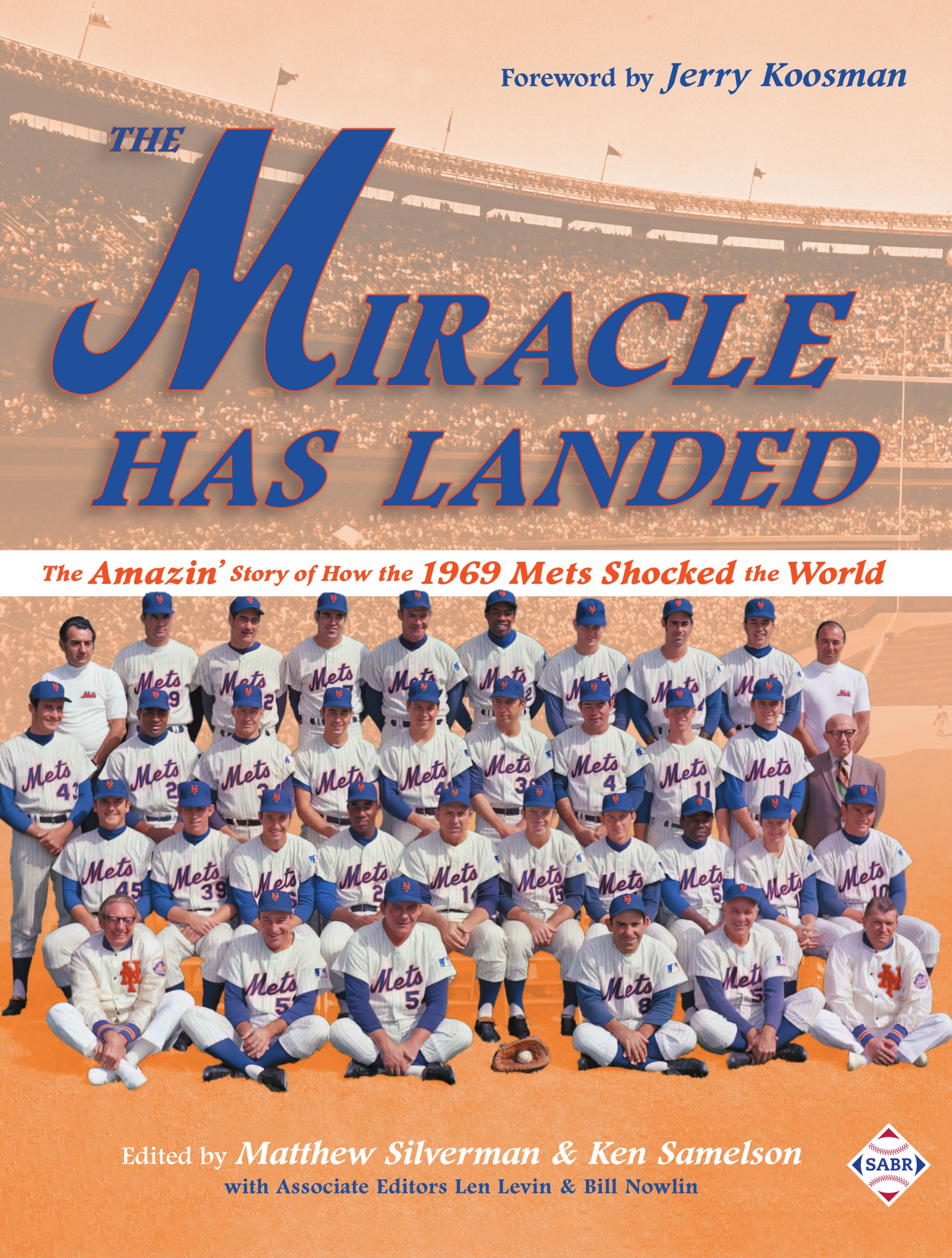
The 1969 season represents a pivotal turning point in professional sports, most notably for Major League Baseball (MLB), which underwent its first major expansion and divisional realignment. It is famously defined by the "Miracle Mets" championship victory, the final season of the separate NFL and AFL before their merger, and the 100th anniversary of college football.
The Winds of Change: Why 1969 Was a Transformative Year
As we reflect on the sporting landscape from the perspective of 2026, the 1969 season remains one of the most studied and culturally significant periods in American athletics. It was a year of "firsts" and "lasts" that forever altered how professional leagues were structured and marketed. The primary driver of this change was the need for expansion to accommodate growing television markets and a booming national interest in professional baseball and football.
In baseball, the 1969 season ended the "classic" era where only two teams—the winners of the American and National Leagues—advanced to the postseason. The introduction of divisions and the League Championship Series (LCS) created a blueprint for the multi-tiered playoff systems we see across all major sports today. Simultaneously, the professional football world was preparing for the most significant merger in sports history, with the 1969 season serving as the final independent campaign for the American Football League (AFL) and the National Football League (NFL).
Major League Baseball: The Dawn of the Divisional Era
Prior to 1969, MLB operated with two ten-team leagues. The teams with the best records in the AL and NL met directly in the World Series. However, with the addition of four expansion teams in 1969, the leagues grew to 12 teams each, making a single-table format unwieldy.
The 1969 Expansion Teams
Four new franchises began play in 1969, drastically altering the geographic footprint of the sport:
- Kansas City Royals (AL): Formed to replace the departed Athletics, who had moved to Oakland.
- Seattle Pilots (AL): A short-lived franchise that struggled financially and moved to Milwaukee to become the Brewers the following year.
- Montreal Expos (NL): The first Major League team located outside the United States.
- San Diego Padres (NL): Bringing Major League baseball to Southern California's border city.
This expansion necessitated the creation of the East and West Divisions in both the National and American Leagues. For the first time, fans experienced the tension of a divisional race followed by a best-of-five playoff series (the LCS) to determine the pennant winners.
The Impact of Realignment
The realignment created new rivalries and intensified existing ones. In the National League East, the Chicago Cubs held a commanding lead for much of the summer, only to be overtaken by a surging New York Mets squad. In the American League East, the Baltimore Orioles established themselves as a powerhouse, winning 109 games—a mark that remains legendary in the franchise's history.
The "Miracle Mets": An Unprecedented Underdog Story
The defining narrative of the 1969 season was the improbable rise of the New York Mets. Since their inception in 1962, the Mets had been the laughingstock of baseball, routinely finishing in last place with historically high loss counts. Entering the 1969 season, Las Vegas bookmakers placed their odds of winning the World Series at 100-to-1 or higher.
The Summer of the "Amazin's"
Under the leadership of manager Gil Hodges, the Mets developed a pitching-first philosophy. The rotation was anchored by a young Tom Seaver, who won 25 games and the National League Cy Young Award, and the left-handed Jerry Koosman. The turning point occurred in August and September. While the first-place Chicago Cubs faltered under the pressure and a grueling schedule, the Mets went on a historic tear, winning 38 of their final 49 games to clinch the NL East.
Postseason Domination
The Mets faced the powerhouse Atlanta Braves in the first-ever NLCS, sweeping them in three games. This set the stage for a World Series matchup against the Baltimore Orioles, a team featuring three future Hall of Famers: Jim Palmer, Brooks Robinson, and Frank Robinson. After losing Game 1, the Mets won four straight games to secure the title. The "Miracle Mets" became a cultural phenomenon, proving that the new divisional format allowed for Cinderella stories that were previously impossible under the old system.
Comparison of 1969 MLB Expansion Franchises
The success of the 1969 expansion was mixed, as evidenced by the following data regarding their inaugural performance and long-term viability.
| Team | League | Inaugural Record | Home Stadium | Eventual Fate |
|---|---|---|---|---|
| Kansas City Royals | AL | 69–93 | Municipal Stadium | Remained in KC; 2 World Series titles |
| Seattle Pilots | AL | 64–98 | Sick's Stadium | Relocated in 1970 (Milwaukee Brewers) |
| Montreal Expos | NL | 52–110 | Jarry Park | Relocated in 2005 (Washington Nationals) |
| San Diego Padres | NL | 52–110 | San Diego Stadium | Remained in San Diego; 2 NL Pennants |
The 1969 NFL and AFL Seasons: The Road to the Merger
While baseball was busy reinventing its postseason, professional football was concluding an era. The 1969 season was the 50th for the NFL and the 10th and final season for the AFL. Following the monumental upset by the New York Jets in Super Bowl III (played in January 1969), the AFL had finally gained the respect of the established NFL.
The Kansas City Chiefs and the Final AFL Championship
The Kansas City Chiefs, coached by Hank Stram, dominated the 1969 AFL season with a revolutionary "Triple Stack" defense. They defeated the Oakland Raiders in the final AFL Championship game ever played, earning a trip to Super Bowl IV.
The NFL's 50th Anniversary
In the NFL, the Minnesota Vikings, led by the "Purple People Eaters" defensive line, finished with a 12-2 record and defeated the Cleveland Browns for the NFL title. However, the anticipated NFL dominance in the Super Bowl was thwarted again. The Chiefs defeated the Vikings 23-7 in Super Bowl IV, cementing the AFL’s legacy of parity just as the two leagues merged into the modern NFL for the 1970 season.
College Football: The Centennial and the "Game of the Century"
The 1969 season also marked the 100th anniversary of college football. To celebrate, the "100" logo was featured on helmets and jerseys across the nation. The season culminated in what many historians call the original "Game of the Century" between the Texas Longhorns and the Arkansas Razorbacks.
The Shootout in Fayetteville
On December 6, 1969, No. 1 Texas met No. 2 Arkansas in a game attended by President Richard Nixon. Trailing 14-0 going into the fourth quarter, Texas orchestrated a legendary comeback to win 15-14. Following the game, President Nixon took the controversial step of declaring Texas the national champion in the locker room, despite Pennsylvania's Penn State also being undefeated. This season highlighted the growing intersection of sports, media, and politics.
Statistical Leaders and Individual Achievements
Beyond team success, the 1969 season featured some of the most dominant individual performances in sports history.
- MLB - Harmon Killebrew (AL MVP): Led the league with 49 home runs and 140 RBIs for the Minnesota Twins.
- MLB - Willie McCovey (NL MVP): Hit 45 home runs with a .320 batting average for the San Francisco Giants.
- NFL - Roman Gabriel (MVP): Threw 24 touchdown passes for the Los Angeles Rams in an era where passing was far less common than it is in 2026.
- College Football - Steve Owens: The Oklahoma running back won the Heisman Trophy after rushing for 1,523 yards and 23 touchdowns.
Historical Legacy: Why We Still Study the 1969 Season
The 1969 season is not merely a collection of statistics; it is a case study in organizational change and the power of narrative. In baseball, the success of the Mets validated the expansion and the new playoff format, proving that more teams meant more excitement, not diluted quality. In football, the AFL's second consecutive Super Bowl victory ensured the 1970 merger would be a merger of equals rather than an NFL takeover.
For researchers and fans in 2026, the 1969 season serves as the baseline for the modern professional sports era. It was the moment sports transitioned from regional pastimes into the multi-billion-dollar national spectacles we recognize today. The logistical hurdles faced by the Seattle Pilots and the Montreal Expos also provided the first real lessons in the importance of stadium infrastructure and local government support, issues that remain central to sports management more than five decades later.
Frequently Asked Questions
What was the most significant rule change in the 1969 MLB season?
The most significant change was the lowering of the pitcher's mound from 15 inches to 10 inches and the narrowing of the strike zone. This was a direct response to the "Year of the Pitcher" in 1968, where batting averages hit record lows. The change successfully boosted offensive production across the 1969 season.
Why did the Seattle Pilots move after only one season?
The Seattle Pilots faced a combination of poor on-field performance, an inadequate stadium (Sick's Stadium), and severe financial instability. The ownership group filed for bankruptcy just before the 1970 season began, leading to the team's purchase by Bud Selig and its relocation to Milwaukee.
Who won the first-ever League Championship Series (LCS) games?
The New York Mets won the inaugural National League Championship Series (NLCS) by defeating the Atlanta Braves 3-0. The Baltimore Orioles won the first American League Championship Series (ALCS) by defeating the Minnesota Twins 3-0.
Was the 1969 Super Bowl played in the 1969 season?
This is a common point of confusion. Super Bowl III, won by the Jets, was played in January 1969 but was the culmination of the 1968 season. The 1969 season culminated in Super Bowl IV, played in January 1970, where the Kansas City Chiefs defeated the Minnesota Vikings.
How did the Vietnam War impact the 1969 season?
The war and the broader social unrest of the late 1960s were heavily felt. Many athletes had their careers interrupted by military service, and sports often served as a focal point for either national unity or protest. The 1969 season is frequently cited as a time when fans sought "escape" through the drama of the Miracle Mets and the 100th anniversary of college football.
Conclusion and Recommendations
The 1969 season remains a cornerstone of sports history that offers valuable lessons in resilience, innovation, and the evolution of competitive structures. For those looking to dive deeper into this specific year, it is highly recommended to consult the following:
- For Baseball Enthusiasts: Read The Bad Guys Won by Jeff Pearlman or Ball Four by Jim Bouton (which chronicles the 1969 Seattle Pilots).
- For Football Historians: Research the "AFL-NFL Merger Agreement" documents to understand the legal and financial complexities of the 1969 transition.
- For Statistical Analysis: Platforms like Baseball-Reference and Pro-Football-Reference provide comprehensive data on every player and game from this landmark year.
As we continue through 2026, the echoes of 1969—from divisional play to the rise of the underdog—continue to resonate in every stadium and arena across the globe.