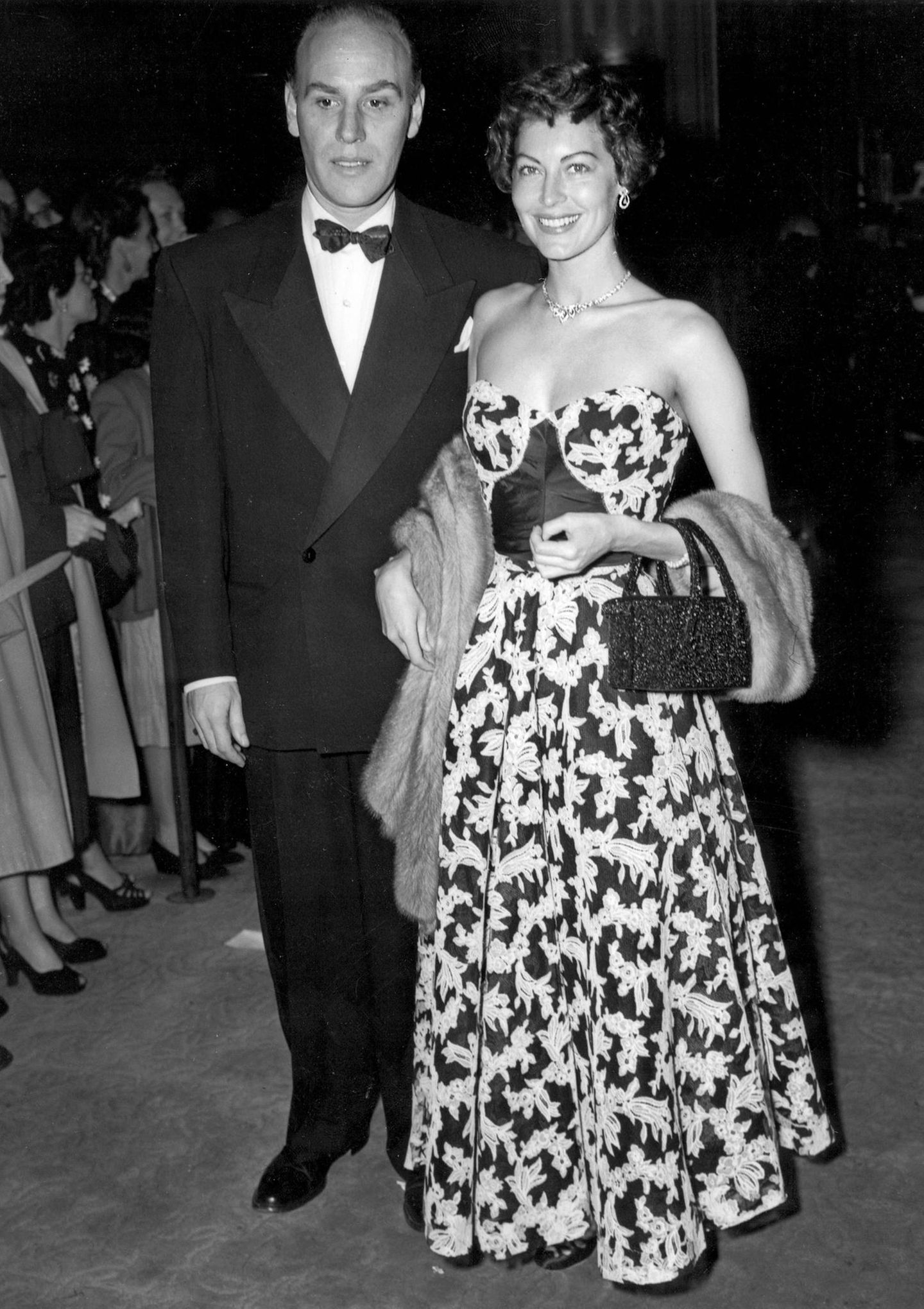
The 1951 Oscars, formally known as the 23rd Academy Awards, honored the finest cinematic achievements of 1950. Held on March 29, 1951, at the RKO Pantages Theatre in Hollywood, the ceremony served as a definitive moment for mid-century filmmaking, marked by Joseph L. Mankiewicz’s All About Eve making history with a record-breaking 14 nominations, ultimately securing six Academy Awards, including Best Picture.
The Historical Context of the 1950 Film Year
The 23rd Academy Awards recognized films released during the 1950 calendar year. This era represented a distinct transition point in Hollywood history. Following the post-World War II boom, the film industry was beginning to grapple with the rising influence of television and the consequences of the Paramount Decree, which forced studios to divest their theater chains.
The selection of nominees reflected the maturity of the studio system. Dramas centered on complex character studies, psychological tension, and the cynicism of show business dominated the proceedings. While the influence of "Film Noir" was at its peak, the Academy voters tended to favor high-budget, polished productions that showcased the technical prowess and narrative sophistication of the major studios.
The Dominance of All About Eve
The most significant narrative of the 1951 ceremony was the sheer dominance of All About Eve. With 14 nominations, it tied the record previously held by Gone with the Wind (1939). The film, written and directed by Joseph L. Mankiewicz, offered a sharp, witty, and cynical look at the Broadway theater scene, grounding its narrative in the volatile relationship between an aging star, Margo Channing (Bette Davis), and an ambitious fan turned protégé, Eve Harrington (Anne Baxter).
Its wins were both critical and industry-affirming. Beyond Best Picture, it secured awards for Best Director, Best Screenplay, and Best Supporting Actor (George Sanders). The film’s success signaled a preference among the Academy for intellectual, dialogue-heavy scripts over purely spectacle-driven narratives.
Key Categories and Winners
The competitive landscape of the 23rd Academy Awards was defined by a few high-profile contenders. Aside from All About Eve, other major players included Sunset Boulevard, which received 11 nominations, and Born Yesterday, which helped Judy Holliday secure a surprise upset in the Best Actress category.
The following table summarizes the primary winners of the 1951 ceremony:
| Category | Winner | Film |
|---|---|---|
| Best Picture | Darryl F. Zanuck (Producer) | All About Eve |
| Best Director | Joseph L. Mankiewicz | All About Eve |
| Best Actor | José Ferrer | Cyrano de Bergerac |
| Best Actress | Judy Holliday | Born Yesterday |
| Best Supporting Actor | George Sanders | All About Eve |
| Best Supporting Actress | Josephine Hull | Harvey |
| Best Original Screenplay | Charles Brackett, Billy Wilder, D.M. Marshman Jr. | Sunset Boulevard |
The Upsets and Surprises
While All About Eve swept the board in many categories, the ceremony was not without its notable upsets. The most famous instance was Judy Holliday’s victory for Best Actress. Having gained fame for her portrayal of Billie Dawn in Born Yesterday, she was considered a newcomer in a field of seasoned veterans, including Bette Davis and Gloria Swanson (both nominated for their roles in All About Eve and Sunset Boulevard, respectively).
Holliday’s win was widely interpreted as an acknowledgment of her comedic timing and the massive popularity of the Born Yesterday property. Similarly, José Ferrer’s win for Cyrano de Bergerac highlighted the Academy’s appreciation for theatrical performances and literary adaptations, demonstrating that Hollywood was still deeply tethered to the conventions of classic stage acting.
Technical Achievements in 1950
Beyond the "Big Five" categories, the 1951 Oscars recognized significant advancements in film craft. The cinematography and art direction awards highlighted the industry's ability to create atmosphere through light and shadow.
Sunset Boulevard, despite losing the Best Picture race to All About Eve, won in categories related to its production design and musical score. This dichotomy between technical achievement and narrative excellence is a recurring theme in Academy history, where highly stylized films like those directed by Billy Wilder were recognized for their unique visual language, even when they lost the top prize to more "traditional" ensemble dramas.
Requirements for Qualification and Eligibility
For the 1950 films to be eligible for the 23rd Academy Awards, they were required to have been commercially released in Los Angeles County for at least one week during the calendar year 1950. These eligibility rules were strictly managed by the Academy of Motion Picture Arts and Sciences (AMPAS).
Unlike modern ceremonies, which often see films released in the final weeks of the year to maximize awards momentum, the 1950 cycle was characterized by a broad distribution of release dates. Studios were responsible for submitting their own candidates, and a series of preliminary ballots were used to narrow the field before the final voting body, composed of industry professionals, cast their ballots.
The Social and Political Environment of 1951
The 1951 ceremony took place against the backdrop of the Red Scare and the activities of the House Un-American Activities Committee (HUAC). While the Oscars were framed as a celebration of artistic achievement, the atmosphere within the industry was one of tension. The blacklist was beginning to impact the careers of screenwriters and actors, though this pressure rarely manifested in the official proceedings of the night.
The ceremony also marked a transition in how the event was presented to the public. Radio broadcasts were a staple of the experience, and the star power of the attendees was leveraged to ensure the event remained a major cultural touchstone in an era before mass-market television had fully overtaken the domestic sphere.
Frequently Asked Questions
1. Who hosted the 23rd Academy Awards? Fred Astaire hosted the 1951 ceremony. His presence provided a sense of glamour and continuity, as he was one of the most prominent figures in Hollywood during the era.
2. Did a film tie All About Eve in nominations? No film in 1951 tied All About Eve’s 14 nominations; however, it did equal the record previously set by Gone with the Wind. It remained the record holder until Titanic (1997) equaled the mark.
3. Why was Judy Holliday’s win considered an upset? Holliday was viewed as a newcomer competing against legends of the screen. Her win was a triumph of popular support and the recognition of her unique comedic talent, which stood out in a year dominated by heavy, dramatic portrayals.
4. What was the impact of the Paramount Decree on the films nominated? The 1950 film year was the first full year where studios faced the reality of selling off their theater chains. This forced studios to focus on "event" films and higher-quality productions to ensure they could compete in a market where they no longer guaranteed their own screen time.
5. How are the winners of the 1951 Oscars remembered today? The winners of the 23rd Academy Awards are widely regarded as a high-water mark for mid-century cinema. The films are frequently studied in film schools for their screenplay structure, character development, and the mastery of the studio system's technical departments.
Recommendation for Further Research
To gain a deeper understanding of the 1951 Oscars, researchers and film enthusiasts should examine the "Academy Awards Database" maintained by the official Academy of Motion Picture Arts and Sciences. This digital archive provides primary source access to the exact vote tallies, technical specifications, and historical records of every nominee and winner from 1950. Reviewing original news clippings from the Los Angeles Times or Variety dated March 30, 1951, will also offer contemporary perspectives on the reactions to the ceremony’s outcomes, stripped of modern historical bias.