Pop culture in the 1970s was defined by a shift from the idealistic communalism of the 1960s toward a more individualistic "Me Decade," characterized by the birth of the summer blockbuster, the rise of disco and punk, and significant advancements in home computing and gaming that laid the groundwork for modern digital life.
The Musical Landscape: A Decade of Sonic Divergence
The 1970s represented perhaps the most fragmented yet creative period in music history. As the monolithic dominance of 1960s rock began to splinter, several distinct genres emerged, each reflecting the socioeconomic climate of the time. The early part of the decade was a period of mourning for the 1960s, punctuated by the breakup of The Beatles and the deaths of icons like Jimi Hendrix and Janis Joplin. However, this vacuum quickly filled with experimental and high-production sounds.
The Disco Explosion and Club Culture
By the mid-1970s, disco emerged from the urban underground—specifically from Black, Latinx, and LGBTQ+ communities in New York City—to become a global phenomenon. It wasn't just music; it was a lifestyle centered on the discotheque. The 1977 release of Saturday Night Fever and its accompanying soundtrack by the Bee Gees propelled disco into the mainstream. Disco focused on four-on-the-floor beats, lush orchestral arrangements, and a sense of escapism that provided a counter-narrative to the era's economic stagflation and the energy crisis.
The Rise of Hard Rock and Heavy Metal
While disco dominated the dance floors, the stadiums were ruled by "Arena Rock." Bands like Led Zeppelin, Black Sabbath, and Deep Purple pushed the boundaries of volume and theatricality. This era saw the birth of the "Rock God" archetype, with sprawling guitar solos and complex, multi-movement compositions known as Progressive Rock (or Prog Rock), led by groups like Pink Floyd, Yes, and Genesis. These artists transformed the album into a conceptual art form, moving music away from three-minute radio singles toward immersive experiences.
The Punk Subculture and the Birth of Hip-Hop
By 1976 and 1977, a reactionary movement began to brew. Punk rock, led by the Sex Pistols in the UK and The Ramones in the US, sought to strip music back to its raw, DIY roots. It was a direct rejection of the perceived pretentiousness of Prog Rock and the commercialism of Disco. Simultaneously, in the Bronx, 1973 marked a pivotal moment when DJ Kool Herc hosted a back-to-school jam, utilizing two turntables to extend the "break" in records. This innovation birthed Hip-Hop, a genre that would eventually become the dominant cultural force of the 21st century.
Cinema: The Birth of the Modern Blockbuster
The 1970s is often cited by film historians as the "New Hollywood" era. It was a decade where the director became the primary star, and the boundaries of storytelling were pushed into grittier, more realistic territory before pivoting toward the massive spectacles we recognize today.
The Auteur Era (1970–1975)
In the first half of the decade, filmmakers like Francis Ford Coppola, Martin Scorsese, and William Friedkin produced works that explored the American psyche's darker corners. The Godfather (1972) redefined the crime epic, while The Exorcist (1973) proved that horror could be both a critical and a commercial powerhouse. These films were characterized by a cynical, post-Watergate worldview, focusing on anti-heroes and moral ambiguity.
The Blockbuster Shift (1975–1979)
Everything changed in the summer of 1975 with the release of Steven Spielberg’s Jaws. It was the first film to use a "wide release" strategy combined with heavy television advertising, effectively creating the concept of the "Summer Blockbuster." Two years later, George Lucas’s Star Wars (1977) fundamentally altered the industry. It shifted the focus from character-driven dramas to high-concept, merchandise-friendly spectacles. The success of these films led to the "franchise" model that dominates the box office in 2026.
| Movie Title | Year | Genre | Significance |
|---|---|---|---|
| The Godfather | 1972 | Crime Drama | Redefined the cinematic epic and "New Hollywood" realism. |
| The Exorcist | 1973 | Horror | First horror film nominated for an Academy Award for Best Picture. |
| Jaws | 1975 | Thriller | Invented the "Summer Blockbuster" release strategy. |
| Taxi Driver | 1976 | Psychological Drama | Epitomized the gritty, urban alienation of 1970s cinema. |
| Star Wars | 1977 | Space Opera | Revolutionized special effects and film merchandising. |
| Alien | 1979 | Sci-Fi Horror | Blended genres and introduced a groundbreaking female protagonist. |
Television: The Mirror of Society
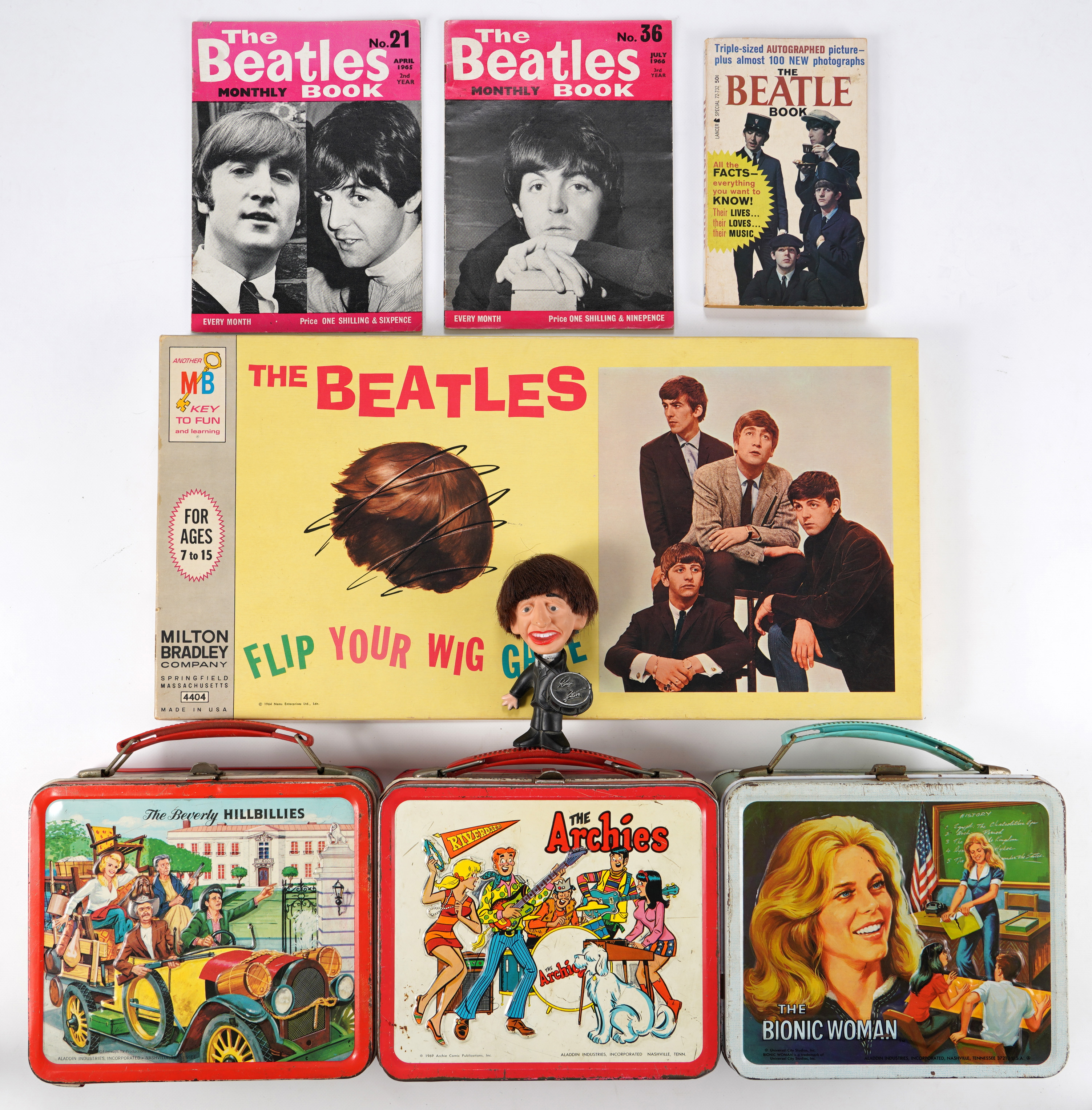
Television in the 1970s moved away from the escapism of 1960s "rural" comedies (like The Beverly Hillbillies) and began addressing real-world social issues. This was the era of the socially conscious sitcom and the birth of a new kind of variety entertainment.
The Norman Lear Revolution
Producer Norman Lear changed the face of the American sitcom with All in the Family. By tackling racism, feminism, and the Vietnam War through the character of Archie Bunker, the show forced viewers to engage with contemporary conflicts. Other shows like MASH* used the setting of the Korean War to provide a thinly veiled commentary on the ongoing Vietnam conflict, blending high comedy with profound tragedy.
The Rise of Late-Night and the Mini-Series
In 1975, Saturday Night Live (originally NBC's Saturday Night) premiered, creating a new format for sketch comedy that launched the careers of Bill Murray, Chevy Chase, and Gilda Radner. On the other end of the spectrum, the 1970s saw the rise of the "Event Mini-Series." Roots (1977) became a cultural phenomenon, attracting record-breaking audiences and sparking a national conversation about the history of slavery in America.
Fashion: From Hippie Chic to Disco Glam
Fashion in the 1970s was a wild departure from the structured styles of previous decades. It was an era of synthetic fabrics, bold patterns, and a disregard for traditional gender norms in clothing.
- The Silhouette: The decade was defined by the "flare." Bell-bottom jeans, wide-collared shirts, and platform shoes were ubiquitous for both men and women.
- The Fabrics: This was the golden age of polyester. It was cheap, durable, and didn't require ironing, making it the perfect fabric for the fast-paced, "wash and wear" lifestyle of the 1970s.
- Subcultural Styles:
- Hippie Influence: Early 70s fashion carried over the tie-dye, fringe, and denim of the 60s.
- Disco Glam: Sequins, spandex, and wrap dresses (popularized by Diane von Furstenberg) dominated the nightlife.
- Punk: Safety pins, ripped t-shirts, and leather jackets emerged late in the decade as a visual "anti-fashion" statement.
Technology and the Birth of Home Gaming
While the 1970s might seem "analog" compared to 2026, it was actually the decade that launched the digital revolution. The transition from massive mainframe computers to personal devices began here.
The Silicon Valley Genesis
In 1976, Steve Jobs and Steve Wozniak formed Apple Computer and released the Apple I. While it was mostly for hobbyists, it signaled the beginning of the end for the idea that computers were only for large corporations or governments. By 1977, the "Trinity" of home computers—the Commodore PET, the TRS-80, and the Apple II—brought computing into the average living room.
The Atari Era
The 1970s also saw the birth of the video game industry. It started in the arcades with Pong (1972) and transitioned to the home with the Atari 2600 (released in 1977 as the Atari VCS). This console popularized the use of microprocessor-based hardware and ROM cartridges containing game code, a model that would define gaming for decades. For many, the flickering pixels of Space Invaders or Combat were their first introduction to interactive digital entertainment.
Social Movements and the "Me Decade"
Writer Tom Wolfe famously labeled the 1970s the "Me Decade." After the intense political activism of the 1960s, many Americans turned inward, focusing on self-improvement, spirituality, and personal fulfillment. However, this didn't mean social progress halted; rather, it became more institutionalized.
Environmentalism and Feminism
The first Earth Day was held in 1970, leading to the creation of the Environmental Protection Agency (EPA). The Women's Rights Movement saw major milestones, including the passage of Title IX in 1972, which mandated equal funding for women’s sports and education. The "Battle of the Sexes" tennis match between Billie Jean King and Bobby Riggs in 1973 became a symbolic victory for women's equality in the public eye.
Economic Turmoil
The decade was also defined by a sense of precariousness. Two major oil crises (1973 and 1979) led to long lines at gas stations and a move toward smaller, more fuel-efficient cars. The term "stagflation"—a combination of stagnant economic growth and high inflation—described the malaise that many felt, which in turn fueled the darker, more cynical tone found in much of the era's art and media.
Frequently Asked Questions
What was the most popular toy of the 1970s?
The 1970s saw several fad toys, but the Pet Rock (1975) is often cited as the ultimate example of 70s marketing brilliance. Other iconic toys included the Rubik's Cube (invented in 1974, though it gained more fame in the early 80s), Stretch Armstrong, and the Easy-Bake Oven. For older children, the Atari 2600 was the "must-have" technology.
Why is the 1970s often called the "Me Decade"?
The term was coined by Tom Wolfe in a 1976 article to describe a shift away from the social and political "we" of the 1960s toward a focus on individual health, wealth, and self-actualization. This was reflected in the rise of the self-help movement, the fitness craze (jogging became popular in the 70s), and a more hedonistic approach to social life.
How did the Vietnam War affect 1970s pop culture?
The war's end in 1975 left a profound mark on American culture. It contributed to a deep-seated distrust of authority, which was furthered by the Watergate scandal. This cynicism appeared in "paranoia thrillers" like All the President's Men and in the gritty realism of television shows that moved away from idealized depictions of American life.
What were the major fashion trends for men in the 70s?
Men’s fashion in the 70s was characterized by the Leisure Suit—a casual suit often made of polyester with wide lapels. Other staples included "shag" haircuts, mutton-chop sideburns, and tight-fitting shirts with bold, psychedelic prints. The influence of "Peacock Revolution" meant that men’s clothing became as colorful and varied as women’s for the first time in decades.
When did Disco officially "die"?
While disco's popularity peaked in 1978, the "Disco Demolition Night" at Chicago’s Comiskey Park in July 1979 is often cited as the symbolic end of the era. A backlash, driven by rock fans and fueled by underlying racial and homophobic tensions, led to a rapid decline in disco's mainstream chart presence, although it evolved into house and techno music in the 1980s.
The Legacy of the 1970s in 2026
As we look back from the vantage point of 2026, the 1970s no longer seems like a distant, kitschy past. Instead, it appears as the foundational bedrock of our current world. The "blockbuster" mentality still governs our cinemas; the DIY ethos of punk survives in the independent creator economy; and the personal computer, which took its first breath in a California garage in 1976, is now an inseparable part of the human experience. Understanding the 1970s is essential for understanding the complexities of the modern cultural landscape.
To truly appreciate the era, one should explore the original source material. Listen to a full vinyl record of Rumours by Fleetwood Mac or watch The Conversation (1974) to see how the decade’s anxieties around surveillance and privacy mirror the digital concerns of today.