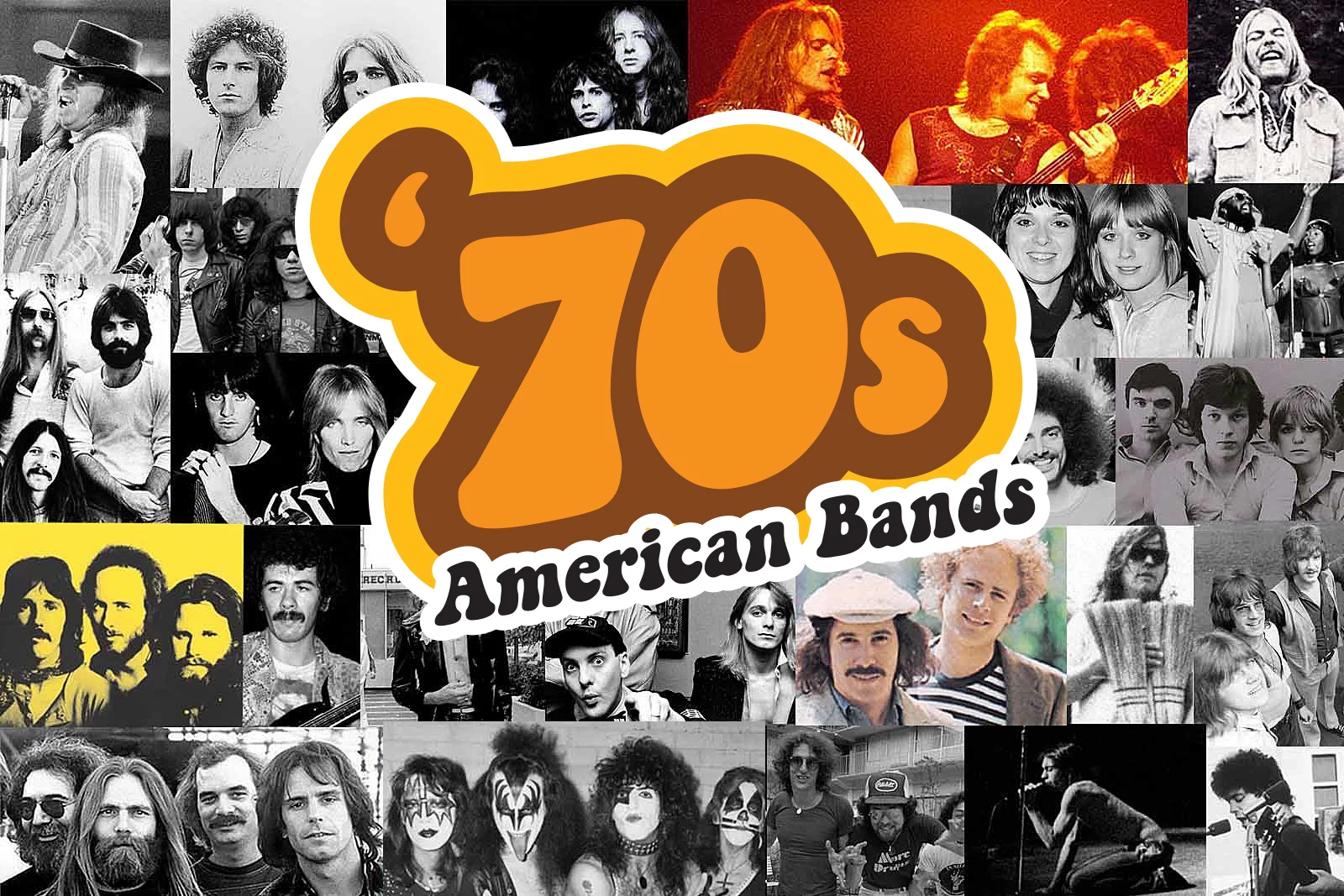
1970s rock was a transformative era defined by the fragmentation of 1960s idealism into specialized sub-genres, including hard rock, progressive rock, punk, and glam. This decade established the blueprint for the modern music industry, introducing high-fidelity studio production, the "arena rock" touring circuit, and the concept of the "album-oriented" artist.
The landscape of rock music changed irrevocably between 1970 and 1979. While the 1960s were characterized by a unified counterculture and the "British Invasion," the 1970s saw rock music become both a massive commercial enterprise and a vehicle for intense artistic experimentation. As we look back from 2026, the 1970s remain the most influential decade for guitar-driven music, providing the foundational sounds that continue to dominate vinyl sales and streaming algorithms today.
The Dawn of the Multi-Genre Decade (1970–1972)
The 1970s began with the literal and symbolic end of the 1960s: the breakup of The Beatles in 1970. This vacuum allowed for a massive diversification of sound. The early years of the decade were marked by a "heavier" shift, as the psychedelic experimentation of the late 60s evolved into more structured, powerful forms.
Hard Rock and the Birth of Metal Led Zeppelin, Black Sabbath, and Deep Purple are often cited as the "unholy trinity" of early 70s rock. Led Zeppelin moved away from standard blues-rock into a heavy, acoustic-electric hybrid that prioritized "the riff." Black Sabbath, with their 1970 self-titled debut, introduced the "tritone" and darker lyrical themes, effectively birthing heavy metal. Deep Purple merged classical music structures with high-speed rock, characterized by Ian Gillan’s soaring vocals and Ritchie Blackmore’s neo-classical guitar work.
The Singer-Songwriter Movement Simultaneously, a softer, more introspective sound emerged. Artists like James Taylor, Joni Mitchell, and Carole King focused on personal narratives and acoustic arrangements. Carole King’s Tapestry (1971) became one of the best-selling albums of the era, proving that rock audiences were just as interested in emotional vulnerability as they were in volume. This period also saw the rise of Fleetwood Mac’s early transitions and the massive success of Elton John, who combined piano-driven pop-rock with flamboyant showmanship.
The Golden Age of Progressive Rock
By the mid-1970s, rock music sought to achieve the status of "high art." This movement, known as Progressive Rock (or Prog), was characterized by technical virtuosity, complex time signatures, and concept albums that often spanned the length of a full LP.
Pink Floyd and the Concept Album Pink Floyd’s The Dark Side of the Moon (1973) is the definitive progressive rock statement. It utilized revolutionary studio techniques—such as looped tape effects and synthesizers—to explore themes of madness, greed, and time. The album remained on the Billboard charts for 741 weeks, a record that remains a benchmark for commercial longevity in 2026.
Complexity and Technical Mastery Bands like Yes, King Crimson, and Genesis pushed the boundaries of what rock musicians were expected to play. Using instruments like the Mellotron (an early polyphonic sampling keyboard) and the Moog synthesizer, these groups created orchestral soundscapes. Songs often exceeded ten minutes in length, rejecting the "three-minute pop single" format in favor of multi-movement suites. This era prioritized musicianship, with drummers like Neil Peart (Rush) and Bill Bruford setting new standards for rhythmic complexity.
Glam Rock: The Spectacle and Identity
In the early to mid-70s, the UK gave birth to Glam Rock, a movement that prioritized theatricality, androgyny, and visual impact as much as the music itself.
David Bowie and the Alien Rockstar David Bowie’s adoption of the Ziggy Stardust persona in 1972 changed the cultural trajectory of rock. Glam rock was a reaction against the "denim and flannel" seriousness of blues-rockers. It embraced glitter, makeup, and platform boots, challenging traditional notions of masculinity and stardom. Bowie’s work during this period, particularly The Rise and Fall of Ziggy Stardust and the Spiders from Mars, blended hard rock with pop sensibilities and sci-fi narratives.
T. Rex and Queen Marc Bolan of T. Rex brought a "boogie" sensibility to glam, while Queen, led by Freddie Mercury, expanded the genre into "stadium opera." Queen’s "Bohemian Rhapsody" (1975) is perhaps the ultimate 1970s rock achievement, combining balladry, hard rock, and operatic vocal layering into a single six-minute track.
The 1977 Explosion: Punk Rock and New Wave
By 1976, many music fans felt that progressive rock had become bloated and elitist. In the urban centers of New York and London, a raw, aggressive, and "DIY" (Do-It-Yourself) movement emerged to "save" rock and roll.
The New York Scene The Ramones at CBGB’s stripped rock back to its barest essentials: three chords, fast tempos, and short songs. Unlike the prog-rockers, the Ramones emphasized energy over technical skill. Simultaneously, Television and Blondie were developing a more sophisticated, artsy version of this sound, which would eventually be labeled New Wave.
The UK Punk Revolution In 1977, punk exploded in the UK as a social and political phenomenon. The Sex Pistols’ Never Mind the Bollocks, Here’s the Sex Pistols and The Clash’s self-titled debut were incendiary records that spoke to the economic frustration of British youth. Punk rejected the "guitar god" trope, insisting that anyone could—and should—start a band. This democratization of music is one of the 1970s' most enduring legacies.
Comparison of Major 1970s Rock Sub-Genres
| Feature | Hard Rock / Metal | Progressive Rock | Glam Rock | Punk Rock |
|---|---|---|---|---|
| Primary Goal | Power and Riffs | Artistic Complexity | Theatricality / Style | Raw Energy / Rebellion |
| Key Instruments | Electric Guitar, Drums | Synthesizers, Mellotron | Piano, Flamboyant Gear | Distorted Guitar, Bass |
| Lyrical Themes | Folklore, Sexuality, Rebellion | Philosophy, Sci-Fi, Myth | Identity, Space, Fame | Politics, Boredom, Nihilism |
| Defining Album | Led Zeppelin IV | Fragile (Yes) | Ziggy Stardust | London Calling (The Clash) |
| Production Style | Heavy, "Dry" Studio Sound | Layered, High-Fidelity | Lush, Multi-tracked | Raw, Lo-Fi, Minimal |
Technical Innovations in 1970s Production
The 1970s was the decade where the recording studio became an instrument in its own right. Several key technological shifts occurred that define the "warm" sound of 70s rock that audiophiles still crave in 2026.
- Multi-Track Recording: The transition from 8-track to 16-track and 24-track tape machines allowed for unprecedented layering. This is what made the "wall of sound" in Queen’s vocal harmonies or Pink Floyd’s soundscapes possible.
- The Rise of the Synthesizer: Portable synthesizers like the Minimoog allowed keyboardists to take electronic sounds on the road. This shifted the focal point of rock from the guitar-only lineup to a more textured, electronic-hybrid sound.
- Arena Sound Reinforcement: As bands moved from clubs to stadiums, the technology for live sound had to evolve. Companies like Watkins Electric Music (WEM) and later brands like JBL developed massive P.A. systems that could deliver 100+ decibels of clear sound to 50,000 people, birthing the "Arena Rock" era.
- Pedal Technology: The 70s saw the popularization of effects pedals like the Wah-wah, the Mu-Tron III, and early chorus/flanger units. These tools allowed guitarists like David Gilmour and Eddie Van Halen (who debuted in 1978) to create sounds that had never been heard before.
The Business of Rock: The Birth of the "Blockbuster"
The 1970s saw rock music become a multi-billion dollar industry. This era introduced the "mega-tour" and the "blockbuster album."
Fleetwood Mac and the Polished Sound Fleetwood Mac’s Rumours (1977) represents the pinnacle of 1970s studio perfection. Despite internal band turmoil, the album’s meticulous production and radio-friendly "soft rock" hooks led to over 40 million copies sold. This proved that rock could be both emotionally raw and commercially unstoppable.
The Rise of Corporate/Arena Rock By the late 70s, bands like Boston, Foreigner, and Journey perfected a sound designed specifically for FM radio and large sports arenas. Characterized by high-production values, soaring choruses, and clean guitar solos, this "Corporate Rock" (often a derisive term at the time) became the commercial standard. Boston’s 1976 debut album, recorded largely in a basement but sounding like a sonic masterpiece, set a new bar for what a "radio-ready" rock record should be.
Geographic Variations: Southern Rock and Heartland Rock
While London and New York were epicenters, the 1970s also saw the rise of distinctly American regional sounds.
- Southern Rock: Bands like Lynyrd Skynyrd and The Allman Brothers Band blended rock and roll with country, blues, and jazz. They emphasized dual-guitar harmonies and extended improvisational jams.
- Heartland Rock: Towards the end of the decade, artists like Bruce Springsteen and Bob Seger focused on the struggles of the American working class. Springsteen’s Born to Run (1975) was a cinematic, high-energy take on the rock and roll mythos, cementing him as a "blue-collar" icon.
Unresolved Debates: The "Death" of Rock in 1979?
By 1979, the arrival of Disco and the burgeoning Hip-Hop scene led many critics to claim that rock was "dead." The "Disco Sucks" movement, culminating in the Disco Demolition Night at Comiskey Park in 1979, showed a deep cultural rift. However, rather than dying, rock was merely evolving. The 70s ended with the "Van Halen revolution," which reintroduced a sense of fun and extreme technical virtuosity that would define the 1980s.
Frequently Asked Questions
What is the best-selling 1970s rock album?
As of 2026, The Dark Side of the Moon by Pink Floyd and Rumours by Fleetwood Mac remain the top-tier sellers from the decade. Led Zeppelin’s untitled fourth album (commonly known as Led Zeppelin IV) is also among the highest, largely due to the enduring popularity of "Stairway to Heaven." These albums continue to sell significantly on vinyl, which has seen a massive resurgence among younger generations.
Who is the most influential guitarist of the 1970s?
While subjective, Jimmy Page (Led Zeppelin) is often cited for his riff-writing and production techniques. David Gilmour (Pink Floyd) is praised for his tone and phrasing, and Eddie Van Halen (debuted 1978) is credited with reinventing the technical possibilities of the instrument through "tapping."
How did the 1970s change the way people consumed music?
The 1970s shifted focus from the "single" (45 RPM) to the "album" (33 1/3 RPM). Fans began to view albums as complete works of art rather than just a collection of songs. This led to the rise of FM radio, which played longer, more experimental tracks compared to the hit-focused AM radio.
Why did punk rock start in the mid-70s?
Punk was a reaction to three things: the economic stagnation of the mid-70s (particularly in the UK), the perceived "over-indulgence" of progressive rock, and the feeling that rock had lost its rebellious edge and become a corporate product.
What are the "essential" 1970s rock albums for a new listener?
For a comprehensive overview, one should listen to:
- Led Zeppelin IV (Hard Rock)
- The Dark Side of the Moon (Progressive Rock)
- Ziggy Stardust (Glam Rock)
- Rumours (Soft Rock/Singer-Songwriter)
- London Calling (Punk/New Wave)
Practical Next Steps for Enthusiasts
For those looking to explore 1970s rock in 2026, the best approach is to move beyond the "Greatest Hits" compilations. The 1970s was an album-centric era; listening to a record from start to finish—as the artist intended—is the only way to truly understand the pacing and thematic depth of the music.
- Invest in a Turntable: Much of 1970s rock was mastered specifically for vinyl. The "analog warmth" and the physical ritual of flipping a record mirror the way this music was originally experienced.
- Visit the Rock & Roll Hall of Fame: Their archives provide extensive digital and physical exhibits on the 1970s transition, including original instruments and handwritten lyrics from the era.
- Explore "Deep Cuts": While "Hotel California" and "Bohemian Rhapsody" are iconic, the true depth of 70s rock lies in the B-sides of bands like Steely Dan, Thin Lizzy, and Rush.