The 1925 serum run, often referred to as the "Great Race of Mercy," was a life-saving relay mission in which mushers and their sled dog teams transported diphtheria antitoxin across 674 miles of frozen Alaskan wilderness. This historic effort successfully halted a deadly diphtheria outbreak in Nome, Alaska, preventing an imminent public health catastrophe during the harsh mid-winter months.
The Crisis in Nome: A Deadly Outbreak
In late January 1925, Nome, a remote coastal town in the Alaska Territory, faced a terrifying medical emergency. Dr. Curtis Welch, the town’s only physician, diagnosed the first cases of diphtheria among the local population. Diphtheria is a highly contagious bacterial infection that, in the 1920s, had a high mortality rate, particularly among children. The primary defense against the disease was an antitoxin, yet the local supply had expired, and the replacement shipment was blocked by the onset of a brutal, record-breaking winter.
The town was effectively isolated. Sea routes were impassable due to ice, and the fledgling aviation technology of the era could not withstand the extreme sub-zero temperatures and gale-force winds characterizing the 1925 winter season. Without the antitoxin, health officials estimated that the entire population of Nome—approximately 1,400 people, with a high concentration of children—faced an imminent threat of death. As the infection spread rapidly, the need for intervention became critical.
The Relay Strategy: Coordination and Logistics
Realizing that traditional transport was impossible, territorial officials coordinated a daring relay across the Iditarod Trail. This path, a well-traveled route for gold prospectors, stretched from the railhead in Nenana to the town of Nome. The plan involved a series of twenty mushers and their teams, who would work in shifts, running through the darkest, coldest stretches of the Alaskan winter to ensure the serum remained viable.
The serum was initially transported by train from Anchorage to Nenana. From there, the responsibility fell to the sled dog teams. The relay was designed to minimize the time any single team spent on the trail, acknowledging that the dogs and mushers would be facing temperatures dropping as low as -50°F (-46°C). The coordination required precise timing and communication across isolated telegraph stations to ensure each musher was prepared to receive the package as the previous team arrived.
Key Mushers and the Legacy of Balto and Togo
While twenty mushers participated in the relay, the final two legs—completed by Leonhard Seppala and Gunnar Kaasen—garnered the most public attention. Seppala, a veteran musher, was tasked with the most dangerous segment of the run, traversing the exposed and perilous Norton Sound. His lead dog, Togo, a Siberian Husky, performed remarkable feats of endurance and navigation in blinding whiteout conditions, covering more distance than any other team in the relay.
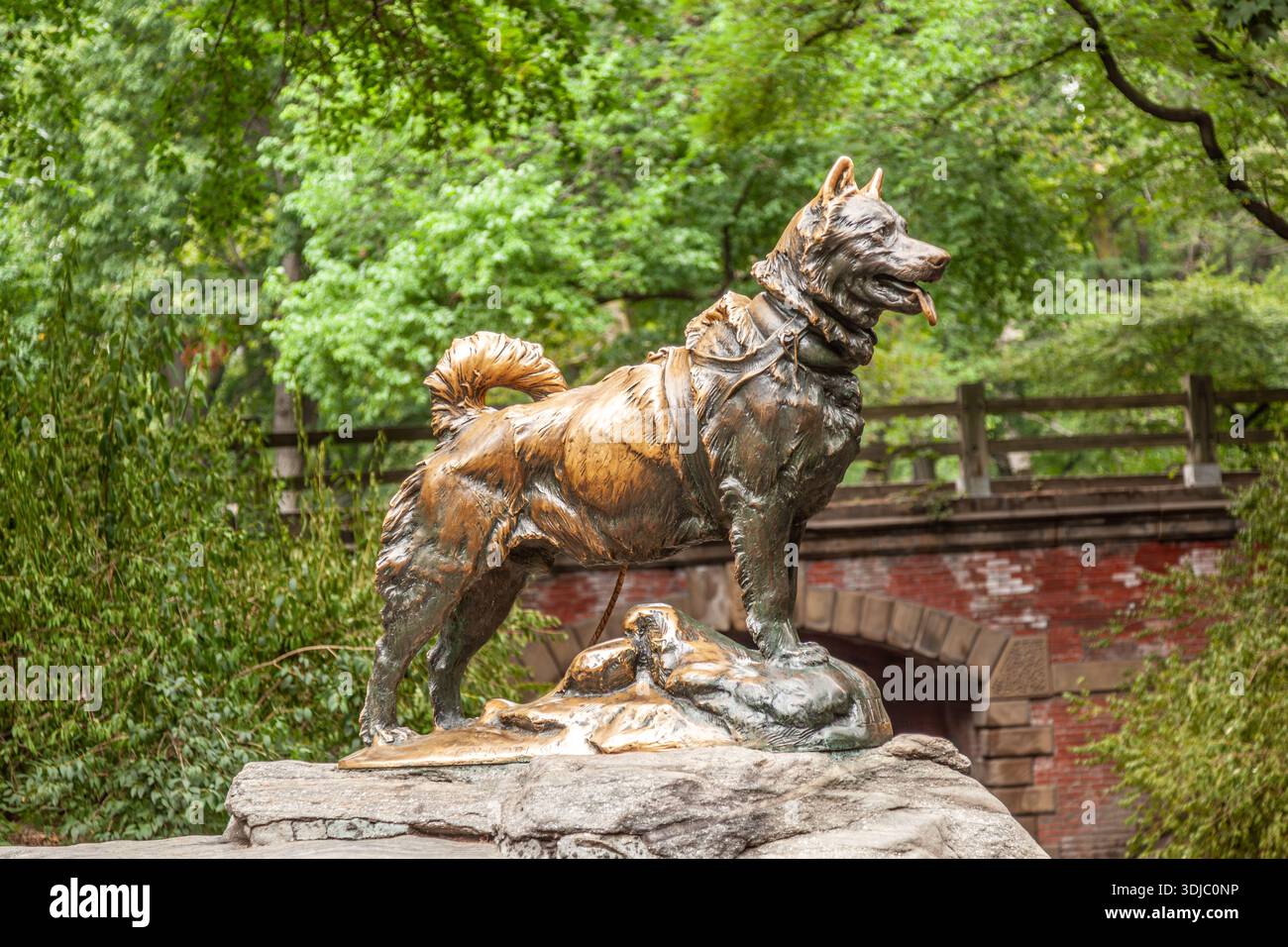
Gunnar Kaasen received the serum from Charlie Olson (who had received it from Seppala) at Bluff and completed the final 53 miles into Nome. His lead dog, Balto, gained international fame for leading the team through the final blizzard-strewn stretch into town. The success of the delivery on February 2, 1925, only six days after the relay began, solidified the legendary status of both the mushers and their sled dogs in American history.
The Role of Technology and Logistics
The 1925 serum run remains a landmark study in extreme logistics. The logistical constraints were compounded by the fragility of the antitoxin, which had to be kept at a specific temperature range to remain effective—neither freezing nor overheating. The participants utilized heavy fur gear to survive, while the dogs faced the constant risk of paw lacerations and exhaustion.
| Musher | Distance Covered (Miles) | Significance |
|---|---|---|
| "Wild Bill" Shannon | 52 | Initiated the relay from Nenana |
| Leonhard Seppala | 261 | Covered the most dangerous stretch (Norton Sound) |
| Gunnar Kaasen | 53 | Delivered the serum to Nome |
| Total Relay | 674 | Entire distance completed in 127.5 hours |
This table represents the segments that defined the critical nature of the relay. While other mushers were vital to the success of the mission, these three represent the beginning, the most technically difficult middle, and the successful conclusion of the medical delivery.
Public Impact and Historical Significance
The news of the relay captivated the United States. During a time when communication was limited to newspapers and radio broadcasts, the story of the "Great Race of Mercy" served as a morale booster, demonstrating the power of human endurance and the bond between mushers and their dogs. The success of the mission led to a significant increase in the popularity of Siberian Huskies in North America.
Furthermore, the 1925 serum run highlighted the urgent need for better infrastructure in Alaska. The event played a role in accelerating the development of aviation in the territory, as authorities recognized that reliance on dog sled teams for emergency logistics was no longer sustainable as the territory continued to grow. This realization helped bridge the gap between frontier life and the modern era of Alaskan transportation.
Medical and Physiological Considerations
Diphtheria, caused by the bacterium Corynebacterium diphtheriae, produces a toxin that can lead to airway obstruction and systemic heart or nerve damage. The rapid deployment of the antitoxin was the only way to neutralize the circulating toxin. Dr. Welch’s ability to correctly diagnose the condition in its early stages was just as critical as the relay itself.
The physical toll on the dogs was immense. The relay required the animals to pull heavy sleds through deep snow and over thin sea ice that threatened to break at any moment. The success was not due to a single "super-dog," but rather the coordinated effort of hundreds of dogs, all trained for the specific environment of the Alaskan interior. Understanding the physiological capacity of these animals and the specialized equipment of the mushers provides insight into the history of high-latitude exploration and survival.
Frequently Asked Questions
1. Why was the serum not sent by plane? In 1925, aviation in Alaska was in its infancy. Planes of that era lacked the specialized heating systems and navigation tools necessary to survive the intense winter storms and freezing temperatures present during the epidemic.
2. Was Balto the only lead dog in the relay? No. Balto was the lead dog for the final leg, but Togo is often cited by historians as having done more of the heavy lifting. Togo, led by Leonhard Seppala, covered the most difficult and longest portion of the route.
3. Did the serum run end diphtheria in Alaska? The serum provided the necessary antitoxin to treat those already infected and, coupled with quarantine measures, halted the immediate outbreak. However, vaccination programs were required in the following years to achieve long-term immunity for the local population.
4. Where can the history of the 1925 serum run be viewed today? Various museums in Alaska, including the Nome Museum and the Iditarod Trail Sled Dog Race headquarters in Wasilla, preserve artifacts, photographs, and records of the 1925 event for public viewing as of 2026.
Recommended Next Actions for Further Learning
For those interested in a deeper analysis of the event, the best approach is to examine primary source documents held by the Alaska State Archives. These archives contain correspondence from territorial officials and telegraph transcripts from the days of the relay. Additionally, biographies of Leonhard Seppala offer a granular look at the specialized skills required for Arctic mushing. If you are planning to travel to Alaska, consider visiting the Iditarod Trail headquarters to view the original sleds and equipment used in various iterations of the route, which provides the best context for the physical scale of the 1925 achievement.