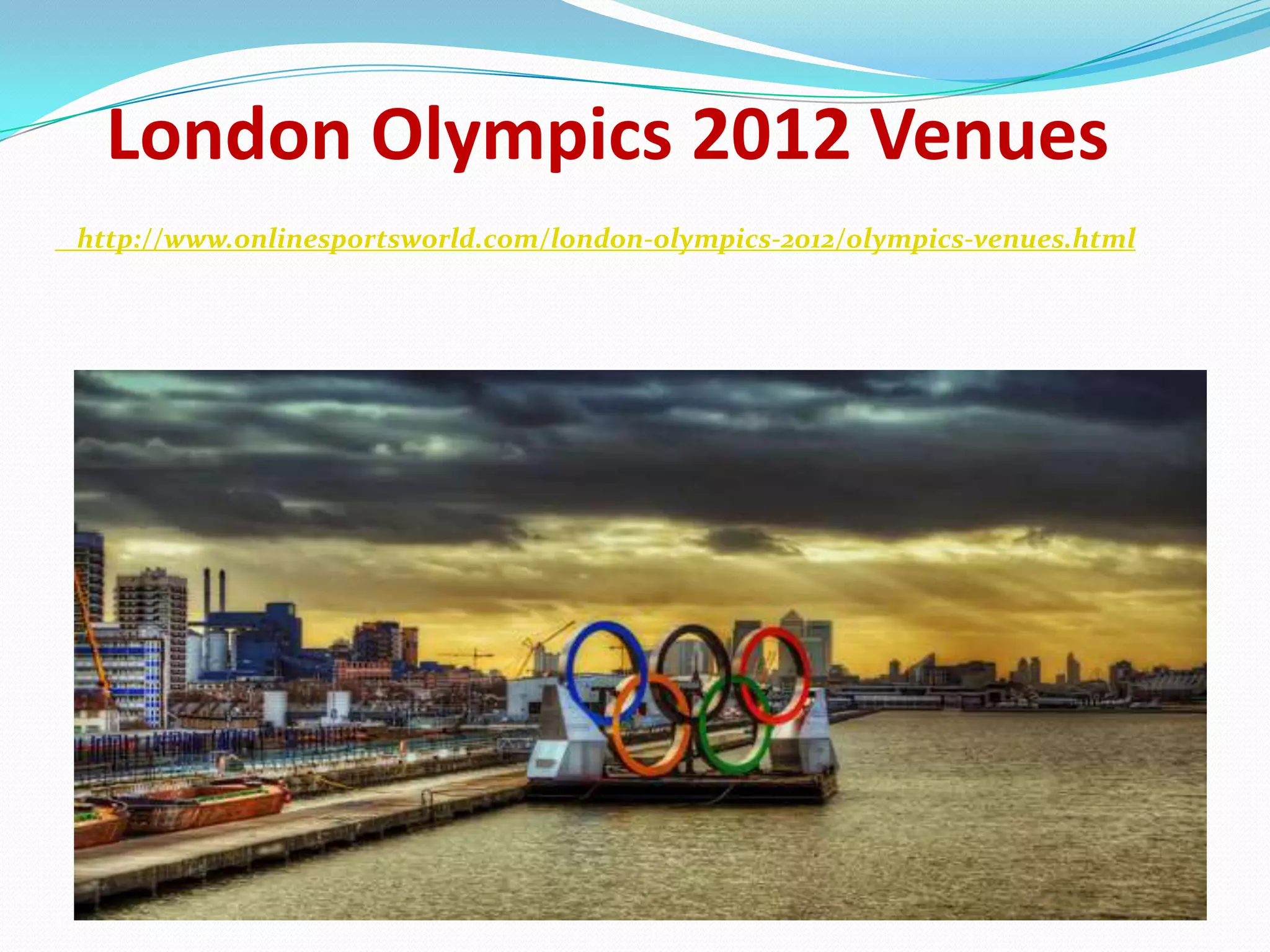
The 2012 Summer Olympics, officially known as the Games of the XXX Olympiad, represented a milestone event for international sport, transforming London through massive infrastructure development, setting historic athletic benchmarks, and establishing a modern blueprint for urban regeneration and sustainable mega-event management.
Historical Context and the Bid Process
The journey of the 2012 Olympics began long before the first athlete entered the stadium. The bidding process was a fiercely contested international race involving heavyweights such as New York, Madrid, Moscow, Paris, and London. On July 6, 2005, at the 117th IOC Session in Singapore, International Olympic Committee President Jacques Rogge announced that London had secured the rights to host the Games, prevailing over Paris in a dramatic final round of voting.
London’s successful bid relied heavily on a vision of urban regeneration, promising to transform a heavily industrialized and deprived area of East London into a thriving hub for sports, business, and residential living. The concept tapped into the historical legacy of the city while offering a modern, compact footprint that prioritized public transportation and athlete convenience.
However, winning the bid immediately triggered a massive logistical challenge. The organizing committee had to transition from a conceptual blueprint to physical reality within a strict seven-year window. This required unprecedented cooperation between the UK government, the Mayor of London, the Greater London Authority, and private stakeholders to secure funding, acquire land, and clear environmental hurdles.
Infrastructure and Venue Development
The construction of the Olympic Park in Stratford, East London, stands as one of the largest civil engineering projects in modern British history. Before venues could rise, the site required extensive remediation. Decades of industrial use had left the land contaminated with heavy metals, oil, and tar. Project engineers undertook a massive soil-washing program, cleaning over two million tons of earth and recycling it back into the landscape.
The master plan balanced newly built permanent venues with temporary structures designed to be dismantled or downscaled after the Games, preventing the creation of white elephants—costly, underutilized facilities that plagued previous host cities like Athens or Beijing.
Permanent Venues
- The Olympic Stadium: Designed by Populous, the multi-purpose stadium originally featured a capacity of 80,000, encircled by a lightweight cable-supported roof and a wrapping made from recycled gas pipes.
- The London Aquatics Centre: Designed by world-renowned architect Zaha Hadid, this wave-roofed facility featured two 50-meter pools and a diving pool, showcasing breathtaking engineering and fluid design.
- The Velopark: Incorporating both an indoor velodrome and an outdoor BMX track, the velodrome earned acclaim for its sustainability features and energy-efficient ventilation.
- The Copper Box Arena: A multi-arena venue constructed largely from recycled materials, hosting handball and modern pentathlon fencing.
Temporary and Existing Venues
To maintain fiscal responsibility, the organizing committee utilized existing world-class venues across London and the UK, including Wembley Stadium for football matches, Wimbledon's All England Club for tennis, and Lord’s Cricket Ground for archery. Temporary arenas, such as the Horse Guards Parade for beach volleyball and the Excel Exhibition Centre for combat sports, demonstrated remarkable temporary architecture.
The Games and Athletic Highlights
The 2012 Summer Olympics ran from July 27 to August 12, 2012, bringing together 10,700 athletes representing 204 National Olympic Committees. For the first time in Olympic history, every participating delegation included female athletes, marking a monumental step forward for gender equality in sports. Saudi Arabia, Qatar, and Brunei all sent female competitors for the first time.
The athletic competition produced indelible moments across numerous disciplines, capturing the global imagination.
| Sport / Discipline | Key Highlight / Record Set | Notable Athlete(s) |
|---|---|---|
| Athletics (Sprinting) | Defended sprint titles, setting world and Olympic records | Usain Bolt (Jamaica) |
| Swimming | Cemented status as the most decorated Olympian of all time | Michael Phelps (USA) |
| Gymnastics | Led the US women's team ("Fierce Five") to all-around team gold | Gabby Douglas, Simone Biles (era context) |
| Cycling (Track) | Dominated the velodrome events with multiple gold medals | Sir Chris Hoy, Laura Trott (Great Britain) |
| Distance Running | Secured historic 5,000m and 10,000m double victories | Mo Farah (Great Britain) |
Beyond individual brilliance, the Games were characterized by widespread public engagement. Ticket sales exceeded expectations, with over 8 million tickets sold. Packed stadiums created an electric atmosphere that athletes consistently cited as one of the most intense and supportive in Olympic history. The deployment of tens of thousands of volunteers, known as "Games Makers," ensured smooth operations across transport hubs, venues, and media centers.
Budget, Governance, and Economic Impact
The financial management of the 2012 Olympics remains a subject of extensive study for economists and event planners. The initial public sector funding estimate presented during the 2005 bid was roughly £2.4 billion. However, following a comprehensive review in 2007, the UK government revised the Public Sector Funding Package to £9.3 billion to account for security costs, VAT, venue security, and contingency reserves.
Despite the initial sticker shock, the final expenditure remained within the revised budget, with millions returned to the Treasury. The economic impact was realized through job creation, tourism boosts, and accelerated transport infrastructure projects, notably the expansion of the Docklands Light Railway (DLR) and the high-speed Javelin train service linking central London to Stratford.
Financial Oversight and Accountability
- The Olympic Delivery Authority (ODA): Responsible for building the venues and infrastructure on time and within budget.
- The London Organising Committee of the Olympic Games (LOCOG): Tasked with staging the actual event, funded primarily through private revenue streams such as sponsorships, broadcasting rights, ticket sales, and merchandise.
Legacy, Regeneration, and Long-Term Impact
The true measure of a modern Olympic Games is evaluated through its multi-decade legacy. The transformation of East London serves as a case study in successful urban renewal.
Following the conclusion of the Paralympics in September 2012, the Olympic Park underwent a multi-year transition program to reopen as the Queen Elizabeth Olympic Park. The Athlete's Village was converted into residential neighborhoods known as East Village, providing over 2,800 homes, half of which were designated as affordable housing.
- [2012 Games Period]
- [Venue Conversion & Transition]
- Queen Elizabeth Olympic Park (Public Green Space & Sports Hub)
- East Village (Residential Housing)
- Commercial & Cultural Hub (Here East, Sadler's Wells, BBC)
- [Long-Term Economic & Social Benefits]
- Improved Public Transit Infrastructure
- Increased East London Property Values & Investment
- Enhanced Youth Sports Participation Rates
- [Venue Conversion & Transition]
The permanent venues continue to serve elite athletes and the local community alike. The London Aquatics Centre and the Copper Box Arena operate as accessible public leisure centers. The former Olympic Stadium was successfully transformed into the home ground of West Ham United Football Club while retaining a multi-sport athletics legacy, hosting events like the World Athletics Championships in 2017.
Furthermore, the creative and technological sector found a home in the former Press and Broadcast Centre, rebranded as "Here East," which now hosts universities, technology startups, and media organizations, anchoring a new digital and cultural cluster in East London.
Frequently Asked Questions
What dates did the 2012 Summer Olympics take place?
The 2012 Summer Olympics officially ran from July 27 to August 12, 2012, preceded and followed by various preliminary matches and the Paralympic Games, which ran from August 29 to September 9, 2012.
Which city hosted the 2012 Olympic Games?
London, United Kingdom, hosted the 2012 Games. This marked the third time London hosted the Summer Olympics, having previously hosted them in 1908 and 1948.
Who topped the medal table at the London 2012 Olympics?
The United States topped the overall medal table at the 2012 Olympics, capturing 48 gold medals and 104 total medals, followed by China in second place and Great Britain in third place with a historic haul of 29 gold medals.
How much did the 2012 London Olympics cost?
The total public sector funding package for the staging and infrastructure of the Games was capped at £9.3 billion. The final cost remained within this envelope, with the organizing committee (LOCOG) independently balancing its operational budget through private sponsorships, tickets, and broadcasting rights.
What happened to the Olympic Park after the Games ended?
The Olympic Park was renamed the Queen Elizabeth Olympic Park. It underwent a major transformation to integrate the venues into the local community, opening up parklands, waterways, residential housing (East Village), educational facilities, and commercial business hubs.
Practical Recommendations for Researchers and Planners
For researchers, historians, and urban planners examining the 2012 Olympics, the event offers a rich dataset on public-private partnerships, environmental remediation, and sustainable urban design. When studying the London model, review official post-games evaluation reports published by the UK government and the International Olympic Committee. Focus on how early stakeholder engagement and rigorous contingency planning mitigate cost overruns and secure long-term civic utility.