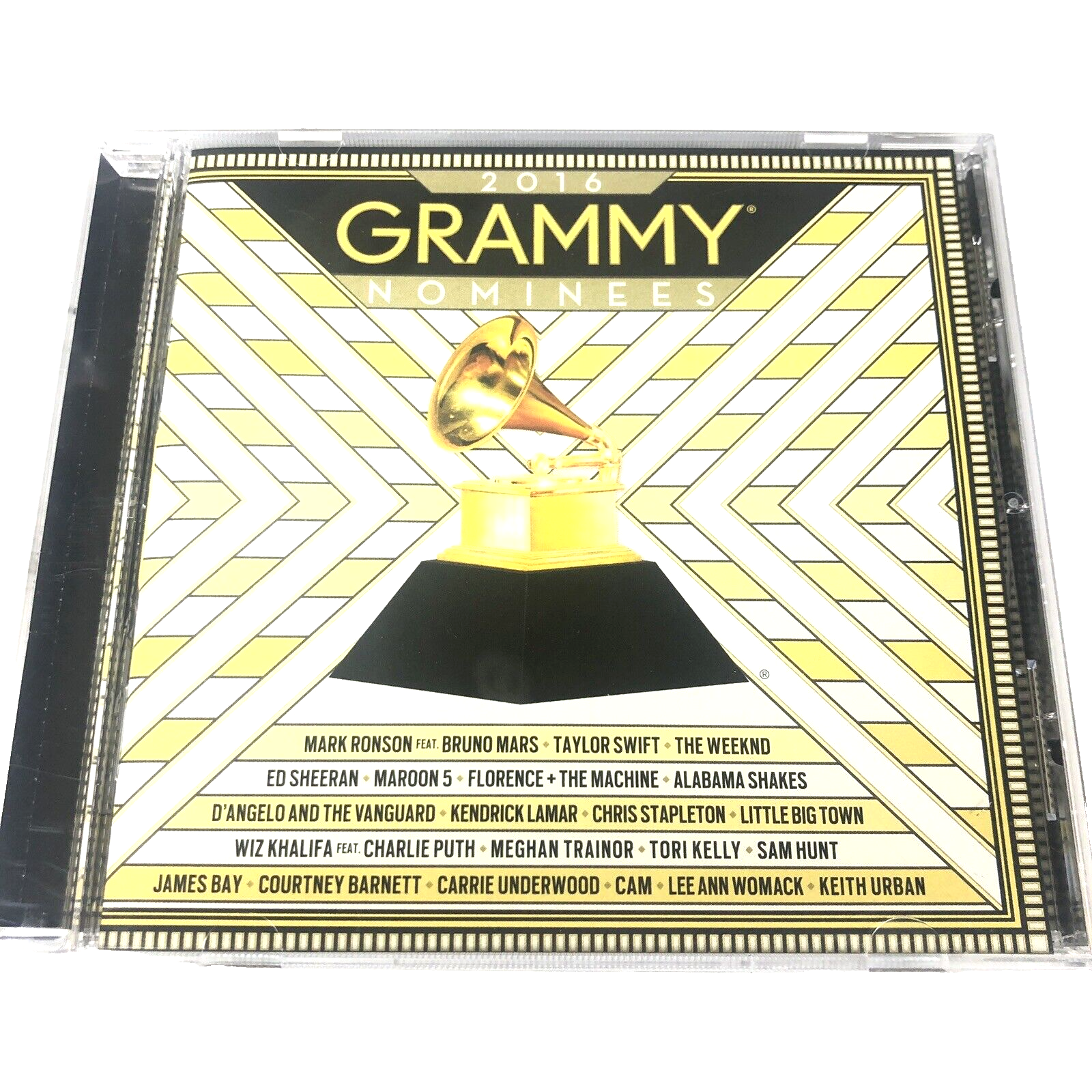
The 2016 Grammy nominees, announced by The Recording Academy on December 7, 2015, for the 58th Annual Grammy Awards held on February 15, 2016, represented a pivotal crossroads in modern popular music. Kendrick Lamar led the field with 11 nominations for his landmark album To Pimp a Butterfly, followed closely by Taylor Swift and The Weeknd with seven nominations each. This cohort captured a dynamic tension between traditional commercial pop dominance, boundary-pushing hip-hop, and the evolving digital streaming landscape.
Historical Framework and Selection Process for the 58th Grammy Awards
Understanding the 2016 Grammy nominees requires examining the mechanics of The Recording Academy's voting structure and eligibility window. The eligibility period for the 58th Annual Grammy Awards spanned from October 1, 2014, to September 30, 2015. Recordings released during this twelve-month window were submitted by record labels and registered members for consideration across 83 fields and 83 categories (which later expanded slightly in subsequent years).
The nomination process relies on two distinct phases:
- First Round Voting: Voting members of The Recording Academy—comprising artists, songwriters, producers, mixers, and engineers—vote within their areas of expertise to narrow down entries.
- Nominating Review Committees: For major categories such as Album of the Year, Record of the Year, Song of the Year, and Best New Artist, secret vetting committees traditionally reviewed the top 20 entries selected by general voting members to determine the final nominees. This mechanism aimed to balance commercial success with peer-acknowledged artistic merit, though it often sparked intense debate among fans and industry insiders regarding transparency.
The Big Four Categories: Nominees and Cultural Impact
The four primary categories—often referred to as the "General Field"—attract the highest public scrutiny and cultural significance. The 2016 nominees in these spaces highlighted a generational shift in how music was consumed, produced, and valued.
Album of the Year
The Album of the Year category pitted massive commercial juggernauts against critically revered artistic statements.
- To Pimp a Butterfly – Kendrick Lamar
- 1989 – Taylor Swift
- Beauty Behind the Madness – The Weeknd
- Sound & Color – Alabama Shakes
- Traveller – Chris Stapleton
To Pimp a Butterfly fused jazz, funk, and spoken word into a searing exploration of race, identity, and systemic trauma in America. Conversely, Taylor Swift’s 1989 cemented her definitive transition from country-pop to synth-pop hegemony, generating a string of chart-topping singles. Chris Stapleton’s Traveller demonstrated the enduring power of traditional roots-country, capturing mainstream attention following his breakout performance at the CMA Awards. Alabama Shakes brought neo-blues and roots rock into the premier tier, while The Weeknd blended dark R&B with infectious pop structures.
Record of the Year
Record of the Year honors the artist, producers, recording engineers, and mixers of a specific single track.
- "Fancy" – D'Angelo and The Vanguard
- "Uprising" / "Thinking Out Loud" – Ed Sheeran
- "Blank Space" – Taylor Swift
- "Can't Feel My Face" – The Weeknd
- "Uptown Funk" – Mark Ronson featuring Bruno Mars
Mark Ronson and Bruno Mars's "Uptown Funk" dominated the airwaves and cultural consciousness throughout 2015, capturing a retro-funk revival that resonated across demographics. Ed Sheeran's acoustic-driven ballad "Thinking Out Loud" became a wedding staple and a streaming titan, while Taylor Swift's "Blank Space" offered a self-aware satire of her media persona set to pristine pop production.
Song of the Year
Song of the Year is a songwriter's award, recognizing the creators of the composition rather than the performers or producers.
- "Blank Space" – Written by Max Martin, Shellback, and Taylor Swift (performed by Taylor Swift)
- "Girl Crush" – Written by Hillary Lindsey, Lori McKenna, and Liz Rose (performed by Little Big Town)
- "See You Again" – Written by Andrew Cedar, Justin Franks, Charles Puth, and Cameron Thomaz (performed by Wiz Khalifa featuring Charlie Puth)
- "Thinking Out Loud" – Written by Ed Sheeran and Amy Wadge (performed by Ed Sheeran)
- "Alright" – Written by Kendrick Duckworth, Mark Anthony Spears, and Pharrell Williams (performed by Kendrick Lamar)
Kendrick Lamar's anthem "Alright" functioned as an unofficial protest chant for the Black Lives Matter movement, transforming abstract hip-hop lyricism into an urgent social document. Meanwhile, "Girl Crush" by Little Big Town showcased masterful Nashville songwriting, utilizing clever lyrical misdirection to explore jealousy.
Best New Artist
The Best New Artist category identifies breakthrough talent making a significant impact during the eligibility year.
- Courtney Barnett
- James Bay
- Sam Hunt
- Tori Kelly
- Meghan Trainor
This diverse slate featured Australian indie-rock singer-songwriter Courtney Barnett, British blues-pop troubadour James Bay, country-pop innovator Sam Hunt, vocal powerhouse Tori Kelly, and retro-pop hitmaker Meghan Trainor. The eclectic mix underscored the fractured yet interconnected nature of mid-2010s music consumption.
Complete Overview of Major Genre Nominees
Beyond the general field, genre-specific categories offered profound insights into the state of music in 2015.
Rap and R&B Fields
Kendrick Lamar’s dominance extended deep into the rap categories. To Pimp a Butterfly competed alongside works by J. Cole (2014 Forest Hills Drive), Dr. Dre (Compton), Drake (If You're Reading This It's Too Late), and Nicki Minaj (The Pinkprint). In the Rap Performance category, tracks like Lamar’s "Alright" went head-to-head with Drake's "Energy" and Kanye West's "All Day."
In R&B, The Weeknd faced formidable competition from Erykah Badu, Jazmine Sullivan, Jeremih, and Lianne La Havas. The blurred lines between alternative R&B, traditional soul, and electronic production defined this era.
Rock, Alternative, and Pop Fields
Alabama Shakes led the rock categories, while other nominees included Florence + The Machine, Foo Fighters, and Wolf Alice. In the alternative music space, Tame Impala’s Currents vied for supremacy against albums by Wilco, My Morning Jacket, Death Cab for Cutie, and Alabama Shakes. The pop categories featured vocal heavyweights like Kelly Clarkson, Adele (though 25 fell just outside the official eligibility window, its singles shaped the discourse), and Sia.
| Category | Nominee / Work | Primary Artist(s) | Notable Attributes |
|---|---|---|---|
| Album of the Year | To Pimp a Butterfly | Kendrick Lamar | Politically charged fusion of jazz, funk, and hip-hop. |
| Album of the Year | 1989 | Taylor Swift | Massive commercial synth-pop transition. |
| Record of the Year | "Uptown Funk" | Mark Ronson ft. Bruno Mars | Retro-funk revival dominating global airwaves. |
| Song of the Year | "Alright" | Kendrick Lamar | Grassroots protest anthem and cultural touchstone. |
| Best New Artist | Courtney Barnett | Courtney Barnett | Acclaimed Australian indie-rock lyricism. |
Streaming Evolution and Industry Dynamics in 2015
The 2016 Grammy nominations arrived at a critical financial inflection point for the music industry. By late 2015, paid subscription streaming services like Spotify, Apple Music (which launched in July 2015), and TIDAL were overtaking physical CD sales and digital downloads as the primary revenue drivers.
In June 2015, The Recording Academy officially updated its eligibility guidelines to allow commercially released streaming-only tracks and albums to compete, provided they were available on general distribution platforms. This regulatory shift directly benefited artists whose primary footprint lived on digital streaming platforms, signaling the Academy’s effort to stay relevant as consumption habits shifted away from iTunes purchases and physical retail.
Frequently Asked Questions About the 2016 Grammys
Who received the most nominations for the 2016 Grammy Awards?
Kendrick Lamar led all artists with 11 nominations, largely driven by his critically acclaimed third studio album, To Pimp a Butterfly. Taylor Swift and The Weeknd followed with seven nominations each.
Who won Album of the Year at the 58th Grammy Awards?
Taylor Swift won Album of the Year for 1989, making her the first female solo artist to win the category twice for her own solo recordings (having previously won for Fearless in 2010).
Why was Kendrick Lamar's To Pimp a Butterfly considered historic at the 2016 Grammys?
Aside from securing 11 nominations—tying Michael Jackson’s single-night record for Thriller era tallies (surpassed later by other artists)—the album brought explicitly political, intersectional conversations about systemic racism and Black identity to the forefront of the mainstream award ceremony.
What was the eligibility date range for the 2016 Grammys?
The eligibility window for the 58th Annual Grammy Awards ran from October 1, 2014, through September 30, 2015. Any music released outside this window was relegated to consideration for the following year.
Did streaming-only releases qualify for the 2016 Grammy Awards?
Yes. Following rule adjustments implemented by The Recording Academy, commercial audio streaming releases available on subscription-tier services were eligible for nomination, ensuring modern consumption models were properly represented.
Practical Takeaways and Archival Value
For music historians, researchers, and pop culture analysts, reviewing the 2016 Grammy nominees provides a precise snapshot of a shifting cultural ecosystem. While mainstream accolades often favor commercial accessibility, the 2016 ceremony proved that critical acclaim and commercial success could occasionally intersect in groundbreaking ways. When examining historical music trends, researchers should cross-reference official Recording Academy voting lists with RIAA certification data and streaming milestone reports from 2015 to construct a complete picture of the era's musical landscape.