The year 2016 occupies a uniquely nostalgic and chaotic space in modern cultural history, serving as a watershed moment where digital meme culture, viral internet challenges, prestige television, and unprecedented celebrity milestones collided. Defined by seismic shifts in social media engagement, the sudden passing of several defining musical and cinematic icons, and a rapidly evolving digital landscape, 2016 fundamentally changed how global audiences consume, react to, and archive popular culture.
The Cultural Landscape of 2016: An Overview
To understand 2016 pop culture, one must examine a media ecosystem caught between traditional broadcast models and the hyper-accelerated feeds of platforms like Twitter, Instagram, and the rising tide of Vine and early TikTok precursors like Musical.ly. It was a transitional epoch: streaming services such as Netflix were cementing their dominance with original prestige programming, while linear television still commanded massive, synchronized viewing audiences for live events.
Simultaneously, the year was marked by profound collective grief. The entertainment world lost legendary figures whose artistic output had shaped decades of music, film, and fashion. This juxtaposition of lighthearted, highly shareable internet frivolity with heavy cultural mourning gave 2016 a distinct emotional volatility. Audiences sought refuge in immersive entertainment, leading to record-breaking box offices, viral sensations, and cultural touchstones that continue to resonate a decade later.
Defining Viral Trends and Internet Phenomena
The internet in 2016 was characterized by participatory media. Rather than merely consuming content, users actively engaged in building, modifying, and sharing digital fads that quickly crossed over into mainstream news and celebrity participation.
The Mannequin Challenge and Digital Virality
The Mannequin Challenge stands out as one of the defining participatory video trends of the era. Originating in high schools, the trend involved groups of people freezing in action-packed or mundane poses like mannequins while a camera operator walked through the scene, typically set to Rae Sremmurd’s track "Black Beatles." The trend rapidly escalated as professional sports teams, Hollywood actors, political figures, and musical artists staged elaborate freezes. It demonstrated the unprecedented power of a single hip-hop track to anchor a global visual meme across disparate demographics.
Pokémon GO and Augmented Reality
In July 2016, Niantic, in collaboration with Nintendo and The Pokémon Company, released Pokémon GO. The augmented reality mobile game transformed public parks, city streets, and historical landmarks into hunting grounds for digital creatures. For several weeks, the game achieved a level of public saturation rarely seen in gaming history, driving millions of people outdoors, sparking unique social interactions, and altering pedestrian traffic patterns worldwide. It marked the commercial breakthrough of augmented reality and proved the enduring viability of legacy intellectual properties in modern mobile formats.
Music Milestones and Defining Albums
The music industry in 2016 experienced major artistic statements that redefined album releases, visual media integration, and streaming dominance. Artists bypassed traditional rollout strategies to deliver culturally seismic projects.
Visual Albums and Surprise Drops
Beyoncé’s visual album Lemonade, released in April 2016 on HBO before hitting streaming platforms, set a new benchmark for narrative-driven pop music. Blending genres from rock and country to R&B and hip-hop, the album explored themes of infidelity, race, generational trauma, and womanhood, sparking intense cultural discourse and critical acclaim.
Similarly, Kanye West’s The Life of Pablo challenged traditional album permanence by being continuously updated, mixed, and altered on streaming platforms after its initial release. This era highlighted the shift from physical media ownership to fluid, cloud-based music consumption.
The Loss of Icons
The year was devastating for music heritage. The passing of David Bowie in January 2016—just days after releasing his final masterpiece, Blackstar—and Prince in April shocked the global community. These losses triggered massive waves of communal remembrance, retrospective analysis, and a renewed appreciation for artists who maintained absolute creative control and boundary-pushing aesthetics throughout their careers.
Television and Streaming Shifts
Television in 2016 bridged the gap between traditional cable prestige and binge-watching culture. Netflix solidified its status as a cultural powerhouse, while cable networks fought to maintain relevance through high-concept storytelling.
Stranger Things and Nostalgia Streaming
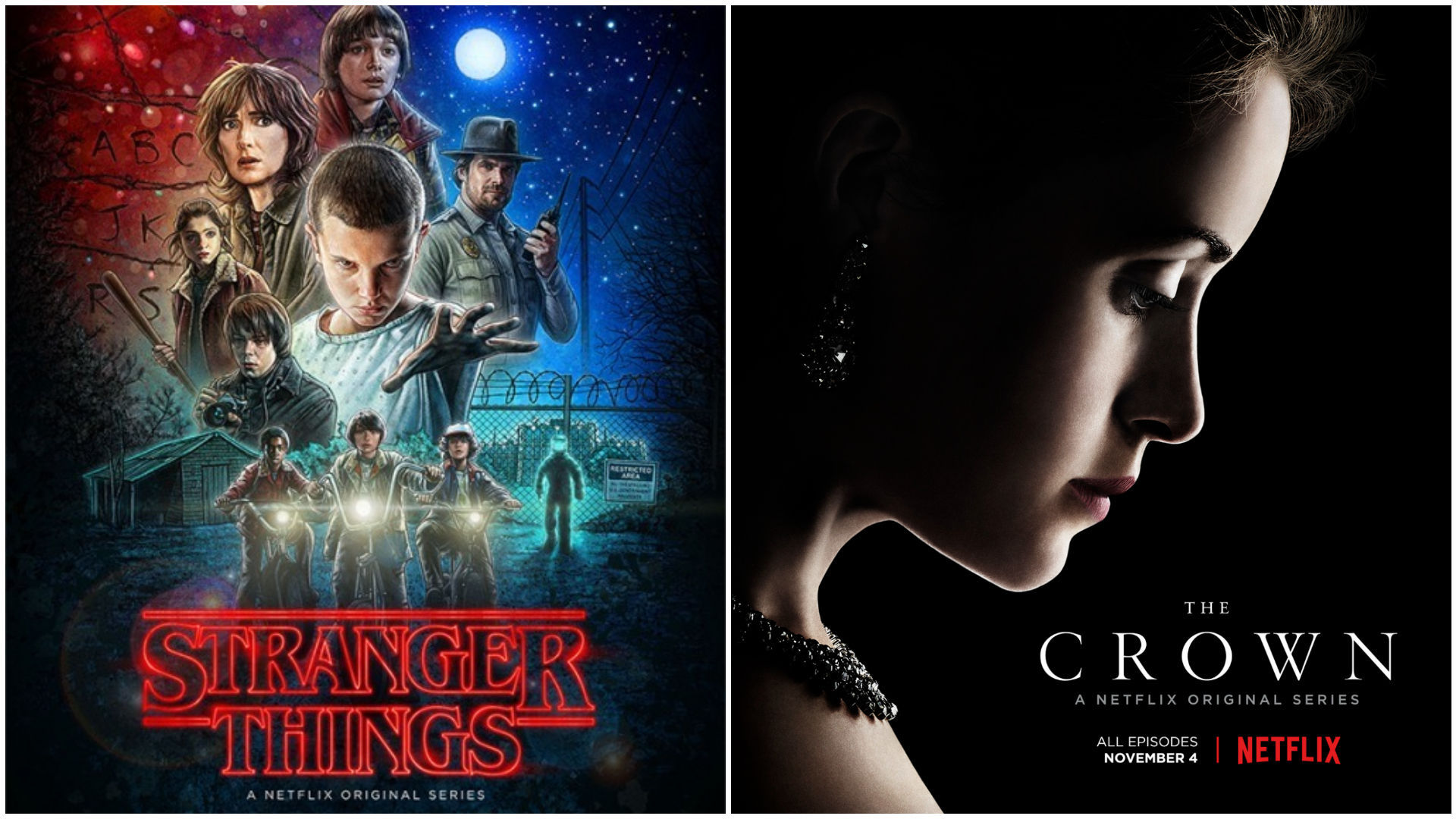
In July 2016, Netflix premiered Stranger Things, created by the Duffer Brothers. The sci-fi horror series became an overnight cultural phenomenon, propelling its young cast to global stardom and single-handedly accelerating a massive 1980s pop culture revival. The show's success proved the viability of binge-released, high-production-value nostalgic media designed to appeal across multiple generations simultaneously.
Live Television Events and Prestige Drama
While streaming grew, live television maintained its grip through culturally defining moments. HBO’s Game of Thrones aired its monumental sixth season, highlighted by the critically acclaimed episode "Battle of the Bastards." Meanwhile, FX’s The People v. O. J. Simpson: American Crime Story captivated millions, dominating awards season and demonstrating the public appetite for meticulously crafted true-crime dramatizations.
Comparison of Major 2016 Pop Culture Mediums
| Medium / Category | Dominant Event or Release | Cultural Impact | Long-Term Legacy |
|---|---|---|---|
| Mobile Gaming | Pokémon GO | Brought augmented reality into mainstream public consciousness and daily life. | Established mobile AR gaming frameworks still utilized today. |
| Music | Beyoncé’s Lemonade | Redefined the visual album format and sparked cross-demographic social commentary. | Set new standards for multimedia pop art and narrative cohesion in music. |
| Television | Netflix's Stranger Things | Sparked a global 1980s nostalgia wave and popularized binge-watching culture. | Cemented Netflix as a dominant creator of original mass-appeal intellectual property. |
| Internet Memes | The Mannequin Challenge | Mobilized global participation via social media platforms using sync audio. | Demonstrated the power of crowd-sourced viral video campaigns in marketing. |
The Legacy of 2016 in Modern Culture
Looking back from the vantage point of 2026, 2016 is frequently cited as the end of an era of relative digital innocence before social media algorithms, political polarization, and hyper-monetization entirely reshaped online behavior. The pop culture of 2016 was characterized by a distinct optimism in how technology could connect people through shared jokes, immersive games, and artistic breakthroughs, even amidst cultural mourning.
The trends born or popularized in 2016—such as the democratization of video creation via short-form platforms, the normalization of augmented reality, and the album-as-visual-event model—laid the foundational infrastructure for the entertainment landscape of the 2020s.
Frequently Asked Questions
What made 2016 such a notable year for pop culture?
2016 is remembered for a combination of groundbreaking media releases (Lemonade, Stranger Things), massive technological cultural shifts (Pokémon GO), viral social media phenomena (The Mannequin Challenge), and the profound loss of legendary artists like David Bowie and Prince.
How did Pokémon GO change mobile gaming in 2016?
Pokémon GO successfully integrated augmented reality (AR) with GPS mapping, forcing players to explore real-world geography to catch digital creatures. It generated unprecedented daily active user numbers and proved that AR technology could achieve mass-market commercial viability.
Why is Beyoncé's Lemonade considered a milestone?
Released as a surprise visual album on HBO, Lemonade combined complex musical composition across genres with a striking cinematic narrative exploring race, gender, infidelity, and identity, setting a new standard for album rollouts.
What was the Mannequin Challenge?
The Mannequin Challenge was a viral internet video trend where groups of people froze in action while a camera moved among them, typically set to Rae Sremmurd's song "Black Beatles." It gained massive traction among celebrities, athletes, and politicians worldwide.
How has the pop culture of 2016 aged over the past decade?
It is viewed retrospectively as a transitional cultural milestone—a moment just before streaming dominance and algorithmic feeds fully consolidated, representing a peak era of communal, participatory digital culture.
Practical Next Actions and Exploration
For those looking to explore or revisit the cultural touchstones of 2016, a structured approach yields the best historical appreciation:
- Revisit the Art: Stream foundational music releases like David Bowie’s Blackstar and Beyoncé’s Lemonade while examining their accompanying visual media.
- Explore Prestige Television: Watch the debut seasons of defining 2016 series such as Stranger Things and The People v. O. J. Simpson to understand the television landscape of the period.
- Analyze Digital Archives: Review preserved viral video compilations and internet trend histories to observe how social media humor and connectivity operated prior to the 2020s.