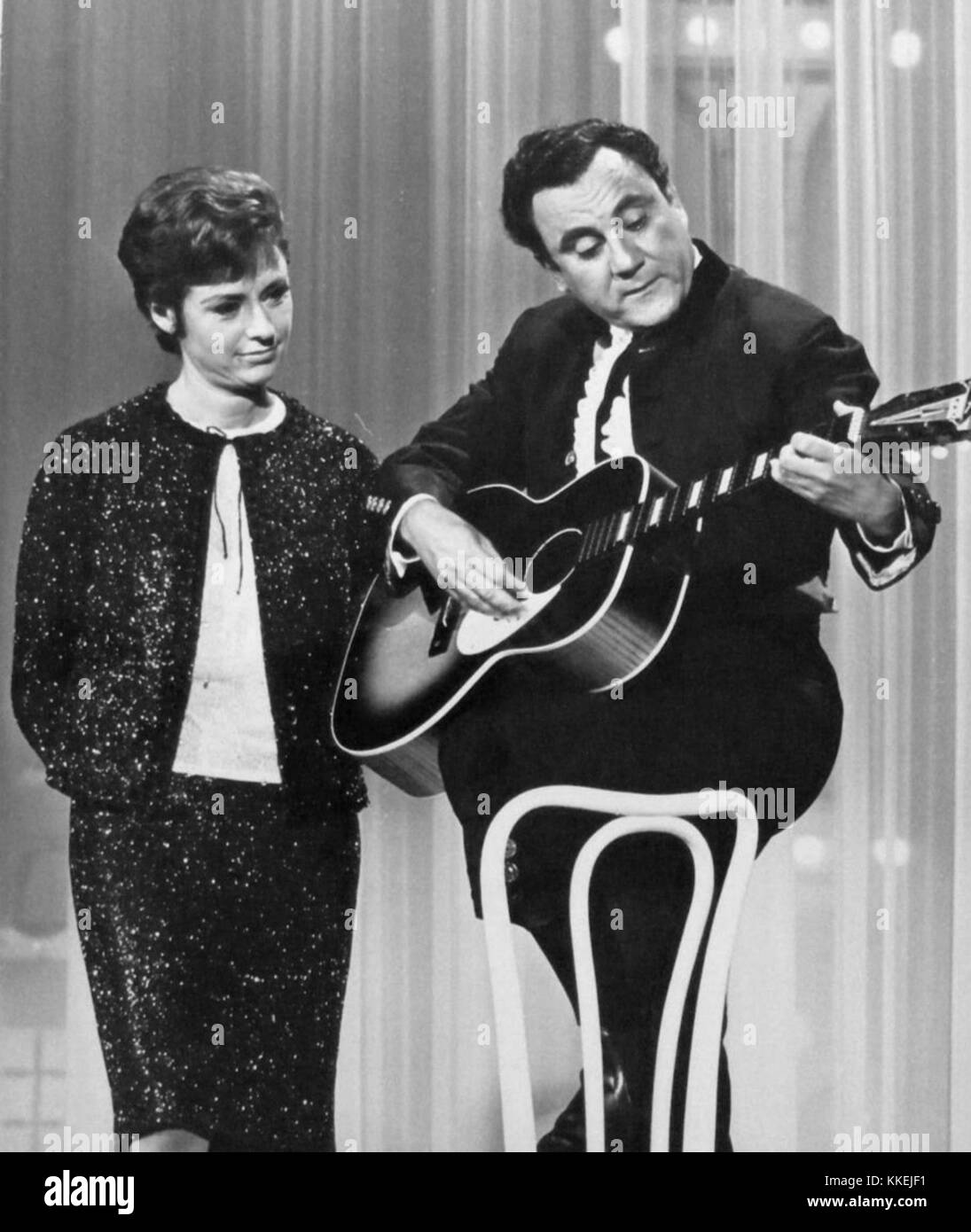
Entertainment in the 1960s was defined by a seismic shift from traditional broadcast norms toward experimental, youth-driven content that mirrored the decade's social upheaval. This transition was marked by the rise of television as a household staple, the global explosion of rock and roll, and the peak of the Hollywood studio system’s transformation into an era of independent and subversive filmmaking.
The Television Revolution: From Variety Shows to Satire
The 1960s cemented television as the primary domestic medium. At the start of the decade, the landscape was dominated by wholesome variety shows, such as The Ed Sullivan Show, which became the definitive platform for musical acts, including the historic 1964 appearance of The Beatles. However, as the decade progressed, the content began to reflect the anxieties of the era.
By the mid-1960s, situational comedies and genre-specific programming began to take risks. Sci-fi staples like Star Trek (1966–1969) utilized the futuristic setting to explore contemporary racial and political tensions. Meanwhile, the sketch comedy format found a new, sharper edge with Rowan & Martin's Laugh-In, which introduced rapid-fire pacing and political satire, departing from the measured, vaudeville-inspired variety acts that preceded it.
The Sonic Shift: Music as a Socio-Political Engine
Music in the 1960s acted as a catalyst for cultural change. The decade began with the polished sounds of Motown and the surf-rock aesthetic of the Beach Boys, but rapidly evolved into a landscape dominated by the "British Invasion" and the subsequent counterculture movement.
- The British Invasion: Beginning with The Beatles and followed by The Rolling Stones, The Kinks, and The Who, this wave redefined popular music production and songwriting. These groups transitioned from performing standard pop covers to crafting complex, self-penned albums.
- The Folk and Protest Movement: Artists like Bob Dylan and Joan Baez used music as a platform for activism. The transition of folk music to "folk-rock" proved that popular entertainment could effectively engage with the civil rights movement and anti-war sentiments.
- The Psychedelic Era: By the late 1960s, the Monterey Pop Festival (1967) and Woodstock (1969) signaled the peak of the festival experience. Music became immersive, characterized by studio experimentation, extended instrumental jams, and a departure from the traditional three-minute pop song structure.
Hollywood’s New Wave: The Decline of the Studio System
The 1960s witnessed the collapse of the Hays Code, the restrictive set of self-censorship guidelines that had governed film content for decades. The aging studio system, once reliant on big-budget musicals and epics, struggled to remain relevant to a younger, more cynical audience.
The arrival of "New Hollywood" marked a departure from sanitized narratives. Films like Bonnie and Clyde (1967), The Graduate (1967), and Easy Rider (1969) brought anti-heroes, moral ambiguity, and experimental cinematography to the forefront. These films were largely influenced by European cinema, particularly the French New Wave, which emphasized director-driven visions over studio-mandated formulas.
Comparing Mid-Century Entertainment Platforms
| Entertainment Medium | Primary 1960s Shift | Representative Example |
|---|---|---|
| Television | Move to satire and genre fiction | Star Trek |
| Music | Counterculture and experimentalism | Sgt. Pepper's Lonely Hearts Club Band |
| Film | Dismantling of the Hays Code | Bonnie and Clyde |
| Literature | Rise of New Journalism | In Cold Blood (Truman Capote) |
Literature and the Rise of New Journalism
While electronic media expanded rapidly, literature underwent its own transformation. The 1960s saw the birth of "New Journalism," a style that applied the narrative techniques of fiction to non-fiction reporting. Authors such as Truman Capote, Tom Wolfe, and Joan Didion blurred the lines between objective reporting and personal narrative. Truman Capote’s In Cold Blood (1966) is widely considered the definitive example of the "non-fiction novel," a genre that provided an intimate, almost cinematic view of reality that resonated with a public saturated by television news coverage.
Operational Constraints and Accessibility
Accessing entertainment in the 1960s was largely passive. Consumers were bound by the "broadcast schedule"—if an audience wanted to watch a specific television program, they had to be in front of a receiver at the designated time. Unlike today’s on-demand models, there was no mechanism for time-shifting or recording.
The cost of entry for entertainment was also tied to hardware. The transition from black-and-white to color television was the most significant technical hurdle for households. By the late 1960s, color television sets became the standard for new buyers, despite the higher price point. For music, the shift from mono to stereo recording became the industry standard by 1968, forcing music enthusiasts to upgrade their turntables and speakers to achieve the intended auditory experience.
Common Misconceptions Regarding 1960s Pop Culture
A frequent error in historical analysis is the assumption that the "counterculture" represented the entirety of 1960s life. In reality, the era was defined by a profound divide. While the youth movement dominated the discourse of music and film, large swaths of the population continued to favor traditional entertainers such as Dean Martin, Frank Sinatra, and the enduring popularity of classic Westerns. Entertainment in the 1960s was a constant negotiation between the established status quo and the emerging radical fringe.
Frequently Asked Questions
1. Was color television widely available throughout the entire 1960s? No. While color broadcasting existed, it was not the household standard until the latter half of the decade. Most broadcasts and home receivers remained black-and-white until the mid-to-late 1960s, when lower production costs made color sets accessible to the middle class.
2. How did the end of the Hays Code change movies? The dissolution of the Motion Picture Production Code allowed for more explicit depictions of violence, sexuality, and moral ambiguity. It ended the era where protagonists were required to be virtuous and criminals had to be punished on screen, leading to the darker, more realistic tone of late-1960s cinema.
3. What was the "British Invasion"? It refers to the influx of British rock and pop groups, led by The Beatles, into the American music market starting in 1964. This event fundamentally changed the American music industry by shifting the focus toward self-contained bands that wrote their own material.
4. Why is Woodstock often cited as the pinnacle of 1960s entertainment? Woodstock (1969) serves as a cultural signifier because it represented the convergence of music, social protest, and the communal ideals of the counterculture. It proved that a massive, independent event could operate largely outside of traditional corporate entertainment structures, setting the precedent for modern music festivals.
5. What is "New Journalism"? New Journalism is a literary style that emerged in the 1960s, where reporters used fiction-writing techniques—such as scene-setting, interior monologues, and thematic structure—to document real events. It allowed for a more immersive and subjective form of non-fiction.
Moving Forward with Historical Context
To gain a deeper understanding of 1960s entertainment, the best next step is to examine primary source materials from the era. Reviewing archival television listings from 1965 or listening to the progression of album releases between 1963 and 1969 provides a clearer picture of how rapidly the cultural climate changed. Understanding these shifts helps to explain why the media landscape we consume today looks and functions the way it does.