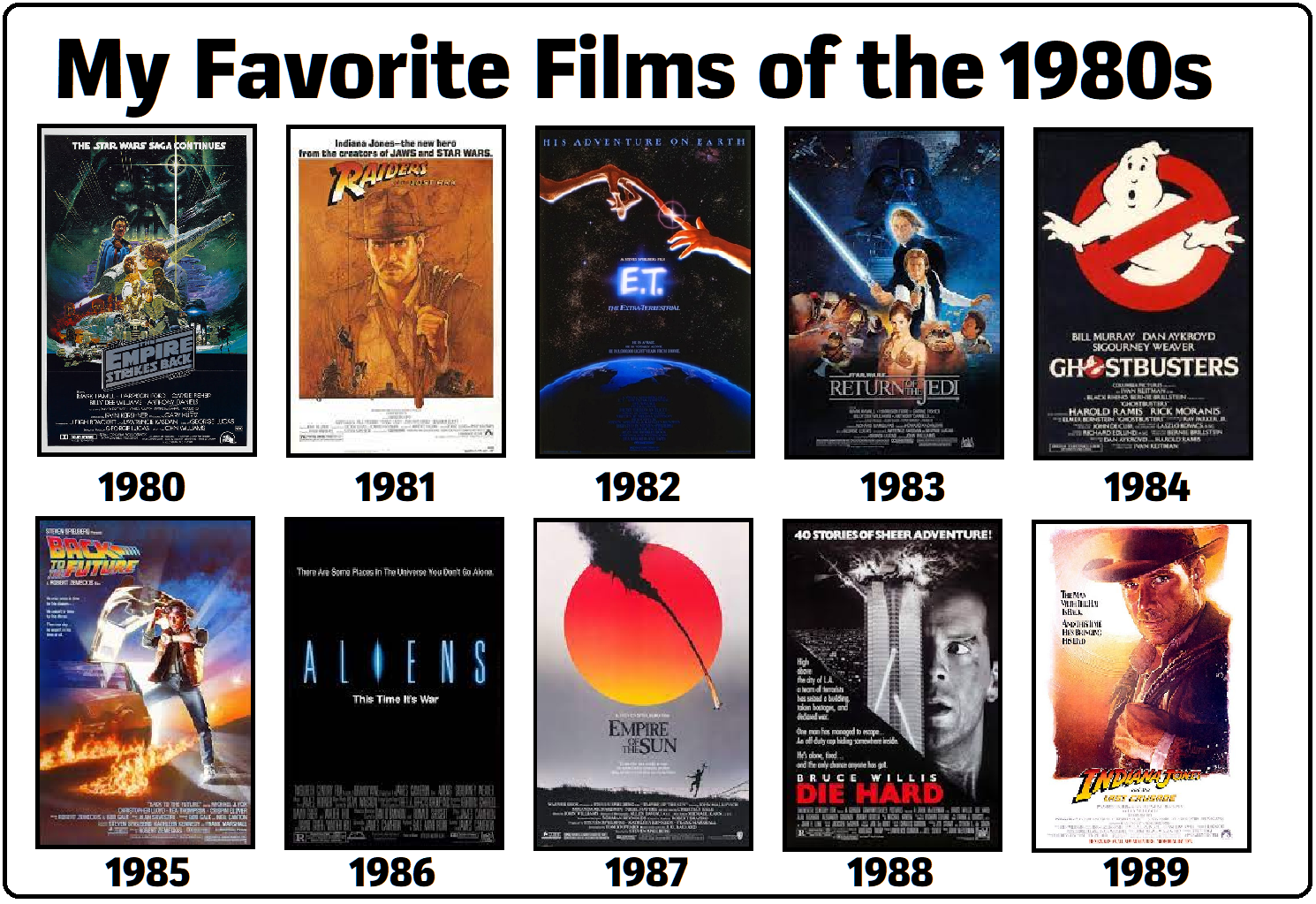
The concluding moments of 1980s cinema defined a golden era of blockbuster storytelling, shifting between ambiguous downers, high-concept twists, and triumphant, crowd-pleasing resolutions that forever altered how audiences experienced modern movie endings.
The conclusion of a film serves as its ultimate emotional and thematic payoff, anchoring the narrative in the viewer's memory long after the credits roll. During the 1980s, cinematic storytelling underwent a massive structural transformation. Driven by the commercial explosion of the high-concept blockbuster, the rise of the vertically integrated studio system, and a cultural appetite that oscillated between escapist optimism and cynical realism, 1980s film endings established templates that still dominate Hollywood today. This era birthed the modern summer franchise setup, perfected the ambiguous psychological fade-out, and embraced emotional catharsis on a scale rarely seen before or since.
Understanding the mechanics, cultural context, and psychological impact of 1980s film endings requires examining how economic pressures, auteur visions, and changing audience expectations collided in the editing room. From the bittersweet conclusions of coming-of-age dramas to the explosive cliffhangers of science fiction and action landmarks, the decade's final scenes offer a masterclass in screenwriting and narrative closure.
The Socio-Cultural and Economic Landscape of 1980s Cinema
To understand why 1980s movies ended the way they did, one must examine the industry's economic and cultural shifts. The decade began in the shadow of the New Hollywood movement of the 1970s, a period famous for bleak, unresolved, or tragic endings. Films like Chinatown (1974) and Taxi Driver (1976) proved that audiences could stomach anti-heroes failing and institutional corruption winning. However, the unprecedented financial dominance of Star Wars (1977) and Jaws (1975) completely rewired studio boardrooms.
Throughout the 1980s, major studios recognized that intellectual property and merchandising potential depended on audience satisfaction. Consequently, studio-backed films faced intense pressure to provide definitive emotional payoffs. Yet, this commercial imperative coexisted with a booming independent sector and adventurous studio auteurs who subverted expectations. Directors like John Carpenter, David Cronenberg, and Ridley Scott pushed the boundaries of genre filmmaking, frequently injecting dark, questioning notes into narratives that otherwise adhered to commercial formulas.
Furthermore, the proliferation of the home video market via VHS tapes meant that audiences could rewatch films repeatedly. Endings no longer had to function merely as a single theatrical punctuation mark; they became iconic moments dissected by fans in living rooms, fueling the nascent culture of home media collecting and cinematic analysis.
Categories of 1980s Film Endings
The 1980s did not feature a single uniform style of conclusion. Instead, the decade can be mapped through distinct stylistic and narrative categories that served different genres and emotional needs.
The Ambiguous or Bleak Resolution
While the commercial blockbuster favored tidy resolutions, horror, science fiction, and psychological thrillers of the 1980s frequently rejected happy endings. These conclusions played on Cold War anxieties, technological paranoia, and a general distrust of authority.
- The Paranoid Fade-Out: Films like John Carpenter’s The Thing (1982) concluded with surviving characters sitting in the freezing ruins, unsure of each other's humanity, waiting to freeze to death. There was no victory parade, only survival wrapped in profound uncertainty.
- The Tragic Irony: David Cronenberg’s The Fly (1986) traded standard monster-movie resolution for body horror tragedy, ending with a merciful shotgun blast that fused human emotion with insect monstrosity.
The Triumphant Crowd-Pleaser
The Reagan-era cultural shift toward patriotism, individual grit, and economic optimism birthed the ultimate triumphant conclusion. These endings relied on soaring musical scores (frequently by composers like Alan Silvestri or John Williams) and visual motifs of upward mobility or victory.
- The Athletic and Professional Triumph: Movies like Rocky IV (1985) or Top Gun (1986) utilized climactic showdowns not just to resolve physical conflicts, but to restore personal honor and national pride, ending on freeze-frames of jubilation.
- The High-School Catharsis: John Hughes defined the teen genre by pairing witty social commentary with emotionally resonant, earned resolutions. The iconic fist-pump freeze-frame that closes The Breakfast Club (1985) encapsulated teenage solidarity against institutional rigidity.
The High-Concept Twist and Sequel Tease
The 1980s codified the modern franchise mentality, inventing endings designed explicitly to leave the door open for sequels or to pull the rug out from under the viewer in the final seconds.
- The Shock Reveal: Films like Blade Runner (1982) and various slashers popularized final moments that questioned a character's identity or survival, setting up psychological reverberations.
- The Open-Ended Setup: The conclusion of Back to the Future (1985) famously subverted the traditional "happily ever after" by having Dr. Emmett Brown return in a flying DeLorean to declare that "where we're going, we don't need roads," instantly transforming a standalone time-travel adventure into an expansive universe.
Comparative Analysis of 1980s Ending Structures
| Ending Type | Primary Genre Association | Psychological Impact | Commercial Objective | Representative Film Example |
|---|---|---|---|---|
| Ambiguous/Bleak | Sci-Fi, Horror, Thriller | Unease, intellectual engagement, paranoia | Reinforce auteur vision; target mature audiences | The Thing (1982) |
| Triumphant/Cathartic | Action, Sports, Teen Comedy | Elation, emotional release, satisfaction | Drive repeat theatrical viewing and word-of-mouth | The Breakfast Club (1985) |
| The Setup/Cliffhanger | Franchise Blockbuster, Adventure | Anticipation, excitement for future installments | Secure intellectual property longevity and box-office sequels | Back to the Future (1985) |
| Subverted Expectations | Dark Comedy, Neo-Noir | Shock, dark humor, philosophical irony | Challenge audience assumptions about justice and morality | Heathers (1989) |
The Mechanics of Iconic 1980s Screenwriting Conclusions
Crafting an effective film ending requires a delicate balance of setup and payoff. Screenwriters in the 1980s mastered specific structural devices that ensured conclusions felt earned rather than arbitrary.
The Visual Motif Payoff
A hallmark of superior 1980s storytelling was the recurrence of a visual or auditory motif in the final scene. In Peter Weir’s Witness (1985), the cultural divide between the Amish community and the modern police world is bridged through quiet looks and mechanical details. The final shot of John Book (Harrison Ford) driving away from the farm establishes an unspoken understanding, relying entirely on visual language rather than expositional dialogue.
The Reversal of Fortune
Classic narrative theory dictates that characters must change. In 1980s action cinema, this often manifested as a physical reversal of fortune where the underdog protagonist overcomes an insurmountable power structure. However, unlike earlier decades, the 1980s required these victories to be visually grandiose. The destruction of the Death Star in Return of the Jedi (1983) or the defeat of the supernatural entities in Ghostbusters (1984) provided massive spectacle-driven payoffs that rewarded the audience's patience through two hours of escalation.
Common Tropes and Evolutionary Pitfalls
While the decade produced enduring masterpieces, its formulas occasionally lapsed into predictable tropes. Recognizing these patterns helps contextualize both the brilliance and the limitations of 1980s cinema.
- The Deus Ex Machina Resolution: Many action and fantasy films struggled to find logical narrative conclusions, relying on sudden, magical interventions—such as the unexpected arrival of the Ewoks or an eleventh-hour technological failure by the villain—to wrap up complex plots.
- The Mandatory Happy Ending Mandate: Studio interference frequently forced directors to alter bleak or nuanced conclusions. For instance, test audiences occasionally pushed studios to add sunnier resolutions, altering the original artistic intent of certain thrillers and dramas.
- The Abrupt Freeze-Frame: A notorious technical trend of the era involved freezing the frame on a character mid-laugh or mid-jump during the final seconds, followed immediately by rolling credits. While effective in films like The Breakfast Club, it became an overused comedic crutch for lesser studio comedies.
Frequently Asked Questions
Why did so many 1980s horror films feature ambiguous or sudden jump-scare endings?
Horror filmmakers in the 1980s, influenced by classics like Carrie (1976) and Halloween (1978), realized that leaving a threat unresolved created lingering psychological terror. A sudden final scare reminded viewers that evil had not been entirely eradicated, making the cinematic experience feel dangerous and unpredictable.
How did the rise of VHS tapes influence 1980s movie endings?
The home video market allowed audiences to rewind and analyze final scenes frame-by-frame. This fostered a culture of deep-dive fan discussions, inspiring filmmakers to embed subtle visual clues, Easter eggs, and open-ended questions into their conclusions to drive home-media sales and rentals.
What is the difference between a 1970s New Hollywood ending and a 1980s blockbuster ending?
New Hollywood endings typically favored unresolved conflict, character defeat, and systemic corruption without easy answers. Conversely, 1980s blockbuster endings generally prioritized emotional catharsis, individual triumph, and moral clarity, aligning with a renewed cultural appetite for heroes who successfully conquered their obstacles.
Did test audiences significantly alter major 1980s film endings?
Yes. Studio interference and preview screenings frequently resulted in alternate endings. Famous examples include Blade Runner, where studio executives demanded a more uplifting, upbeat driving-into-the-sunset conclusion (later restored to Ridley Scott's darker vision in subsequent cuts).
Practical Guidance for Analyzing Cinematic Endings
For film students, screenwriters, and media analysts studying 1980s cinema, evaluating a film's conclusion requires looking beyond surface-level plot resolution.
- Analyze the Thematic Echo: Examine whether the final scene directly addresses the primary philosophical question posed in the first act.
- Evaluate Visual Language: Turn off the audio during the final three minutes. Observe how framing, lighting, and character positioning communicate resolution or lingering tension without dialogue.
- Assess Narrative Economy: Determine whether the ending relies on earned character development or external narrative cheats (such as sudden plot conveniences).
- Contextograph the Era: Consider how contemporary political, economic, and technological anxieties of the 1980s informed the emotional tone of the resolution.
By mastering these analytical approaches, viewers can fully appreciate how the concluding moments of 1980s cinema laid the structural groundwork for modern storytelling.