The 1990s represented a transformative decade for television drama, bridging the gap between traditional network episodic storytelling and the complex, serialized narratives that define modern prestige television. Characterized by risk-taking storytelling, gritty realism, and the rise of niche cable networks, 1990s drama laid the structural and creative foundations for the Golden Age of Television.
The Landscape of Television in the 1990s
To understand 1990s drama, one must examine the shifting broadcast landscape of the era. At the start of the decade, the television market was dominated by the "Big Three" broadcast networks (ABC, CBS, NBC), alongside the rising influence of the Fox network, which launched in the late 1980s and aggressively targeted younger, counter-cultural demographics. However, the true disruption came from the expansion of basic cable networks such as HBO, TNT, and FX, which began investing in original scripted programming that bypassed traditional broadcast censorship and commercial constraints.
During this period, writers and showrunners began experimenting with long-form narrative arcs. While episodic procedurals remained popular, audiences developed an appetite for ongoing character development, serialized mysteries, and morally ambiguous protagonists. This shift redefined the relationship between the viewer and the screen, demanding closer attention and fostering dedicated fan communities that debated plot points online and in print publications.
The Rise of Cable and Alternative Networks
The launch of original programming on basic and premium cable fundamentally altered what a drama could depict. Free from the strict content regulations of the Federal Communications Commission (FCC) governing broadcast television, cable networks explored darker themes, complex psychological issues, and explicit social critiques.
Simultaneously, the arrival of the WB and UPN networks in 1995 carved out a brand-new space for teen-centric dramas. These networks recognized an underserved audience of adolescents and young adults, launching series that blended high school social politics with heightened emotional stakes and sophisticated cinematic techniques.
Defining Subgenres of 1990s Drama
The decade can be effectively mapped through several distinct subgenres that emerged, each catering to different viewer expectations and stylistic preferences. From supernatural investigations to gritty workplace procedurals and introspective teen angst, these categories showcase the stylistic breadth of the decade.
1. The Procedural and Supernatural Mystery
The early-to-mid 1990s revitalized the mystery format by infusing it with supernatural elements, psychological horror, and serialized conspiracy plotting. Rather than resetting the status quo at the end of each episode, these shows maintained a continuous mythology that rewarded viewer loyalty.
- Serialized Mythologies: Shows wove overarching conspiracy plots that spanned multiple seasons.
- Atmospheric Directing: Directors utilized cinematic lighting, shadows, and mood music reminiscent of feature films.
- Iconic Duos: Partnerships built on ideological tension (such as skepticism versus belief) drove the narrative friction.
2. The Teen and Young Adult Drama
The teen drama evolved from after-school specials into sophisticated ensemble character studies. These programs tackled complex social issues—including substance abuse, mental health, sexuality, and class disparity—while maintaining high dramatic flair.
- Ensemble Casts: Stories tracked multiple peer groups simultaneously, shifting perspectives across episodes.
- Hyper-Articulate Dialogue: Characters often spoke with a wit and philosophical depth beyond their chronological years.
- Soundtrack Integration: The inclusion of contemporary alternative rock and indie music became central to setting the emotional tone.
3. The Workplace and Legal Ensemble
The workplace drama shifted from romanticized professions to high-stress, ethically compromised environments. Characters were depicted as deeply flawed individuals struggling to balance professional demands with personal demons.
- Handheld Camera Work: A documentary-style aesthetic created a sense of immediacy and realism.
- Moral Grey Areas: Protagonists frequently crossed ethical lines, breaking rules or laws for what they perceived as the greater good.
- Ensemble Burnout: Scripts openly addressed the physical and emotional toll of high-stakes professions.
Key Characteristics and Stylistic Shifts
The dramatic television of the 1990s abandoned the neat, moralizing resolutions common in earlier decades. Several technical and thematic shifts defined this evolution:
- Moral Ambiguity: Heroes possessed glaring flaws, and villains often displayed sympathetic traits, challenging audiences to question traditional definitions of justice.
- Cinematic Production Values: Budgets increased as networks realized the value of owning serialized libraries on home video and syndication. Directors borrowed techniques from independent cinema.
- Cross-Over Appeal: Soundtracks became commercial products in their own right, merging the music industry with television marketing.
- Intertextual Storytelling: Shows frequently referenced pop culture, contemporary politics, and literary history within their scripts.
Comparative Overview of Notable 1990s Drama Subgenres
| Subgenre | Defining Characteristics | Target Audience | Representative Examples |
|---|---|---|---|
| Supernatural Mystery | Conspiracy plots, atmospheric dread, paranormal investigations | Young adults and adults | The Twin Peaks, The X-Files |
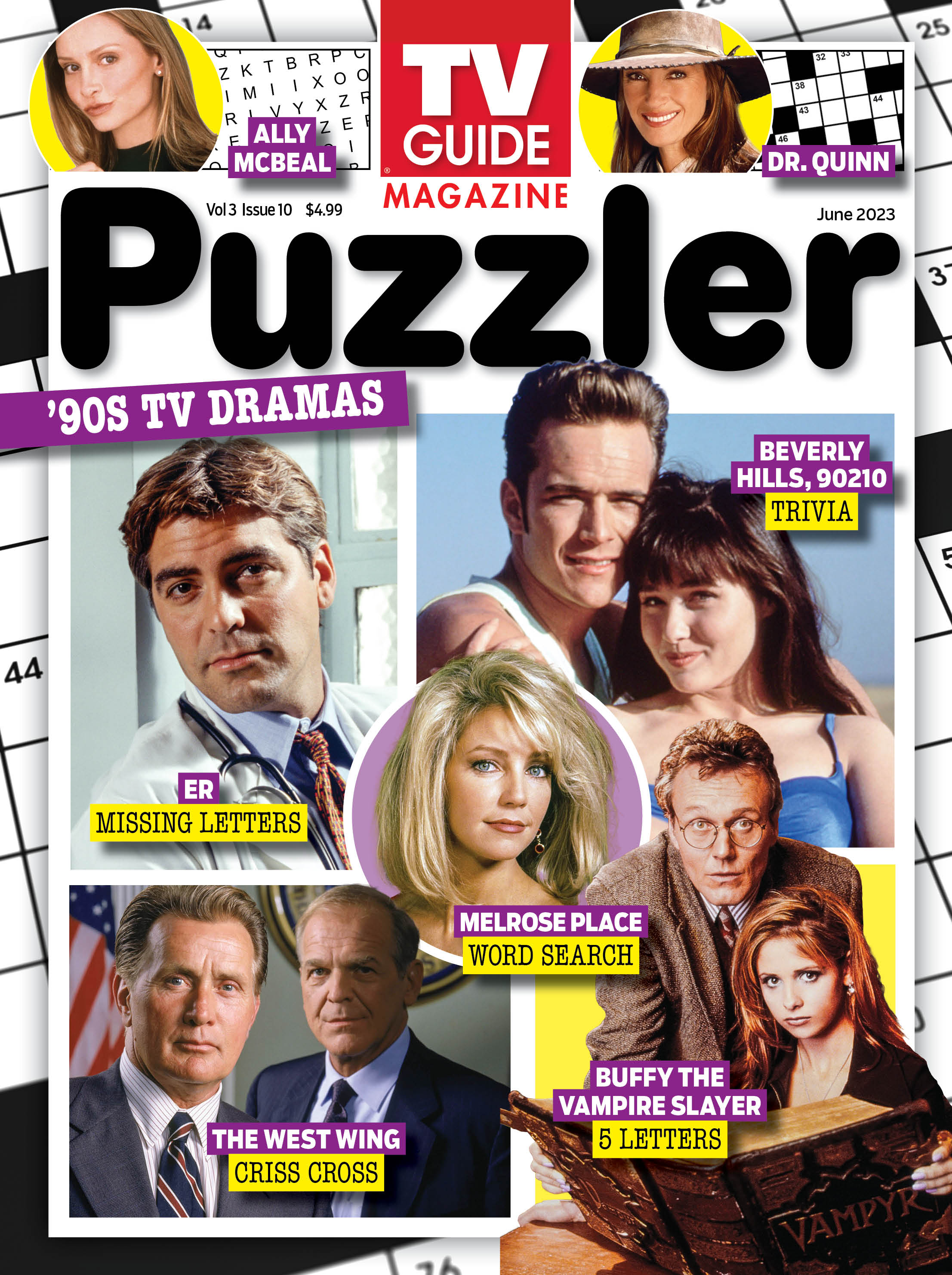
| Teen Ensemble | Social hierarchy, emotional angst, serialized interpersonal drama | Teenagers and young adults | Beverly Hills, 90210, My So-Called Life, Dawson's Creek |
| Workplace/Medical | Handheld camera work, fast pacing, ethical dilemmas | General adult audience | ER, Law & Order, NYPD Blue |
| Prime-Time Soap | High melodrama, generational wealth, shocking twists | Broad family audience | Melrose Place, Party of Five |
The Cultural Legacy and Transition to the 2000s
The legacy of 1990s drama lies in its role as a bridge to the modern era of television. By proving that viewers would embrace ongoing, complex narratives with morally challenging characters, 1990s creators laid the groundwork for the prestige cable dramas of the 2000s, such as The Sopranos and The Wire.
Furthermore, the fandoms that formed around 1990s shows pioneered early internet community engagement, utilizing Usenet groups, message boards, and early fan sites to dissect episodes line by line. This digital interaction permanently changed how networks evaluated audience engagement and shaped future programming strategies.
Frequently Asked Questions
What made 1990s television drama different from previous decades?
The 1990s marked a transition from episodic, self-contained stories to complex, serialized narratives. Shows began exploring ongoing character arcs, moral ambiguity, and serialized mysteries, supported by the rise of cable networks that operated outside traditional broadcast content restrictions.
Which shows are considered quintessential 1990s dramas?
Key titles include The X-Files, which combined procedural crime-solving with a massive alien conspiracy; ER, which revolutionized medical dramas with fast pacing and realistic jargon; My So-Called Life, which provided an authentic look at teenage alienation; and Twin Peaks, which shattered conventions of network storytelling.
How did the launch of new networks impact 1990s drama?
The creation of Fox, The WB, and UPN increased competition for viewers, forcing networks to target specific demographic niches—particularly teenagers and young adults—resulting in riskier, more culturally relevant storytelling.
Why did cable networks become significant during this era?
Basic and premium cable networks like HBO and TNT were not bound by the same FCC broadcast standards or commercial ad-load pressures as traditional networks. This freedom allowed them to produce edgier content with higher production values and complex antihero protagonists.
How did 1990s dramas influence modern streaming television?
The serialized storytelling, deep character studies, and overarching mystery plots established in the 1990s directly influenced the binge-watching culture and multi-season narrative structures prevalent in modern streaming platforms today.
Practical Next Steps for Enthusiasts
For viewers and researchers looking to explore 1990s drama further, the best approach is to examine pilot episodes across different subgenres to observe how television language evolved between 1990 and 1999. Reviewing contemporary critical reviews from publications like Entertainment Weekly or The New York Times can also provide historical context regarding how these shows were received by audiences in real time.