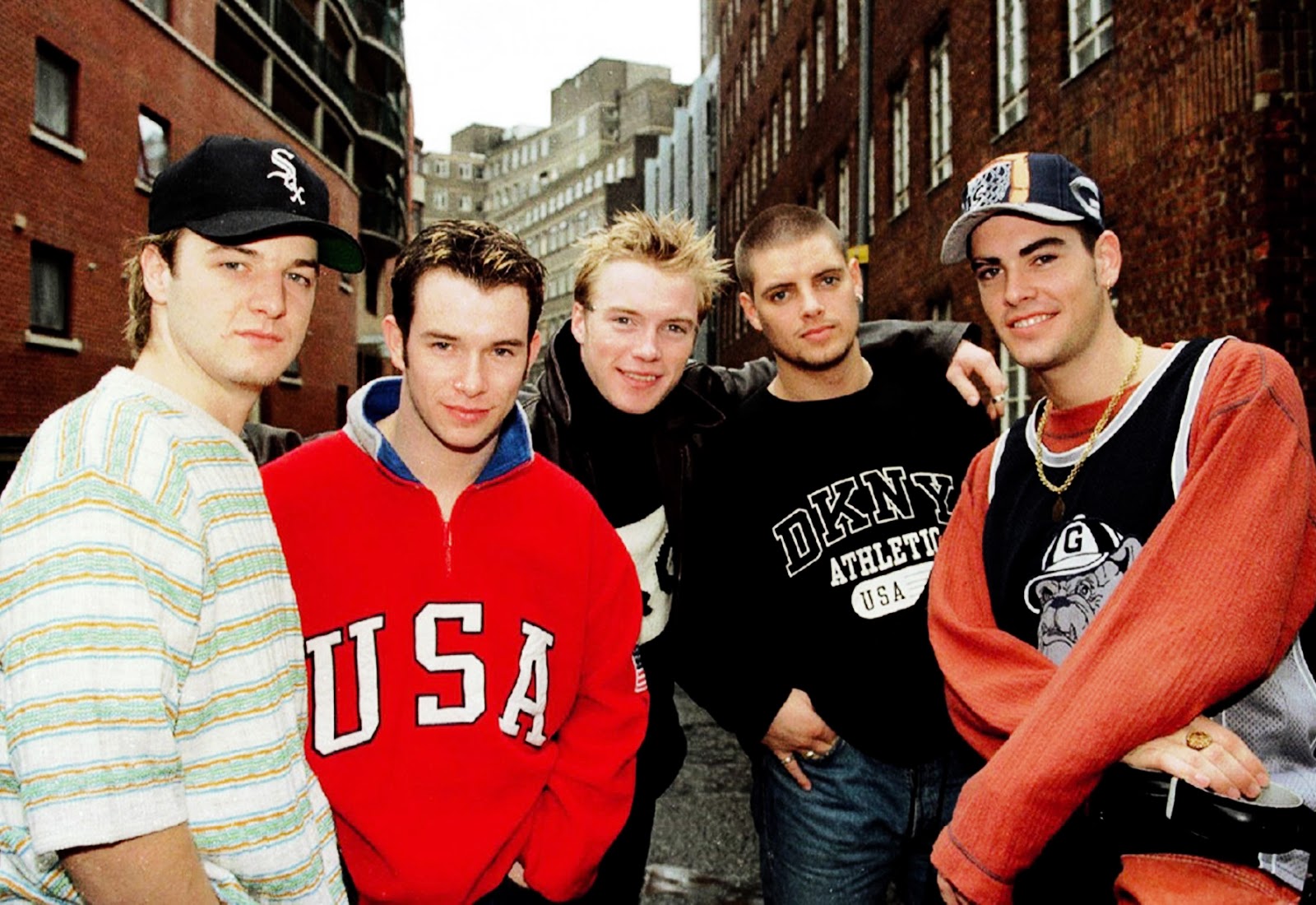
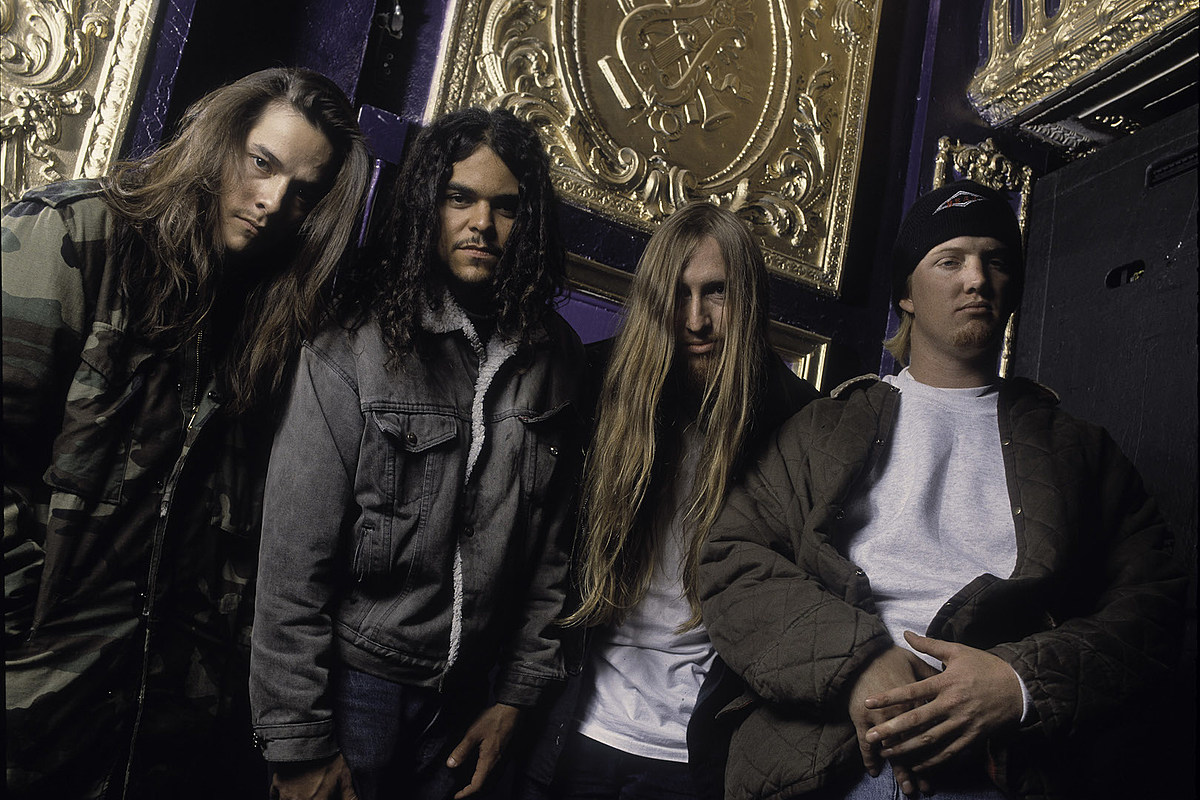
The 1990s was a transformative decade for popular music, characterized by the fracturing of mainstream rock into alternative, grunge, punk revival, Britpop, and hip-hop fusions that permanently altered the global music landscape. Understanding 1990s bands requires examining how regional underground movements—most notably the Pacific Northwest grunge scene and the British guitar-pop revival—rushed past traditional corporate music pipelines to capture a generation's disillusioned consciousness.
The Cultural Context and Genesis of the 1990s Alternative Explosion
The sonic landscape of the 1990s emerged as a direct reaction against the glossy, highly produced, and commercially driven arena rock and hair metal of the late 1980s. Throughout the 1980s, major record labels dominated the airwaves with synthesizer-heavy pop, spandex-clad guitar heroes, and meticulously engineered power ballads. By the dawn of the 1990s, listeners grew fatigued by the perceived superficiality and commercialism of these acts. Underground scenes, which had been quietly bubbling in college towns and isolated industrial centers, suddenly found a massive, receptive audience looking for authenticity, emotional rawness, and social realism.
This shift was heavily catalyzed by independent record labels like Sub Pop in Seattle, Touch and Go in Chicago, and Dischord in Washington, D.C. These labels fostered local communities of musicians who prioritized DIY ethics, lo-fi recording techniques, and non-conformist aesthetics. When major labels realized the commercial viability of these underground sounds, a massive talent land grab ensued. This dynamic brought previously marginal genres into the global spotlight, fundamentally changing how music was produced, marketed, and consumed.
Major Movements and Subgenres That Defined the Decade
The decade cannot be understood as a single monolithic genre. Instead, it was a collection of distinct, highly influential regional and ideological movements. Each subgenre possessed its own stylistic signatures, fashion sensibilities, and philosophical outlooks.
Grunge and the Pacific Northwest Sound
Originating primarily in Seattle, Washington, grunge combined the heavy, sludgy guitar distortion of heavy metal with the raw, aggressive energy and structural simplicity of punk rock. Lyrically, grunge bands focused on alienation, depression, self-doubt, and social disconnect.
- Nirvana: Fronted by Kurt Cobain, Nirvana achieved global phenomenon status with their 1991 album Nevermind. Their sound balanced infectious pop melodies with abrasive punk noise, while Cobain's vulnerable yet visceral lyricism captured the angst of Generation X.
- Pearl Jam: Emerging alongside Nirvana, Pearl Jam delivered arena-sized anthems driven by Mike McCready's soaring guitar solos and Eddie Vedder's emotive, baritone vocals. Their debut album, Ten, remains one of the best-selling rock records of all time.
- Soundgarden and Alice in Chains: Soundgarden brought technical precision and Middle Eastern-influenced guitar scales to heavy rock, anchored by Chris Cornell's four-octave vocal range. Alice in Chains leaned into a darker, doom-laden metal aesthetic, tackling heavy subjects like addiction with haunting vocal harmonies between Layne Staley and Jerry Cantrell.
Britpop and the British Invasion Revival
Across the Atlantic, the United Kingdom experienced a massive cultural resurgence fueled by optimism, nostalgia for 1960s British guitar pop, and a direct pushback against the dominance of American grunge. Britpop was unapologetically theatrical, melodic, and concerned with British social class, everyday life, and national identity.
- Oasis: Led by the Gallagher brothers (Noel and Liam), Oasis combined the swagger of The Beatles and The Rolling Stones with stadium-sized sing-along choruses. Albums like (What's the Story) Morning Glory? defined the mid-90s cultural landscape in the UK.
- Blur: Initially purveyors of whimsical, art-school indie pop, Blur evolved into a sharp-witted observational rock band that chronicled British modernity. Their high-profile chart rivalry with Oasis came to symbolize the peak of Britpop cultural dominance.
- Pulp: Fronted by the charismatic and sardonic Jarvis Cocker, Pulp offered a theatrical, glamorous, and socially acute look at working-class British life, achieving mainstream stardom with anthems like "Common People."
Pop Punk and the Skate Culture Soundtrack
As the decade progressed, traditional hardcore punk evolved into a faster, more melodic, and commercially accessible variant known as pop punk. Fueled by the rise of skate culture, outdoor festivals like the Vans Warped Tour, and independent labels like Epitaph and Fat Wreck Chords, pop punk brought humorous, high-energy adolescent angst to the mainstream.
- Green Day: With the release of Dookie in 1994, Green Day proved that fast, energetic punk rock could dominate global charts. Billie Joe Armstrong's relatable lyricism about boredom, anxiety, and suburban life resonated with millions of teenagers.
- Blink-182: Combining lightning-fast tempo changes, heavy distortion, and juvenile, self-deprecating humor, Blink-182 perfected the high-octane pop-punk blueprint that would dominate the turn of the millennium.
Post-Rock, Trip-Hop, and Experimental Sonic Textures
Beyond traditional guitar bands, the 1990s witnessed the birth of electronic-rock hybrids and atmospheric sonic explorations that expanded the definition of what a band could be.
- Radiohead: Starting as a standard alternative rock band with "Creep," Radiohead revolutionized modern music by pushing rock into electronic, ambient, and avant-garde territories, culminating in landmark records like OK Computer.
- Massive Attack and Portishead: Pioneering the Bristol trip-hop scene, these acts fused heavy hip-hop breakbeats, dark cinematic jazz samples, and haunting, smoky vocals to create atmospheric masterpieces.
Comparative Overview of Prominent 1990s Musical Movements
| Movement / Subgenre | Core Geographic Hub | Defining Sonic Characteristics | Representative Artists |
|---|---|---|---|
| Grunge | Seattle, USA | Heavy distortion, sludgy riffs, raw angst, dynamic quiet-loud structures | Nirvana, Pearl Jam, Soundgarden, Alice in Chains |
| Britpop | London and Manchester, UK | Melodic guitar hooks, 1960s pop influence, British cultural themes | Oasis, Blur, Pulp, Suede |
| Pop Punk | California, USA | Fast tempos, power chords, youthful rebellion, catchy vocal melodies | Green Day, Blink-182, The Offspring |
| Alternative / Art Rock | Oxford / Worldwide | Experimental structures, atmospheric synthesizers, existential lyrics | Radiohead, R.E.M., Smashing Pumpkins |
| Industrial Rock | Chicago / Cleveland, USA | Synthesizers, heavily processed guitars, aggressive beats, dark themes | Nine Inch Nails, Ministry, Marilyn Manson |
Recording Technology, Distribution, and the Media Landscape
The commercial success of 1990s bands occurred during a unique technological window: the golden age of physical media before the digital compression and peer-to-peer file sharing of the 2000s completely upended the industry.
The Physical Medium: Compact Discs and Cassettes
The 1990s marked the definitive transition from vinyl records and cassette tapes to the Compact Disc (CD). The CD offered pristine audio fidelity, durability, and the capacity for longer playing times, allowing bands to release albums exceeding 70 minutes. Record labels capitalized on this by charging premium prices for CDs, generating record profit margins that funded massive promotional budgets, extravagant music videos, and extensive international tours.
MTV and the Visual Album Era
Television played an instrumental role in breaking independent bands to a mass audience. MTV (Music Television) was at the height of its cultural influence. Programs like 120 Minutes provided late-night exposure to alternative and indie rock acts that traditional commercial radio often ignored. A compelling, cinematic music video could propel an unknown underground band straight to the top of the Billboard charts almost overnight.
Live Music Culture and Festivals
The live concert experience in the 1990s evolved from traditional arena tours into massive multi-day festival configurations. The most iconic embodiment of this was Lollapalooza, founded by Perry Farrell of Jane's Addiction in 1991. Lollapalooza acted as a traveling circus of alternative culture, combining music stages with political booths, art installations, and extreme sports exhibitions. This created a unified subcultural identity for fans across North America.
Enduring Legacy and Modern Relevance
Decades after their peak, 1990s bands continue to exert a powerful gravitational pull on contemporary popular culture, fashion, and musical composition.
Influence on Modern Streaming and Vinyl Resurgence
Ironically, the physical formats that defined the 1990s have found new life in the modern streaming era. While streaming platforms have democratized music discovery and made catalogs instantly accessible worldwide, physical vinyl records have experienced a massive resurgence driven largely by younger generations collecting classic 1990s alternative and grunge albums. Major releases from bands like Nirvana, Pearl Jam, and Radiohead regularly top vinyl sales charts, proving the timeless appeal of tangible album art and analog mastering.
Generational Crossover and Sampling
The sonic signatures of 1990s guitar bands frequently find their way into modern hip-hop, pop, and electronic production. Contemporary artists regularly sample 90s drum breaks, guitar riffs, and vocal hooks. Furthermore, legendary 90s frontmen and musicians maintain massive touring footprints, selling out arenas worldwide by appealing to both original fans and their children, cementing the decade's status as a modern golden era of rock music.
Frequently Asked Questions About 1990s Bands
What caused the decline of the grunge movement in the mid-1990s?
The decline of grunge was accelerated by a combination of internal pressures, the sudden death of Nirvana frontman Kurt Cobain in 1994, and the rapid commercial over-saturation of the genre by major record labels. As corporate entities rushed to sign any band wearing flannel, the movement lost its underground authenticity. Simultaneously, listeners began seeking out lighter, more optimistic sounds, paving the way for the rise of Britpop and commercial teen pop.
How did the rise of the internet change music consumption for 1990s bands?
The 1990s served as the bridge between the analog and digital music eras. While the early 90s relied entirely on physical retail, radio, and MTV, the late 1990s saw the birth of early mp3 sharing, independent fan websites, and early digital distribution forums like Napster just as the decade closed. This technological shift completely destabilized traditional label models in the subsequent decade.
Why is British music from the 1990s referred to as "Britpop"?
Britpop was coined by music journalists to describe a distinctly British musical and cultural movement that celebrated domestic pop traditions while explicitly rejecting American grunge and hip-hop dominance. The term encapsulated a wave of bands that drew heavy inspiration from 1960s British invasion groups like The Beatles, The Kinks, and The Who, wrapping their sound in Union Jack imagery and working-class British pride.
How did independent record labels influence the 1990s alternative music boom?
Independent labels such as Sub Pop, Matador, and Dischord acted as essential incubators for raw talent. By operating locally and prioritizing artistic freedom over immediate commercial viability, these labels allowed bands to develop unique regional sounds without corporate interference. When major labels recognized the profitability of these scenes, they often bought out or distributed independent labels, bringing underground sounds to the global mainstream.
What differentiates 1990s rock from 1980s rock?
The primary differentiator is aesthetics and emotional tone. While 1980s rock was largely defined by technical guitar solos, synthesizer-heavy production, polished aesthetics, and themes of hedonism and escapism, 1990s rock favored raw, unpolished distortion, stripped-down production values, and introspective, self-deprecating, or socially conscious lyrical themes.
Practical Next Steps for Exploring 1990s Music
To fully appreciate the breadth of 1990s bands, listeners should move beyond the standard radio hits and explore full-length foundational albums. Start by examining essential regional releases such as Nirvana's Nevermind, Oasis's (What's the Story) Morning Glory?, Green Day's Dookie, and Radiohead's OK Computer. For deeper immersion, explore classic music documentaries from the era, such as Hype! (focusing on the Seattle grunge scene) or concert films that capture the raw, unscripted energy of large-scale 90s rock performances.