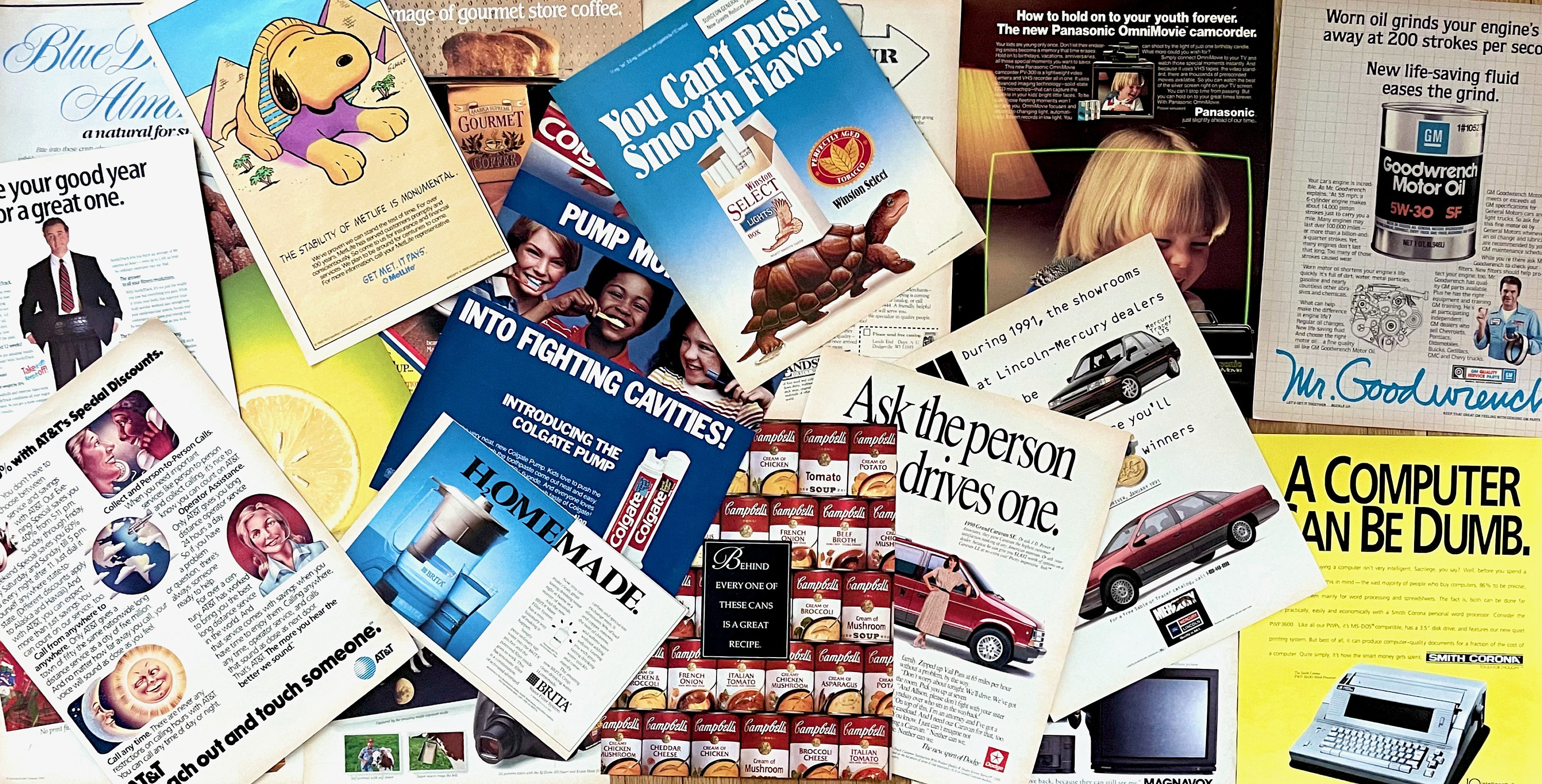
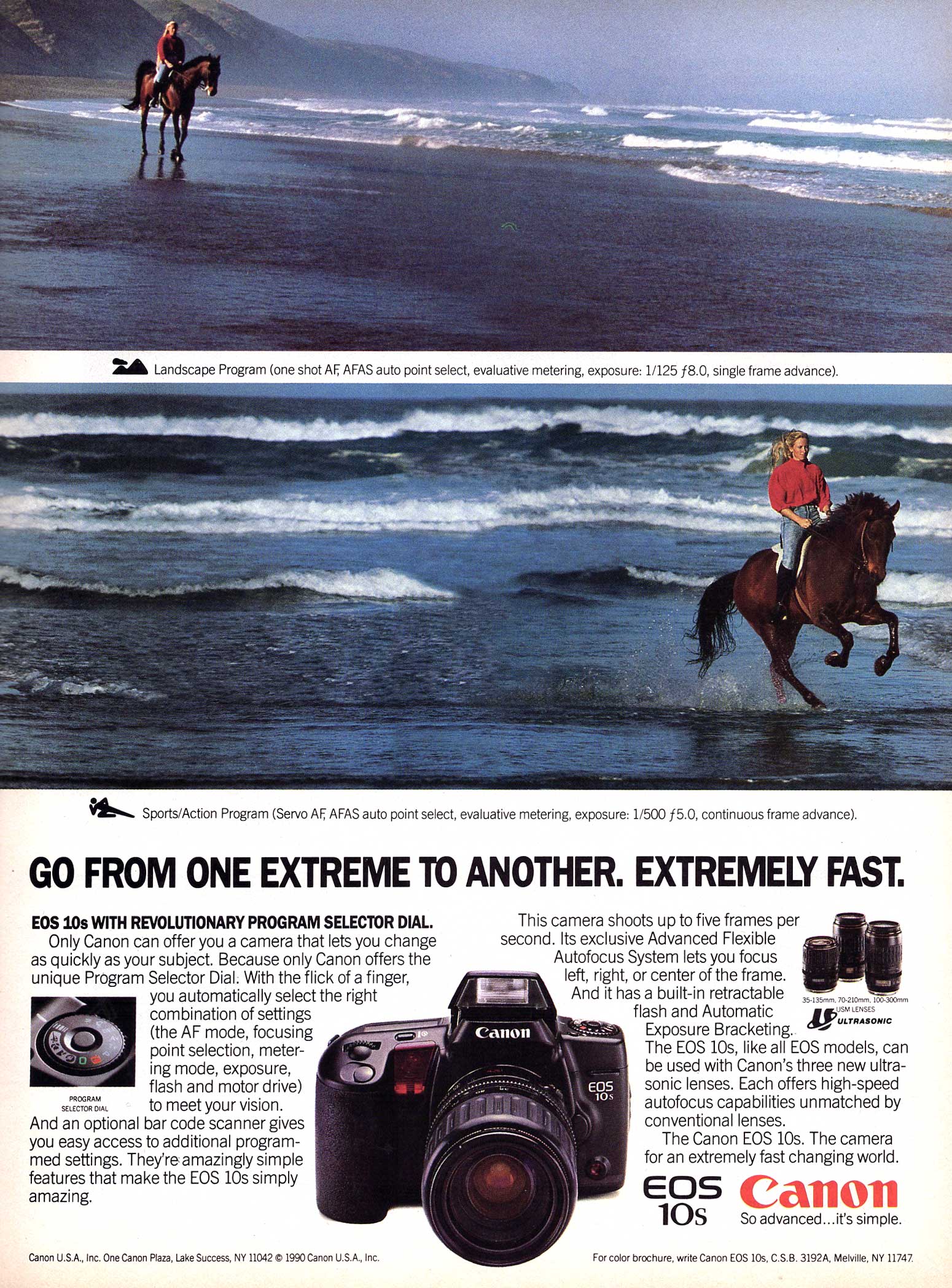
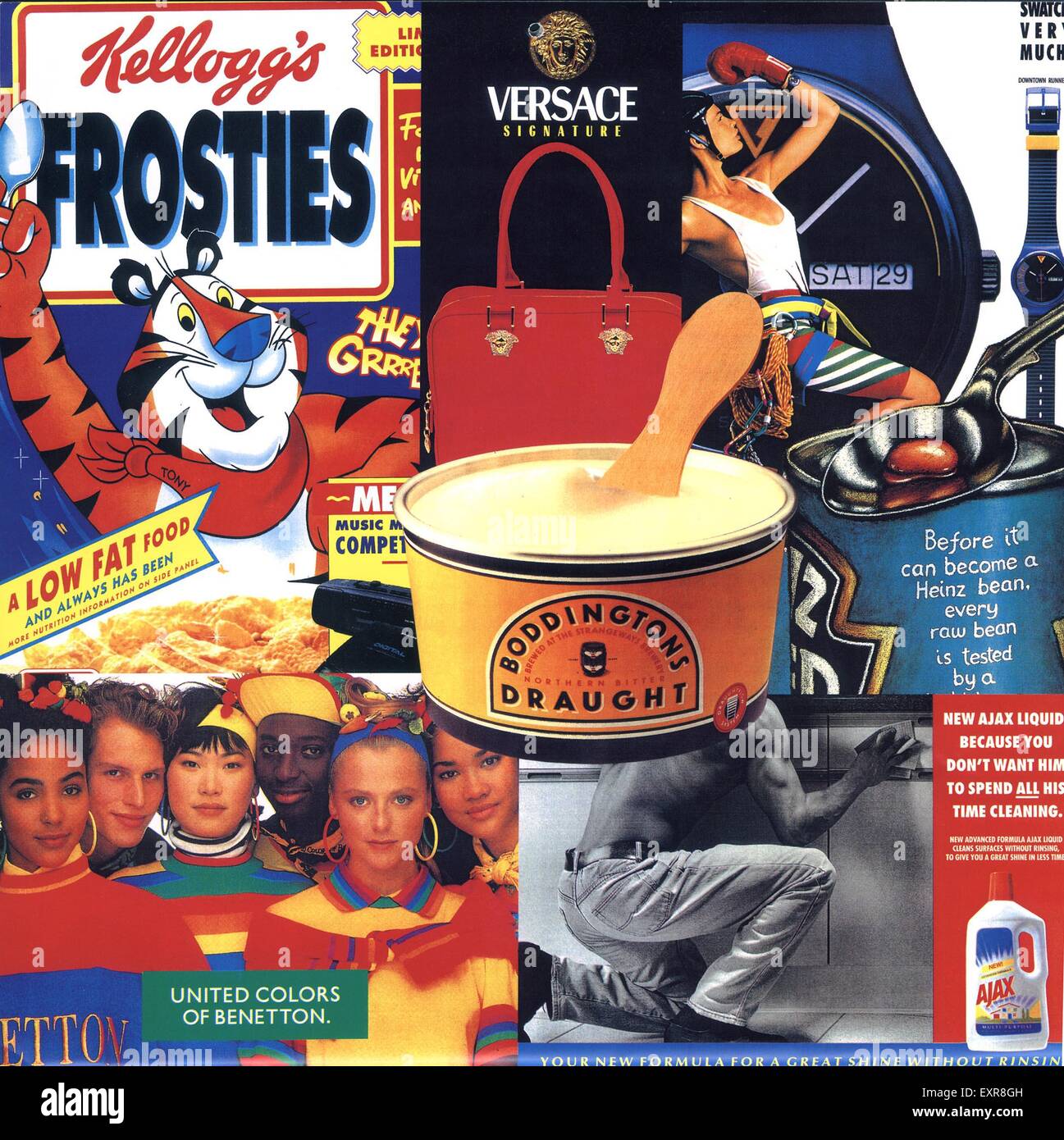
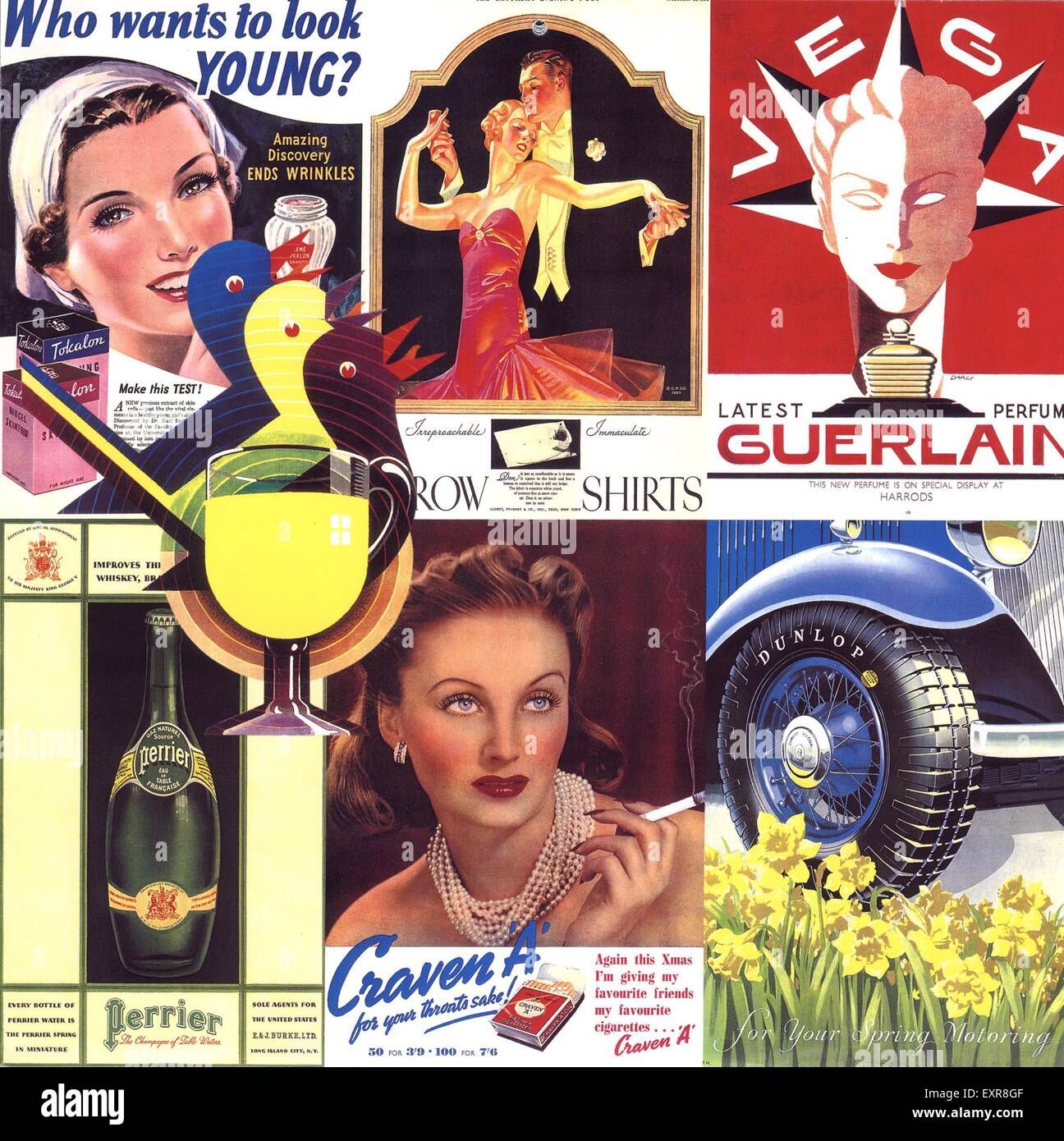
1990s advertising represents a transitional golden era of mass media, characterized by the shift from traditional television and print dominance toward high-production blockbuster commercials, irreverent humor, and the nascent rise of digital marketing. This decade transformed brand storytelling through cultural phenomenons, iconic mascots, and early internet experiments, laying the foundational strategies that modern multimedia campaigns still rely upon today.
The landscape of 1990s advertising operated at the intersection of traditional mass-market reach and a newly emerging, irony-laced pop culture. Before the fragmentation of media caused by modern streaming and social algorithms, a single thirty-second spot during a major broadcast event could capture the attention of tens of millions of households simultaneously. This era moved past the straightforward, feature-focused pitches of the 1970s and 1980s. Instead, agencies leaned heavily into lifestyle branding, cinematic visuals, self-aware humor, and emotional resonance.
Understanding this pivotal decade requires examining the technological shifts, iconic campaigns, regulatory pressures, and structural changes that defined the era. As agencies grappled with changing consumer demographics—specifically the rise of Generation X—the entire playbook of commercial persuasion underwent a permanent structural revision.
The Cultural and Economic Landscape of the 1990s
The economic backdrop of the 1990s heavily influenced how brands communicated with consumers. Following the recession of the early 1990s, a prolonged period of economic expansion fueled consumer confidence, corporate earnings, and unprecedented marketing budgets. Brands had the financial capital to invest in high-risk, high-reward creative concepts.
At the same time, cultural attitudes were shifting. Generation X, characterized by cynicism toward traditional corporate authority and heavy-handed sales pitches, forced advertising executives to abandon sincerity in favor of irony, subversion, and authenticity. Campaigns that talked down to the consumer or relied on overly earnest demonstrations fell flat.
Instead, successful brands embraced a conversational, cool, and often detached tone. This period saw the rise of the "anti-hero" and the celebration of counter-culture aesthetics within mainstream commercials. Beverage companies, automotive manufacturers, and fashion houses realized that to sell products to a skeptical youth demographic, they had to align their brands with music, rebellion, and independent identity.
Major Strategic Shifts in Media and Creative Execution
Throughout the decade, the channels through which advertisements reached consumers evolved significantly. While television remained the undisputed king of media consumption, the proliferation of cable networks—such as MTV, Comedy Central, and ESPN—allowed brands to hyper-target specific niches for the first time.
The Rise of the Cinematic Commercial
Television commercials in the 1990s frequently mirrored feature films. Budgets for single spots ballooned, with major brands hiring Hollywood directors like David Fincher, Michael Bay, and Spike Jonze to helm thirty-second narratives. These spots prioritized mood, storytelling, and visual flair over immediate product demonstrations.
- Director-Driven Spots: Directors brought cinematic lighting, complex editing rhythms, and non-linear storytelling to commercial breaks.
- Soundtracks as Currency: Licensing popular alternative rock, hip-hop, and grunge tracks became a primary method for establishing brand identity and appealing to younger demographics.
- The Super Bowl as a Cultural Stage: The Super Bowl transformed during this decade from a major sporting event into the premier cultural showcase for advertising, where audiences tuned in specifically to watch the commercial breaks.
Print Media and Editorial Integration
Print advertising in magazines like Rolling Stone, Vogue, and Wired reached its visual zenith. Advertisers utilized stark minimalism, provocative photography, and bold typography. Brands often blurred the line between editorial content and advertising, pioneering native advertising long before the term existed digitally. Double-page spreads became immersive art pieces rather than simple product catalogs.
Iconic Campaigns and Defining Cultural Moments
Several campaigns from the 1990s achieved legendary status, permanently altering the cultural lexicon and establishing new benchmarks for creative effectiveness.
"Got Milk?" (1993)
Developed by Goodby, Silverstein & Partners for the California Milk Processor Board, the "Got Milk?" campaign is widely regarded as one of the most successful public service and agricultural campaigns in history. Rather than focusing on the nutritional benefits of milk, the campaign focused on the agonizing inconvenience of running out of milk when eating foods that required it—epitomized by the famous "Aaron Burr" radio and television spot.
Nike’s "Just Do It" and Athlete Autonomy
While the "Just Do It" slogan debuted in 1988, the 1990s were defined by Nike’s elevation of athletes into cultural icons. Campaigns featuring Michael Jordan, Tiger Woods, and multi-sport athlete synergy transformed Nike from a footwear company into a lifestyle religion. The ads often bypassed the shoe entirely, focusing instead on themes of perseverance, pressure, and sportsmanship.
The Budweiser Frogs (1995)
During Super Bowl XXIX, Budweiser introduced three CGI frogs named Bud, Wies, and Er. The simple, hypnotic commercial became an overnight sensation, driving massive cultural engagement and demonstrating the commercial viability of early computer-generated imagery (CGI) paired with absurd humor.
The Dawn of Digital Advertising: The 1990s Web
The latter half of the decade witnessed the birth of interactive marketing as the internet transitioned from a military and academic network into a commercial medium.
- The First Banner Ad: On October 27, 1994, HotWired published the first clickable banner ad, purchased by AT&T, which famously asked, "Have you ever clicked your mouse right here? You will."
- Search Engine Optimization (SEO) Origins: As directories like Yahoo! and early search engines emerged, companies quickly realized the necessity of securing digital real estate, sparking the earliest forms of digital discoverability tactics.
- Dot-Com Bubble Marketing: The late 1990s saw massive venture capital influxes into dot-com startups, leading to an unprecedented wave of digital-focused advertising, culminating in the lavish dot-com Super Bowl advertising blitz of 2000.
| Medium / Strategy | 1990s Characteristics | Modern Legacy |
|---|---|---|
| Television | High-budget cinematic spots, cable network fragmentation, iconic Super Bowl premieres. | Shift to targeted streaming, fragmented viewing habits, digital catch-up. |
| Immersive double-page spreads, high-end photography, lifestyle integration. | Transition to digital display networks, social media visual feeds. | |
| Digital | Static banner ads, dial-up loading constraints, early corporate websites. | Programmatic buying, hyper-targeted social ads, interactive multimedia. |
| Humor & Tone | Cynical, ironic, self-aware, heavily influenced by Generation X sensibilities. | Memes, viral marketing, brand self-deprecation on social media. |
Regulatory Pressures, Ethics, and Controversies
The 1990s were not without intense scrutiny regarding advertising ethics, particularly concerning marketing to vulnerable populations such as children and teenagers.
Tobacco and Alcohol Restrictions
The Master Settlement Agreement of 1998 fundamentally reshaped tobacco marketing in the United States, banning outdoor billboard advertisements, transit advertising, and cartoon characters like Joe Camel. Alcohol advertising also faced stringent self-regulatory codes regarding broadcast placement and depictions of underage drinking, forcing brands to rely more heavily on subtle lifestyle association rather than direct consumption appeal.
Truth in Advertising and FTC Oversight
The Federal Trade Commission (FTC) increased scrutiny on misleading environmental claims ("greenwashing"), celebrity endorsements, and comparative advertising claims. Advertisers were required to substantiate performance claims with rigorous testing, reducing the prevalence of unchecked hyperbole that characterized earlier decades.
Common Misconceptions About 1990s Campaigns
When analyzing the advertising of this decade, several historical myths frequently emerge:
- Myth: The internet dominated marketing strategies throughout the entire decade. In reality, digital advertising was a microscopic fraction of total media spend until the very final years of the decade. Mass-market television and print retained absolute dominance.
- Myth: Ads were universally edgy and cynical. While alternative marketing captured cultural attention, traditional, earnest, family-focused value marketing—such as laundry detergent and automotive commercials—remained the financial bread and butter of Madison Avenue agencies.
- Myth: Production values were universally high. While blockbuster commercials commanded millions, local cable and regional television were still saturated with low-budget, locally produced spots characterized by rudimentary computer graphics and local business owners appearing on screen.
Frequently Asked Questions
What made 1990s advertising different from previous decades?
The 1990s introduced a heavy dose of irony, self-awareness, and cinematic storytelling driven by the need to appeal to skeptical Generation X consumers. It also marked the birth of digital banner advertising and the elevation of television commercials into high-budget cultural events.
How did the rise of cable television impact 1990s commercials?
The expansion of specialized cable networks like MTV and ESPN allowed brands to target specific demographic niches and psychographic profiles rather than relying solely on broad, general-audience network television broadcasts.
When did the first digital banner ad appear?
The first clickable web banner ad debuted on October 27, 1994, on the HotWired website, marking the commercial beginning of digital interactive marketing.
Why did brands rely so heavily on alternative rock soundtracks in the 1990s?
Using grunge and alternative rock tracks allowed major corporations to project an aura of authenticity, counter-culture coolness, and youth alignment, helping them connect with a demographic that actively distrusted traditional corporate messaging.
Summary and Final Historical Takeaway
1990s advertising established the blueprint for modern multi-platform brand communication. By wedding blockbuster cinematic techniques with post-modern irony and launching the foundational infrastructure of the digital web, the era proved that commercials could transcend mere sales pitches to become genuine cultural artifacts. Understanding these campaigns provides essential context for how modern consumer culture, media consumption, and digital engagement operate today.