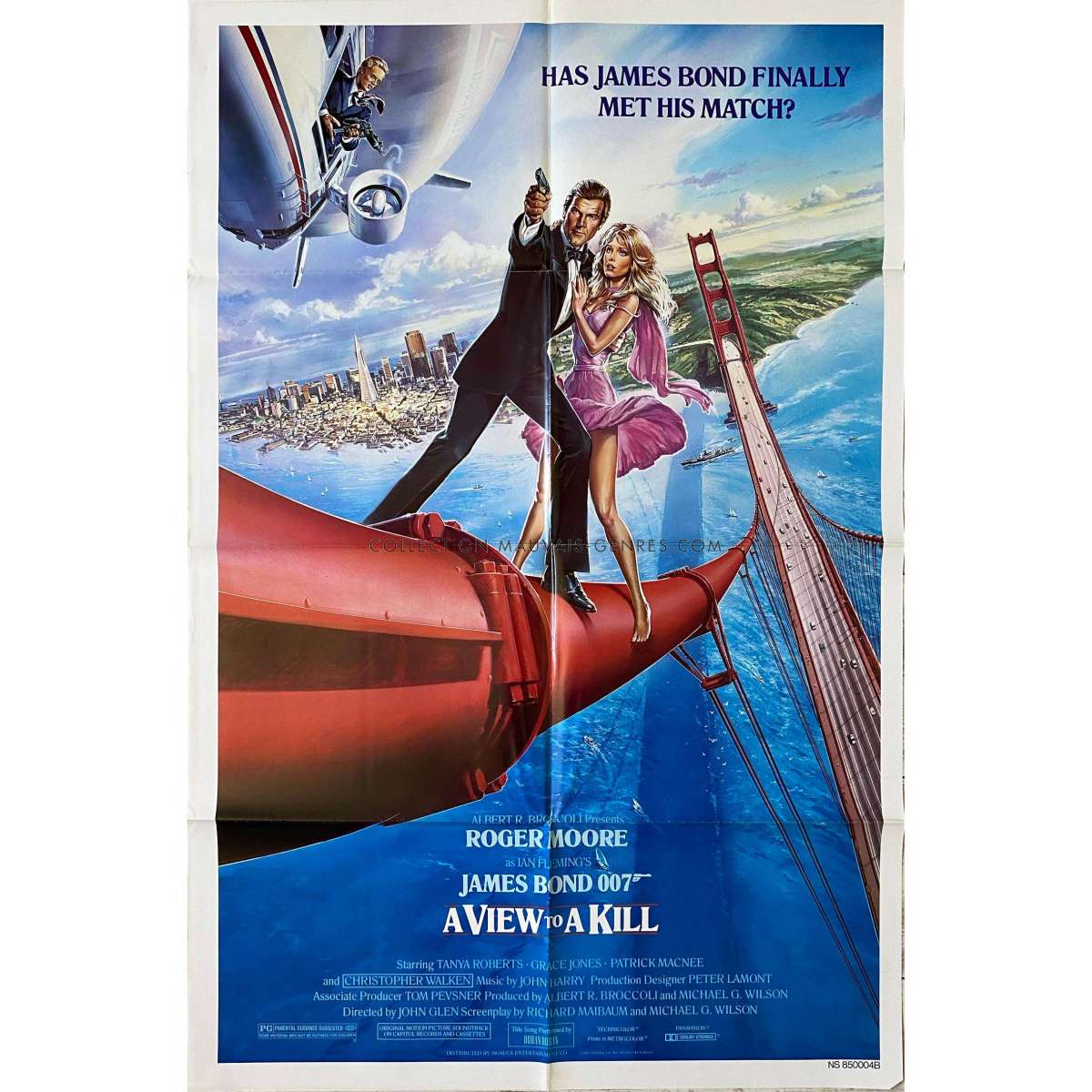
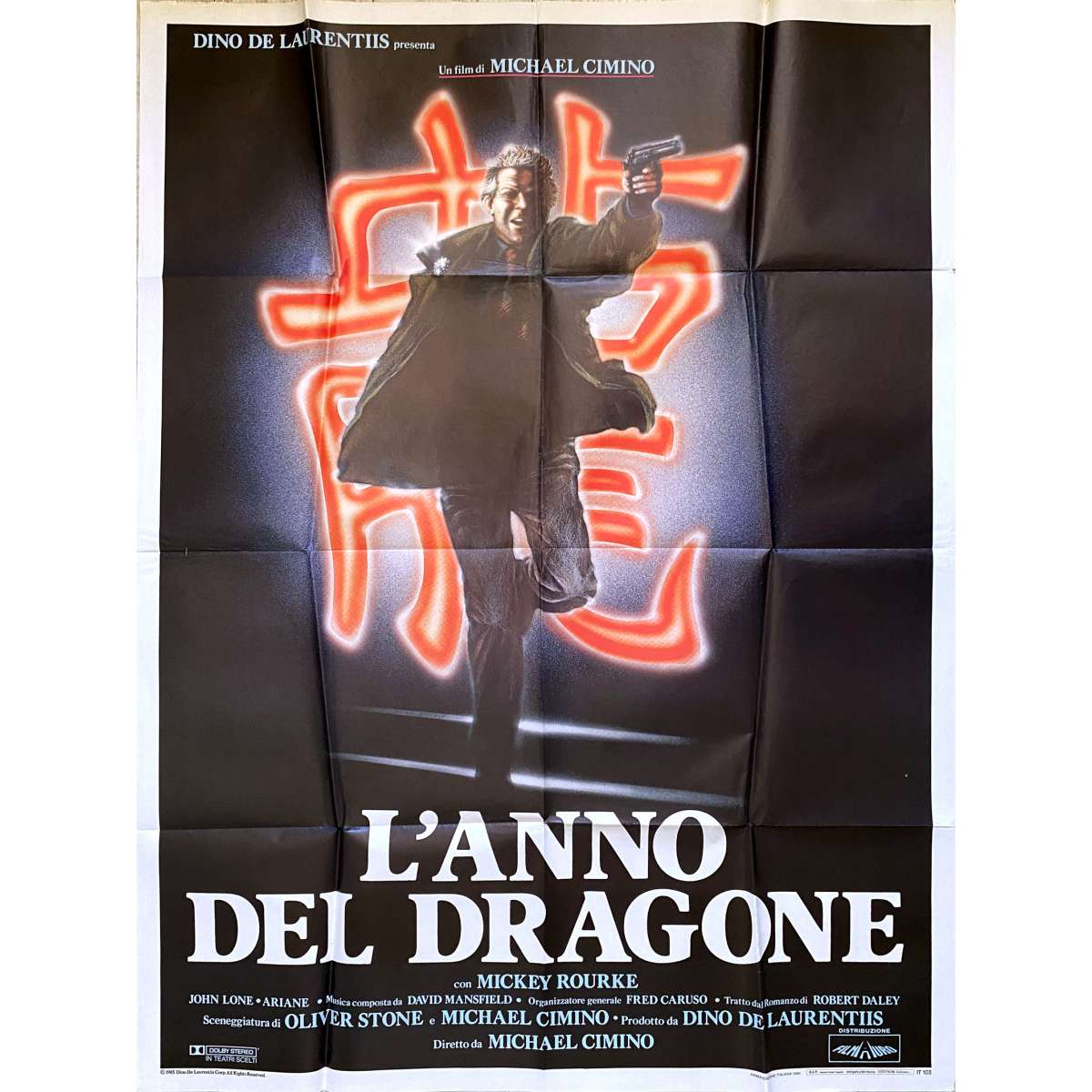
The year 1985 stands as one of the most culturally significant and commercially vibrant periods in modern cinema, marked by a rare convergence of blockbuster entertainment, technological advancement, daring independent storytelling, and iconic pop culture touchstones that continue to influence filmmaking decades later.
Introduction to the Cinematic Landscape of 1985
When film historians examine the mid-1980s, the year 1985 frequently emerges as a watershed moment for both Hollywood studio filmmaking and global cinema. Situated precisely in the middle of a decade defined by high-concept blockbusters, synthetic soundtracks, and the booming home video market, 1985 was a twelve-month span that produced an extraordinary density of enduring classics.
Rather than being remembered for a single dominant genre, the cinema of 1985 is celebrated for its remarkable diversity. It was the year that sent audiences hurtling through time in a DeLorean, introduced martial arts icons to mainstream Western audiences, redefined the gritty urban thriller, and pushed the boundaries of traditional romantic comedy and dramatic adaptation. To understand the 1985 film landscape is to explore a transitional era where the youthful exuberance of the New Hollywood generation met the calculated, merchandising-driven machinery of the modern blockbuster.
The Blockbuster Explosion: Defining Hits of 1985
The box office of 1985 was dominated by high-concept properties that captured the global imagination. Studios invested heavily in films driven by high-energy pacing, charismatic star power, and innovative practical special effects.
Back to the Future and the Art of the High-Concept Script
Directed by Robert Zemeckis and co-written with Bob Gale, Back to the Future emerged as the highest-grossing film of 1985. The film achieved a rare feat: critical acclaim, massive commercial success, and enduring cultural permanence. The narrative hinges on Marty McFly (Michael J. Fox), a teenager accidentally sent back to 1955 in a plutonium-powered time machine built by the eccentric scientist Emmett "Doc" Brown (Christopher Lloyd).
The production faced numerous hurdles, including a late casting change that brought Fox onto the set weeks into shooting, requiring gruelling double-duty schedules as he filmed his television series concurrently. Yet, the resulting film is widely studied for its airtight screenplay structure, tight pacing, and seamless integration of comedic timing with science-fiction mechanics.
Action and Adventure Dominance
Beyond time travel, 1985 solidified the global appetite for action-adventure cinema.
- The Goonies: Directed by Richard Donner and produced by Steven Spielberg, this quintessential youth-adventure film combined juvenile camaraderie, practical creature effects, and an adventurous treasure hunt.
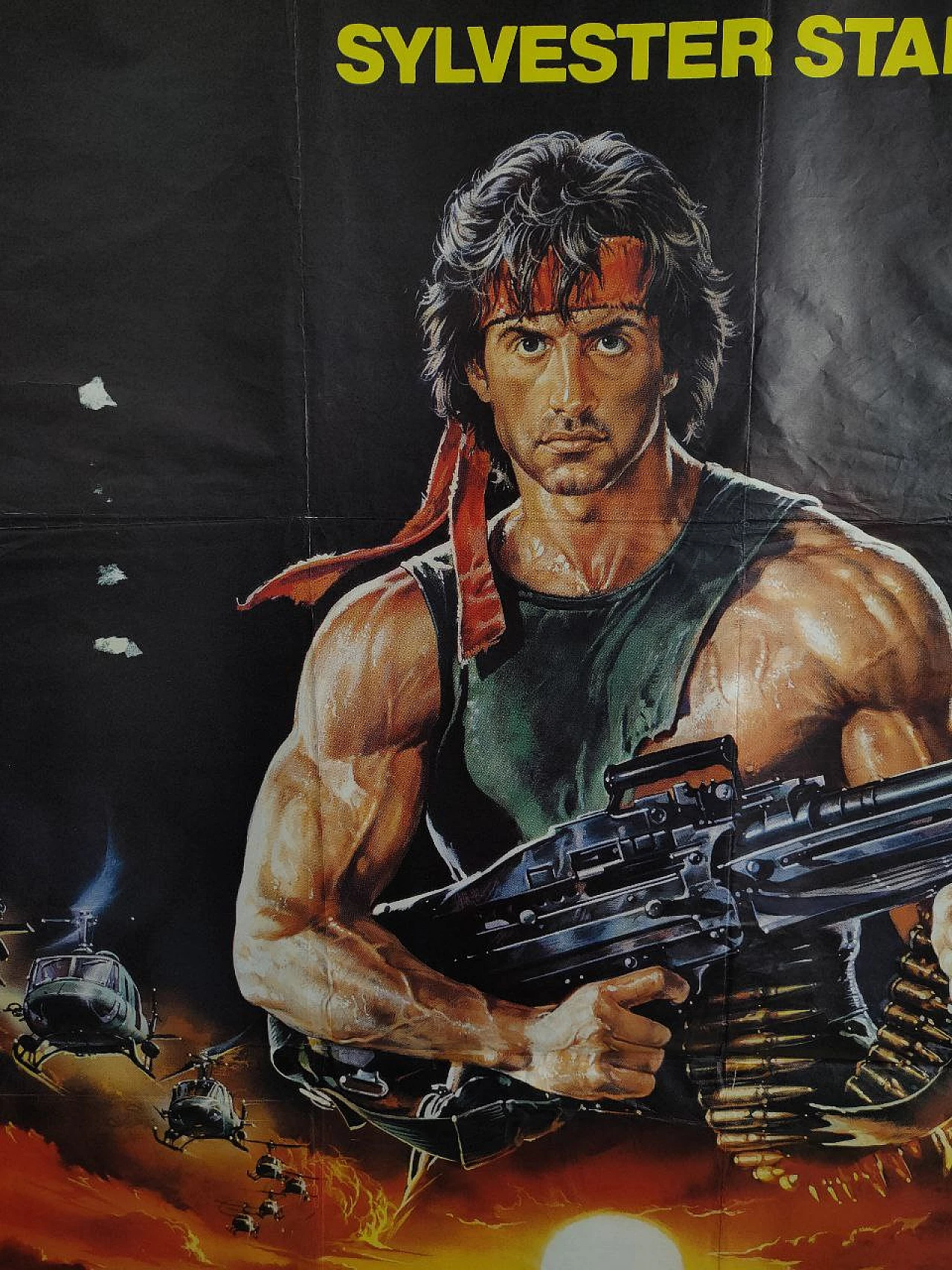
- Rambo: First Blood Part II: Sylvester Stallone returned as John Rambo, cementing the explosive, hyper-masculine political action archetype that would dominate late-Cold War Hollywood.
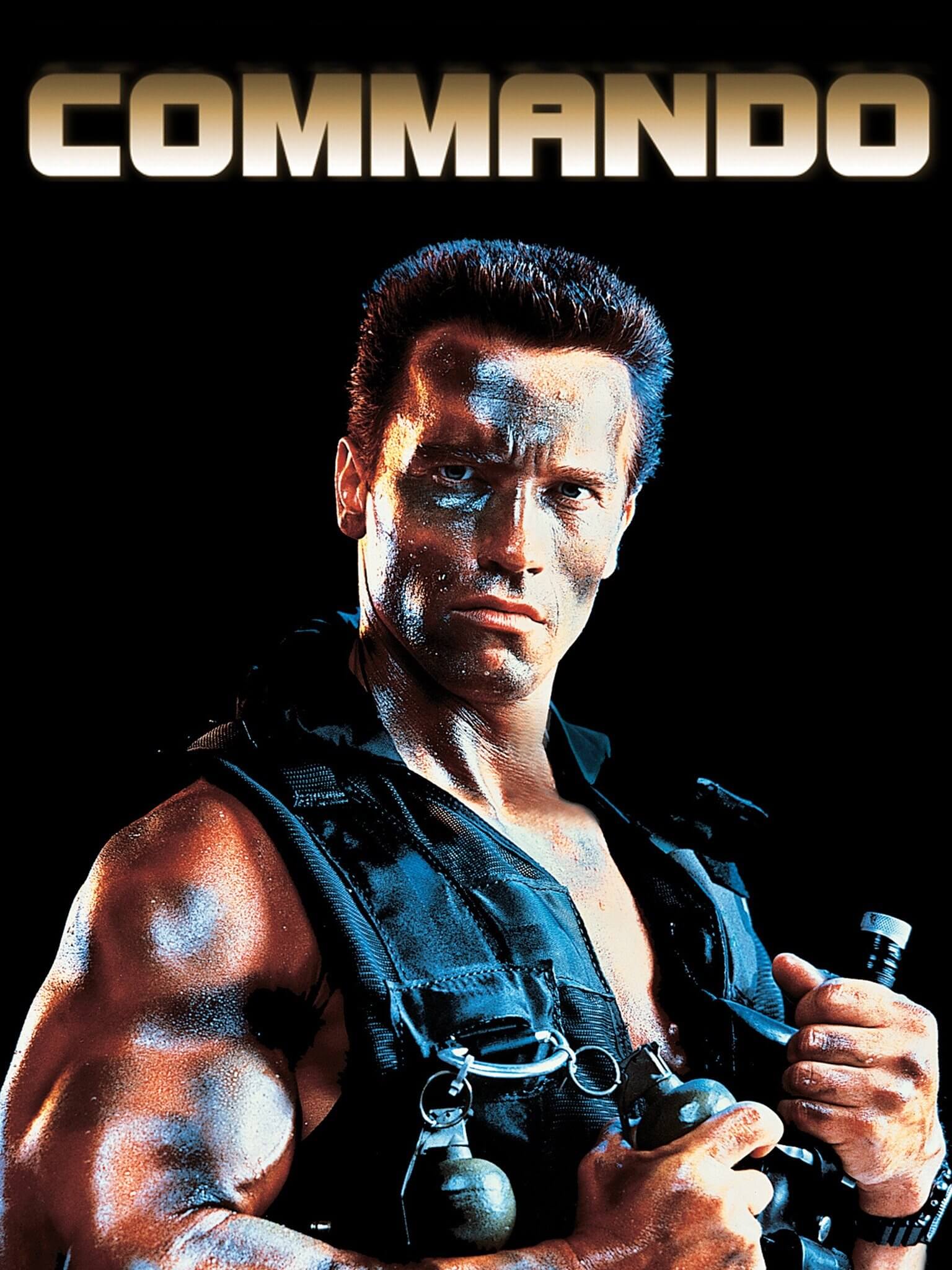
- Commando: Arnold Schwarzenegger delivered a masterclass in 1980s action excess, combining deadpan one-liners with relentless combat sequences.
Critical Darlings and Prestige Cinema
While blockbusters captured the box office receipts, 1985 was equally notable for prestige dramas and auteur-driven projects that dominated awards discussions and film festival circuits.
Out of Africa and Academy Recognition
Sydney Pollack’s sweeping romantic drama Out of Africa, starring Meryl Streep and Robert Redford, captured the Academy Award for Best Picture. Set against the magnificent backdrop of colonial Kenya, the film relied on lush cinematography by David Watkin and an iconic John Barry musical score. It represented the pinnacle of traditional Hollywood epic romance, appealing to audiences looking for scale, emotional weight, and historical gravitas.
International and Independent Breakthroughs
The year also provided a platform for distinctive international voices and risk-taking domestic indies:
- Ran: Akira Kurosawa’s monumental Japanese epic adapted Shakespeare’s King Lear into a visually breathtaking samurai tragedy, showcasing masterclass use of color, costuming, and grand-scale battle choreography.
- The Color Purple: Steven Spielberg stepped away from pure popcorn entertainment to direct this emotionally resonant adaptation of Alice Walker’s Pulitzer Prize-winning novel, introducing audiences to the breakout performances of Whoopi Goldberg and Oprah Winfrey.
- Kiss of the Spider Woman: Directed by Héctor Babenco, this independent drama explored identity, politics, and human connection within a South American prison, earning William Hurt the Academy Award for Best Actor.
Genre Milestones: Sci-Fi, Fantasy, and Horror
Genre cinema in 1985 experienced a golden era of practical effects, imaginative world-building, and psychological thrills that avoided excessive reliance on digital manipulation.
Science Fiction and Fantasy Innovation
The mid-1980s predated the digital revolution, meaning creatures, explosions, and otherworldly environments relied entirely on optical effects, miniature models, animatronics, and makeup prosthetics.
- Brazil: Terry Gilliam’s dystopian satire presented a bureaucratic, Kafkaesque nightmare of the future, celebrated for its astonishing production design and uncompromising dark humor.
- Cocoon: Directed by Ron Howard, this fantasy-drama blended touching explorations of aging with extraterrestrial rejuvenation, utilizing state-of-the-art visual effects that won two Academy Awards.
- Return to Oz: Disney’s dark, cult-classic fantasy sequel terrified and mesmerized young audiences with its faithful adaptation of L. Frank Baum’s darker source material and groundbreaking claymation and animatronic character design by Will Vinton and Jim Henson's workshop.
Comparative Analysis of 1985 Cinema Pillars
To appreciate the breadth of the cinematic output from this era, it is helpful to contrast the distinct categories that defined the box office and critical landscape.
| Film Category | Representative Title | Key Director | Primary Appeal / Legacy |
|---|---|---|---|
| Sci-Fi / Adventure | Back to the Future | Robert Zemeckis | Airtight script, iconic iconography, global box office dominance. |
| Prestige Drama | Out of Africa | Sydney Pollack | Academy Award success, sweeping cinematography, epic romance. |
| Action / Thriller | Rambo: First Blood Part II | George P. Cosmatos | Geopolitical tension, high-octane stunts, star-driven branding. |
| International Auteur | Ran | Akira Kurosawa | Visual mastery, thematic depth, Shakespearean adaptation. |
| Youth Adventure | The Goonies | Richard Donner | Ensemble cast, nostalgic escapism, timeless family appeal. |
Cultural Impact and Legacy in the 21st Century
The cultural footprint of 1985 cinema remains strikingly visible in modern media. In the streaming era, nostalgia for the 1980s aesthetic—fueled heavily by properties like Stranger Things—has turned the specific look, sound, and tone of 1985 films into a valuable cultural commodity.
Furthermore, the storytelling templates established in 1985 continue to dictate modern studio strategies. The modern franchise reboot culture often looks back to these exact properties as the gold standard for blending high-concept premises with broad four-quadrant audience appeal. Film schools routinely analyze screenplays like Back to the Future for their structural economy, proving that the technical craft developed during this era remains deeply instructive for contemporary writers and directors.
Frequently Asked Questions
What was the highest-grossing film released in 1985?
Back to the Future was the highest-grossing film released domestically and worldwide in 1985, grossing over $380 million globally during its initial theatrical run and cementing its status as a cultural landmark.
Who won the Academy Award for Best Picture for films released in 1985?
Out of Africa, directed by Sydney Pollack and starring Meryl Streep and Robert Redford, won the Academy Award for Best Picture at the 58th Academy Awards ceremony held in early 1986.
How did visual effects work in 1985 films?
Films in 1985 relied almost exclusively on practical effects. This included physical miniatures, stop-motion animation, optical compositing, animatronics, and complex makeup prosthetics created by legendary workshops rather than computer-generated imagery (CGI).
Are there any notable horror films from 1985?
Yes, 1985 was a notable year for horror, particularly the blending of horror and dark comedy. Landmark releases included George A. Romero's Day of the Dead, Dan O'Bannon's cult zombie classic The Return of the Living Dead, and Tom Holland's vampire film Fright Night.
Why is 1985 considered a standout year in film history?
The year is celebrated because it achieved a rare balance: major studios produced wildly successful, enduring commercial blockbusters while independent and international filmmakers delivered artistically ambitious masterworks that still resonate with modern audiences.
Practical Next Steps for Film Enthusiasts
For viewers looking to explore or revisit the cinema of 1985, the best approach is to step beyond the obvious blockbusters. While Back to the Future and The Goonies remain essential viewing, pairing them with international masterpieces like Akira Kurosawa’s Ran or unique directorial visions like Terry Gilliam’s Brazil offers a complete view of a year when cinematic artistry and commercial ambition operated at the highest level.