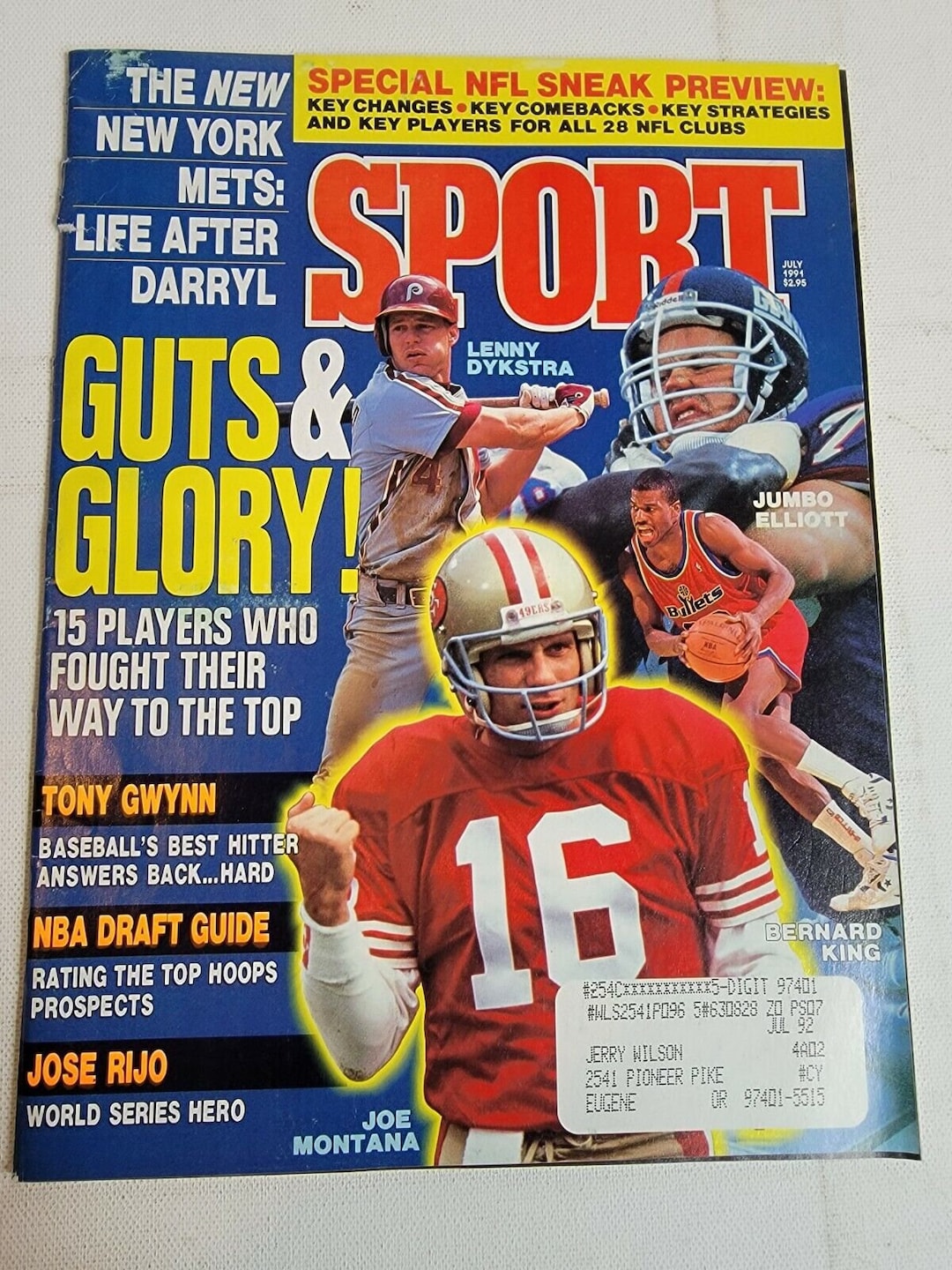
The 1990s sports era was a transformative decade defined by unprecedented global commercialization, the birth of mega-franchises, and legendary athletes who transcended their respective fields to become global pop culture icons. From the Michael Jordan-led Chicago Bulls dominance in the NBA and the expansion of the NFL, to the historic home run chases in Major League Baseball and the globalization of soccer through the English Premier League, 1990s sports reshaped modern entertainment, media broadcasting rights, and athletic merchandising.
The Cultural and Media Landscape of 1990s Sports
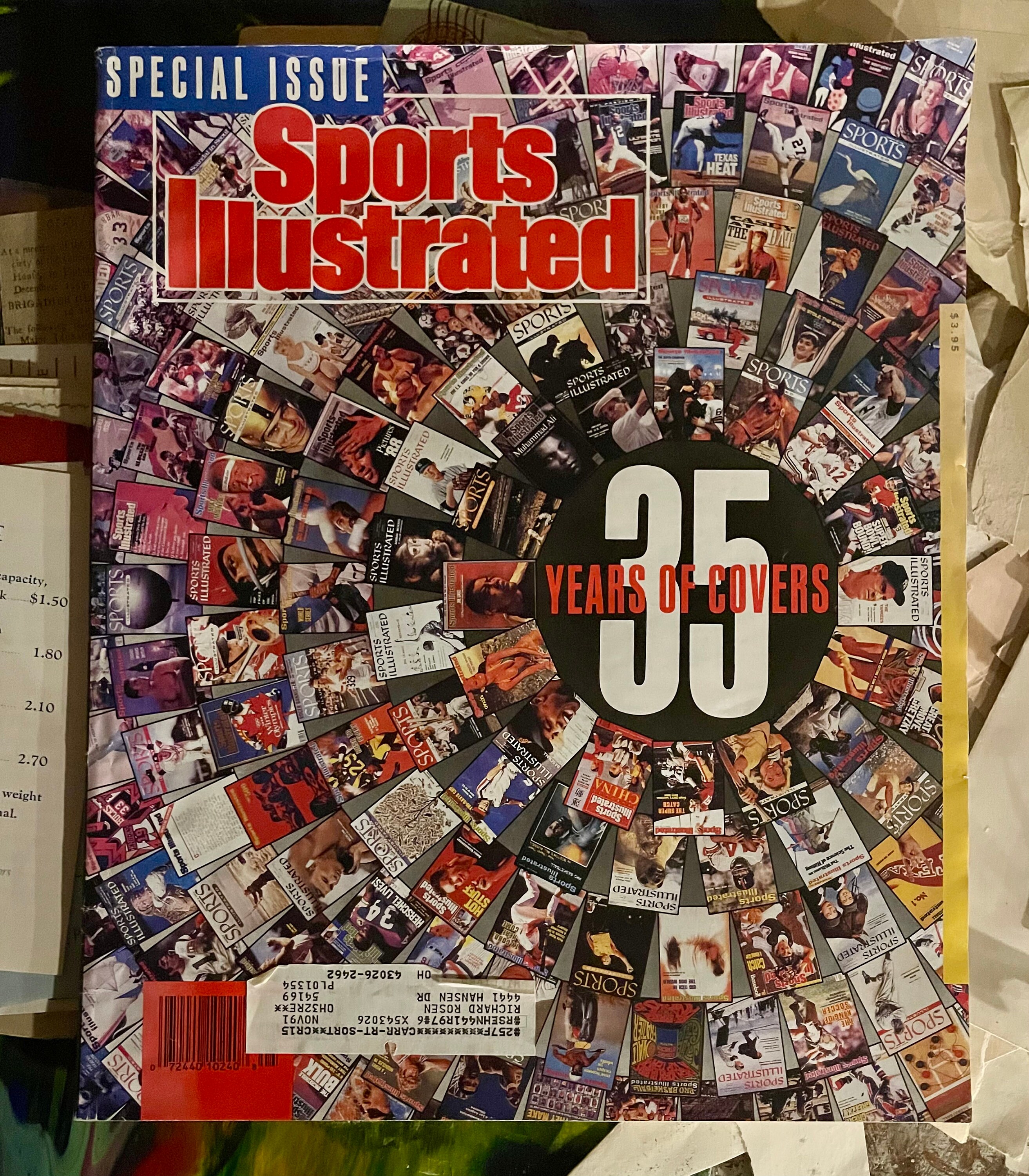
The sports ecosystem of the 1990s operated at the intersection of traditional television broadcasting and the dawn of digital media. Cable television networks like ESPN cemented their 24-hour sports news dominance, while specialized networks brought niche sports into millions of living rooms. This era also marked a critical shift in sports marketing. The athlete became a brand, propelled by massive multi-million-dollar endorsement deals with companies like Nike, Reebok, and Gatorade.
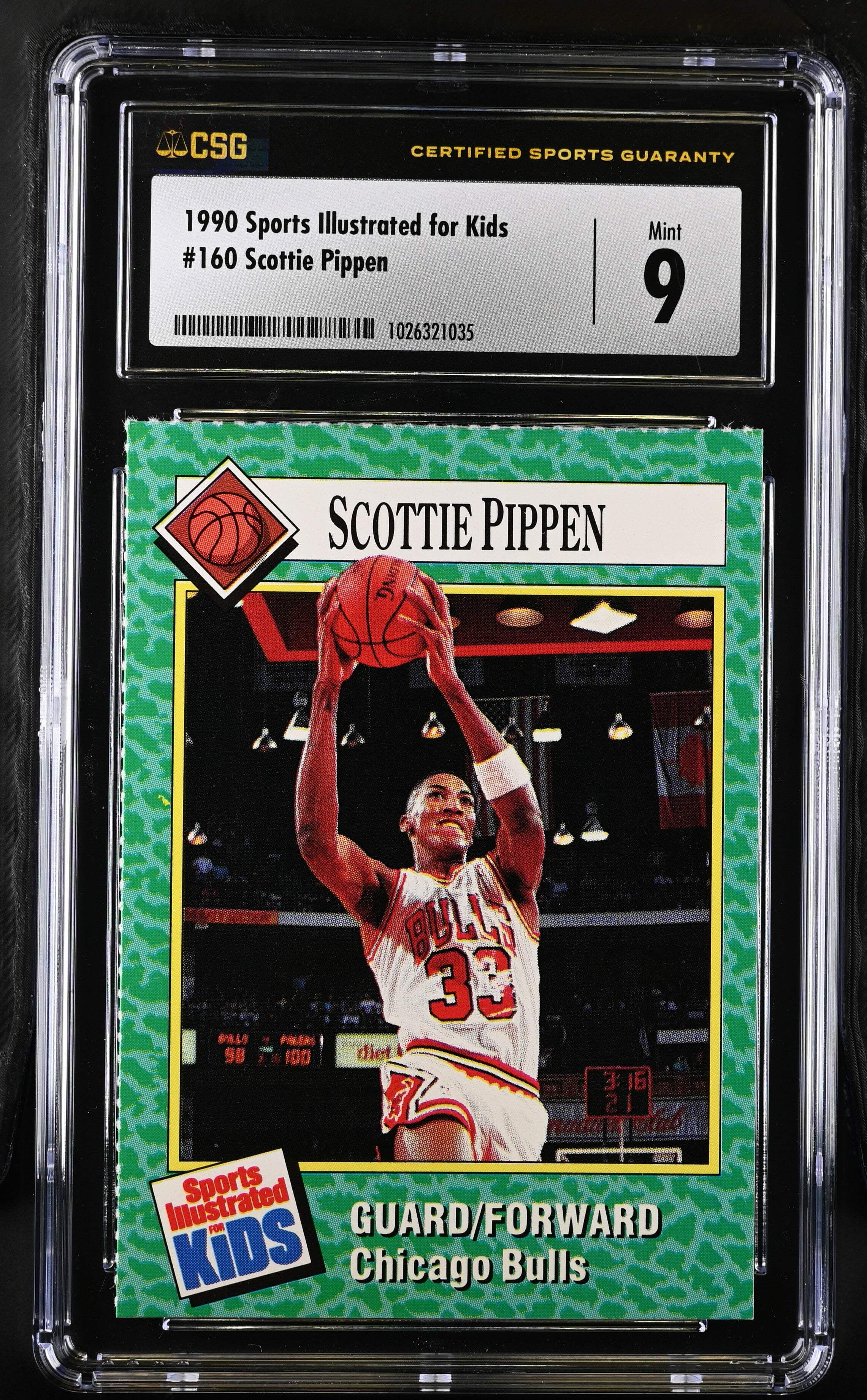
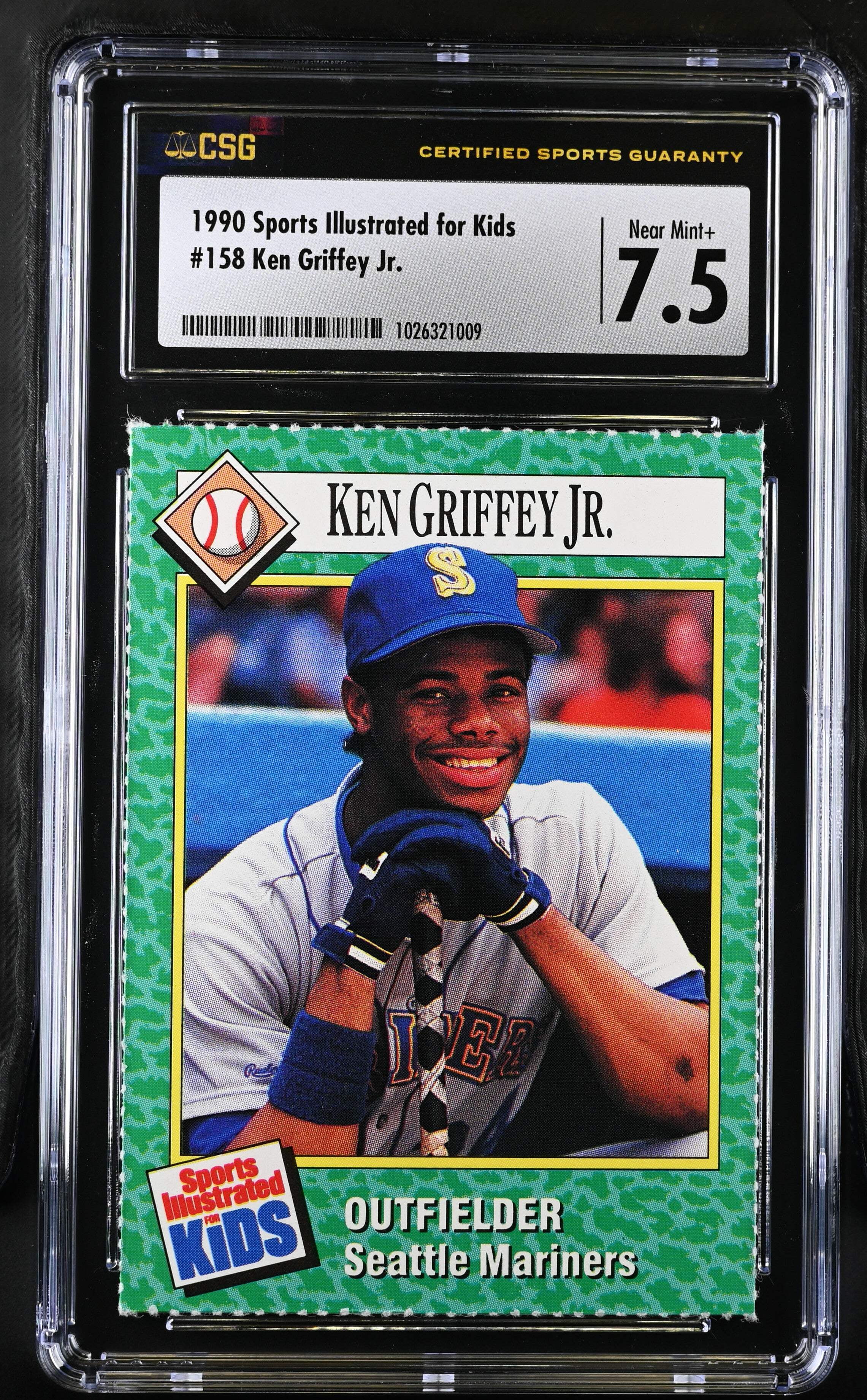
Merchandising exploded during this decade. Starter jackets, authentic swingman jerseys, and trading card markets created an entirely new consumer class of sports fans. The democratization of sports apparel meant that wearing a team logo was no longer just about supporting a local franchise; it was a fashion statement and an expression of personal identity.
Television Broadcast Innovations
Broadcasters revolutionized how fans consumed sports during the 1990s. Innovations such as the FoxBox—a permanent graphic displaying the score and game clock in the top corner of the screen—forever changed NFL broadcasts starting in 1994. Similarly, the introduction of the first down yellow line technology in 1998 transformed the viewing experience of American football, making complex strategic elements clear to casual viewers at home.
In motorsports and baseball, on-board cameras and radar gun measurements brought unprecedented telemetry and statistical depth directly to the broadcast. Fans were no longer passive observers; they were armed with hyper-detailed statistics, instant replays, and multiple camera angles that elevated the analysis of every game.
Dominant Eras and Major Leagues in the 1990s
Every major professional sports league experienced a defining golden age or structural revolution during the decade, setting attendance records and securing lucrative television contracts that laid the groundwork for modern sports economics.
National Basketball Association (NBA): Global Expansion and the Jordan Dynasty
The NBA experienced its most culturally significant era in the 1990s, largely driven by the global phenomenon of Michael Jordan and the Chicago Bulls. Winning six championships across two three-peats (1991–1993 and 1996–1998), the Bulls turned basketball into a global export. The 1992 Barcelona Olympics introduced the "Dream Team," featuring NBA superstars like Magic Johnson, Larry Bird, and Michael Jordan playing together internationally, which exponentially increased the global appeal of the sport.
Simultaneously, the league expanded into Canada with the introduction of the Vancouver Grizzlies and Toronto Raptors in 1995. Rivalries between physical powerhouse teams like the New York Knicks, Miami Heat, and Indiana Pacers defined a rugged, defensive style of play that contrasted with the high-flying offense of the western conference powerhouses like the Utah Jazz and Seattle SuperSonics.
Major League Baseball (MLB): Labor Strife and the 1998 Home Run Chase
Major League Baseball experienced profound highs and lows during the 1990s. The decade was marred by the catastrophic 1994–95 player strike, which resulted in the cancellation of the World Series for the first time in 90 years and alienated millions of fans. However, the sport experienced a dramatic resurgence in 1998 through the historic home run chase between Mark McGwire of the St. Louis Cardinals and Sammy Sosa of the Chicago Cubs. Both players shattered Roger Maris’s long-standing single-season home run record of 61, capturing the collective attention of the sporting world and restoring public faith in the game.
National Football League (NFL): The Free Agency Revolution and Dallas Cowboys Dynasty
The NFL entered the 1990s with the implementation of unrestricted free agency in 1993, brought on by the White v. NFL antitrust lawsuit settlement and the establishment of the modern salary cap. This regulatory shift radically changed roster construction, forcing front offices to balance veteran retention with precise salary cap management. On the field, the Dallas Cowboys dominated the early part of the decade, winning three Super Bowls in four years (Super Bowls XXVII, XXVIII, and XXX) behind the offensive trio of quarterback Troy Aikman, running back Emmitt Smith, and wide receiver Michael Irvin. Later in the decade, the Green Bay Packers, led by quarterback Brett Favre, and the Denver Broncos, led by John Elway, claimed their own championship legacies.
Soccer: The Birth of the Premier League and International Milestones
In European soccer, the landscape shifted dramatically in 1992 with the formation of the FA Premier League in England, which separated top-tier clubs from the traditional Football League structure to maximize television rights revenue and global market reach. Manchester United, under the management of Alex Ferguson, dominated much of the decade. Internationally, the United States hosted the historic 1994 FIFA World Cup, setting all-time attendance records that revitalized interest in soccer across North America and led directly to the creation of Major League Soccer (MLS) in 1996.
Iconic Athletes and Defining Records
The athletic achievements of the 1990s set benchmarks that, in many cases, remain unbroken. Athletes trained with improved sports science methodologies, utilizing early forms of computerized performance tracking, specialized nutrition, and advanced rehabilitation techniques.
- Michael Jordan: Secured six NBA Championships, five regular-season MVP awards, and six Finals MVP awards, cementing his status as a global sports icon.
- Wayne Gretzky: Continued his historic hockey career through the 1990s, breaking Gordie Howe’s all-time points record in 1994 while playing for the Los Angeles Kings.
- Tiger Woods: Shattered expectations in 1997 by winning The Masters at Augusta National by 12 strokes at just 21 years old, instantly altering the global popularity and demographic reach of professional golf.
- Pete Sampras: Dominated men’s tennis throughout the decade, capturing 12 Grand Slam singles titles and holding the world number-one ranking for a then-record 286 total weeks.
Comparative Overview of Major 1990s Sports Leagues
| League / Sport | Defining Event or Era | Key Technological / Structural Shift | Major Cultural Impact |
|---|---|---|---|
| NBA | Chicago Bulls Dynasty (1991–1998) | Global broadcasting and international merchandise expansion | Transformed basketball into a global fashion and lifestyle culture. |
| MLB | 1998 Home Run Chase (McGwire/Sosa) | Recovery from the 1994–95 player strike | Revitalized fan attendance and media interest after labor strife. |
| NFL | Dallas Cowboys 90s Dominance | Implementation of Salary Cap and Free Agency (1993) | Standardized parity and transformed football into a year-round media spectacle. |
| Premier League | Formation in 1992 | Commercial restructuring of television rights | Created the world's most lucrative and widely viewed domestic soccer league. |
The Equipment and Technology Evolution
Athletic equipment in the 1990s served as a bridge between traditional craftsmanship and modern material science. Manufacturers began heavily investing in synthetic materials, lightweight composites, and aerodynamic testing.
In golf, the introduction of oversized titanium driver heads—most notably the Callaway Great Big Bertha launched in 1995—permanently altered how courses were played, allowing players to hit drives significantly farther and with greater forgiveness. In cycling, carbon fiber frames and aerodynamic time-trial handlebars revolutionized competitive road racing, famously utilized by Miguel Indurain and Lance Armstrong during their respective tours.
Meanwhile, in action sports, the explosive growth of the X Games, which debuted in 1995, brought skateboarding, BMX, and aggressive inline skating into the mainstream. This subculture favored specialized equipment, baggy apparel, and independent shoe brands that directly influenced mainstream youth fashion.
Legacy and Modern Retrospective
Examining 1990s sports from a modern perspective reveals the foundational blueprints of today's multi-billion-dollar athletic entertainment industry. The commercial strategies, athlete-branding models, and global media distribution networks established during this decade enabled the hyper-connected, data-driven sports world of the 21st century. Fans continue to look back at the 1990s with intense nostalgia, celebrating an era viewed as the last bastion of analog grit paired with the explosive arrival of modern media spectacle.
Frequently Asked Questions About 1990s Sports
Who were the most dominant athletes of the 1990s?
The decade featured several transcendent figures, most notably Michael Jordan in basketball, Wayne Gretzky in hockey, Pete Sampras in tennis, and Tiger Woods, who emerged at the very end of the decade in golf. These athletes dominated their respective sports while setting new standards for global marketability and athletic performance.
How did the 1994–95 MLB strike impact baseball?
The strike led to the cancellation of the 1994 World Series and forced the cancellation of games into the 1995 season, resulting in a severe drop in fan attendance and trust. The sport slowly recovered over the subsequent seasons, aided significantly by the historic 1998 home run chase between Mark McGwire and Sammy Sosa.
When did the NFL introduce the salary cap?
The NFL implemented a hard salary cap alongside unrestricted free agency in 1993 following the settlement of the White v. NFL antitrust lawsuit. This framework fundamentally changed how teams built rosters, encouraging parity and strategic financial management across all franchises.
What was the "Dream Team" and why was it important?
The 1992 United States men's Olympic basketball team, nicknamed the "Dream Team," was the first American Olympic roster to feature active NBA players, including Michael Jordan, Magic Johnson, Larry Bird, and Charles Barkley. The team dominated the Barcelona Olympics and played a massive role in popularizing basketball internationally.
How did sports broadcasting change during the 1990s?
Broadcasting underwent a massive technological shift with the introduction of permanent on-screen score and clock graphics (the FoxBox), yellow first-down lines in football, and the expansion of 24-hour sports cable networks like ESPN, which provided continuous highlights, analysis, and sports journalism.
Next Actions and Exploration
To further explore the history of 1990s sports, review comprehensive sports archives, documentaries such as The Last Dance, and official league history databases. Analyzing box scores, historical game film, and economic reports from the era provides a clearer picture of how modern professional athletics evolved into a global economic powerhouse.