The 1990s marked a revolutionary golden era for R&B (Rhythm and Blues), characterized by the seamless integration of classic soul melodies, cutting-edge hip-hop beats, and the emergence of hyper-polished vocal production. During this decade, R&B shifted from the synthesizers of the late 1980s into a diverse musical landscape defined by New Jack Swing, smooth slow jams, neo-soul, and boundary-pushing vocal group harmonies. This era transformed R&B from a genre closely tied to adult contemporary radio into a dominant cultural and commercial powerhouse that continually shaped global pop culture, fashion, and modern recording techniques.
The Foundations and Evolution of 1990s R&B
The transition into the 1990s did not happen in a vacuum. The late 1980s laid crucial groundwork through the introduction of New Jack Swing, pioneered by producers and artists like Teddy Riley. This subgenre fused the rhythmic swing and swagger of hip-hop breakbeats with traditional R&B vocal styles and gospel-infused ad-libs. As the decade progressed, producers moved away from purely mechanical drum machines toward more lush, organic instrumentation combined with heavy, synthesized sub-bass lines that resonated deeply in urban car audio systems and dance clubs alike.
Simultaneously, the early 1990s saw a rise in juvenile and teenage prodigies who possessed vocal maturity far beyond their years. Major record labels established dedicated urban music divisions, pouring resources into artist development, styling, and choreography. This corporate backing coincided with a burgeoning hip-hop culture, leading to the golden age of the R&B/hip-hop collaboration. Rappers began appearing on nearly every major R&B single, adding rhythmic grit and street credibility to polished vocal performances, while R&B singers provided the soaring hooks and emotional resonance for rap anthems.
Key Subgenres and Stylistic Shifts
To understand the breadth of 1990s R&B, one must examine how the genre fractured into distinct, highly influential stylistic movements. While commercial radio embraced radio-friendly dance tracks and sweeping ballads, alternative movements challenged traditional industry formulas.
New Jack Swing and Urban Dance
Carried over from the late 1980s, New Jack Swing remained a dominant force in the very early 1990s. Artists like Bobby Brown, Bell Biv DeVoe, and Keith Sweat utilized syncopated rhythms, rap-sung verses, and high-energy dance choreography. This style bridged the gap between older soul fans and the emerging hip-hop generation, setting a high standard for live stage performances and music video choreography.
The Rise of the Ultimate Slow Jam
Mid-tempo grooves and ultra-slow ballads became the defining soundtrack for romance and late-night radio programming. Producers like Babyface (Kenneth Edmonds), Jimmy Jam, and Terry Lewis mastered the art of the emotional ballad. Songs released by artists such as Boyz II Men, Jodeci, and Toni Braxton relied on dramatic key changes, lush string arrangements, and deep, resonant bass notes that defined the emotional landscape of the era.
The Birth of Neo-Soul
As the decade drew to a close, a counter-movement emerged against the heavily commercialized, ultra-produced pop-R&B landscape. Artists like D'Angelo, Erykah Badu, and Lauryn Hill spearheaded the neo-soul movement. Rooted heavily in 1970s soul, jazz, and funk, this subgenre favored live instrumentation, raw vocal delivery, and socially conscious or introspective lyricism over computerized precision and club-oriented beats.
Dominant Vocal Groups and Solo Superstars
The landscape of 1990s R&B was shaped by two primary forces: powerhouse vocal groups that perfected multi-part harmonies and breakout solo artists who defined contemporary pop culture and fashion.
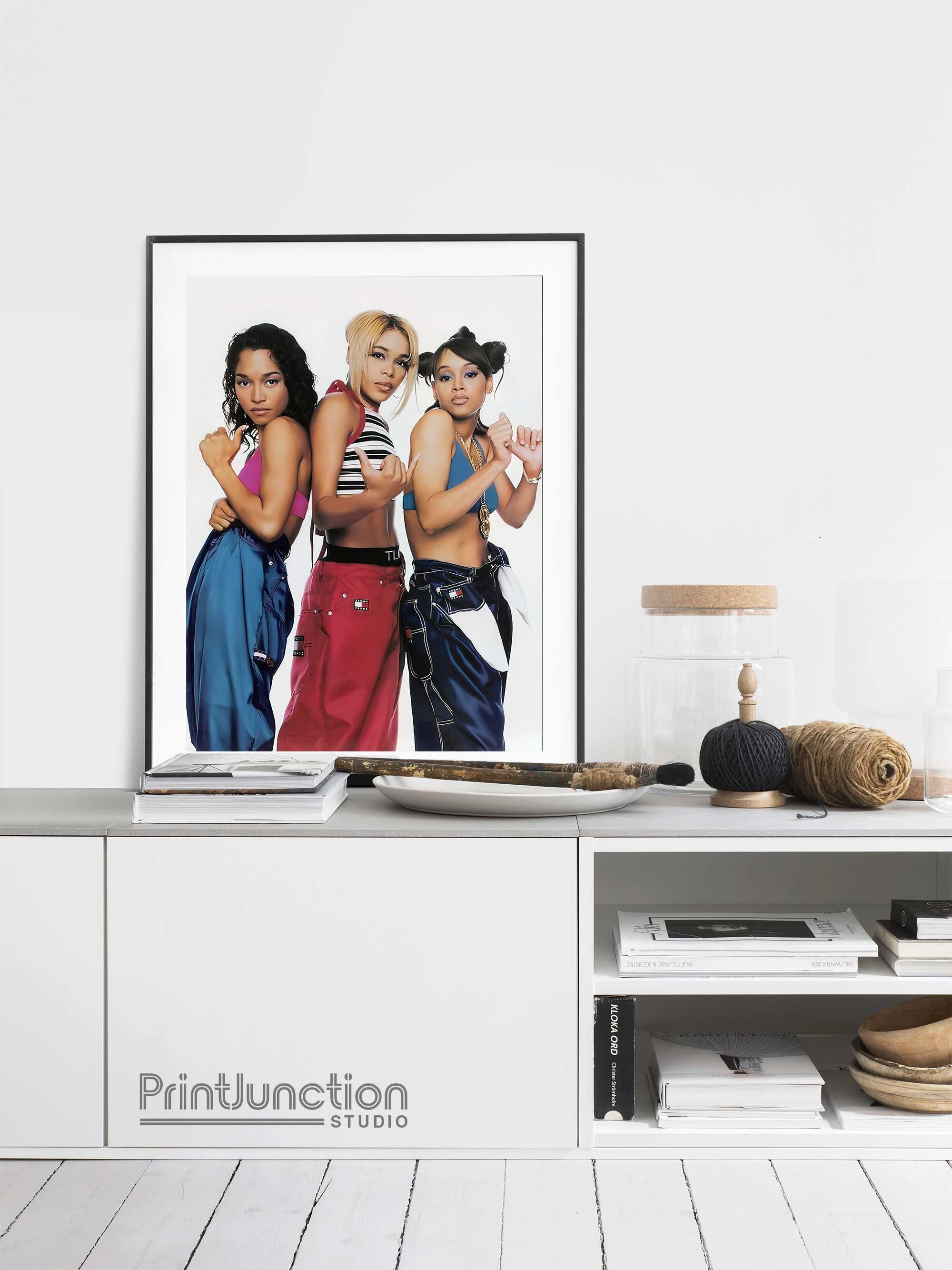
- Vocal Groups: Boyz II Men became the commercial titans of vocal harmony, breaking longevity charts with emotionally devastating a cappella and orchestrated ballads. Groups like Jodeci introduced a "bad boy" aesthetic that combined gospel-trained vocals with dark, leather-clad street style, while female groups such as TLC, En Vogue, and SWV balanced female empowerment, intricate harmonies, and massive pop appeal.
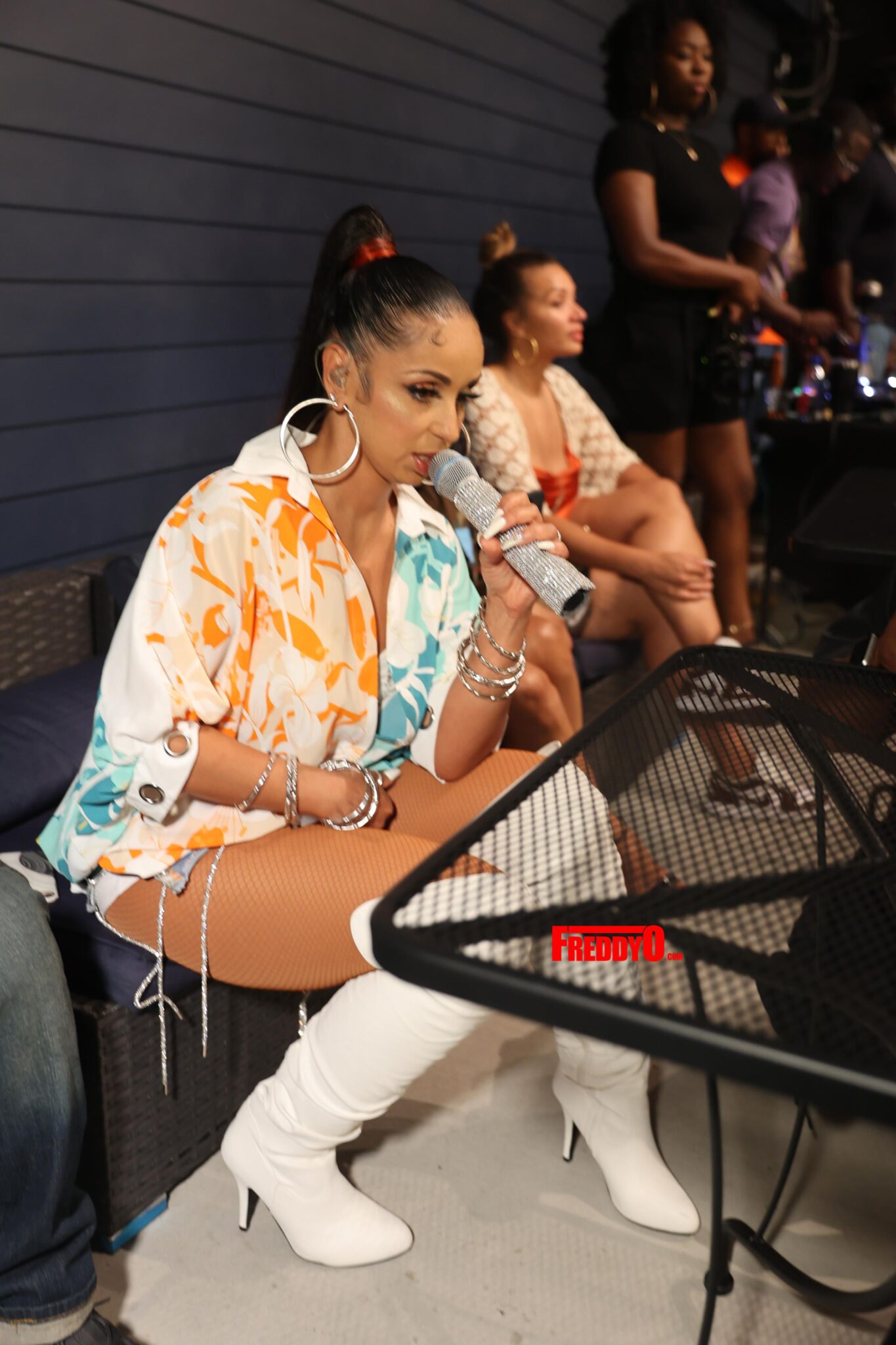
- Solo Superstars: Artists like Whitney Houston and Mariah Carey bridged the gap between adult contemporary pop and urban R&B, dominating global charts with multi-octave vocal acrobatics. Meanwhile, artists such as Janet Jackson, Mary J. Blige, and Usher combined elite vocal and dance performances with intensely personal storytelling. Mary J. Blige, famously dubbed the "Queen of Hip-Hop Soul," revolutionized female R&B by infusing her music with the raw pain of urban life, wearing baseball caps, oversized jerseys, and boots instead of traditional glamorous evening wear.
| Artist / Group | Primary Subgenre | Signature Contribution / Era Marker | Notable Cultural Impact |
|---|---|---|---|
| Boyz II Men | Pop-R&B / Ballads | Record-breaking vocal harmonies and emotional ballads ("End of the Road"). | Redefined global a cappella popularity and long-running chart dominance. |
| Mary J. Blige | Hip-Hop Soul | Merging raw urban reality with soulful vocal delivery (What's the 411?). | Created a blueprint for blending hip-hop beats with vulnerable R&B storytelling. |
| TLC | Pop-R&B / Hip-Hop | Fearless female empowerment, quirky visuals, and socially conscious lyrics. | Addressed safe sex, self-image, and financial independence through massive pop hits. |
| D'Angelo | Neo-Soul | Organic instrumentation and raw, funk-infused soul (Brown Sugar). | Sparked the late-90s organic soul revival away from slick pop production. |
Production Innovation and the Studio Environment
The sound of 1990s R&B was heavily dependent on technological advancements in recording studios, alongside the visionary ear of legendary production teams. Digital multi-track recording became standard, allowing producers to layer dozens of vocal harmony tracks to create a thick, wall-of-sound effect.
Key producers transformed the sonic identity of the decade through signature production traits:
- Babyface & L.A. Reid: Masters of the polished, melodic mid-tempo groove and tear-jerking ballad, utilizing pristine acoustic guitars and immaculate vocal arrangements.
- Teddy Riley: Architect of the mechanical, swinging beat structures and heavy synth basslines.
- Sean "Puffy" Combs & The Hitmen: Pioneers of the R&B remix featuring prominent rap verses and recognizable 1970s soul samples (such as incorporating classic Motown and Barry White loops into modern R&B tracks).
- Timbaland & Missy Elliott: Late-decade innovators who introduced eccentric, syncopated, futuristic rhythms that completely altered the trajectory of both R&B and hip-hop production going into the 2000s.
Cultural Influence, Fashion, and Legacy
Beyond the charts, 1990s R&B fundamentally dictated youth culture, fashion trends, and media consumption. Music videos transformed into high-budget cinematic productions that showcased futuristic aesthetics, high fashion, and intricate street choreography. The fashion popularized by R&B stars—ranging from tomboy streetwear, baggy designer jeans, and Tommy Hilfiger apparel to sleek evening gowns and platinum-dyed hairstyles—became the blueprint for contemporary streetwear and luxury fashion collaborations.
Furthermore, the cross-pollination between R&B and hip-hop during this decade created the template for modern popular music. Today's dominant pop and urban sounds—where tracks effortlessly slide between melodic singing and rhythmic rapping—are a direct evolutionary descendant of the stylistic risks taken by 1990s artists and producers.
Frequently Asked Questions
What defined the sound of 1990s R&B?
The sound was defined by a blend of lush vocal harmonies, heavy hip-hop drum breaks, smooth synthesizer basslines, and emotional lyricism. It bridged classic soul sensibilities with contemporary urban street culture through innovative production techniques.
How did hip-hop influence 1990s R&B?
Hip-hop introduced rhythmic swing, breakbeats, and guest rap verses to R&B tracks. This collaboration gave R&B a grittier edge, leading to the creation of distinct subgenres like hip-hop soul and New Jack Swing.
Who were the biggest R&B artists of the 1990s?
Prominent commercial and critical heavyweights included Boyz II Men, Mary J. Blige, Mariah Carey, Whitney Houston, TLC, Janet Jackson, Jodeci, and later neo-soul pioneers like D'Angelo and Erykah Badu.
What is the difference between traditional R&B and Neo-Soul?
Traditional 1990s R&B often relied on slick electronic production, MIDI sequencing, and pop-oriented hook structures. Neo-soul, which emerged in the late 1990s, turned back to organic instrumentation, live bands, jazz influences, and unpolished, raw vocal delivery.
Why is 1990s R&B considered a golden era?
The era achieved a rare balance of massive commercial success, artistic risk-taking, and cultural impact. Record labels invested heavily in vocal talent and artist development, producing enduring anthems that continue to influence modern music composition and streaming consumption.
To fully appreciate the scope of 1990s R&B, explore comprehensive album retrospectives, deep-dive documentary series on urban music history, and original studio mix sessions from legendary producers like Babyface and Teddy Riley to understand the technical craftsmanship behind the hits.