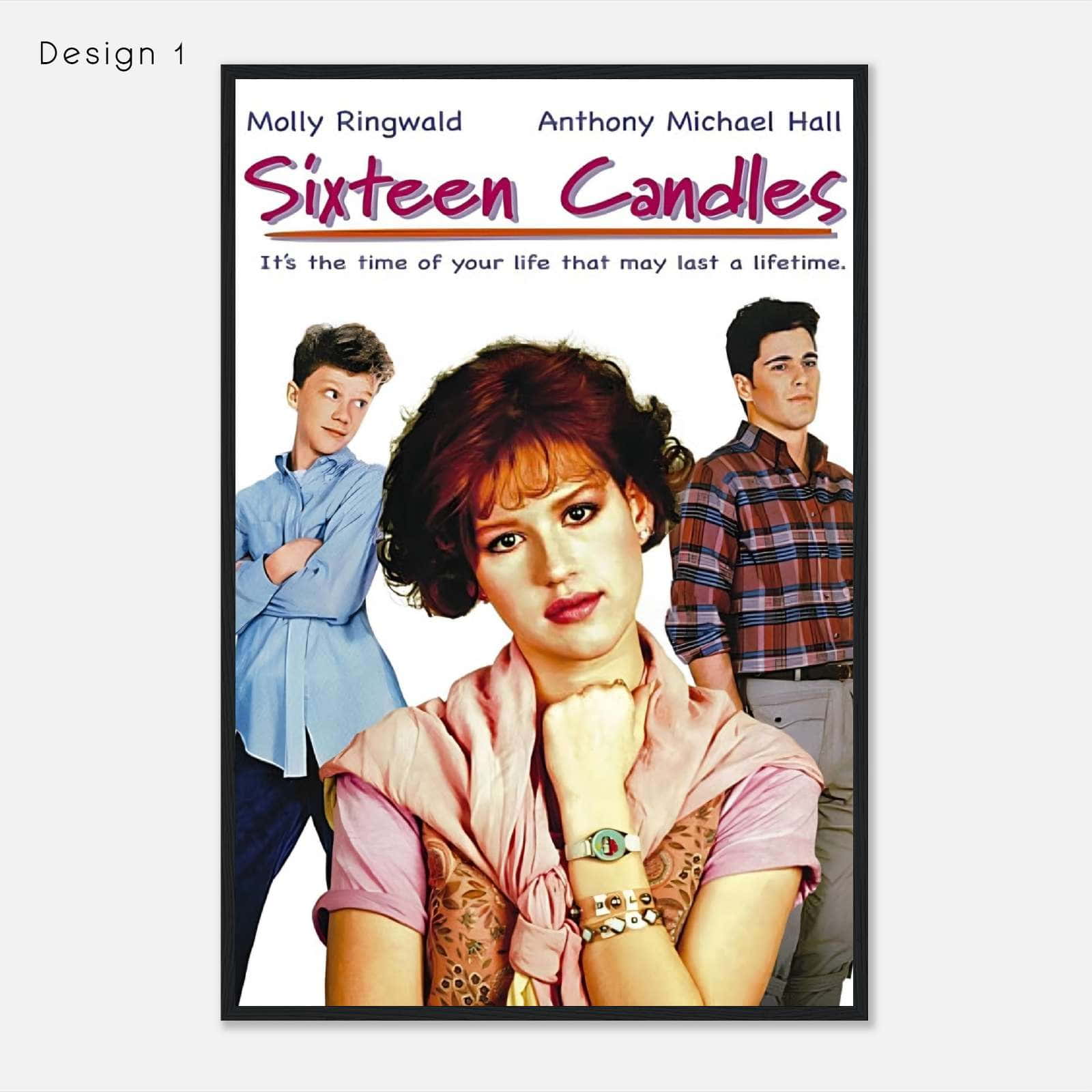
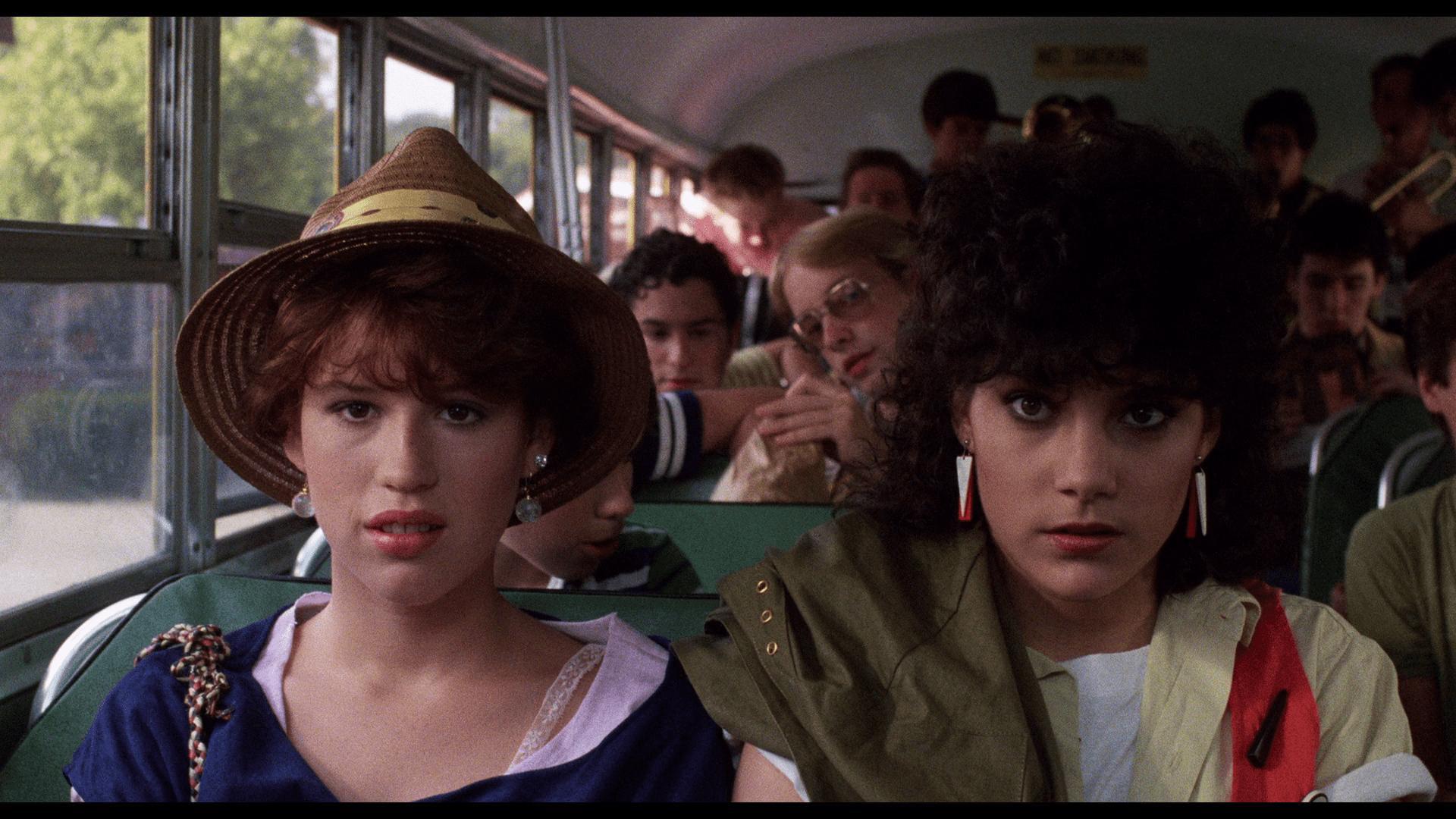
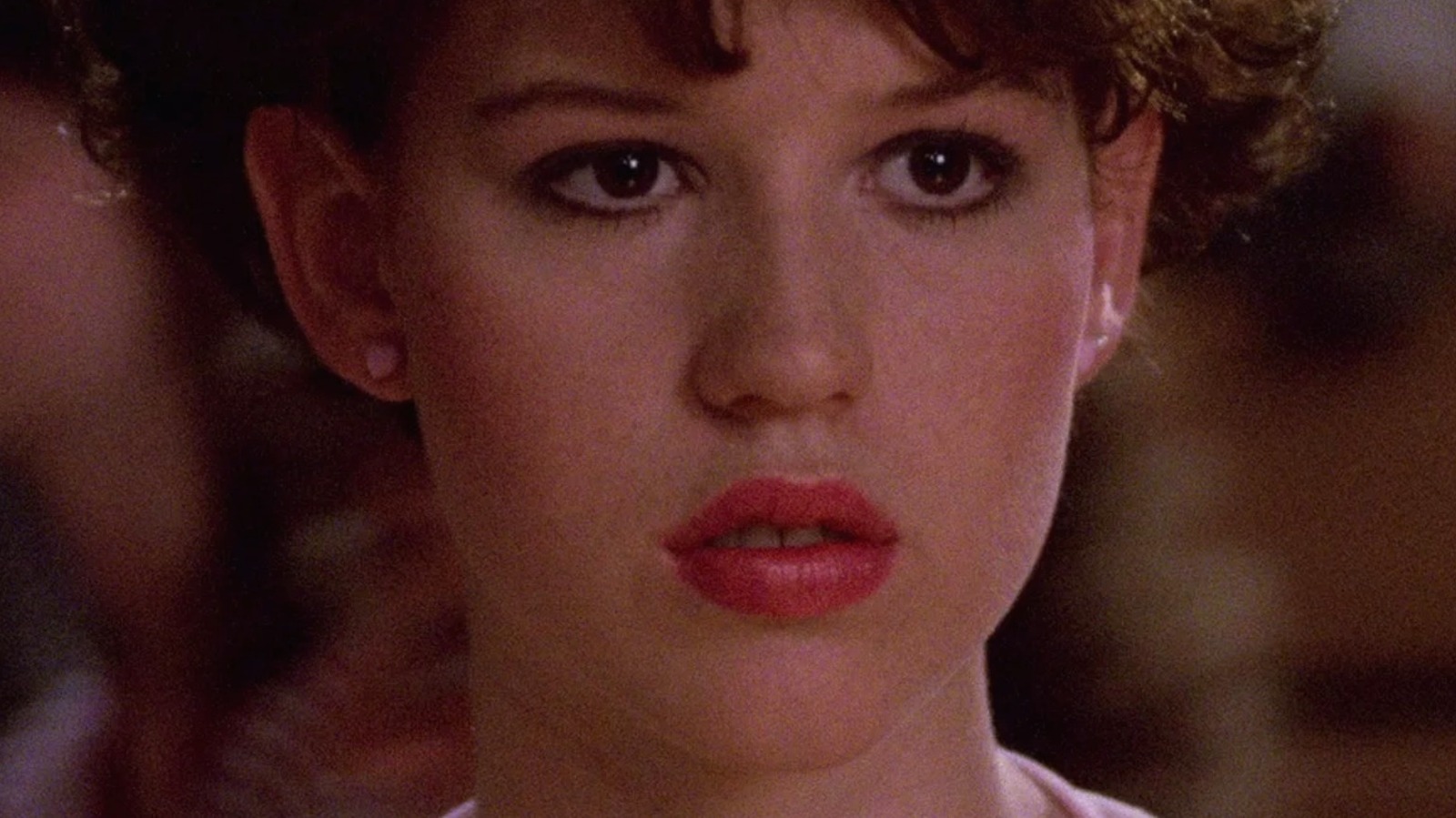
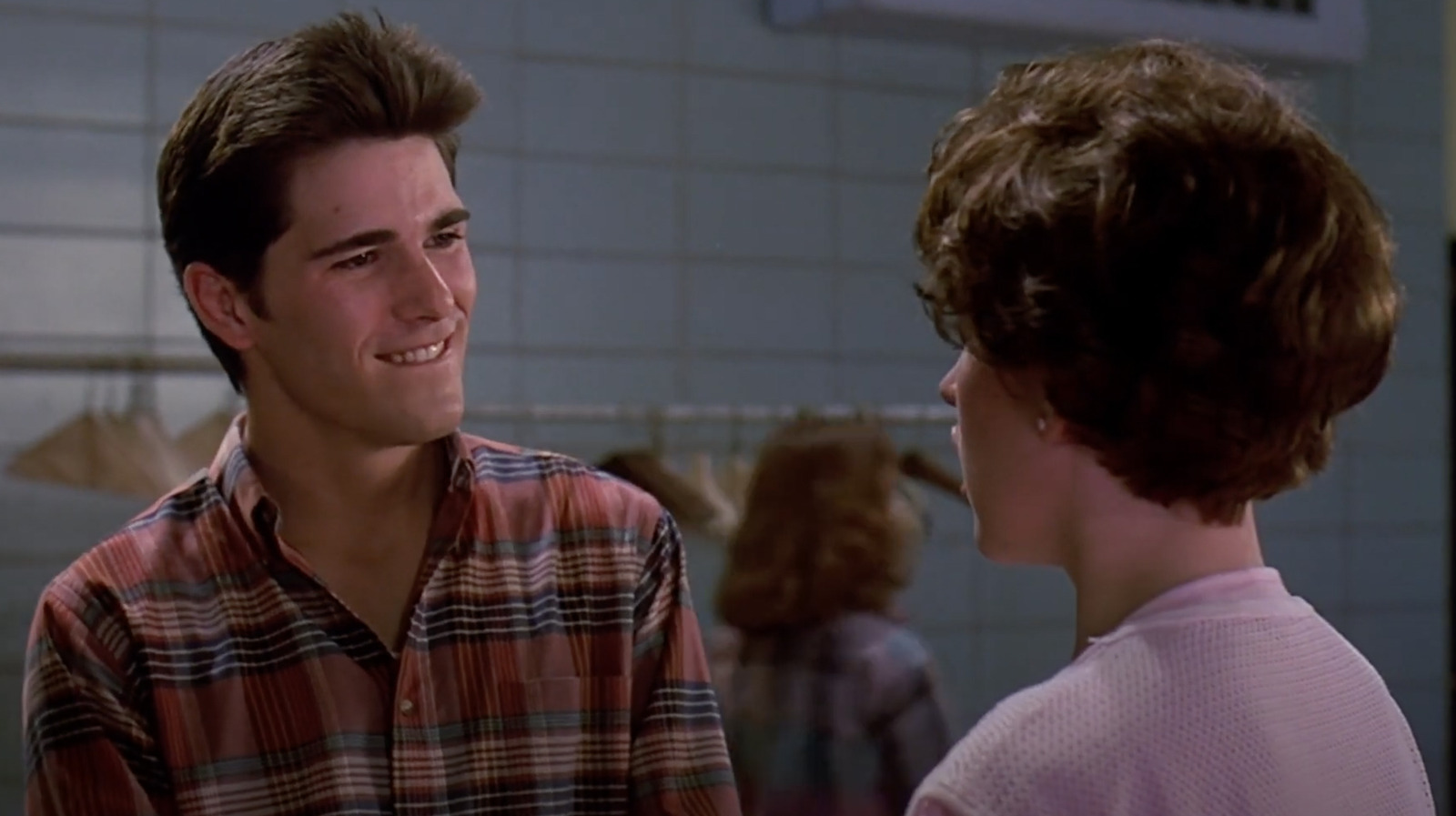
Sixteen Candles is a seminal 1984 American coming-of-age comedy film written and directed by John Hughes, centered on the trials and tribulations of Samantha Baker as she navigates her sixteenth birthday amidst family forgetfulness and high school social hierarchies. The film serves as a foundational text in the teen movie genre, defining the archetypes, aesthetic, and cultural commentary prevalent in 1980s cinema.
Production Context and Cultural Impact
Released on May 4, 1984, Sixteen Candles marked the directorial debut of John Hughes, who would go on to shape the landscape of teen cinema for the remainder of the decade. Produced by Universal Pictures, the film stars Molly Ringwald as the protagonist, Samantha "Sam" Baker, a teenager whose milestone birthday is entirely overlooked by her family because they are preoccupied with her older sister’s impending wedding.
The film is recognized for its transition from the raunchy teen comedies of the late 1970s toward a more character-driven, empathetic exploration of adolescent anxiety. Hughes brought a specific sensibility to the script, focusing on the interior lives of suburban youth, the crushing weight of social status, and the confusion of early romantic pursuits. By capturing the specific vernacular and social dynamics of the mid-80s, the film resonated deeply with its target audience, securing its place as a cornerstone of 1980s pop culture.
Narrative Overview and Character Archetypes
The central conflict of the film is the juxtaposition of a momentous life event—the "sweet sixteen"—against the mundane realities of familial neglect and high school social stratification. Sam’s frustration is intensified by her unrequited crush on Jake Ryan, the quintessential high school senior who represents the unattainable ideal of popularity.
The narrative structure relies on a cast of characters that embody specific, often exaggerated, tropes of the era:
- Samantha Baker: The relatable protagonist navigating the invisibility of being a middle child during a chaotic family weekend.
- Jake Ryan: The "cool guy" who is revealed to have more depth and loneliness than his popularity suggests.
- Ted (The Geek): Representing the social outsider whose persistence and lack of social grace provide a source of both frustration and eventual camaraderie for Sam.
- Long Duk Dong: A foreign exchange student character whose portrayal remains a subject of significant historical critique and scholarly discussion regarding 1980s racial stereotyping.
These characters facilitate a story arc that moves from social isolation and longing to a climax of self-actualization. The resolution, famously featuring a birthday cake on a table and the burgeoning connection between Sam and Jake, solidified the film’s status as a quintessential romantic comedy.
Technical Specifications and Creative Direction
From a filmmaking perspective, Sixteen Candles utilizes a standard 1.85:1 aspect ratio, reflecting the visual norms of mid-80s feature films. The cinematography focuses on the suburban Midwest environment of Shermer, Illinois—a fictional town that became the geographic anchor for many of Hughes’s subsequent works, including The Breakfast Club and Ferris Bueller's Day Off.
The production design was instrumental in conveying the mood of the decade. The use of neon colors, specific fashion choices like the iconic "prom dress" aesthetic, and an synth-heavy pop soundtrack helped cement the film as a time capsule. The music, featuring artists such as The Thompson Twins and Spandau Ballet, was not merely background noise; it acted as an emotional narrator for the characters' internal experiences.
Comparative Analysis of 1980s Teen Comedies
To understand the significance of Sixteen Candles, it is useful to compare it against other defining films of the era. While other films of the time leaned heavily into slapstick or objectification, Hughes's work was noted for taking the emotional stakes of teenagers seriously, even while maintaining a comedic tone.
| Film Title | Release Year | Primary Focus | Director |
|---|---|---|---|
| Sixteen Candles | 1984 | Family neglect & romantic longing | John Hughes |
| The Breakfast Club | 1985 | Social class & identity labels | John Hughes |
| Fast Times at Ridgemont High | 1982 | Multi-narrative ensemble | Amy Heckerling |
| Pretty in Pink | 1986 | Socio-economic barriers to romance | Howard Deutch |
As shown in the table above, Sixteen Candles occupies a unique space as one of the first films to frame the high school experience through a singular, intimate lens of a family-centered crisis.
Critical Reception and Retrospective Critique
The critical reception of Sixteen Candles has evolved significantly since 1984. Upon its initial release, reviewers praised its wit, the authentic performance of Molly Ringwald, and the sharp dialogue. It was seen as a refreshing departure from the more crass R-rated comedies that dominated the box office at the time.
In the decades since, however, the film has undergone critical re-evaluation. While many audiences continue to appreciate its nostalgic value and its successful capture of the "teen angst" experience, modern cultural discourse has focused heavily on the film’s problematic elements. Specifically, the characterization of Long Duk Dong is frequently cited in media studies as an example of harmful racial caricature. Additionally, the depiction of consent and the handling of the "Geek" character’s interactions with various female characters have been analyzed through a modern lens, leading to a complex, polarized legacy.
Frequently Asked Questions
Why is the film titled Sixteen Candles? The title refers to the birthday milestone of the main character, Samantha Baker. The symbolic importance of the sixteenth birthday—often considered the gateway to adulthood in American culture—is the primary driver of the plot, as Sam expects her family to celebrate the day with the traditional significance attached to that age.
Where was Sixteen Candles filmed? The film is set in the fictional town of Shermer, Illinois. The production was primarily filmed in the suburbs of Chicago, specifically in areas such as Highland Park, Northbrook, and Skokie. The high school scenes were filmed at Niles East High School in Skokie, which has since been demolished.
What is the significance of the "table" scene? The closing scene of the film, where Sam and Jake sit on a table with a birthday cake between them, is one of the most iconic images in 1980s cinema. It represents the resolution of the film’s central longing: the validation of Sam's desire by the boy she viewed as unattainable, finally centering her in her own story.
Is the movie considered appropriate for all audiences? Sixteen Candles is rated PG. However, viewers should be aware that it contains mature themes, suggestive content, and outdated social stereotypes that were common in 1984 but may be considered offensive or problematic by contemporary standards. Parents or educators may wish to review the content before presenting it to younger viewers.
How did the movie impact Molly Ringwald's career? This film served as the breakout performance for Molly Ringwald, establishing her as the definitive "teen queen" of the 1980s. It began a highly successful creative partnership between Ringwald and John Hughes, leading to her roles in The Breakfast Club and Pretty in Pink, which solidified her as a cultural icon for the generation.
Recommendations for Viewers and Researchers
For those interested in exploring Sixteen Candles, the most effective approach is to view it as a primary historical artifact of 1980s American media. To gain a complete understanding of the film, researchers should consider pairing a viewing of the feature with contemporary critical analysis to balance the nostalgia of the era with a modern understanding of its problematic tropes.
When analyzing the film's screenplay, pay close attention to the dialogue structure; Hughes was known for his "hyper-real" approach to how teenagers spoke, which influenced a generation of writers. If you are examining the film as a cultural historian, prioritize looking at the societal pressures regarding marriage, popularity, and race in the mid-80s to understand why the film’s specific choices were made and how those perspectives have shifted by 2026.