In 1969, Los Angeles served as the global epicenter for a seismic cultural shift, transitioning from the polished optimism of the post-war era to the gritty, complex realities of the 1970s. It was a year defined by the revolutionary sounds of Laurel Canyon, the cinematic birth of "New Hollywood," the tragic end of the hippie dream through the Manson murders, and the technological dawn of the internet at UCLA.
The year 1969 remains etched in the collective memory of Los Angeles as a time of extreme dualities. On one hand, the city was the playground for the counterculture’s most vibrant expressions in music and film. On the other, it was a city grappling with escalating social tensions, environmental crises, and a loss of innocence that fundamentally altered the American psyche. To understand Los Angeles today, in 2026, one must look back at the events of 1969, which laid the groundwork for the city’s contemporary identity as a hub of both boundless creativity and stark social contrasts.
The Cultural Landscape: From Laurel Canyon to the Sunset Strip
By 1969, the "California Sound" had evolved from the surf-rock of the early sixties into something more introspective and experimental. The geography of the city played a crucial role in this development. Laurel Canyon, a rustic neighborhood nestled in the Santa Monica Mountains, became a sanctuary for musicians like Joni Mitchell, Crosby, Stills, & Nash, and The Doors.
The Laurel Canyon Scene
The musicians living in the canyon in 1969 weren't just neighbors; they were architects of a new folk-rock movement. Joni Mitchell’s "Ladies of the Canyon," though released in 1970, was written and inspired by her life in 1969. The community was characterized by an "open door" policy where artists collaborated freely. This era represented the peak of the counterculture’s influence on the mainstream, as the rustic, bohemian lifestyle of the canyon influenced fashion and social attitudes across the country.
The Sunset Strip Riots' Aftermath
While the canyon was for creation, the Sunset Strip was for performance and exhibition. However, by 1969, the "teen riots" of 1966 were a memory, and the Strip had become more commercialized and dangerous. Iconic venues like the Whisky a Go Go and The Troubadour continued to break new acts, but the police presence had intensified. The tension between the "long-hairs" and the Los Angeles Police Department (LAPD) was a daily reality, mirroring the national divide over the Vietnam War.
The Death of the Sixties: The Manson Family Murders
No discussion of 1969 Los Angeles is complete without addressing the events of August 8-10. The murders of Sharon Tate, her unborn child, and four others at 10050 Cielo Drive, followed by the killings of Leno and Rosemary LaBianca the next night, shattered the city’s sense of security.
The End of Innocence
Before August 1969, Hollywood was a relatively small, accessible community. Celebrities lived in the hills with minimal security, often leaving their doors unlocked. The revelation that the murders were committed by Charles Manson’s "Family"—a group of young hippies—poisoned the well of the counterculture. The "Summer of Love" was officially over.
The psychological impact on the city was profound. In the weeks following the murders, gun sales in Beverly Hills skyrocketed, and private security became a booming industry. The fear was not just of the crime itself, but of the breakdown of the social order. The trial, which began the following year, would further expose the dark underbelly of the "peace and love" generation, turning the city’s fascination with mysticism and communal living into a source of deep suspicion.
New Hollywood: A Cinematic Revolution
While the social fabric was tearing, the film industry was undergoing its own radical transformation. The year 1969 marked the definitive end of the "Old Hollywood" studio system and the rise of the "Auteur."
The Success of Easy Rider and Midnight Cowboy
The release of Easy Rider in July 1969 proved to major studios that low-budget, countercultural films could be massive box-office hits. Meanwhile, Midnight Cowboy (1969) became the first and only X-rated film to win the Academy Award for Best Picture. These films reflected a new reality: the youth audience wanted gritty, realistic stories that addressed drug use, sexuality, and the failure of the American Dream.
The Decline of the Musical
Conversely, big-budget traditional musicals were failing. The 1969 Oscars (celebrating 1968 films) gave Best Picture to Oliver!, but it felt like a relic of a bygone era. By the end of 1969, studios like Paramount and Warner Bros. were pivoting toward younger directors like Francis Ford Coppola and Martin Scorsese, who would dominate the 1970s. The geography of filmmaking also shifted, as more directors opted for location shooting in the streets of Los Angeles rather than soundstages, giving 1969 films a distinctive, raw aesthetic.
Social Tensions and Political Activism
Los Angeles in 1969 was a city of intense political friction. The anti-war movement was in full swing, particularly at campuses like UCLA and USC. However, the most significant social developments occurred within the city's minority communities.
The Rise of the Black Panthers
The Los Angeles chapter of the Black Panther Party, led by figures like Alprentice "Bunchy" Carter, faced intense scrutiny and violence from the LAPD’s newly formed S.W.A.T. teams. In December 1969, a massive shootout occurred at the Panther headquarters on Central Avenue. This event highlighted the militarization of policing in Los Angeles, a theme that would continue to resonate for decades.
The Chicano Moratorium
While the major Chicano Moratorium march occurred in 1970, the groundwork was laid in 1969. Mexican-American activists in East Los Angeles were increasingly vocal about the disproportionate number of Chicano soldiers being killed in Vietnam. The "Brown Berets" and other organizations began mobilizing the community, leading to a surge in political consciousness that would redefine the Eastside's role in city politics.
Infrastructure and Environment: The Birth of Modern LA
The physical landscape of Los Angeles in 1969 would be recognizable to a modern resident, yet it was undergoing significant growing pains. The city was struggling with the environmental consequences of its rapid post-war expansion.
The Smog Crisis
In 1969, smog was at an all-time high. The "June Gloom" was often indistinguishable from thick, yellowish ozone pollution that caused schools to cancel outdoor activities. This environmental degradation led to a surge in local activism, contributing to the momentum for the first Earth Day in 1970 and the subsequent passage of the Clean Air Act.
Technological Milestones: ARPANET
Perhaps the most world-changing event in 1969 Los Angeles happened in a small lab at UCLA. On October 29, 1969, the first message was sent over the ARPANET (the precursor to the internet) from UCLA to the Stanford Research Institute. While the moon landing captured the world's attention that July, this quiet technological breakthrough in Westwood laid the foundation for the digital age we inhabit in 2026.
Comparison: Los Angeles 1959 vs. 1969
The following table illustrates the dramatic shifts that occurred in the decade leading up to 1969.
| Feature | 1959 Los Angeles | 1969 Los Angeles |
|---|---|---|
| Dominant Film Style | Technicolor Musicals & Epics | Gritty Realism & New Hollywood |
| Primary Music Scene | Jazz & Crooners (Capitol Records) | Folk-Rock & Psych-Rock (Laurel Canyon) |
| Social Atmosphere | Post-War Optimism/Conformity | Counterculture Rebellion/Cynicism |
| Police/Public Relation | "Dragnet" Era Respect | High Tension / Birth of S.W.A.T. |
| Environmental Status | Visible but ignored smog | Crisis levels; birth of environmentalism |
| Technology Focus | Early Aerospace & Television | ARPANET (Internet) & Apollo 11 components |
| Residential Trend | Suburban Sprawl (The Valley) | Urban Decay vs. Hillside Bohemianism |
Sports: A Golden Era for the "City of Champions"
Despite the social unrest, 1969 was a landmark year for Los Angeles sports. The city was home to some of the greatest athletes in history, many of whom were at the peak of their careers.
- The Lakers: Led by Jerry West and Elgin Baylor, the Lakers acquired Wilt Chamberlain in late 1968. In 1969, they reached the NBA Finals, losing a heart-wrenching Game 7 to the Boston Celtics. This era established the Lakers as a premier NBA franchise and a fixture of Hollywood culture.
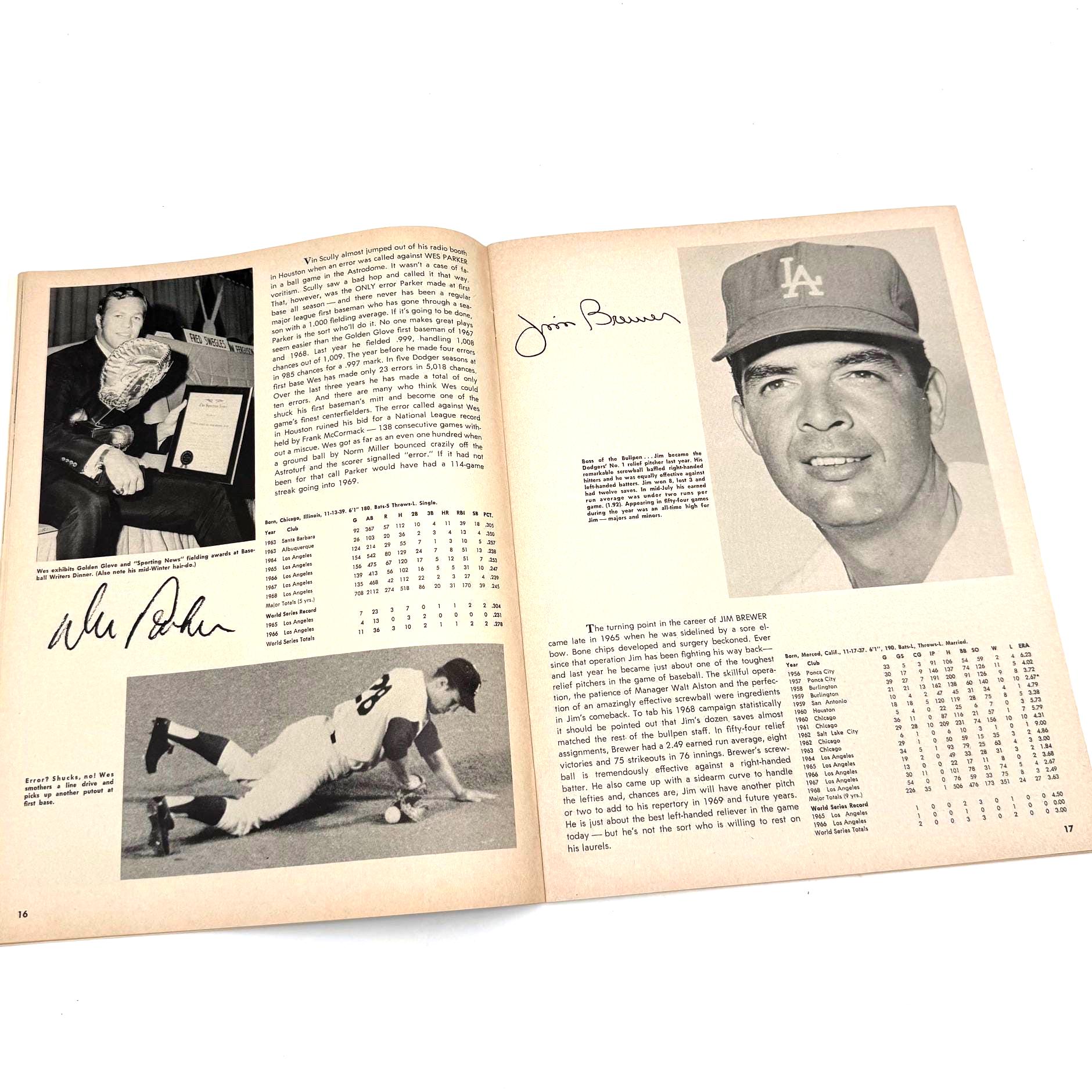
- The Dodgers: While the Dodgers finished second in the National League West in 1969, the team remained a central cultural pillar for the city's growing Latino population, despite the lingering resentment over the displacement of residents from Chavez Ravine a decade prior.
- UCLA Basketball: Under Coach John Wooden, the UCLA Bruins won their fifth national championship in 1969. Lew Alcindor (later Kareem Abdul-Jabbar) dominated the college game, cementing Los Angeles as the center of the basketball world.
Frequently Asked Questions
What was the most significant event in Los Angeles in 1969?
While the Manson murders had the greatest emotional and cultural impact on the residents, the first ARPANET transmission at UCLA was arguably the most significant event in terms of its long-term global influence. It marked the birth of the internet in the heart of the city.
How did the Manson murders change Hollywood?
The murders ended the "open door" era of Hollywood. Celebrities who previously mingled freely with the public and lived in unsecured homes began hiring private security, installing gates, and retreating into more secluded lifestyles. It also created a lasting stigma against the hippie counterculture in the mainstream media.
What was the state of the Los Angeles economy in 1969?
The economy was largely driven by the aerospace and defense industries, fueled by the Cold War and the Space Race. Companies like North American Rockwell and Hughes Aircraft were major employers. However, the city was also beginning to see the start of the deindustrialization that would affect the manufacturing sector in the following decades.
Was 1969 the peak of the Laurel Canyon music scene?
Many historians consider 1969 the "golden year" for Laurel Canyon. It was the year Crosby, Stills & Nash released their debut album and the year the community was at its most cohesive before the darker vibes of the early 70s and the commercialization of the "mellow gold" sound took over.
How is 1969 Los Angeles depicted in modern media?
One of the most prominent depictions is Quentin Tarantino’s 2019 film Once Upon a Time in Hollywood. The film painstakingly recreates the atmosphere, fashion, and geography of the city in 1969, contrasting the fading stars of the studio system with the rising counterculture and the looming threat of the Manson Family.
Final Recommendation for Historians and Enthusiasts
To truly understand 1969 Los Angeles, one must look beyond the headlines of the Manson murders and the glitz of Hollywood. It is recommended to explore the archival records of the Los Angeles Public Library or the UCLA Digital Library, which offer a wealth of primary source materials, including photographs and newspapers from the era. Understanding the intersection of technological innovation at UCLA, the environmental crisis of the smog, and the political awakening of East LA provides a more comprehensive view of how this single year shaped the trajectory of one of the world's most influential cities.