The 1984 single release landscape captured a pivotal year in popular music history, marked by groundbreaking synth-pop, rock anthems, and the height of the MTV video era. This era-defining period featured historic tracks from iconic artists like Prince, Van Halen, and Wham! that permanently altered the global music charts, modern production techniques, and commercial marketing strategies.
Historical Context of the 1984 Music Industry
The year 1984 arrived at a fascinating crossroads for the global music industry. The economic recession of the early 1980s had given way to a booming consumer market, and record labels were eager to capitalize on new technologies. Vinyl records remained the dominant physical format, but the cassette tape was rapidly gaining market share due to its portability and the explosion of personal stereo devices like the Sony Walkman.
Concurrently, the compact disc (CD) was in its infancy after being introduced commercially just a couple of years prior. Though still an expensive luxury item for audiophiles in 1984, the CD hinted at a digital future that would soon disrupt traditional manufacturing and distribution.
More importantly, the medium of television had been radically transformed by MTV, which had launched in August 1981 and reached full national penetration by 1984. A single release could no longer rely solely on radio airplay; it required a compelling visual companion to capture the imagination of a visually driven youth culture. Record companies recognized that cinematic, high-budget music videos were essential marketing tools capable of turning a standard track into a ubiquitous cultural phenomenon.
Landmark Single Releases of 1984
The calendar year brought forth an extraordinary concentration of timeless singles that continue to dominate classic hits formats. These releases were not merely commercial successes; they represented artistic shifts toward synthesized textures, high-energy tempos, and bold lyrical statements.
Van Halen – "Jump"
Released in late December 1983 and dominating the charts throughout early 1984, Van Halen's "Jump" shattered traditional hard rock conventions. Guitarist Eddie Van Halen utilized an Oberheim OB-Xa synthesizer to craft the song's iconic opening riff, momentarily stepping away from his signature heavy guitar solos. The track showcased how hard rock bands could successfully integrate electronic instrumentation to capture mainstream pop audiences while retaining their energetic, arena-ready core.
Prince – "When Doves Cry"
As the lead single from the album and film Purple Rain, Prince's "When Doves Cry" pushed avant-garde R&B and pop into uncharted territories. Released in May 1984, the track famously omitted a bassline entirely, relying instead on a LinnLM-1 drum machine, synthesized strings, and Prince’s soaring vocal performance and intricate guitar work. Its minimalist production and deeply emotional lyrics established Prince as one of the most daring sonic innovators of the decade.
Wham! – "Wake Me Up Before You Go-Go"
Representing the bright, optimistic side of 1984 pop, George Michael and Andrew Ridgeley released "Wake Me Up Before You Go-Go" in May 1984. The track became Wham!'s first UK and US number-one single, propelled by an infectious rhythm, upbeat brass arrangements, and a vibrant music video featuring pastel clothing and "CHOOSE LIFE" t-shirts. It cemented the duo as global pop royalty and exemplified the polished, danceable production style of mid-1980s British pop.
Technical Innovations in 1984 Recording Studios
The studio production techniques utilized during the 1984 single release cycle reflected rapid advancements in music technology. Recording studios were transitioning from purely analog tape machines to hybrid environments incorporating early MIDI (Musical Instrument Digital Interface) technology, which had been finalized in late 1983.
Drum machines such as the LinnDrum and Roland TR-808 (and its successor, the TR-909) provided producers with pristine, punchy rhythm tracks that remained perfectly locked in tempo. Polyphonic synthesizers like the Yamaha DX7, utilizing frequency modulation (FM) synthesis, introduced glassy, bell-like tones and metallic textures that defined the sonic landscape of 1984.
At the same time, engineers were experimenting with digital reverb units, most notably the Lexicon 224, which allowed for lush, expansive vocal spaces and dramatic snare drum sounds characterized by gated reverb techniques. These technological choices ensured that 1984 singles sounded crisp, modern, and distinctively tailored for FM radio broadcast compression.
Marketing, Chart Dynamics, and the MTV Effect
The commercial lifecycle of a 1984 single release relied on a carefully orchestrated synergy between radio programmers, retail record stores, and music television networks. Record labels implemented sophisticated promotional strategies designed to maximize chart longevity.
| Artist / Track | Release Date | Key Technological Innovation | Primary Chart Peak |
|---|---|---|---|
| Van Halen – "Jump" | December 1983 | Integration of synthesizer leads in hard rock | US Billboard Hot 100: #1 |
| Prince – "When Doves Cry" | May 1984 | Bassless minimalist funk-pop arrangement | US Billboard Hot 100: #1 |
| Wham! – "Wake Me Up Before You Go-Go" | May 1984 | Polished digital British dance-pop production | UK Singles Chart: #1 |
| Tina Turner – "What's Love Got to Do with It" | June 1984 | Early digital synth-rock fusion and comeback styling | US Billboard Hot 100: #1 |
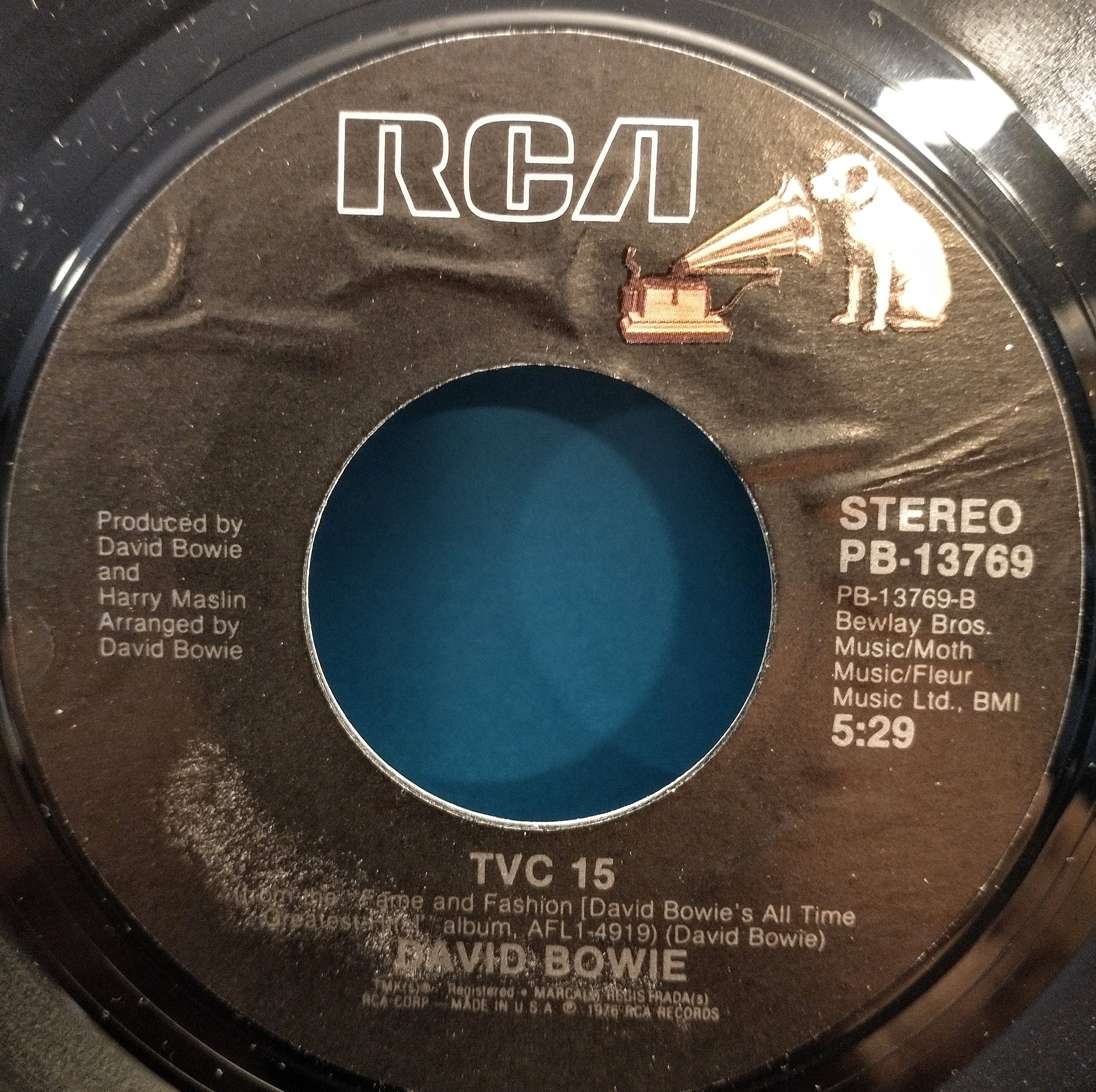
Single releases were frequently issued in multiple formats to capture different consumer segments. The standard 7-inch vinyl record targeted budget-conscious casual listeners and jukebox operators, while 12-inch vinyl singles featured extended dance mixes, instrumental versions, and dubs tailored for club DJs. The strategic release of these varying formats allowed labels to maximize chart points across multiple sales categories.
Frequently Asked Questions
Why is 1984 considered such a significant year for music singles?
The year combined major technological leaps in synthesizers and drum machines with the cultural peak of MTV, resulting in singles that were visually and sonically revolutionary. Artists across genres pushed boundaries, creating enduring pop, rock, and dance tracks that still resonate globally.
How did MTV influence single releases in 1984?
MTV acted as a primary tastemaker that could instantly propel a single into the cultural mainstream. A high-rotation music video on the network frequently translated directly into massive physical single sales and radio airplay acceleration.
What physical formats were used for single releases in 1984?
The 7-inch vinyl record was the standard format for radio airplay and budget purchases, while 12-inch vinyl singles gained immense popularity for extended club mixes. Cassette singles (cassingles) were also beginning to emerge in test markets during this period.
Did compact discs exist during the 1984 single releases?
Yes, compact discs were commercially available in 1984, but they were largely restricted to high-end albums rather than individual singles. The CD single format did not achieve widespread commercial prominence until later in the decade.
Conclusion and Legacy
The 1984 single release era established a blueprint for modern commercial music production, blending advanced studio electronics with high-concept visual marketing. These releases proved that innovative sound design could coexist with massive commercial appeal, leaving a permanent imprint on the history of recorded music.