The 1990s NBA stands as a transformative decade defined by Michael Jordan’s global cultural dominance, intense physical rivalries, expansion franchises, and the league’s evolution into a worldwide entertainment phenomenon. This era bridged the flashy, high-scoring transition of the late 1980s with the defensive grind and modern international footprint of the 21st century.
Historical Context and the Shift in Power
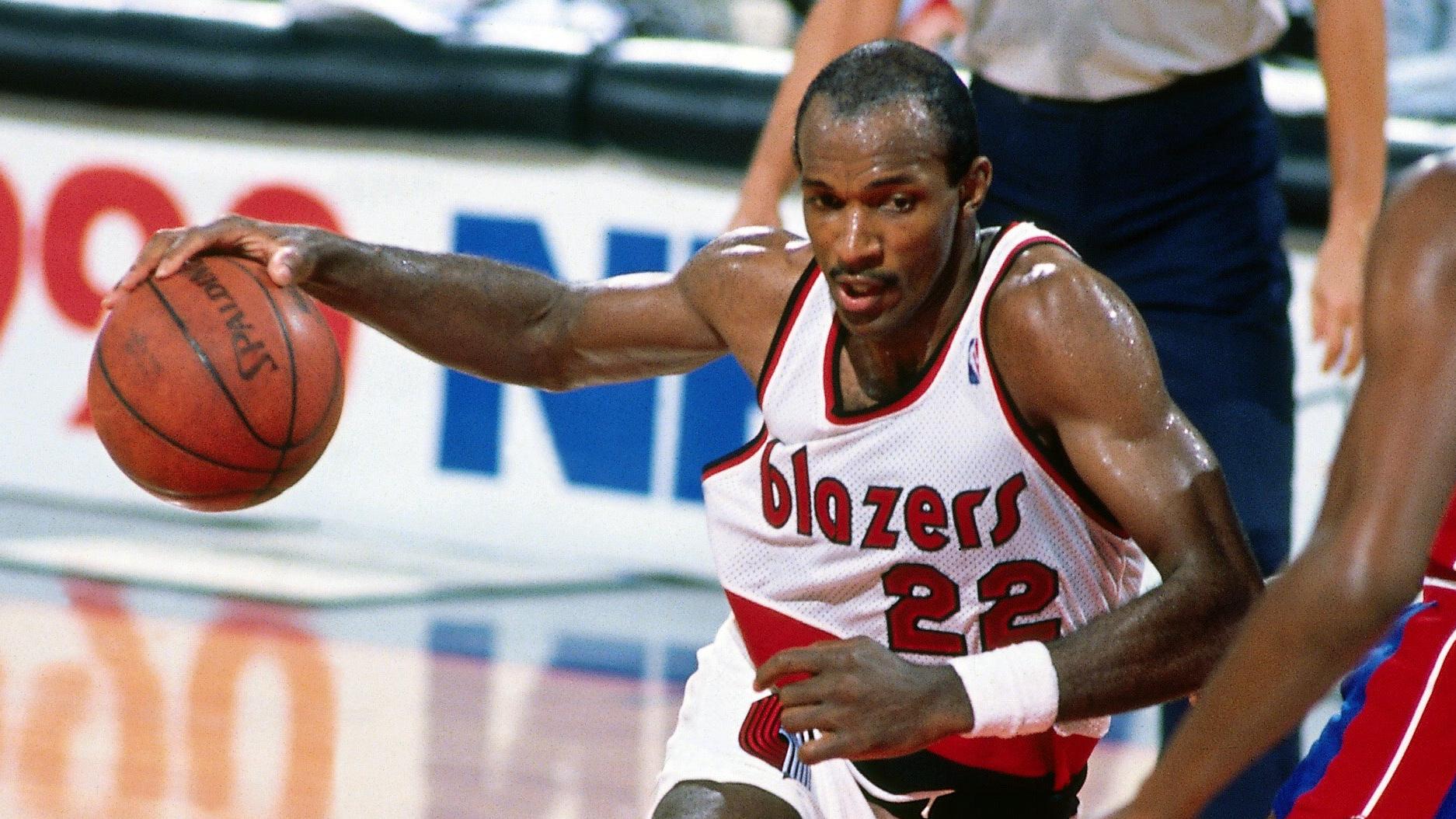
The dawn of the 1990s brought a seismic shift in the competitive landscape of professional basketball. For much of the 1980s, the NBA was anchored by the dueling dynasties of the Los Angeles Lakers and the Boston Celtics. As those legendary rosters aged or retired, a power vacuum emerged, allowing new contenders to rise. The Detroit Pistons, playing a bruising, physical brand of basketball known as the "Bad Boys," captured back-to-back championships in 1989 and 1990 by imposing their collective will and defensive toughness.
However, the definitive turning point of the decade arrived when Michael Jordan and the Chicago Bulls surmounted the Detroit hurdle in 1991. The Bulls introduced a sophisticated offensive system known as the triangle offense, installed by assistant coach Tex Winter and implemented masterfully by head coach Phil Jackson. This system emphasized ball movement, player spacing, and reading the defense rather than relying entirely on isolation plays.
The success of the Bulls not only inaugurated a six-championship dynasty across the decade but also forced every other franchise to reevaluate their roster construction, coaching philosophies, and defensive schemes. Teams could no longer rely solely on a single superstar; they required tactical sophistication, versatile role players, and deep benches to survive the grueling 82-game regular season and intense playoff brackets.
The Michael Jordan Phenomenon and Global Expansion
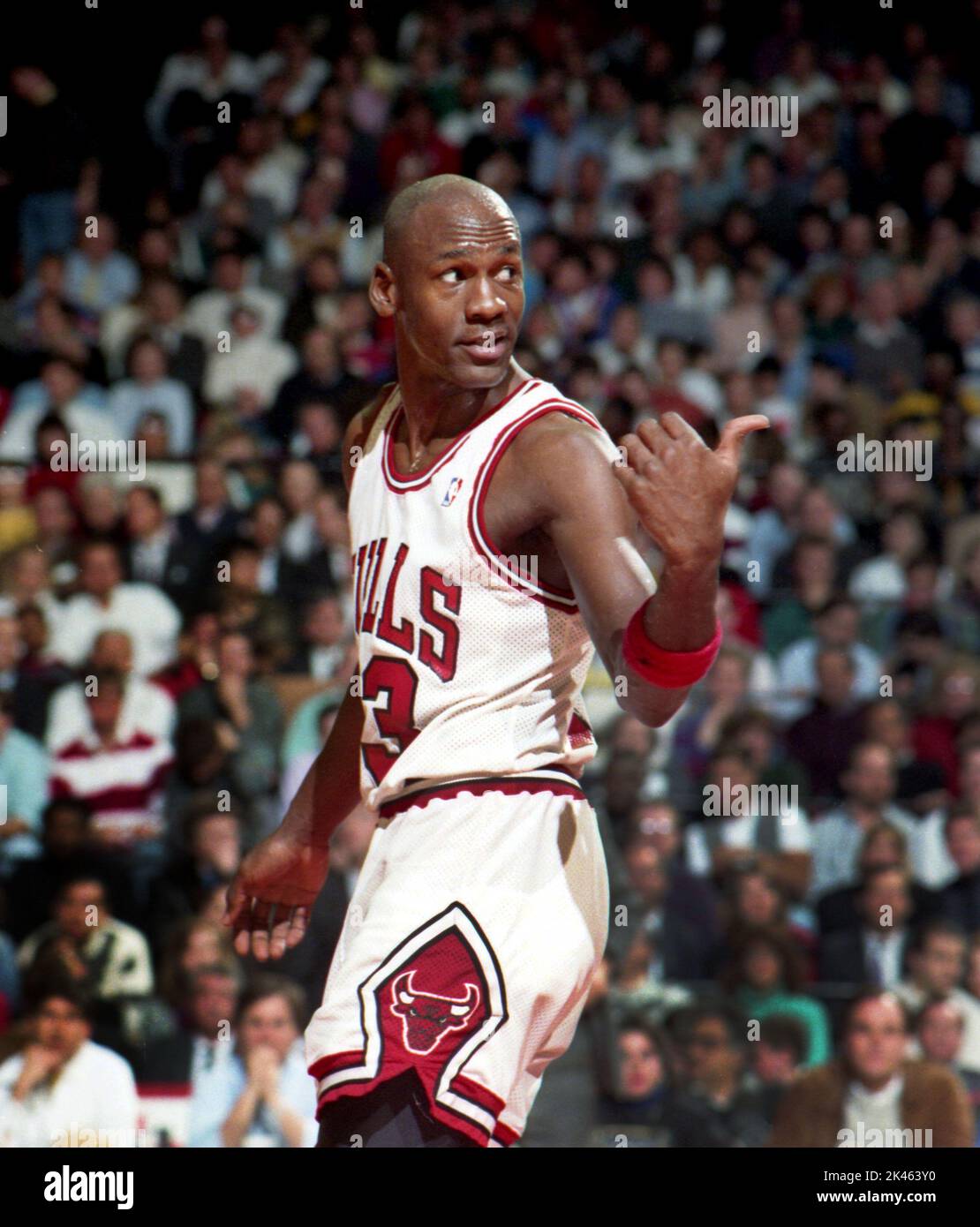
Michael Jordan transcended sports in the 1990s, becoming a cultural icon whose influence extended far beyond the hardwood. His gravity drew unprecedented television ratings, record-breaking merchandise sales, and a global audience that viewed the NBA as the pinnacle of American popular culture. The marketing machinery behind Jordan, paired with his unmatched competitive drive, transformed the NBA into a truly global product.
This international expansion was accelerated by the 1992 Barcelona Olympics, where the United States assembled the legendary "Dream Team." Featuring NBA superstars such as Jordan, Magic Johnson, Larry Bird, Charles Barkley, and Scottie Pippen alongside college standout Christian Laettner, the team dominated international competition and showcased the breathtaking skill and athleticism of American basketball to the world.
| Season Range | Primary Champions | Defining Tactical/Cultural Shift |
|---|---|---|
| 1990–1991 | Chicago Bulls | Rise of the Bulls & Triangle Offense |
| 1991–1993 | Chicago Bulls | Global expansion & Dream Team era |
| 1994–1995 | Houston Rockets | Hakeem Olajuwon & center dominance |
| 1996–1998 | Chicago Bulls | Second three-peat & peak popularity |
The success of the Dream Team sparked a massive wave of international player migration into the NBA. While foreign-born players had occasionally made rosters in prior decades, the 1990s laid the groundwork for the modern global game by proving that international talent could excel at the highest level. Players like Croatia's Toni Kukoč and Dražen Petrović, Lithuania's Šarūnas Marčiulionis, and Germany's Detlef Schrempf demonstrated that European basketball possessed elite skill, shooting prowess, and tactical awareness.
Physicality, Rivalries, and Defensive Schemes
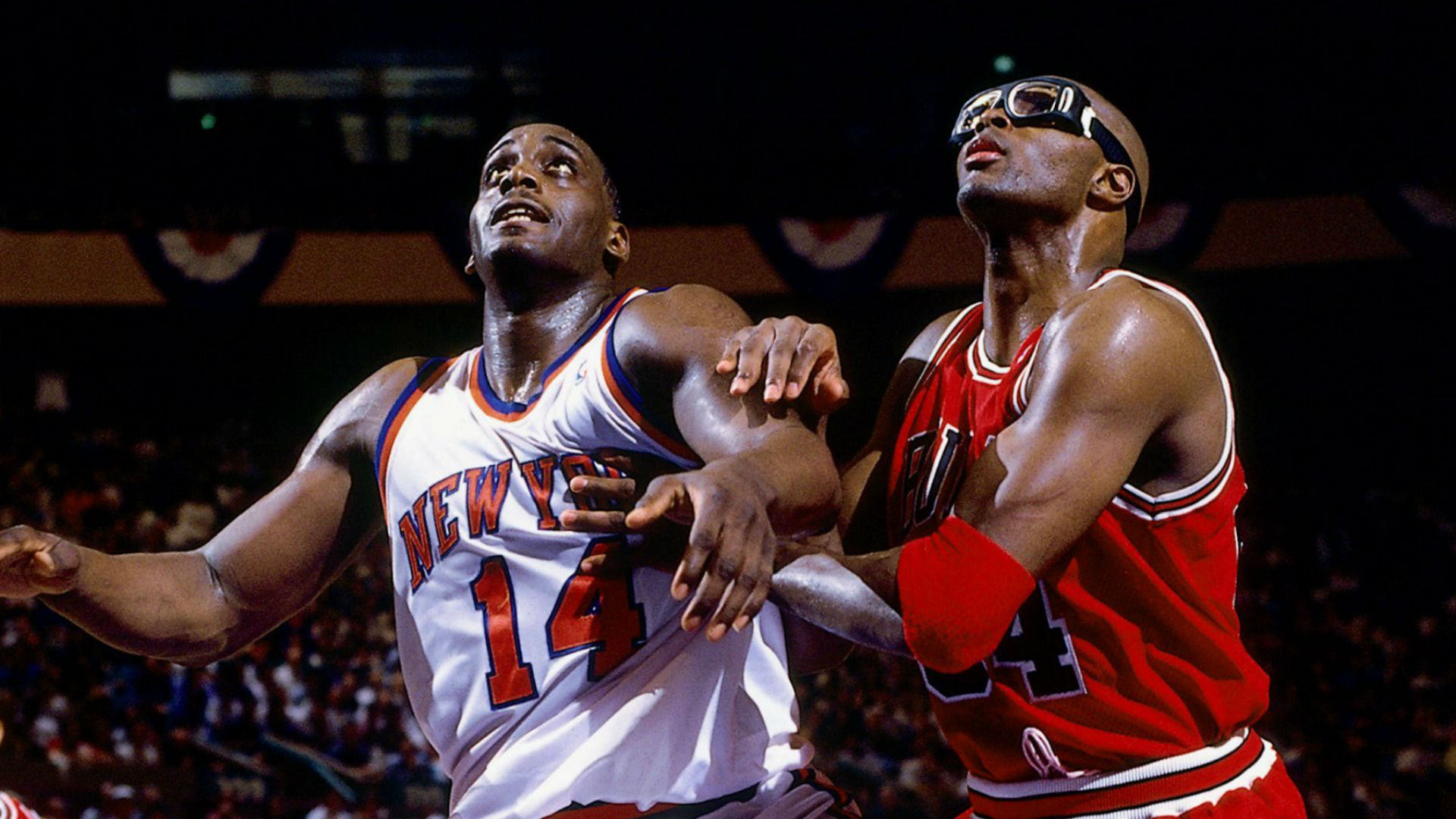
One of the most defining characteristics of 1990s basketball was its uncompromising physical nature. The rules enforcement and officiating philosophy of the era permitted robust contact in the paint and along the perimeter. Hand-checking—the defensive practice of placing a forearm or hand against an opposing ball-handler to impede progress—was entirely legal during the first half of the decade, making perimeter penetration exceptionally difficult.
This physical environment fostered legendary rivalries that divided fanbases and defined playoff intensity:
- Chicago Bulls vs. Detroit Pistons: A clash of contrasting styles where the Detroit "Bad Boys" used physical intimidation to halt Jordan before the Bulls ultimately adapted and swept them in 1991.
- New York Knicks vs. Miami Heat: Coached by Pat Riley in both locations, these postseason battles were legendary for low-scoring, defensive slugfests, brutal collisions under the basket, and fierce bench-clearing altercations.
- Indiana Pacers vs. Chicago Bulls: A grueling seven-game Eastern Conference Finals in 1998 that pushed Jordan and the Bulls to the absolute brink of elimination through disciplined execution and Reggie Miller's clutch shooting.
Defensive schemes were shaped by these rivalries. Before the league instituted a legal zone defense in the early 2000s, teams played strict man-to-man coverage governed by strict illegal defense guidelines. To combat dominant isolation scorers, defenses relied on aggressive trapping, timely double-teams from the weak side, and physical help defense in the paint, requiring elite footwork, anticipation, and toughness.
The Center Position and Frontcourt Dominance
While perimeter play and shooting gained traction late in the decade, the 1990s remained the golden age of the traditional center. Franchise building typically began with securing a dominant, low-post anchor who could control both ends of the floor. The era featured a generational collection of pivots whose contrasting styles made center matchups appointment viewing:
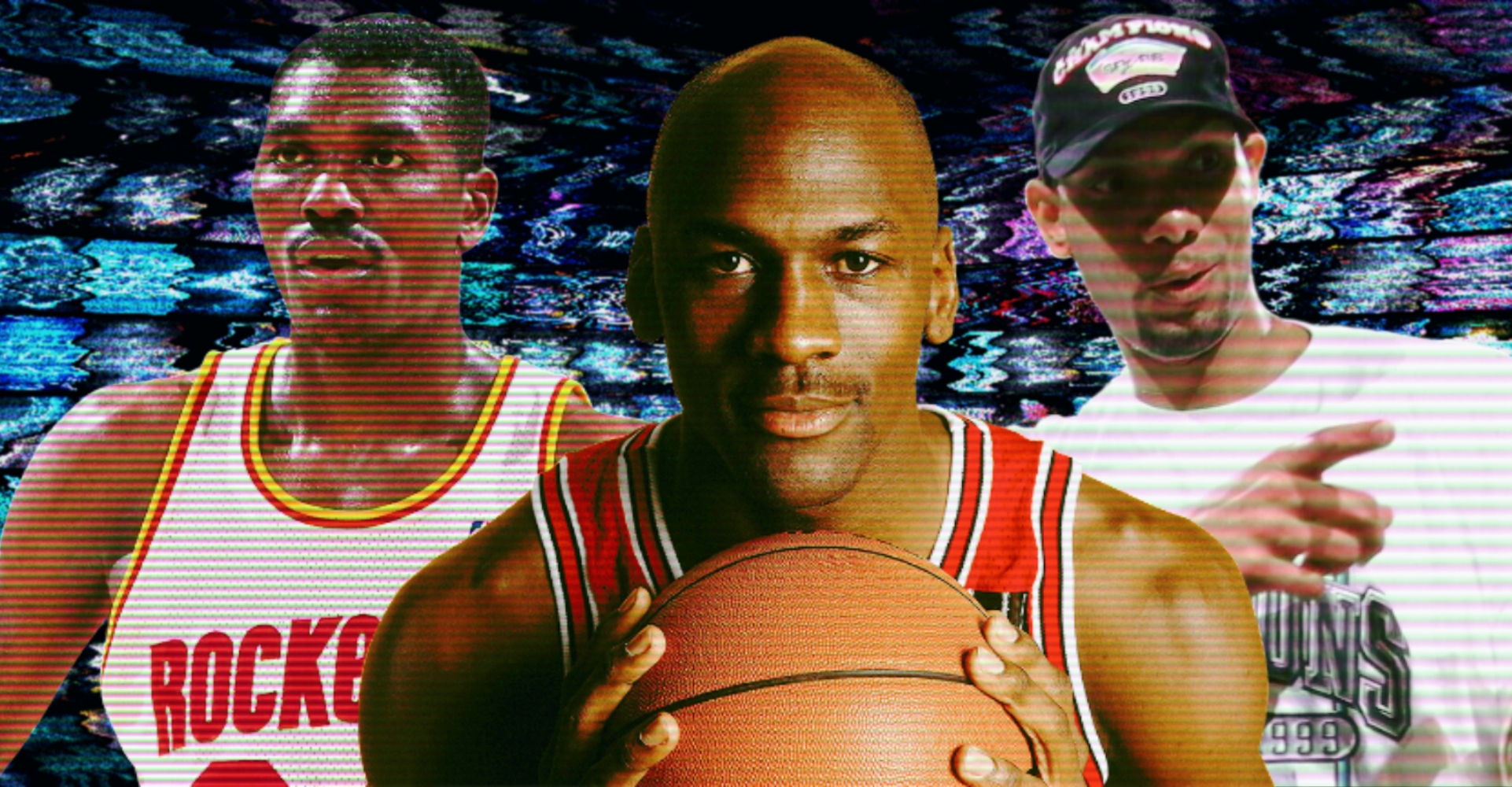
- Hakeem Olajuwon: Possessing an unmatched array of footwork, up-and-under moves, and defensive agility, Olajuwon led the Houston Rockets to back-to-back championships in 1994 and 1995 while collecting MVP and Defensive Player of the Year honors.
- Shaquille O'Neal: Bursting into the league in 1992 with unprecedented power and athleticism, O'Neal shattered backboards and terrified opposing frontlines, eventually leading the Orlando Magic to the 1995 NBA Finals before his move to the Los Angeles Lakers.
- David Robinson: Nicknamed "The Admiral," Robinson combined exceptional speed, scoring touch, and shot-blocking ability, earning the 1995 regular-season MVP award with the San Antonio Spurs.
- Patrick Ewing: The cornerstone of the New York Knicks, Ewing anchored rugged, defensive-minded teams with a lethal mid-range jumper and ferocious rim protection.
These elite big men forced opponents to construct specialized rosters featuring "enforcers" or backup centers whose sole job was to absorb fouls and physically contest the league's premier low-post scorers.
Expansion, Franchises, and Economic Growth
The economic landscape of the NBA shifted dramatically during the 1990s, driven by lucrative television contracts, booming ticket sales, and aggressive league expansion. To capitalize on surging popularity across North America, the NBA added two Canadian franchises ahead of the 1995–96 season: the Toronto Raptors and the Vancouver Grizzlies.
This expansion broadened the league's television footprint and created new fanbases, even as the new franchises faced typical early struggles building competitive rosters through expansion drafts. Concurrently, other franchises relocated or rebranded, reflecting the changing commercial viability of mid-market and major metropolitan arenas.
Salaries escalated rapidly during this period, culminating in the collective bargaining agreements and labor negotiations that eventually led to the 1998–99 lockout. This labor dispute shortened the season to 50 games, signaling the end of an era and introducing new economic frameworks regarding maximum player salaries and luxury taxes that would shape the business of basketball for decades.
Frequently Asked Questions
What made the 1990s NBA distinct from other eras?
The 1990s NBA was defined by a unique combination of intense physical play, dominant low-post centers, and the global cultural explosion spearheaded by Michael Jordan. Unlike the fast-break heavy 1980s or the three-point-centric modern era, 1990s basketball relied heavily on half-court execution, physical defense, and isolation scoring within strict illegal defense rules.
How did the 1992 Dream Team impact the league?
The 1992 US Olympic "Dream Team" showcased American basketball royalty on the international stage, dramatically accelerating the sport's global popularity. This exposure inspired a new generation of international athletes to pursue professional basketball, paving the way for the massive influx of elite foreign-born talent that defines the modern NBA.
Why was the Chicago Bulls' triangle offense so successful?
The triangle offense minimized reliance on predictable isolation plays by creating continuous passing lanes, spacing the floor correctly, and requiring all five players to read the defense. This system allowed Michael Jordan to score efficiently while empowering teammates like Scottie Pippen and Toni Kukoč to make high-IQ plays when defenses collapsed.
What rule differences existed in the 1990s compared to today?
The most significant rule differences involved defensive structures. Throughout the 1990s, the league enforced strict "illegal defense" guidelines that prohibited zone defenses, forcing teams to play straight man-to-man coverage. Additionally, hand-checking along the perimeter was legal, allowing defenders to use physical contact to disrupt ball-handlers.
Which teams won championships during the 1990s?
The decade was dominated by three franchises: the Detroit Pistons (1989, 1990), the Chicago Bulls (1991, 1992, 1993, 1996, 1997, 1998), and the Houston Rockets (1994, 1995). Each championship team featured distinct tactical approaches, ranging from Detroit's bruising defense to Houston's inside-outside balance centered around Hakeem Olajuwon.
Conclusion and Historical Legacy
Reviewing the 1990s NBA reveals a foundational chapter in professional sports history where athletic excellence, tactical evolution, and global marketing converged. From the gritty defensive battles in cramped Eastern Conference arenas to the soaring dotes of Michael Jordan and the low-post dominance of legendary centers, the era established commercial and competitive standards that continue to influence basketball culture worldwide.