1990s commercials represent a golden era of advertising characterized by high-production budgets, iconic catchphrases, and a transition from traditional broadcast television to culturally defining multimedia events. During this decade, television advertising evolved into a sophisticated art form that combined cinematic storytelling, memorable pop-culture soundtracks, and groundbreaking special effects, creating enduring cultural touchstones that continue to influence modern media.
The Advertising Landscape of the 1990s
The television advertising ecosystem of the 1990s operated primarily through traditional linear broadcast and cable networks, where captive audiences watched scheduled programming in real-time. This era preceded the widespread adoption of digital video recorders, streaming platforms, and ad-blockers, meaning commercials were shared cultural experiences. Millions of households tuned into the same programs simultaneously, turning ad breaks during major events like the Super Bowl, season finales, and prime-time sitcoms into national watercooler moments.
Advertisers commanded massive budgets, driven by steady economic growth through much of the decade and a high return on investment from television reach. Agencies experimented with longer narrative formats, utilizing 30-second and 60-second slots to tell complete, emotionally resonant stories. The aesthetic shifted from the neon-soaked, synth-heavy tropes of the 1980s toward a more diverse array of visual styles, ranging from gritty realism and deadpan irony to hyper-polished CGI and minimalist branding.
Iconic Campaigns and Cultural Impact
Certain campaigns from the 1990s transcended marketing to become embedded in popular culture. These advertisements leveraged humor, serial storytelling, and charismatic spokespeople to build fierce brand loyalty.
- Got Milk? (California Milk Processor Board, 1993): Created by Goodby, Silverstein & Partners, this campaign launched with the famous "Aaron Burr" spot directed by Michael Bay. It established a cultural anxiety centered around running out of milk at the worst possible moment, spawning decades of celebrity print and television ads featuring the iconic milk mustache.
- Budweiser Frogs (1995): Featuring three animatronic bullfrogs croaking out the syllables "Bud," "Weis," and "Er," this Super Bowl commercial became an instant phenomenon. The campaign expanded to include lizards like Frank and Ollie, demonstrating the power of recurring characters in driving product recognition.
- Apple "Think Different" (1997): Developed by TBWA\Chiat\Day, this campaign shifted focus away from technical specifications to celebrate historical visionaries such as Albert Einstein, Mahatma Gandhi, and Amelia Earhart. It repositioned Apple not merely as a computer manufacturer, but as a brand for creative disruptors.
- Wendy's "Where's the Beef?" legacy: While originating in the 1980s, Clara Peller's spirit of questioning product value inspired a wave of fast-food marketing in the 1990s focused on quality, portion size, and irreverent humor, epitomized by McDonald's iconic "Nothing But Net" spot featuring Michael Jordan and Larry Bird.
Technological Shifts and Special Effects
The 1990s marked a pivotal technological transition in commercial production, moving from purely practical effects to computer-generated imagery (CGI) and digital compositing. Early in the decade, CGI was expensive and novel, used sparingly for sci-fi aesthetics or transformative product demonstrations. By the late 1990s, software advancements allowed for seamless integration of digital elements into live-action footage.
| Technology/Method | Primary Application | Historical Impact |
|---|---|---|
| Early CGI & Morphing | Product transformations, surreal transitions | Enabled fluid shape-shifting effects, popularised by brands like soft drinks and automotive manufacturers. |
| Practical Animatronics | Animal characters, exaggerated creatures | Created lifelike, expressive non-human mascots that interacted naturally with human actors. |
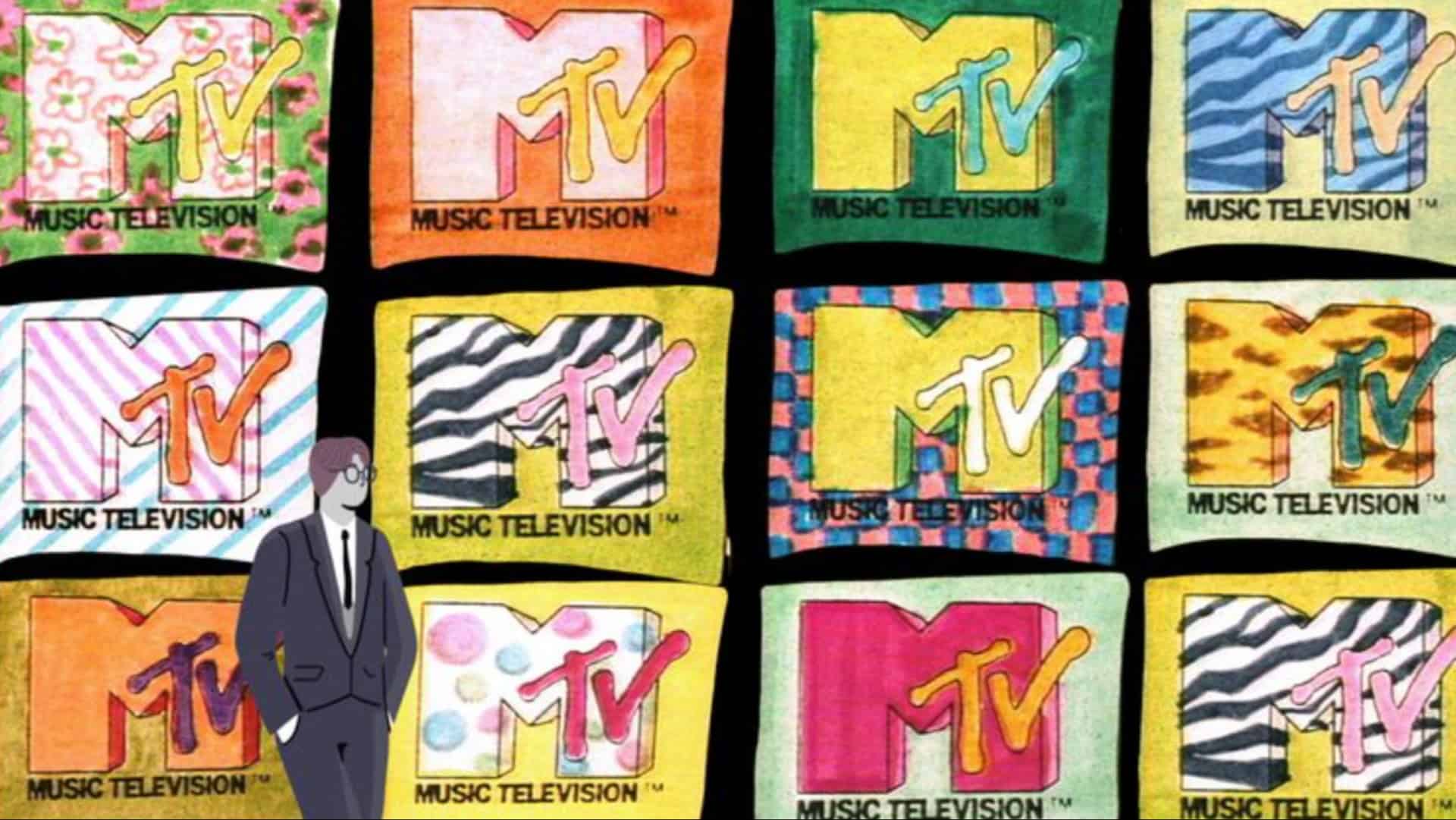
| Digital Non-Linear Editing (NLE) | Post-production speed and precision | Accelerated cutting techniques, making rapid-fire MTV-style cuts standard in youth-targeted commercials. |
| High-End Film Stock (35mm) | Cinematic commercial cinematography | Provided feature-film visual quality, establishing the expectation that commercials should look like mini-movies. |
Music, Soundtracks, and Sonic Branding
Music played a defining role in shaping the identity of 1990s commercials. The decade witnessed a shift from bespoke, upbeat jingles toward licensed popular music and alternative rock tracks that appealed directly to Generation X and Millennials. Advertisers recognized that associating a brand with a trending band or a nostalgic classic instantly conferred cultural credibility.
Concurrently, sonic branding—distinctive audio logos played at the end of a spot—became more pronounced. Whether it was Intel's five-note chime (introduced in 1994) or the subtle acoustic signatures of automotive brands, sound design was engineered to trigger immediate brand recall without requiring visual presence. Voiceover talent also evolved away from booming, authoritative announcer styles toward conversational, ironic, or deeply intimate delivery.
Regulatory Environment and Target Demographics
Advertising in the 1990s operated under strict regulatory scrutiny, particularly regarding marketing to children and advertising age-restricted products. The Children's Television Act of 1990 limited commercial time during children's programming and established distinctions between program content and commercial spots, curbing the prevalence of program-length toy commercials that dominated the 1980s.
At the same time, marketers aggressively targeted niche demographics that emerged during the decade:
- Generation X: Initially characterized as disaffected or cynical, Gen X was targeted with anti-advertising advertising, utilizing irony, self-awareness, and grunge-inspired aesthetics.
- Millennials (Children and Tweens): As the youth market grew in purchasing influence, Saturday morning cartoon breaks and afternoon syndication became battlegrounds for cereal, toy, and video game manufacturers.
- Tech Consumers: The rise of home computing and the internet in the mid-to-late 1990s created a new category of commercials for internet service providers, dial-up software, and personal electronics.
Preservation, Archiving, and Nostalgia
Today, 1990s commercials occupy a unique space in digital media archives. Once ephemeral television broadcasts preserved only on degrading VHS tapes, thousands of vintage spots have been digitized and uploaded to platforms like YouTube and specialized archival sites. This preservation allows researchers, media students, and nostalgic consumers to analyze the socio-economic attitudes, fashion trends, and technological aspirations of the decade. Nostalgia for 1990s advertising has also directly influenced modern marketing strategies, with brands frequently deploying retro-themed campaigns, original character revivals, and lo-fi aesthetics to capture adult consumers who grew up watching broadcast television during that era.
Frequently Asked Questions About 1990s Commercials
Why are 1990s commercials considered culturally significant?
1990s commercials were broadcast during a pre-streaming era when linear television captured massive, simultaneous audiences. They utilized high production values, licensed popular music, and cinematic storytelling, turning standard advertising breaks into shared cultural events that shaped slang, fashion, and consumer habits.
How did technology change commercial production during the 1990s?
The decade bridged practical special effects with the advent of computer-generated imagery (CGI) and digital non-linear editing. These tools allowed for complex visual morphing, precise post-production cutting, and cinematic visual standards that mirrored Hollywood feature films.
What role did licensed music play in 1990s advertising?
Rather than relying solely on custom jingles, advertisers increasingly licensed popular rock, pop, and alternative tracks. This strategy helped brands establish immediate emotional connections with target demographics, particularly Generation X, by aligning corporate products with counter-cultural or mainstream musical credibility.
How were children's commercials regulated during this decade?
The passage of the Children's Television Act of 1990 in the United States placed strict limits on the volume of advertising permitted during children's television programming and restricted the crossover of animated show characters into immediate commercial promotions within the same broadcast block.
Where can I watch vintage 1990s commercials today?
Archival footage of 1990s commercials is widely preserved across digital video-sharing platforms, dedicated retrospective websites, and media history databases. Enthusiasts and researchers upload digitized recordings from VHS tapes, old broadcast airchecks, and specialized television advertising compilations.
Conclusion and Next Actions
Examining 1990s commercials offers valuable insight into the evolution of media consumption, consumer psychology, and production technology. To explore this subject further, researchers and media enthusiasts can examine archival databases such as the Paley Center for Media, explore curated retro advertising collections on digital video platforms, or study academic analyses of late-20th-century mass media communication strategies.