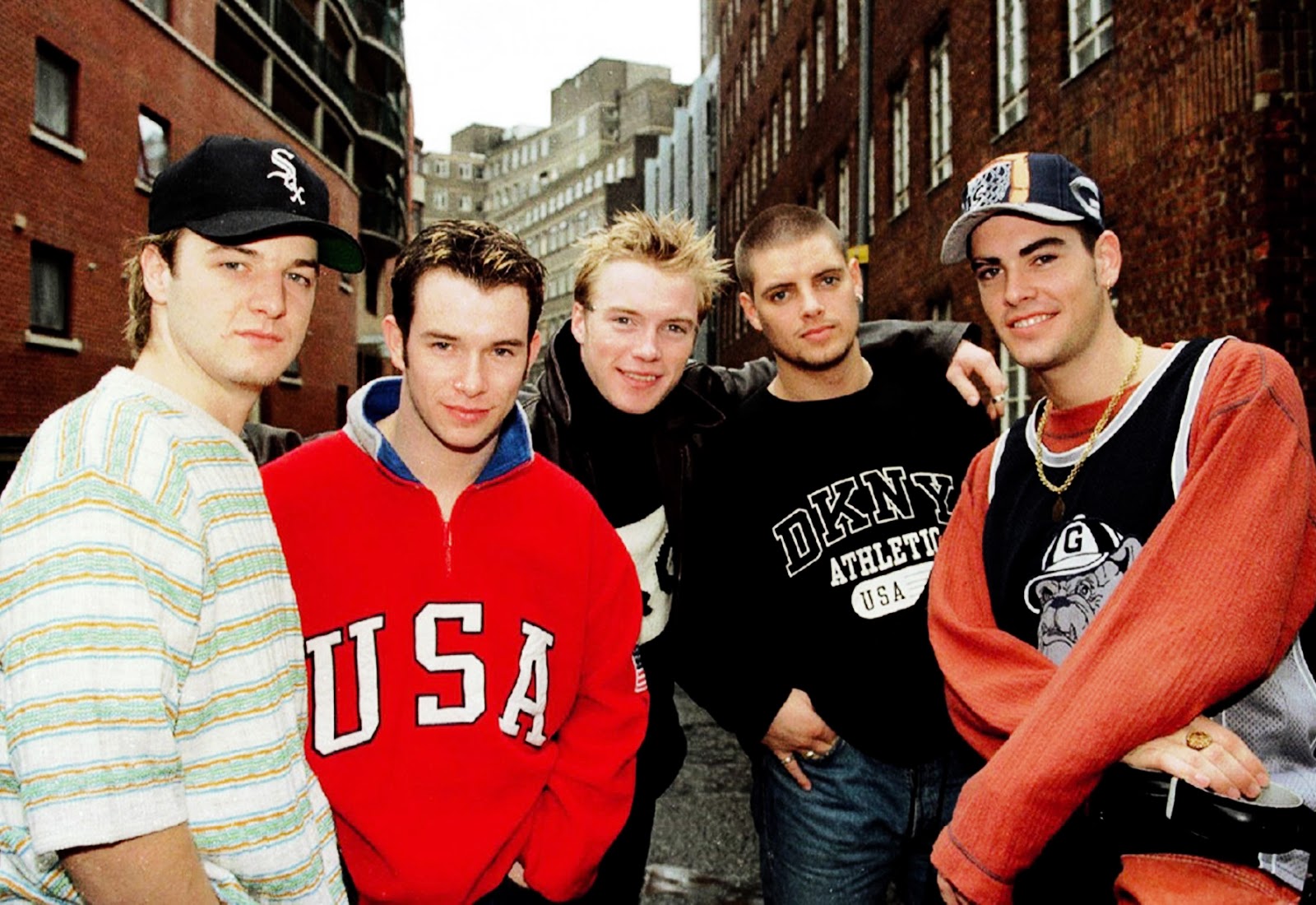
The 1990s pop music era represents a vibrant, transformative decade defined by the rise of global teen pop sensations, the commercial peak of boy bands and girl groups, and the integration of electronic dance production into mainstream radio. This period bridged the gap between analog recording traditions and the dawn of the digital music revolution, leaving a lasting cultural imprint on modern entertainment.
Introduction to the 1990s Pop Landscape
The landscape of 1990s pop music was shaped by structural shifts in the music industry, changing media platforms, and a massive demographic swell of young consumers. As the grunge movement of the early part of the decade began to plateau, major record labels redirected capital toward highly choreographed, radio-friendly pop acts. This shift created a golden age for catchy melodies, high-concept music videos, and cross-platform merchandising.
Understanding this era requires looking past surface-level nostalgia to examine how production techniques evolved, how international markets collided—particularly the transatlantic exchange between the UK and the US—and how marketing machines built enduring global brands. From the launch of MTV's Total Request Live (TRL) to the widespread adoption of compact discs (CDs), the technological and media infrastructure of the 1990s accelerated the consumption of pop music to unprecedented speeds.
Historical Evolution: From Early 90s Transition to Late 90s Teen Pop Explosion
The evolution of 1990s pop can be split into two distinct halves. The first half (1990–1994) served as a transitional bridge from 1980s synth-pop and adult contemporary styles. During these years, artists like Mariah Carey, Madonna, and George Michael dominated charts with sophisticated vocal performances and R&B-infused pop arrangements. Dance-pop acts such as C+C Music Factory and La Bouche brought club-oriented beats into the mainstream, while vocal powerhouses established a template for emotional balladry.
By 1995, the ground began to shift. The global success of the Spice Girls in the UK injected a high-energy, irreverent attitude into the genre, summarized by their mantra of "Girl Power." Their arrival smashed international barriers and proved that a British pop group could conquer the American market on their own terms.
Following this blueprint, the late 1990s (1996–1999) witnessed the full-scale explosion of teen pop. Backstreet Boys, *NSYNC, Britney Spears, Christina Aguilera, and Destiny's Child emerged from talent stables and production houses—most notably in Orlando, Florida, and Stockholm, Sweden—to capture the global youth market. This commercial peak was amplified by visual media, turning pop stars into omnipresent cultural icons.
Key Subgenres and Musical Characteristics
The umbrella of 1990s pop encompasses several distinct subgenres, each defined by specific instrumentation, vocal production, and rhythmic structures.
1990s Pop Music Ecosystem
- Teen Pop (Melodic hooks, youthful themes, high-gloss production)
- Dance-Pop (Four-on-the-floor beats, synthesizers, club-ready hooks)
- Contemporary R&B / Pop Crossover (Melismatic vocals, hip-hop beat integration)
- Britpop / Alternative Pop (Melodic guitar hooks, counter-cultural pop sensibilities)
Teen Pop and Bubblegum Pop
Characterized by infectious melodic hooks, upbeat tempos, and lyrics centered around adolescent romance, heartbreak, and social life, teen pop relied heavily on professional songwriters and producers. Tracks were engineered for maximum radio repeat value, utilizing bright synthesizer patches, handclaps, and crisp electronic percussion.
Dance-Pop and Eurodance
Building on the dance club foundations of the previous decade, 1990s dance-pop incorporated fast tempos, heavy basslines, and soaring, repetitive chorus lines. Eurodance added a distinct synthesizer-driven riff and often paired a male rapper with a soaring female vocalist, a formula perfected by acts like Ace of Base and Aqua.
The R&B and Hip-Hop Crossover
The 1990s marked the definitive blending of pop melody with African-American R&B and hip-hop production styles. Producers like Teddy Riley, Babyface, and later Max Martin and Darkchild integrated swung hip-hop drum loops and rap verses into tracks by pop artists, fundamentally altering the rhythmic feel of mainstream radio.
The Production Powerhouses: Stockholm, Orlando, and Beyond
Behind every major pop star of the 1990s stood a team of visionary producers and songwriters who engineered the era's signature sonic identity.
The most influential production hub was arguably Cheiron Studios in Stockholm, Sweden, led by Denniz Pop and his protégé Max Martin. Martin popularized a precise mathematical approach to songwriting and melody, utilizing phonetically pleasing English lyrics and unexpected chord progressions. His work with Britney Spears ("...Baby One More Time"), Backstreet Boys ("I Want It That Way"), and NSYNC ("Bye Bye Bye") set the gold standard for late-decade pop architecture.
Simultaneously, in Orlando, Florida, music manager Lou Pearlman engineered the boy band phenomenon by recruiting and financing groups like Backstreet Boys and *NSYNC. Utilizing similar vocal harmony arrangements drawn from classic doo-wop and Motown traditions, these groups combined American vocal styles with European dance production.
| Artist / Group | Breakthrough Year | Defining Hit Track | Primary Subgenre |
|---|---|---|---|
| Spice Girls | 1996 | "Wannabe" | Teen Pop / Dance-Pop |
| Backstreet Boys | 1997 | "Quit Playing Games (With My Heart)" | Teen Pop / Boy Band |
| Britney Spears | 1998 | "...Baby One More Time" | Teen Pop |
| Destiny's Child | 1998 | "No, No, No" | R&B / Pop Crossover |
| Aqua | 1997 | "Barbie Girl" | Eurodance / Bubblegum Pop |
The Role of Visual Media: MTV, TRL, and Music Videos
Music in the 1990s could not be separated from visual presentation. The music video became a primary marketing vehicle, with networks like MTV, VH1, and the UK's The Box holding immense power over commercial success.
The launch of MTV’s Total Request Live (TRL) in 1998 transformed pop consumption into an interactive daily event. Hosted by Carson Daly, the afternoon countdown show allowed fans to vote for their favorite videos, creating fervent fan communities that camped outside the Times Square studio. TRL became the launchpad for the late-90s teen pop boom, turning video premieres into cultural milestones and cementing the star status of artists through live interviews and public appearances.
Cultural Impact and Global Reach
The global reach of 1990s pop coincided with a period of post-Cold War optimism and rapid globalization. Western pop acts toured internationally on an unprecedented scale, filling stadiums from Tokyo to Buenos Aires.
This era also established the blueprint for modern celebrity culture, where an artist's personal life, fashion choices, and corporate endorsements were heavily scrutinized by glossy teen magazines (Smash Hits, Seventeen) and early internet fan sites. The fashion trends of the decade—crop tops, baggy cargo pants, platform shoes, and dyed hair—remained deeply intertwined with the music, creating a unified aesthetic that continues to cycle back into contemporary youth culture.
Common Misconceptions About 1990s Pop
Discussions surrounding 1990s music often reduce the decade to either grunge rock or manufactured bubblegum pop, overlooking the technical complexity and diversity of the era.
- Myth: 1990s pop was entirely computerized and lacked real musicianship.
- Reality: While electronic production grew, most major pop hits relied on world-class session musicians, intricate multi-part vocal harmonies, and sophisticated arrangement techniques performed live in professional studios.
- Myth: Boy bands and girl groups were a purely American phenomenon.
- Reality: The modern blueprint for the 90s group boom was heavily influenced by the UK and European markets, where acts like Take That and the Spice Girls preceded and shaped the American commercial wave.
- Myth: Pop music in the 90s was disconnected from social issues.
- Reality: Many pop acts addressed themes of female empowerment, mental health, LGBTQ+ acceptance, and social independence, laying groundwork for future socially conscious mainstream pop.
Frequently Asked Questions
What defined the sound of 1990s pop music?
The sound of 1990s pop was characterized by a blend of bright synthesizer melodies, danceable four-on-the-floor beat structures, soaring vocal melisma, and slick, highly compressed production values. It combined the electronic innovations of dance music with the melodic hooks of traditional songwriting, heavily influenced by R&B rhythmic cadences.
How did the Spice Girls change the pop music landscape?
The Spice Girls revitalized the global pop market in the mid-1990s by introducing an outspoken, highly marketable brand of female solidarity summed up by their "Girl Power" ethos. Their international success paved the way for the late-decade teen pop explosion and proved that female-led groups could achieve massive global commercial dominance.
Who were the most influential songwriters of the 1990s pop boom?
Max Martin is widely considered the most influential songwriter and producer of the late 1990s. Operating out of Cheiron Studios in Sweden, he formulated a precise approach to melodic structure and lyricism that yielded dozens of chart-topping hits for artists like Britney Spears, Backstreet Boys, and NSYNC.
What role did MTV play in 1990s pop culture?
MTV served as the primary visual gatekeeper and promotional engine for 1990s pop. Shows like Total Request Live (TRL) allowed fans to directly participate in chart rankings through daily voting, turning music videos into cultural events and creating intense, interactive fandoms around individual artists.
Why did 1990s pop experience a resurgence in the 2020s?
Cultural nostalgia operates in roughly thirty-year cycles. As the generation that grew up listening to 1990s pop reached adulthood with purchasing power, media platforms, fashion houses, and touring artists began catering to this demographic. Additionally, modern pop artists frequently sample, interpolate, and collaborate with 90s icons, keeping the sound relevant to newer audiences.
Next Actions and Exploration
To deepen your understanding of 1990s pop, explore primary audio archives, documentary series focusing on the era's production studios, and retrospective music journalism. Listening to the evolution of album tracks rather than just greatest hits compilations reveals the ambitious genre-blending that occurred beneath the mainstream surface. Examine liner notes to understand the collaborative networks of songwriters, producers, and session vocalists who shaped the soundtrack of the decade.