The year 1971 stands as one of the most transformative periods in the history of cinema, marking the definitive transition from the Golden Age of Hollywood to the gritty, auteur-driven era known as "New Hollywood." It was a year characterized by a radical shift in storytelling, where traditional narratives were replaced by moral ambiguity, graphic realism, and a direct engagement with the social and political anxieties of the time.
In 1971, the film industry produced an extraordinary volume of work that redefined genres—ranging from the visceral police thriller The French Connection to the psychological provocation of A Clockwork Orange. This era saw the rise of directors who prioritized personal vision over studio mandates, resulting in a collection of films that continue to influence filmmakers and fascinate audiences more than five decades later. As of 2026, many of these masterpieces have undergone extensive 4K restorations, allowing new generations to experience the raw intensity of 1971’s cinematic output with modern clarity.
The Cultural Landscape: Why 1971 Changed Everything
To understand why the films of 1971 were so impactful, one must look at the global climate of the early 1970s. The United States was deeply mired in the Vietnam War, social unrest was prevalent, and the counterculture movement of the 1960s was evolving into something more cynical. The Hays Code, which had governed Hollywood morality for decades, had been replaced by the MPAA rating system just three years prior, giving filmmakers newfound freedom to explore sex, violence, and complex themes.
This freedom manifested in a "New Hollywood" movement. Directors like William Friedkin, Stanley Kubrick, Peter Bogdanovich, and Robert Altman were no longer interested in the polished, escapist fare of the 1950s. Instead, they sought to capture life as it was—often messy, violent, and unresolved. This shift was not limited to the United States; international cinema was also seeing a surge in bold, experimental storytelling from creators like Mike Hodges in the UK and Vittorio De Sica in Italy.
The Pillars of 1971 Cinema
Several key films released in 1971 serve as the foundation for modern genre conventions. These movies did more than just entertain; they broke technical and narrative boundaries.
The French Connection and the New Thriller
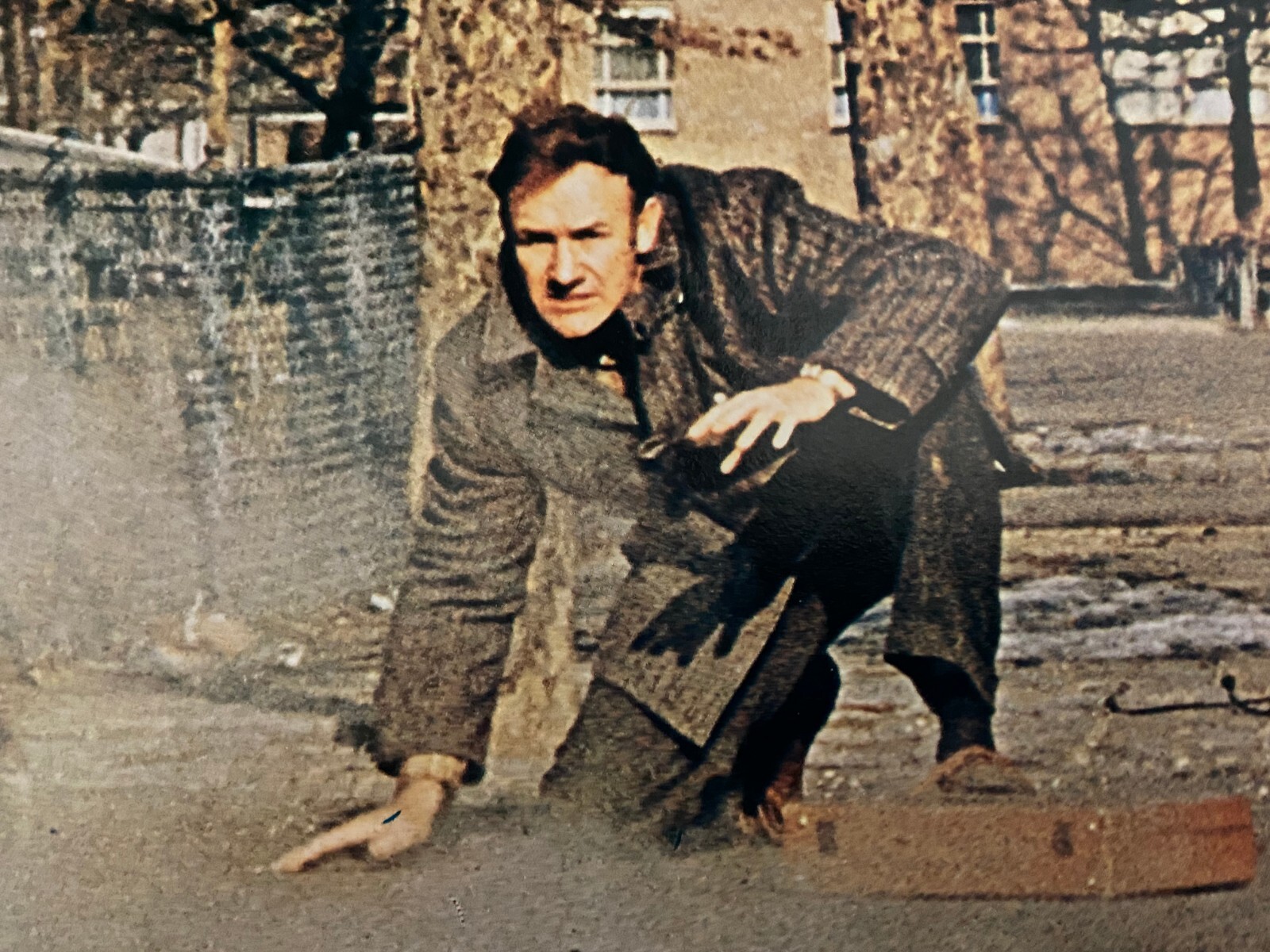
Directed by William Friedkin, The French Connection redefined the police procedural. It stripped away the glamour of detective work, presenting Gene Hackman’s "Popeye" Doyle as a flawed, obsessive, and often unlikable protagonist. The film is perhaps most famous for its legendary car chase under the elevated train in Brooklyn, a sequence filmed with a documentary-style handheld urgency that was revolutionary at the time. Its win for Best Picture at the Academy Awards signaled the industry's acceptance of this new, uncompromising realism.
A Clockwork Orange and Social Provocation
Stanley Kubrick’s adaptation of Anthony Burgess’s novel A Clockwork Orange remains one of the most controversial films ever made. Exploring themes of free will, state control, and the nature of evil, Kubrick used stylized violence and a unique visual aesthetic to disturb and challenge his audience. The film’s "ultraviolence" led to its withdrawal from British cinemas by Kubrick himself, a ban that lasted until after his death. In 2026, the film is analyzed not just for its shock value, but for its prophetic commentary on societal conditioning.
The Last Picture Show: An Elegy for America
While some films focused on urban grit, Peter Bogdanovich’s The Last Picture Show looked at the decay of the American heartland. Shot in stark black and white, the film captured the loneliness and disillusionment of a small Texas town. It launched the careers of Jeff Bridges and Cybill Shepherd and proved that New Hollywood could be just as effective with quiet, character-driven dramas as it was with high-octane thrillers.
Dirty Harry and the Rise of the Anti-Hero
Clint Eastwood’s portrayal of Harry Callahan in Dirty Harry introduced a new kind of hero—the "loose cannon" cop who ignores bureaucracy to achieve justice. The film tapped into a growing public frustration with rising crime rates and perceived legal loopholes. While criticized by some as "fascist" upon its release, it became a massive commercial success and established the blueprint for the action movies of the 1980s.
Genre Evolution and Technical Milestones
The year 1971 was not just about "prestige" films; it was a year where every genre underwent a metamorphosis.
The Reinvention of Horror
Horror in 1971 moved away from Gothic monsters toward more grounded or psychological terrors. The Abominable Dr. Phibes, starring Vincent Price, blended camp with art-house aesthetics, while The Devils, directed by Ken Russell, pushed the boundaries of religious and sexual imagery so far that it remains censored in various forms today. In the UK, Get Carter (starring Michael Caine) brought a cold, ruthless edge to the gangster genre that had previously been unseen.
Musical and Family Films in a Changing World
Even traditional genres like the musical felt the shift. Fiddler on the Roof brought a grand, yet deeply human and grounded approach to the stage classic. Meanwhile, Willy Wonka & the Chocolate Factory offered a dark, whimsical, and slightly subversive take on children's literature, featuring a career-defining performance by Gene Wilder. These films proved that even "family" entertainment could possess depth and a touch of the era's characteristic edge.
Scientific and Dystopian Visions
Science fiction in 1971 reflected anxieties about technology and the future. The Andromeda Strain utilized split-screen techniques and a clinical, realistic approach to a biological crisis. George Lucas made his directorial debut with THX 1138, a stark, minimalist vision of a subterranean future where emotions are suppressed by mandatory drugs. These films traded the space-opera thrills of the past for cerebral, often bleak, explorations of humanity's trajectory.
Comparative Impact of Major 1971 Releases
The following table highlights the diversity and success of key films from 1971, showcasing their critical standing and primary themes.
| Film Title | Director | Primary Genre | Key Theme/Innovation |
|---|---|---|---|
| The French Connection | William Friedkin | Crime/Thriller | Gritty realism; the "unheroic" protagonist. |
| A Clockwork Orange | Stanley Kubrick | Sci-Fi/Drama | Exploration of free will vs. social engineering. |
| The Last Picture Show | Peter Bogdanovich | Drama | The decline of the American Dream; B&W aesthetics. |
| Dirty Harry | Don Siegel | Action/Crime | The moral ambiguity of vigilante justice. |
| Willy Wonka & the Chocolate Factory | Mel Stuart | Musical/Fantasy | Subversive, surrealist children's storytelling. |
| McCabe & Mrs. Miller | Robert Altman | Western | "Anti-western" deconstruction of frontier myths. |
| Straw Dogs | Sam Peckinpah | Psychological Thriller | The inherent violence within the "civilized" man. |
| Klute | Alan J. Pakula | Neo-noir/Thriller | Feminist undertones within a detective narrative. |
International Contributions to 1971 Cinema
While Hollywood was undergoing its revolution, international filmmakers were producing equally significant works. In Japan, Shohei Imamura and Nagisa Oshima were challenging social taboos. In Italy, the "Giallo" genre (stylized murder mysteries) reached a peak with Dario Argento's The Cat o' Nine Tails.
The Soviet Union saw the development of Andrei Tarkovsky’s Solaris (though its wide release occurred in 1972, its production and initial screenings in 1971 were pivotal). In the UK, The Go-Between won the Palme d'Or at Cannes, offering a sophisticated look at the British class system and forbidden love. These international works ensured that the cinematic innovations of 1971 were a global phenomenon, not just an American one.
How to Experience 1971 Films Today (2026 Perspective)
For modern viewers in 2026, accessing the treasures of 1971 has never been easier, yet it requires some discernment to find the best versions.
- 4K Ultra HD Restorations: Most major titles from 1971 have been meticulously restored from original 35mm negatives. When choosing a version, look for labels like "Criterion Collection," "Arrow Video," or "Kino Lorber," as these distributors often include scholarly commentary and historical context.
- Streaming Platforms: Specialized services like MUBI or the Criterion Channel often curate "1971" retrospectives. Unlike mainstream platforms, these services provide the original aspect ratios and uncut versions essential for experiencing the director's intent.
- Film Festivals and Repertory Cinemas: Because 1971 is considered such a landmark year, repertory theaters frequently run "1971 series." Watching A Clockwork Orange or The French Connection on a large screen remains the definitive way to appreciate their cinematography and sound design.
Frequently Asked Questions
Which 1971 film won the Oscar for Best Picture?
The French Connection won the Academy Award for Best Picture at the 44th Oscars held in April 1972. It also earned William Friedkin the Best Director award and Gene Hackman the Best Actor award. Its victory was seen as a major win for the New Hollywood movement.
Was 1971 the most violent year in film history?
While "most violent" is subjective, 1971 was a year where onscreen violence became significantly more graphic and purposeful. Films like Straw Dogs, A Clockwork Orange, and The Devils used violence not just for spectacle, but to provoke psychological and moral reactions from the audience, leading to significant censorship battles.
Why is 1971 often called the "best year" for movies?
Film historians often cite 1971 because of the sheer density of "masterpieces" released in a single twelve-month period. It was a rare moment where commercial success and artistic experimentation aligned perfectly. The year represented a "perfect storm" of technological advancement, social change, and a new generation of talented directors gaining creative control.
What was the highest-grossing film of 1971?
Fiddler on the Roof was the highest-grossing film released in 1971, followed closely by The French Connection and Diamonds Are Forever. This demonstrates that while the industry was changing, traditional blockbusters and franchise films (like James Bond) still held significant market power.
Are there any "lost" films from 1971?
Unlike the silent era, most major 1971 films are well-preserved. However, certain director's cuts or original versions of censored films—most notably Ken Russell's The Devils—remain difficult to find in their entirely intended, unedited form due to rights issues and historical studio suppression.
Moving Forward: The Enduring Influence of 1971
The films of 1971 did more than just mirror their time; they provided a roadmap for the future of the medium. The "gritty" aesthetic of 1971 evolved into the blockbusters of the late 70s and 80s, while its emphasis on character psychology paved the way for the independent film movement of the 1990s.
For anyone looking to understand the power of cinema, a deep dive into 1971 is essential. Start with The French Connection for its technical mastery, then move to The Last Picture Show for its emotional depth, and finally A Clockwork Orange for its intellectual challenge. These films are not just historical artifacts; they are living works of art that continue to speak to the complexities of the human condition in 2026.