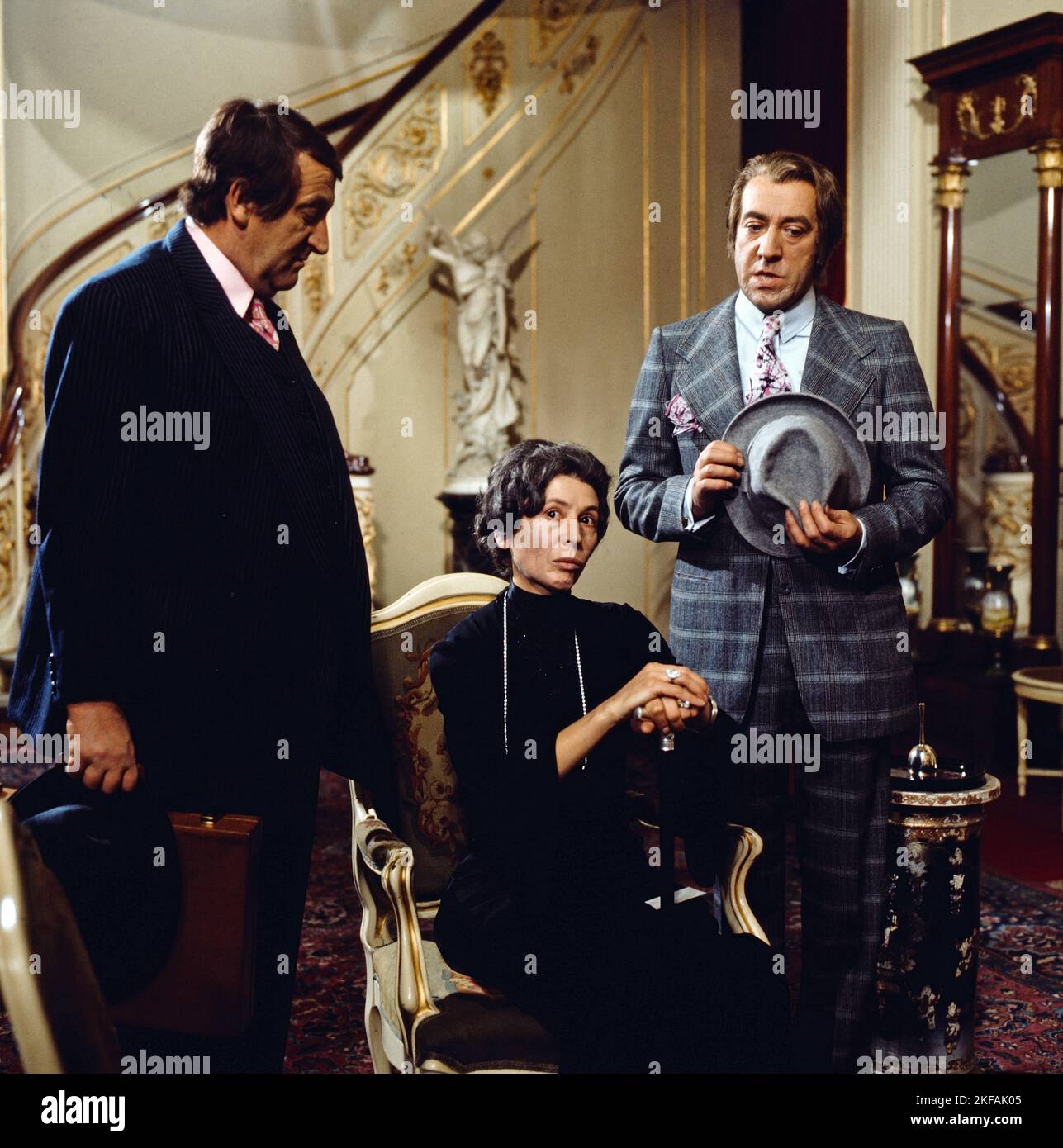
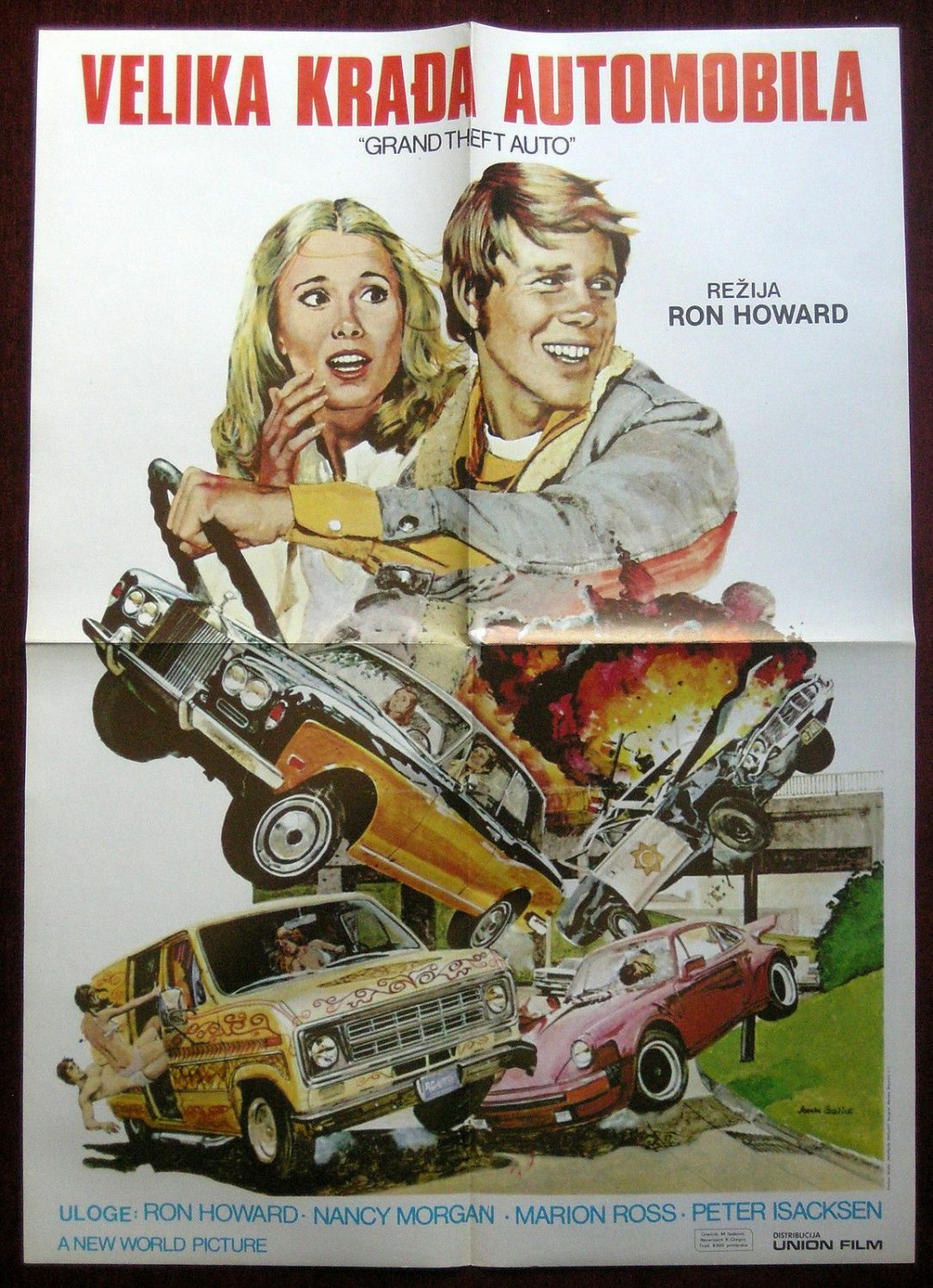
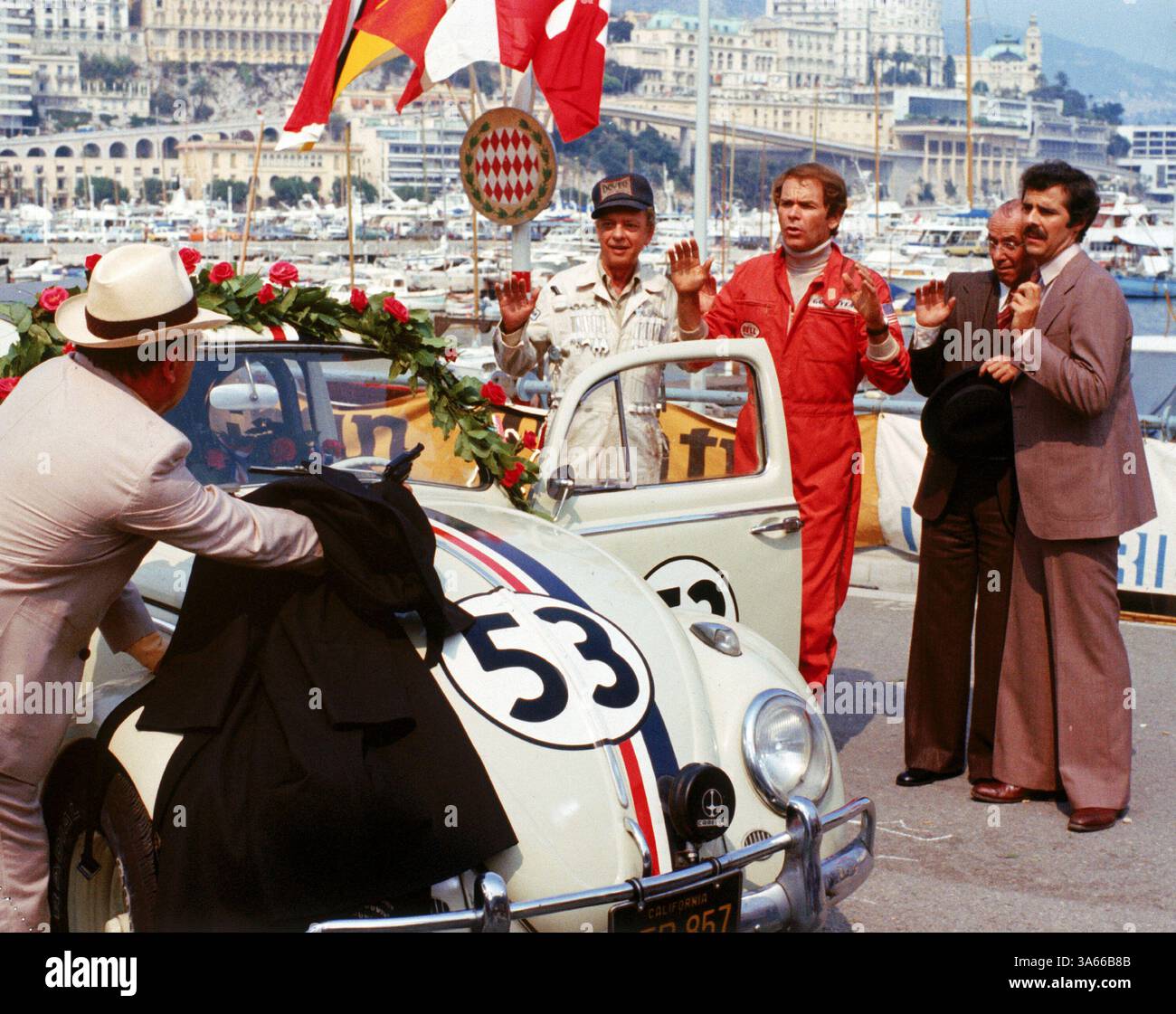
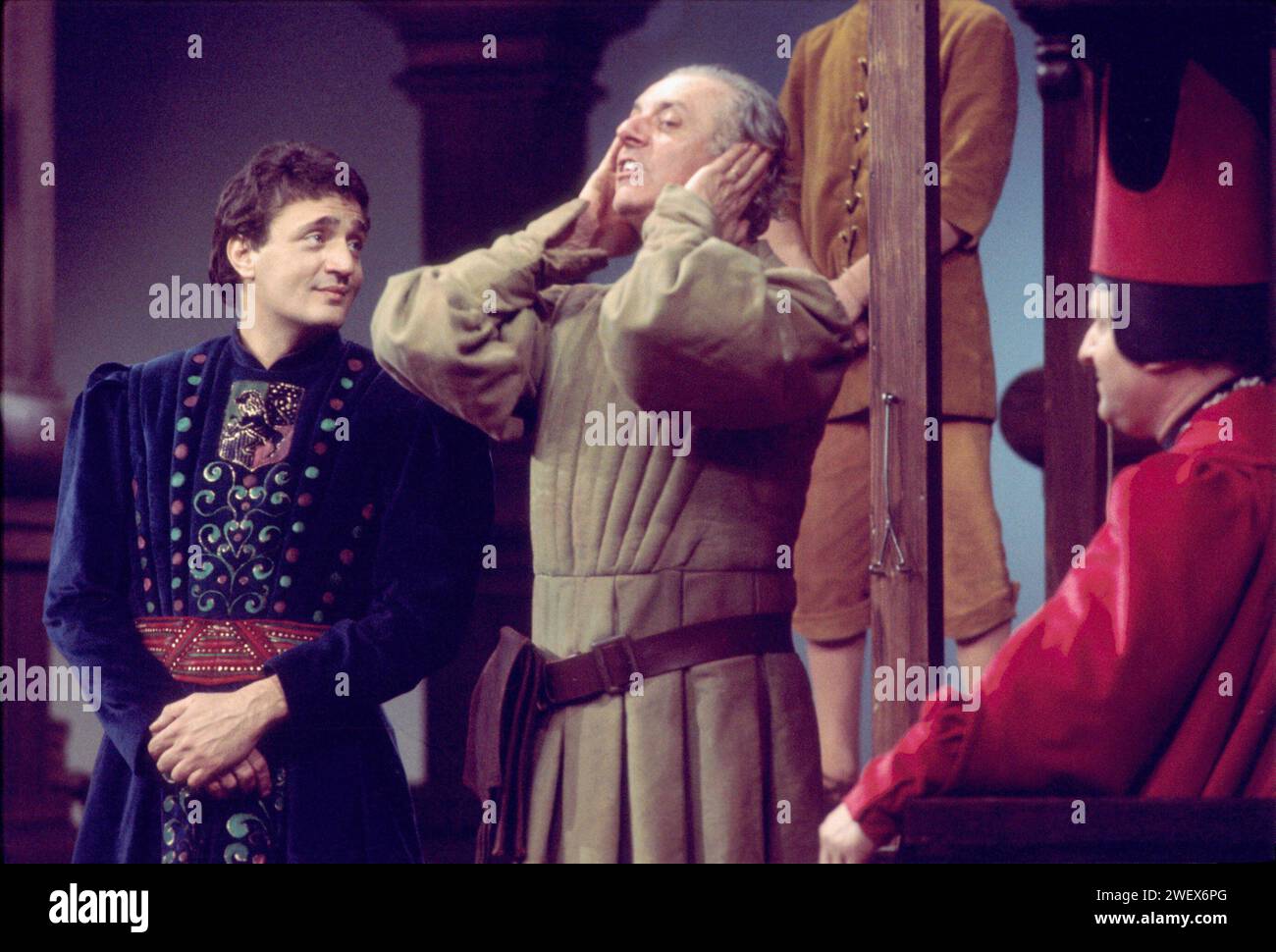
The year 1977 stands as a transformative turning point for screen comedy, bridging countercultural satire with modern romantic and mainstream cinematic forms. Anchored by Oscar-sweeping masterworks like Annie Hall, blockbuster populist hits like Smokey and the Bandit, and irreverent cult parodies like The Kentucky Fried Movie, 1977 redefined how comedic films were written, marketed, and remembered.
Cinema audiences in 1977 witnessed profound shifts across the broader cinematic landscape. While science fiction took the world by storm with the release of Star Wars, the comedy genre underwent an equally seismic evolution. Studio executives discovered that comedic features could generate massive box-office revenue alongside genre blockbusters, while critics recognized comedy as a primary vehicle for profound social commentary, neurotic character studies, and boundary-pushing parody.
The Landscape of Comedy in 1977
Prior to 1977, Hollywood comedy throughout the early 1970s was largely characterized by bawdy slapstick, rebellious counterculture defiance, or cynical black comedy. By 1977, American society was processing the aftermath of the Vietnam War and the Watergate scandal, while grappling with stagflation, shifting gender roles, and changing social mores.
Comedy responded by diversifying along several distinct paths:
- Neurotic, Character-Driven Romantic Comedy: Movies moved past traditional screwball tropes to examine adult relationships, emotional anxieties, and psychoanalysis.
- The Populist Outlaw Action-Comedy: Combining car chases, regional humor, and blue-collar rebellion against authority figures.
- Meta-Parody and Satire: Filmmakers dismantled Hollywood genres through explicit pastiche, homage, and sketch-based absurdity.
- Sports and Subculture Irreverence: Raunchy, foul-mouthed depictions of working-class institutions and professional athletics.
This multi-track development ensured that audiences of virtually every demographic found a comedic style tailored to their sensibilities, establishing storytelling conventions that dominated the industry for the subsequent four decades.
Defining 1977 Comedy Films
1. Annie Hall
Directed by Woody Allen and co-written with Marshall Brickman, Annie Hall radically overhauled the American romantic comedy. Starring Allen as the neurotic New York comedian Alvy Singer and Diane Keaton as the idiosyncratic titular character, the film broke the fourth wall, deployed animated segments, used split-screen dialogues, and showed subtitled interior monologues.
Rather than relying on a traditional happy ending where the lovers reconcile, Annie Hall offered an honest, bittersweet autopsy of an adult relationship. It won four Academy Awards at the 50th Oscars ceremony: Best Picture, Best Director, Best Original Screenplay, and Best Actress for Diane Keaton, famously besting Star Wars for the night's top honors. Keaton’s layered menswear wardrobe created an international fashion movement, demonstrating the wide-ranging cultural imprint of comedic cinema.
2. Smokey and the Bandit
Directed by former stunt coordinator Hal Needham in his directorial debut, Smokey and the Bandit proved that an action-comedy could dominate the global box office. Starring Burt Reynolds, Sally Field, Jerry Reed, and Jackie Gleason, the plot centered on two drivers hired to bootleg 400 cases of Coors beer from Texarkana to Atlanta in 28 hours.
The film grossed over $126 million domestically, finishing second only to Star Wars at the 1977 box office. Reynolds consolidated his status as Hollywood’s premier commercial star, while Gleason’s performance as Texas Sheriff Buford T. Justice immortalized vulgar, frustrated authority figures. The film established the template for the high-octane car-chase comedies that permeated the late 1970s and 1980s.
3. The Goodbye Girl
Written by Neil Simon and directed by Herbert Ross, The Goodbye Girl bridged theatrical wit with cinematic intimacy. Starring Marsha Mason as a dumped former dancer and Richard Dreyfuss as an ambitious, eccentric off-Broadway actor forced to sublet the same Manhattan apartment, the movie balanced rapid-fire banter with genuine vulnerability.
The film earned five Academy Award nominations, with Richard Dreyfuss winning the Academy Award for Best Actor. At age 30, Dreyfuss became the youngest performer up to that point to win the Best Actor Oscar. The Goodbye Girl validated Neil Simon's status as the era’s most commercially reliable dramatic comedy writer.
4. High Anxiety
Mel Brooks followed up the dual smash hits of Blazing Saddles and Young Frankenstein (both 1974) with High Anxiety, a direct parody of Alfred Hitchcock’s suspense thrillers. Brooks produced, directed, scored, and starred as Dr. Richard Thorndyke, a psychiatrist suffering from acrophobia who takes over the Psycho-Neurotic Institute for the Very, VERY Nervous.
Featuring regular Brooks collaborators Madeline Kahn, Harvey Korman, and Cloris Leachman, the film meticulously satirized Hitchcock staples, specifically Vertigo, Psycho, The Birds, and Spellbound. Hitchcock himself reportedly admired the film’s affectionate deconstruction of his directorial techniques, even sending Brooks a case of vintage wine after viewing it.
5. Slap Shot
Directed by George Roy Hill and scripted by Nancy Dowd, Slap Shot remains one of cinema's definitive sports comedies. Paul Newman gave an against-type performance as Reggie Dunlop, the aging player-coach of the minor-league Charlestown Chiefs. Facing team bankruptcy and factory closures in a struggling Pennsylvania rust-belt town, the Chiefs resort to extreme on-ice violence and pugilism to draw crowds, heavily aided by the unruly Hanson Brothers.
Though initially met with polarization from contemporary film reviewers due to its relentless profanity and realistic locker-room crude dialogue, Slap Shot has since gained universal acclaim for its authentic sociological portrait of working-class survival and commercialized athletics.
6. The Kentucky Fried Movie
Directed by John Landis and written by the sketch-comedy trio Jim Abrahams, David Zucker, and Jerry Zucker (collectively known as ZAZ), The Kentucky Fried Movie introduced an anarchic, joke-a-minute parody structure. Produced on a modest budget, the film consisted of a rapid series of fake commercials, news broadcasts, educational shorts, and the extended Bruce Lee parody short A Fistful of Yen.
The success of The Kentucky Fried Movie established the ZAZ style of deadpan, sight-gag-dense parody, which they refined three years later with Airplane! (1980). It launched the careers of Landis and the ZAZ team, proving that sketch comedy could find massive theatrical profitability without narrative continuity.
7. Oh, God!
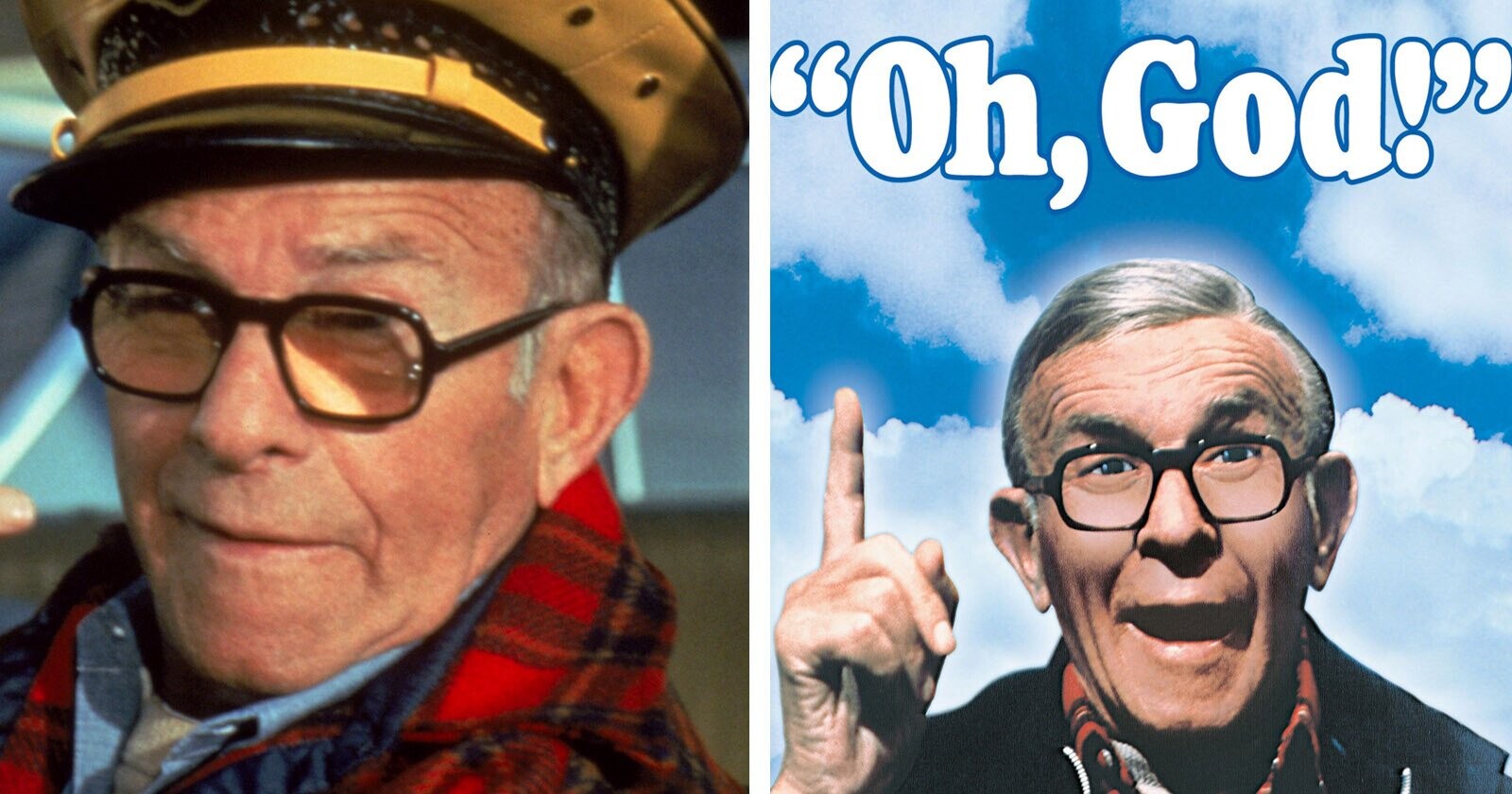
Directed by Carl Reiner and adapted by Larry Gelbart from Avery Corman’s novel, Oh, God! starred 81-year-old veteran comedian George Burns as the Almighty, appearing in a windbreaker and fishing cap to an unassuming grocery store assistant manager, played by pop star John Denver.
The film grossed over $51 million on a tight budget, rejuvenating Burns’s screen career into his octogenarian years and earning an Academy Award nomination for Best Adapted Screenplay. It demonstrated a commercial hunger for warm, philosophical, high-concept family comedies that did not rely on cynicism or bawdiness.
1977 Comedy Film Comparison
The following table compares the prominent comedies released in 1977 across directors, subgenres, key themes, and critical legacy:
| Film Title | Director | Primary Subgenre | Core Themes & Motifs | Industry Impact & Accolades |
|---|---|---|---|---|
| Annie Hall | Woody Allen | Neurotic Romantic Comedy | Existential dread, modern relationships, psychoanalysis, urban identity | Won 4 Academy Awards (Best Picture, Director, Screenplay, Actress); redefined modern rom-coms. |
| Smokey and the Bandit | Hal Needham | Outlaw Action-Comedy | Southern counter-culture, vehicular stunt work, anti-authoritarianism | Second highest-grossing film of 1977; launched the automotive chase comedy boom. |
| The Goodbye Girl | Herbert Ross | Theatrical Screwball Comedy | Roommate friction, single motherhood, theater ambitions, artistic integrity | Oscar for Best Actor (Richard Dreyfuss); benchmark for dialogue-driven romantic dramedy. |
| Slap Shot | George Roy Hill | Sports Comedy / Satire | Rust-belt economic decay, minor-league violence, hyper-masculinity | Cemented vulgar realism in sports cinema; enduring cult classic status. |
| High Anxiety | Mel Brooks | Genre Parody / Mystery | Hitchcock homages, psychiatric institutional satire, phobias | Advanced cinematic parody techniques; Golden Globe nominations for Brooks and film. |
| The Kentucky Fried Movie | John Landis | Sketch Comedy / Pastiche | Media saturation, television tropes, exploitation cinema parody | Launched John Landis and the ZAZ filmmaking collective (Airplane!, Naked Gun). |
| Oh, God! | Carl Reiner | Theological Satire / Wholesome Comedy | Faith vs. organized religion, modern morality, celebrity culture | Re-established George Burns as an A-list comedic film presence; spawned two sequels. |
| Fun with Dick and Jane | Ted Kotcheff | Economic Crime Comedy | Corporate downsizing, suburbia, consumer debt, white-collar crime | Timely commentary on mid-70s stagflation; later remade in 2005. |
Technical and Thematic Shifts in 1977 Comedies
The comedic output of 1977 was characterized by formal filmmaking techniques that permanently altered screen composition, writing structures, and sound design.
Structural Deconstruction and Meta-Humor
Prior to 1977, Hollywood comedy typically maintained strict adherence to classical three-act continuity. In 1977, films like Annie Hall and The Kentucky Fried Movie aggressively dismantled the fourth wall.
Allen utilized nonlinear storytelling, fantasy cuts, and subtitles explaining subconscious thoughts, drawing from European art-house techniques (notably Federico Fellini and Ingmar Bergman) and applying them to comedic neuroses. Meanwhile, Landis and the Zucker brothers eliminated overarching plots entirely, treating cinema as an open channel of channel-surfing media parodies, anticipating the visual sensibilities of MTV and modern internet sketch culture.
Practical Action and Automotive Stunts
Before computer-generated imagery, comedic spectacle relied on authentic mechanical destruction and precision stunt driving. Led by Hal Needham—a veteran stunt coordinator who worked frequently with Burt Reynolds—Smokey and the Bandit turned vehicle chases into choreographed physical slapstick.
The production utilized modified 1977 Pontiac Trans Ams fitted with beefed-up suspensions to survive 70-foot bridge leaps and dirt-road drift sequences. This practical, visceral style transformed kinetic energy and structural carnage into a viable comedic tool, setting the stage for films like The Blues Brothers (1980) and The Cannonball Run (1981).
The Dialogue of Modern Neurosis and Cynicism
Writers such as Nancy Dowd (Slap Shot) and Neil Simon (The Goodbye Girl) expanded the sonic texture of comedic scripts. Dowd spent weeks researching the Johnstown Jets minor league hockey team, capturing verbatim the profanity, sexual vulgarity, and locker-room dynamics that gave Slap Shot its documentary-level authenticity.
Simon, conversely, perfected the polished, rhythmic counterpoint of New York stage dialogue for the screen. Rather than relying on simple punchlines, laughs were generated through hyper-verbal self-defense mechanisms, neurotic defensive behavior, and character vulnerability.
The Television Comedy Revolution of 1977
The seismic developments in 1977 comedy extended beyond the multiplex onto network television, where changing broadcast standards allowed domestic situation comedies to embrace previously forbidden subject matter.
Three’s Company (ABC)
Premiering in March 1977 as a mid-season replacement based on the British sitcom Man About the House, Three's Company made farce, physical comedy, and sexual double entendres prime-time staples. John Ritter’s physical mastery as Jack Tripper—who had to pretend to be gay to share an apartment with two single women under the watchful eye of landlord Stanley Roper—dominated network ratings for years, proving that traditional French-bedroom farce could thrive on modern television.
Soap (ABC)
Debuting in September 1977, Susan Harris's serial parody Soap mocked daytime soap operas while addressing contentious social topics. Confronting issues including homosexuality, trans identity, infidelity, organized crime, and religious hypocrisy, the show drew pre-broadcast sponsor boycotts and protests. Despite the controversy, Soap achieved high critical acclaim and introduced audiences to Billy Crystal as Jodie Dallas, one of television’s first openly gay recurring characters depicted sympathetically.
Critical and Commercial Impact
Commercially, 1977 established that comedy could rival traditional action epics at the box office. While Star Wars dominated overall receipts, Smokey and the Bandit generated massive returns relative to its modest initial production budget, proving that non-metropolitan audiences could drive massive theatrical box office returns.
Critically, 1977 remains a rare historic instance where a pure comedy won the Academy Award for Best Picture. Annie Hall’s sweep across the primary Oscar categories (Picture, Director, Screenplay, Actress) broke the Academy’s historical bias toward dramatic epics and historical biographies, paving the way for contemporary dramedies and character studies to receive serious artistic recognition.
The year also served as an incubator for comedic dynasties:
- The Zucker, Abrahams, and Zucker (ZAZ) collective established their collaborative formula, which dominated 1980s parody cinema.
- John Landis leveraged his work on The Kentucky Fried Movie to direct National Lampoon’s Animal House the following year, which sparked the raunchy college comedy subgenre.
- Richard Pryor, who starred in Which Way Is Up? in 1977, consolidated his position as a preeminent stand-up performer capable of carrying major studio releases.
How to Access and Curate 1977 Comedies Today
For film scholars, cinephiles, and casual viewers exploring the major works of 1977, physical media and streaming ecosystems provide accessible entry points.
Physical Media Restorations
For optimal picture and sound fidelity, many top comedies from 1977 have undergone extensive archival restorations:
- The Criterion Collection: Houses essential physical releases, including archival editions of The Goodbye Girl, featuring original aspect-ratio scans, audio commentaries, and scholarly retrospective essays.
- 4K Ultra HD Releases: Titles like Smokey and the Bandit have received full 4K UHD transfers with high dynamic range (HDR), which dramatically clean up 35mm grain and restore the vivid color profiles of the original location photography.
- Shout! Factory / Kino Lorber: Independent boutique labels frequently issue high-definition collector’s editions of cult 1977 titles like Slap Shot, High Anxiety, and The Kentucky Fried Movie, bundled with contemporary director commentaries and deleted materials.
Digital Streaming Verification
Because streaming rights cycle frequently between platform owners, access to 1977 comedies changes depending on licensing windows:
- Subscription Portals: Criterion Channel, Max, and Prime Video routinely rotate major studio-owned properties from Warner Bros., Universal, and MGM catalogs.
- Digital Purchases / Rentals: Major services (Apple TV, Amazon, Vudu/Fandango at Home) offer persistent digital purchase options for standard rental fees.
- Library Platforms: Educational and public library digital repositories, such as Kanopy and Hoopla, regularly offer zero-cost access to historical comedies with valid library credentials.
Frequently Asked Questions
What film won the Best Picture Oscar for 1977?
Annie Hall, directed by Woody Allen, won the Academy Award for Best Picture at the 50th Academy Awards ceremony held in 1978. It beat out Star Wars, The Goodbye Girl, Julia, and The Turning Point. It is one of the very few romantic comedies in Academy history to win the top prize.
What was the highest-grossing comedy film released in 1977?
Smokey and the Bandit was the highest-grossing comedy of 1977, earning more than $126 million in domestic theatrical grosses. It trailed only Star Wars at the overall North American box office for the year, establishing Burt Reynolds as the era’s most bankable film star.
Which comedy legends rose to prominence in 1977?
The year 1977 helped launch or revitalize multiple careers. John Landis made his mark with The Kentucky Fried Movie, as did Jim Abrahams and David and Jerry Zucker. George Burns cemented his career renaissance in Oh, God!, Richard Dreyfuss achieved historic leading-man recognition with The Goodbye Girl, and John Ritter became a household name through the television debut of Three's Company.
Why is 1977 considered an important year for parody films?
The year 1977 established two distinct avenues for film satire. Mel Brooks demonstrated the power of traditional genre pastiche with High Anxiety, mimicking Alfred Hitchcock’s visual grammar. Simultaneously, The Kentucky Fried Movie pioneered high-density, gag-per-minute sketch parody, creating the template later used in hits like Airplane!, The Naked Gun, and Scary Movie.
Are comedies from 1977 suitable for modern family viewing?
Suitability varies significantly by title. Films like Oh, God! and The Goodbye Girl are generally accessible to broader family audiences, containing mild profanity and thematic material (rated PG). Conversely, movies like Slap Shot and The Kentucky Fried Movie were rated R due to extensive locker-room profanity, sexual humor, and partial nudity, making them intended strictly for mature viewers.
Recommended Next Steps
To build a thorough appreciation of 1977's comedy legacy, take these practical steps:
- Curate a Contrast Double Feature: Pair Annie Hall with Smokey and the Bandit back-to-back. This highlights the exact cultural spectrum of 1977 cinematic comedy, contrasting East Coast psychoanalytic wit with Southern, vehicle-driven outlaw action.
- Examine the Roots of Modern Parody: Watch The Kentucky Fried Movie before viewing 1980's Airplane! to see firsthand how the Zucker-Abrahams-Zucker sketch format originated before being applied to disaster cinema.
- Explore Archival Restorations: Verify titles via your local library's Kanopy network or look for boutique physical releases from Criterion and Kino Lorber to experience these films with original theatrical color balance and uncompressed mono or stereo audio mixes.