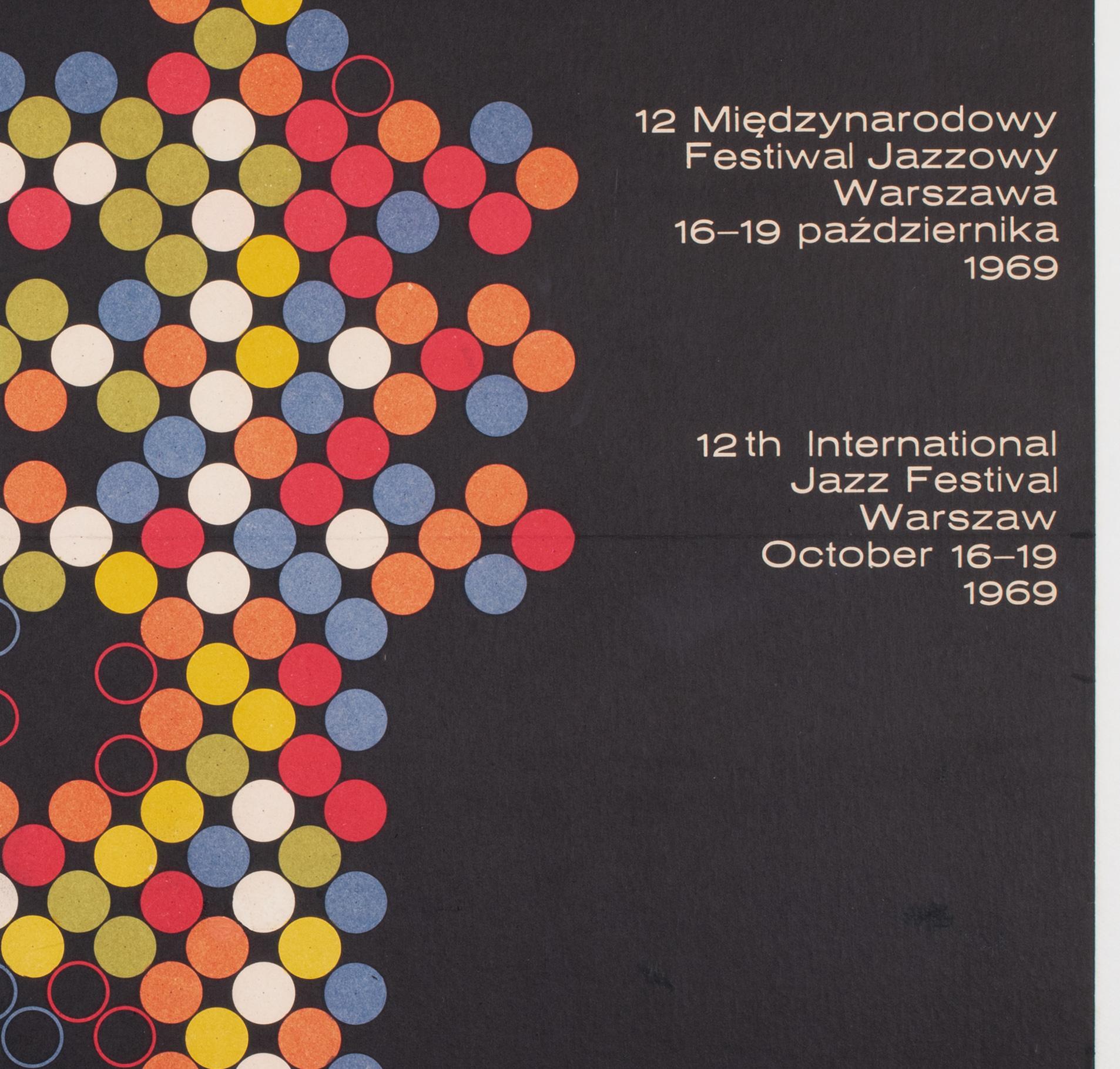
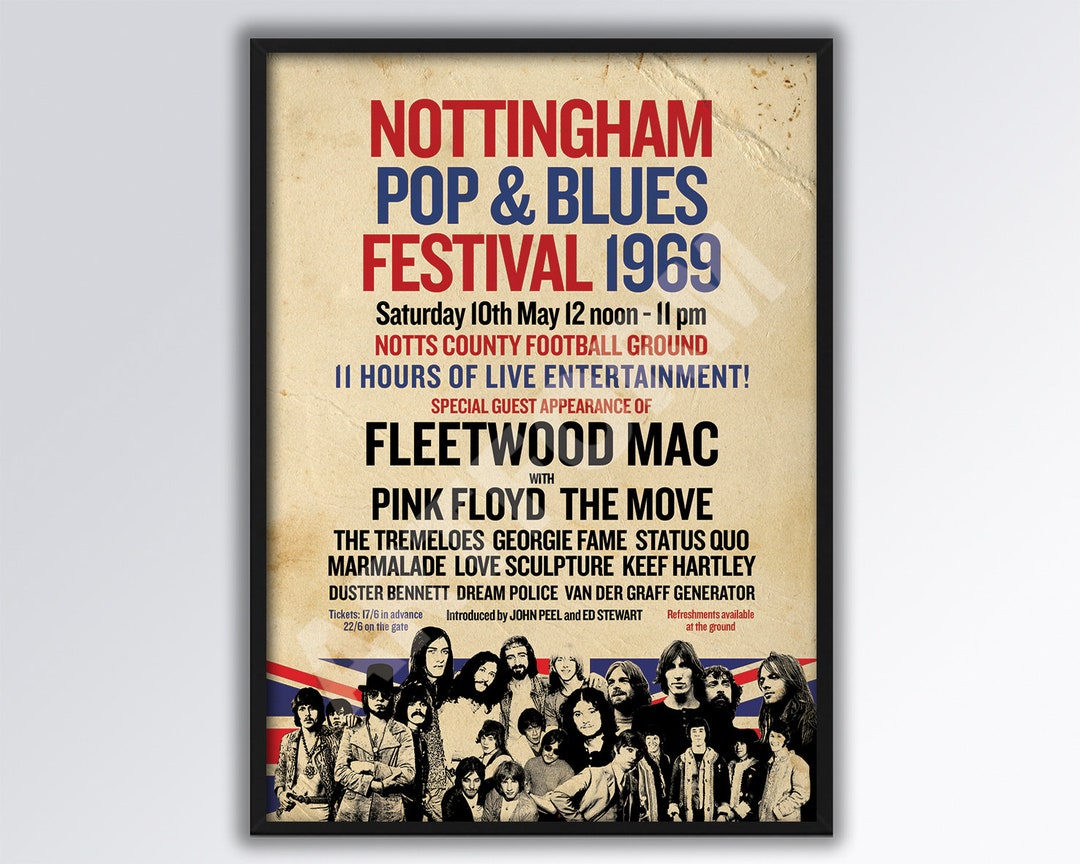
In 1969, the music festival transitioned from a niche gathering of jazz and folk aficionados into a global cultural phenomenon that defined a generation. While Woodstock remains the most recognizable name, the year 1969 hosted a series of pivotal events—from the Harlem Cultural Festival to the tragic Altamont Free Concert—that reshaped the logistics of live performance, the business of music, and the socio-political landscape of the 20th century.
The Cultural Explosion of 1969
The year 1969 stands as the zenith of the 1960s counterculture movement. As of 2026, historians and musicologists continue to analyze this specific twelve-month period as the moment when "festival culture" was born. This was not merely about music; it was a response to the Vietnam War, the Civil Rights Movement, and a burgeoning desire for communal living and artistic expression.
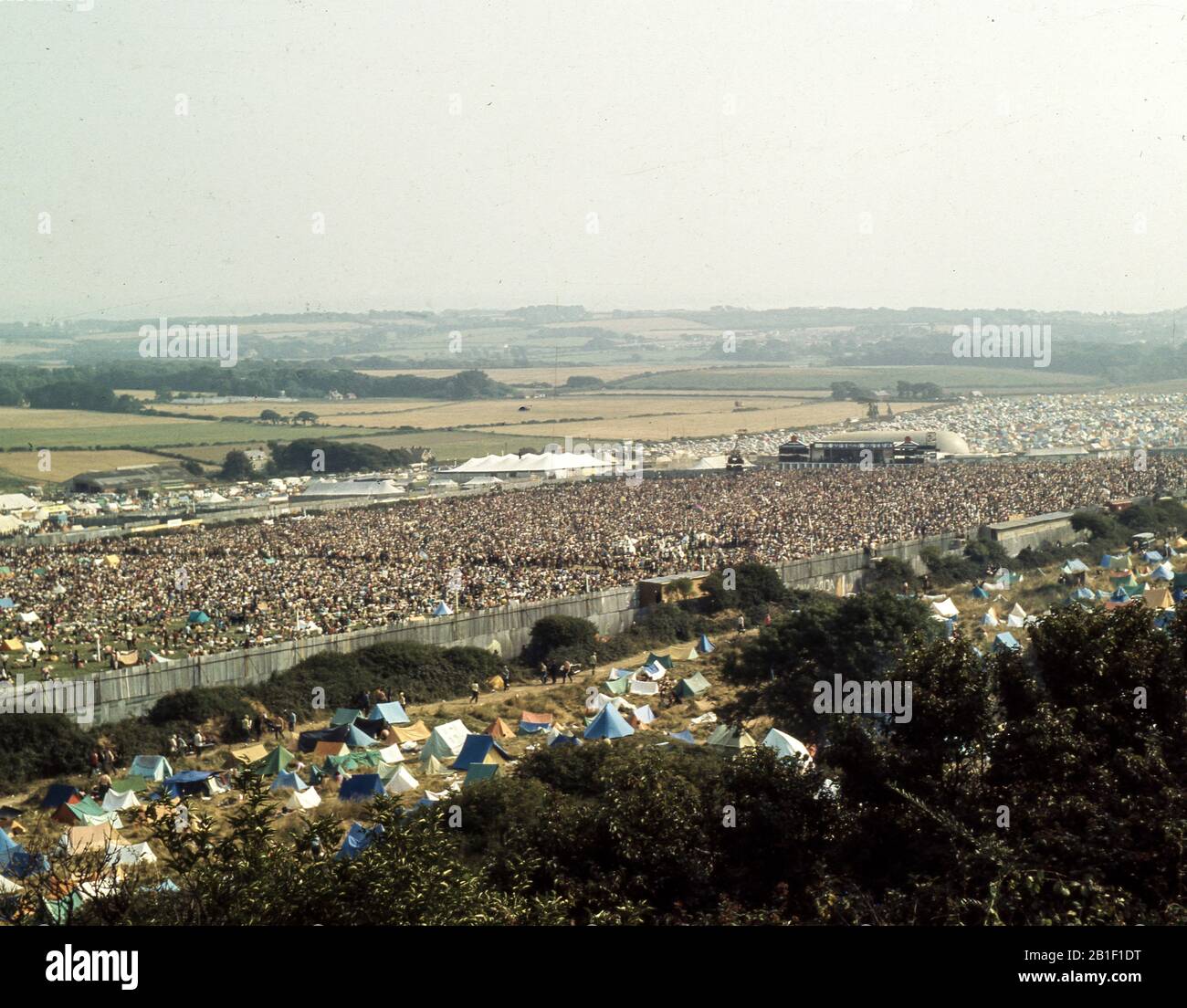
To understand the 1969 music festival circuit, one must look beyond the mud of Bethel, New York. The year saw massive gatherings in Atlanta, Atlantic City, Texas, and even the United Kingdom’s Isle of Wight. These events shared a common DNA: high-decibel rock and roll, primitive but evolving sound reinforcement, and a struggle between the organizers' desire for profit and the audience's demand for a "free" experience.
Woodstock Music & Art Fair: The Cultural Benchmark
Woodstock is the definitive 1969 music festival, held from August 15 to 18 on Max Yasgur’s 600-acre dairy farm in Bethel, New York. Originally conceived as a profit-making venture by organizers Michael Lang, Artie Kornfeld, Joel Rosenman, and John P. Roberts, the event famously became a "free concert" after an estimated 400,000 people descended upon the site, overwhelming the ticket booths and fences.
Logistical Challenges and Triumphs
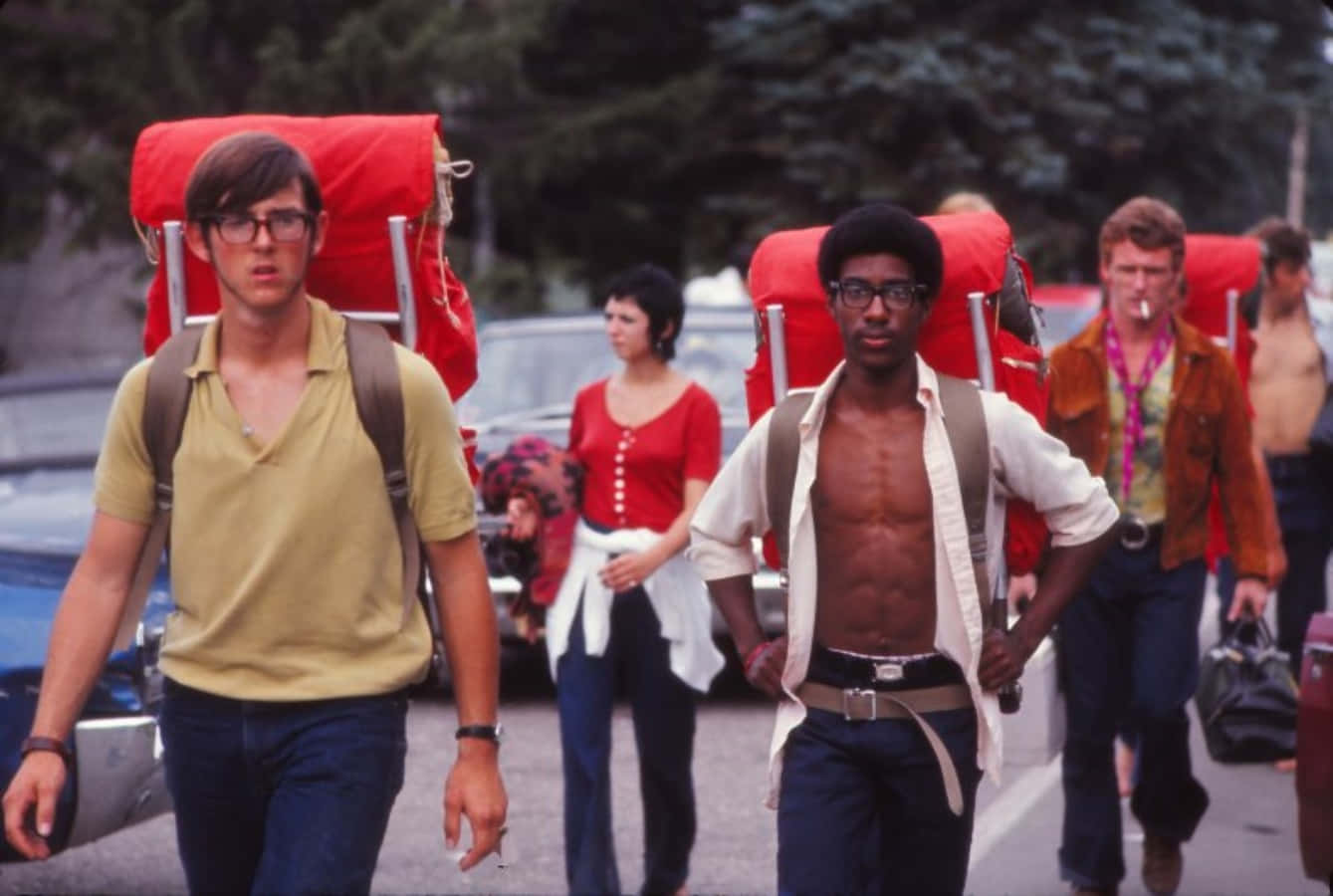
The sheer scale of Woodstock created unprecedented logistical nightmares. The New York State Thruway was essentially closed due to traffic, and the festival was declared a disaster area. Food and water shortages were rampant, yet the event is remembered for the "peace and love" spirit that prevented large-scale violence.
Technically, Woodstock was a milestone in live sound. Bill Hanley, often called the "father of festival sound," built a custom sound system capable of reaching nearly half a million people. Using McIntosh MC3500 amplifiers and Altec Lansing speakers, Hanley's team established the blueprint for modern touring audio.
Landmark Performances
- Jimi Hendrix: His distorted rendition of "The Star-Spangled Banner" remains perhaps the most iconic moment in rock history.
- Sly and the Family Stone: Their high-energy 3:00 AM set is credited with bringing funk to a mainstream rock audience.
- Santana: A then-unknown band whose performance of "Soul Sacrifice" propelled them to international stardom.
- Richie Havens: He famously improvised the song "Freedom" because the next act was delayed and he had run out of material.
The Harlem Cultural Festival: "Black Woodstock"
For decades, the Harlem Cultural Festival was a footnote in music history compared to Woodstock, but its significance is equally profound. Held over six Sundays between June and August 1969 in Mount Morris Park, it drew over 300,000 attendees. Unlike the rural, predominantly white Woodstock, the Harlem Cultural Festival was a celebration of Black pride, soul, and gospel.
Political and Social Context
The festival occurred at a time of intense racial tension in the United States. Security was provided by the Black Panther Party, and the event was used to promote local community health and economic initiatives. Performers included Nina Simone, Stevie Wonder, B.B. King, and The 5th Dimension.
The legacy of this festival was rejuvenated in recent years following the release of the documentary Summer of Soul. It highlighted how the event served as a therapeutic outlet for a community grappling with the assassinations of Malcolm X and Martin Luther King Jr.
Altamont Free Concert: The End of the Dream
If Woodstock represented the peak of the counterculture's idealism, the Altamont Free Concert on December 6, 1969, represented its collapse. Organized by the Rolling Stones as a "Woodstock of the West," the event was marred by poor planning, a last-minute venue change to the Altamont Speedway, and a disastrous decision to hire the Hells Angels for security.
The Turning Point
The atmosphere at Altamont was markedly different from the summer festivals. Violence was persistent throughout the day, culminating in the death of Meredith Hunter, an 18-year-old attendee who was stabbed by a Hells Angel during the Rolling Stones' set. Three other deaths (two in a hit-and-run and one by drowning) and numerous injuries further cemented the event's reputation as a tragedy.
Altamont forced the music industry to professionalize. The era of loose security and informal venue arrangements ended, giving way to the highly regulated, corporate-sponsored events we see in the 21st century.
Comparison of Major 1969 Music Festivals
The following table summarizes the key metrics and characteristics of the most influential festivals held during 1969.
| Festival Name | Dates (1969) | Location | Estimated Attendance | Primary Significance |
|---|---|---|---|---|
| Woodstock | Aug 15–18 | Bethel, NY | 400,000+ | Defined the counterculture generation. |
| Harlem Cultural Festival | June–Aug | New York, NY | 300,000 | Celebrated Black music and political power. |
| Isle of Wight Festival | Aug 30–31 | Isle of Wight, UK | 150,000 | Bob Dylan’s first major show in three years. |
| Altamont Free Concert | Dec 6 | Tracy, CA | 300,000 | The tragic end of the "Summer of Love" ethos. |
| Atlanta Pop Festival | July 4–5 | Hampton, GA | 150,000 | Proved festivals could succeed in the Deep South. |
| Texas International Pop | Aug 30–Sept 1 | Lewisville, TX | 120,000 | Notable for its high-quality sound and organization. |
Technical Evolution: Sound, Lighting, and Staging
The 1969 music festival circuit was the R&D lab for the modern concert industry. Before 1969, concert sound was often handled by the venue's built-in PA system—usually designed for public announcements, not high-fidelity music.
The Birth of "Pro Audio"
The demand for high-volume rock at outdoor venues forced engineers to innovate. Companies like Shure and JBL began to see the potential for specialized equipment. The use of large-scale mixing consoles at the "front of house" (the area in the middle of the crowd where the sound is controlled) became standard during this year.
The Stage as a Fortress
At Woodstock, the stage was a massive wooden structure that barely survived the weight of the equipment and the weather. After 1969, architects began designing modular, steel-truss stages that could be assembled quickly and support tons of lighting and audio gear. This transition was essential for the safety of performers and crews alike.
Socio-Political Impact and Legislative Legacy
The festivals of 1969 did more than sell records; they forced governments to create new laws. The chaos at Woodstock led the New York State Department of Health to implement much stricter regulations for "mass gatherings." These included requirements for:
- Potable water access: Minimum gallons per person per day.
- Sanitation: Specific ratios of toilets to attendees.
- Emergency Medical Services (EMS): On-site hospitals and ambulances.
- Security: Professionalized, bonded security teams rather than informal groups.
These laws, established in the wake of 1969, are the reason why modern festivals like Coachella or Glastonbury can safely host hundreds of thousands of people.
The Financial Reality of 1969 Festivals
Despite the "free" narrative associated with Woodstock and Altamont, 1969 was a year of massive financial risk. Woodstock Ventures was nearly bankrupt after the festival; it took decades for the organizers to break even, largely through the royalties from the 1970 documentary film and its soundtrack.
Conversely, the Atlantic City Pop Festival and the Texas International Pop Festival were managed as tighter business operations. These events proved that festivals could be profitable if the "gate" was secured and sponsorship (though minimal in 1969) was utilized. By 2026 standards, the artist fees for 1969 seem remarkably low. Jimi Hendrix was the highest-paid act at Woodstock, receiving $18,000—roughly $150,000 in 2026 inflation-adjusted dollars. For a headliner of his stature, this was a bargain compared to the multi-million dollar fees commanded today.
Why 1969 Still Matters in 2026
As we look back from 2026, the 1969 music festival era remains the foundational period for our modern experience of live music. The festivals were the first time that youth culture realized its collective economic and social power.
These events also highlighted the limitations of the "peace and love" ideology. The contrast between the harmony of Woodstock and the violence of Altamont showed that large-scale events require more than just good intentions—they require infrastructure, security, and professional management.
Common Misconceptions
- "It was all about the music": In reality, many festivals were highly political, with speakers and activists using the stage to reach the youth.
- "Woodstock was the biggest": While most famous, other festivals like the Isle of Wight (particularly the 1970 edition, which evolved from the 1969 framework) eventually surpassed Woodstock's attendance figures.
- "Everyone was on drugs": While drug use was prevalent, contemporary accounts and medical records from the festivals show that the vast majority of attendees were there primarily for the social and musical experience.
Frequently Asked Questions
Which 1969 music festival was the largest?
Woodstock is widely cited as the largest, with approximately 400,000 attendees. However, some estimates for the Harlem Cultural Festival and the Atlanta International Pop Festival suggest they were comparable in size when accounting for the total duration of the events.
Why did the Altamont Free Concert end in violence?
The violence at Altamont is attributed to several factors: a cramped and poorly chosen venue, the consumption of tainted drugs and heavy alcohol, and the presence of the Hells Angels as security. Unlike the "Peace and Love" vibe of Woodstock, Altamont was characterized by an aggressive, tense atmosphere from the start.
What happened to the site of the Woodstock festival?
The original site on Max Yasgur’s farm is now home to the Bethel Woods Center for the Arts. It includes a world-class outdoor performing arts center and a museum dedicated to the 1960s and the 1969 festival. As of 2026, it remains a major pilgrimage site for music fans.
Were there any major 1969 festivals outside the United States?
Yes, the most notable was the Isle of Wight Festival in the United Kingdom. It featured Bob Dylan in his first major public performance following his 1966 motorcycle accident. This event helped establish the UK as a major hub for the international festival circuit.
How did 1969 music festivals change the law?
Following the logistical chaos of Woodstock, many states passed "Mass Gathering Acts." These laws require organizers to provide proof of adequate water, medical facilities, and sanitation before a permit is issued. These regulations remain the backbone of event planning in 2026.
Practical Recommendation for Historians and Enthusiasts
For those looking to explore the 1969 music festival era in depth, the best course of action is to review the primary source material available through the Woodstock Digital Archive and the Library of Congress music collections.
Understanding the technical manuals of the era, such as Bill Hanley’s sound designs, provides a deeper appreciation for the "grit" required to produce these events. For a modern perspective on the cultural impact of these festivals, watching the restored footage of Summer of Soul (2021) and the original Woodstock (1970) film offers a balanced view of the racial and social diversity of the 1969 festival landscape.