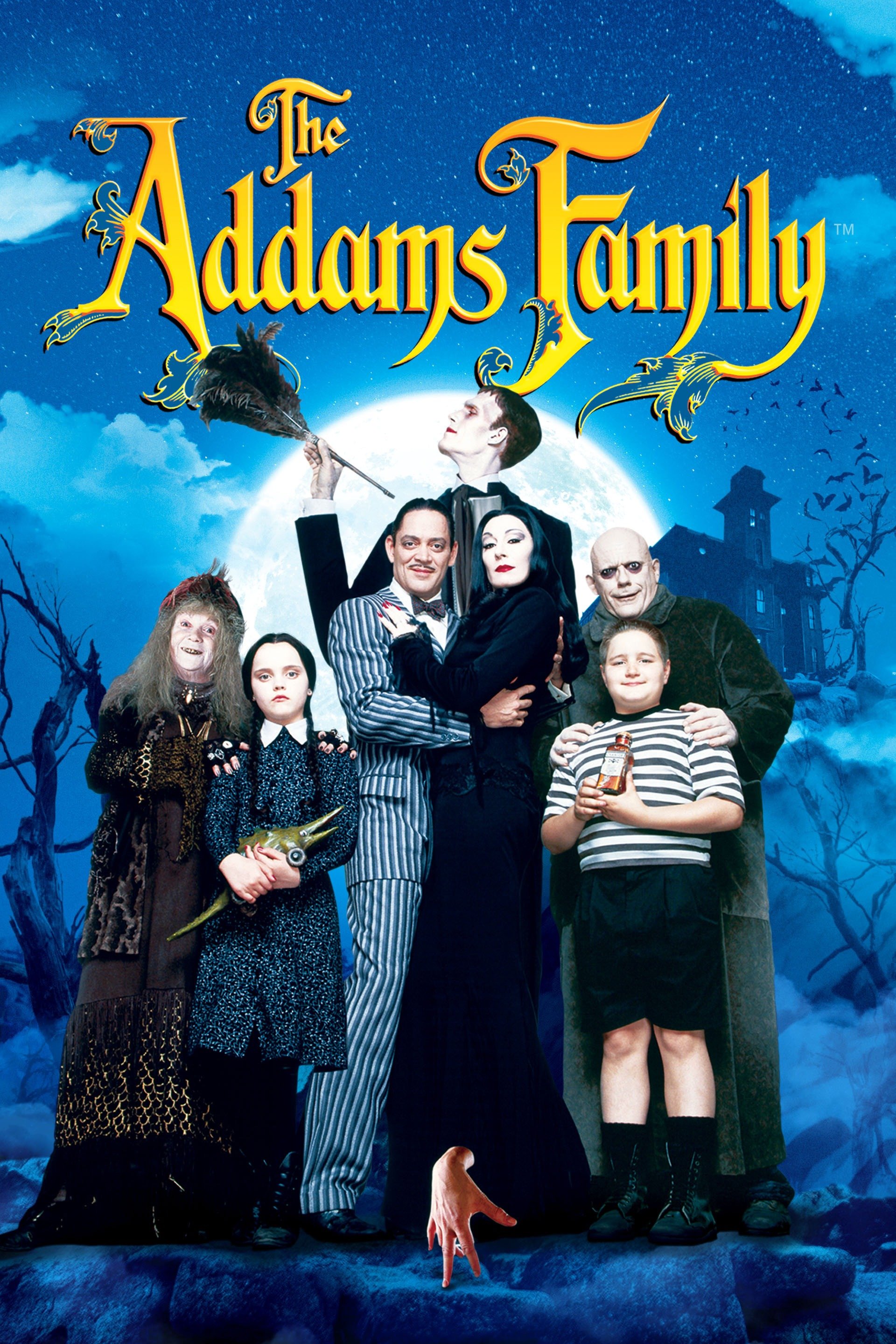
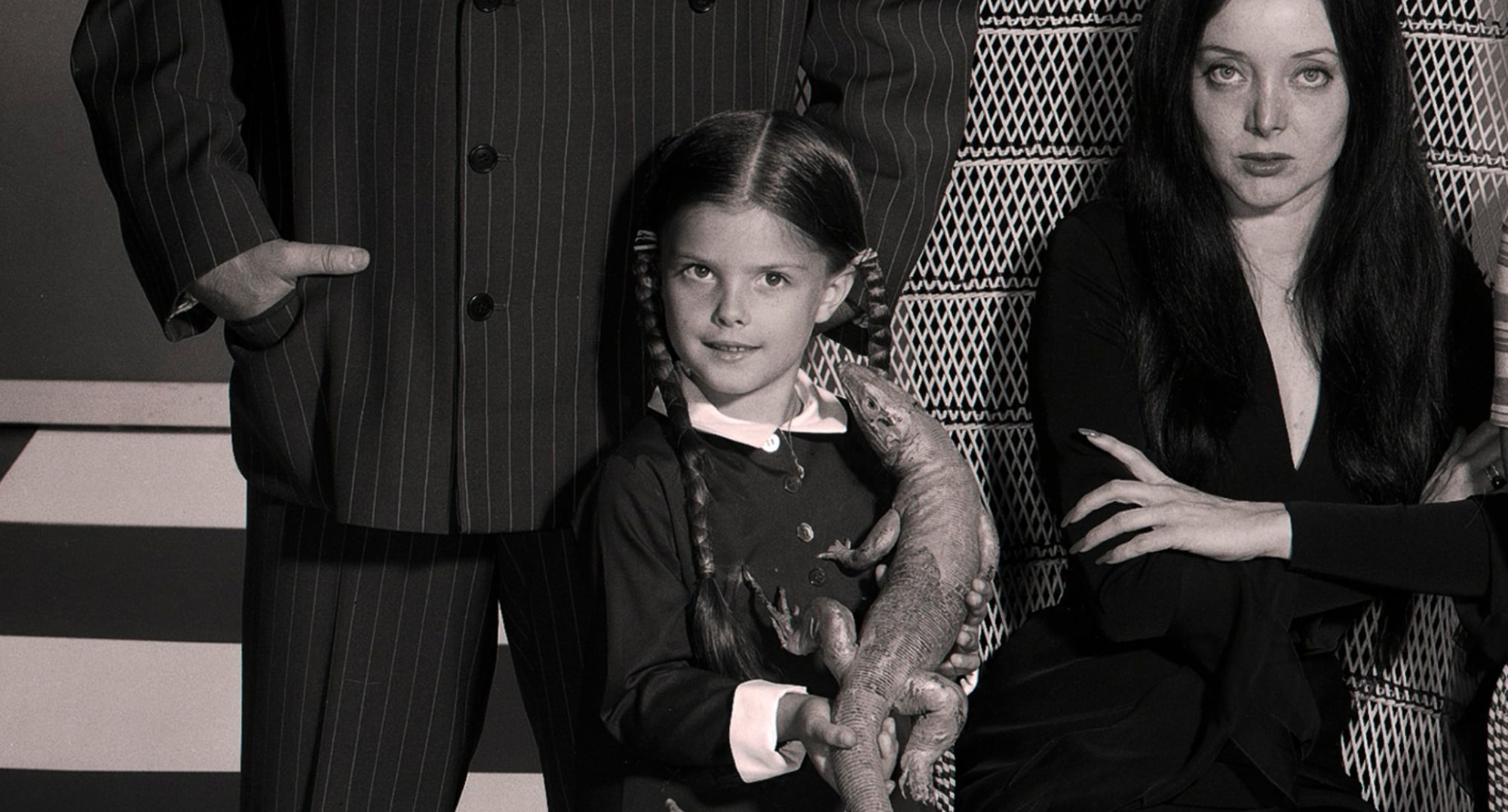
The original 1964 cast of The Addams Family featured John Astin as the energetic Gomez, Carolyn Jones as the elegant Morticia, Lisa Loring as the somber Wednesday, and Ken Weatherwax as the inventive Pugsley. Supported by Jackie Coogan’s Uncle Fester and Ted Cassidy’s Lurch, this ensemble translated Charles Addams' macabre cartoons into a beloved television institution.
When The Addams Family debuted on ABC in September 1964, it introduced a new kind of American family: one that found beauty in the macabre, joy in the graveyard, and deep romance in the midst of the "altogether ooky." While the show only ran for two seasons, its influence has spanned decades. In 2026, as we look back on the legacy of these performers, we see a group of actors who didn't just play roles—they defined a counter-cultural aesthetic that persists in modern reboots and spin-offs.
The Patriarch: John Astin as Gomez Addams
John Astin brought an unparalleled level of manic energy and aristocratic charm to the role of Gomez Addams. Before donning the pinstriped suit, Astin was a classically trained actor with a background in math and English literature, which perhaps contributed to the articulate, witty nature he gave to Gomez.
Astin’s Gomez was a man of immense wealth and zero pretension. He was a devoted husband whose physical attraction to his wife, Morticia, was groundbreaking for 1960s television. At a time when TV couples often slept in separate twin beds, the Addamses were overtly affectionate. Astin famously improvised much of the "Tish! You spoke French!" reactions, where he would kiss his way up Morticia’s arm.
Beyond the romance, Astin’s Gomez was a master of hobbies—yoga, fencing, and most notably, crashing toy trains. As of 2026, John Astin remains the last surviving adult cast member from the original series. His career post-Addams was prolific, including roles in Night Court and voice acting for various animated series. He also spent years teaching acting at Johns Hopkins University, passing on the techniques that allowed him to make a character so eccentric yet deeply grounded in love.
The Matriarch: Carolyn Jones as Morticia Addams
If Gomez was the engine of the family, Carolyn Jones’ Morticia was its soul. Jones was already an established star before 1964, having received an Academy Award nomination for Best Supporting Actress in The Bachelor Party (1957). Her portrayal of Morticia was a masterclass in "deadpan" elegance.
Jones wore a restrictive, floor-length black gown that forced her to glide rather than walk, adding to the character's ethereal, almost ghost-like presence. Her Morticia was never "spooky" to herself; she was a refined lady of the house who happened to find hemlock soothing and rosebuds offensive. Jones brought a quiet authority to the role, often acting as the calm voice of reason when the "normal" world clashed with the Addams' lifestyle.
Tragically, Carolyn Jones passed away in 1983 at the age of 53. Despite her extensive filmography, including roles in House of Wax and Invasion of the Body Snatchers, she is most fondly remembered as the woman who made the macabre look glamorous. Her chemistry with Astin remains one of the high-water marks of televised romantic partnerships.
The Spooky Siblings: Lisa Loring and Ken Weatherwax
The heart of the "spooky siblings" dynamic lay in the hands of two young child actors who had to portray darkness with a sense of innocence.
Lisa Loring as Wednesday Addams
Lisa Loring was only six years old when she began playing Wednesday Addams. Her Wednesday was a pale, pigtailed girl who preferred playing with her headless doll, Marie Antoinette, over traditional toys. Loring’s performance was characterized by a stoic, unblinking stare that made her both adorable and slightly unnerving.
One of Loring's most enduring contributions to pop culture was "The Drew," a shuffle-style dance she performed in the episode "Lurch's Little Helper." This dance saw a massive resurgence in the early 2020s, highlighting the timelessness of her performance. Loring passed away in 2023, but her portrayal of Wednesday set the template for every iteration of the character that followed, emphasizing that a child’s world can be dark without being malicious.
Ken Weatherwax as Pugsley Addams
Ken Weatherwax played Pugsley, the older brother who shared his father’s mechanical aptitude and his sister’s love for the bizarre. Pugsley was often seen building guillotines or playing with his pet octopus, Aristotle. Weatherwax brought a certain "all-American boy" energy to the role, which made his macabre interests all the more humorous.
After the show ended, Weatherwax found it difficult to escape typecasting, a common struggle for child stars of the era. He eventually transitioned into working behind the camera as a grip and set builder, contributing to the industry in a different capacity for many years. He passed away in 2014, remembered by fans as the quintessential "weird kid" who was perfectly content in his own skin.
The Supporting Eccentrics: Fester, Lurch, and Grandmama
The Addams household was rounded out by a cast of characters who expanded the show’s surrealist comedy.
- Jackie Coogan (Uncle Fester): Coogan was a former silent film child prodigy who once starred alongside Charlie Chaplin in The Kid. By the time he became Uncle Fester, he was a seasoned character actor. Coogan’s Fester was iconic for his lightbulb-lighting mouth and his penchant for "recharging" in electric chairs. Coogan is also famous in legal history for the "Coogan Act," which protects child actors' earnings after his own parents squandered his childhood fortune.
- Ted Cassidy (Lurch and Thing): Standing at 6'9", Ted Cassidy provided the towering presence of Lurch, the family butler. His deep, resonant voice and the catchphrase "You rang?" became instant classics. Interestingly, Cassidy also provided the hand for "Thing" (the disembodied hand in a box), unless Lurch was on screen at the same time, in which case a crew member would step in.
- Blossom Rock (Grandmama): Known for her work in vaudeville and early cinema (under the name Marie Blake), Blossom Rock played the potion-brewing Grandmama. She brought a chaotic, witchy energy to the kitchen, often seen stirring large cauldrons or sharpening knives.
1964 Addams Family Cast Overview
The following table summarizes the primary cast members of the original series and their enduring legacies as of 2026.
| Actor | Character | Primary Role/Contribution | Notable Fact |
|---|---|---|---|
| John Astin | Gomez Addams | The romantic, energetic patriarch | Last surviving main adult cast member (as of 2026). |
| Carolyn Jones | Morticia Addams | The elegant, deadpan matriarch | Received an Oscar nomination for The Bachelor Party (1957). |
| Lisa Loring | Wednesday Addams | The stoic, pigtailed daughter | Created the "Wednesday dance" that went viral decades later. |
| Ken Weatherwax | Pugsley Addams | The inventive, mischievous son | Later worked as a movie studio grip and set builder. |
| Jackie Coogan | Uncle Fester | The electric, eccentric uncle | Famous child star of the silent era; namesake of the "Coogan Law." |
| Ted Cassidy | Lurch / Thing | The towering butler / Hand | Provided the voice for the Incredible Hulk in the 70s TV show. |
| Blossom Rock | Grandmama | The potion-brewing grandmother | Was the elder sister of famous actress Jeanette MacDonald. |
| Felix Silla | Cousin Itt | The hair-covered, squeaking cousin | Was a prolific stuntman and played Twiki in Buck Rogers. |
The Cultural Rivalry: Addams Family vs. The Munsters
In the fall of 1964, a peculiar phenomenon occurred: two major networks launched "monster sitcoms" within a week of each other. While The Munsters (on CBS) focused on traditional Universal-style monsters trying to live the American Dream, The Addams Family (on ABC) was a satire of high society.
The Addamses didn't think they were monsters; they thought they were the only ones who were truly living. This distinction is why the 1964 cast felt so different. They weren't wearing heavy prosthetics (with the exception of Uncle Fester’s bald cap or Cousin Itt’s hair). Their "otherness" was psychological and cultural. This allowed for a more sophisticated level of humor that relied on wordplay and the subversion of social norms, rather than just sight gags involving Frankenstein’s monster or vampires.
Behind the Scenes: The Creation of a Cult Classic
The success of the 1964 cast was heavily influenced by the show's producer, David Levy, and the head writer, Nat Perrin. Perrin was a former writer for the Marx Brothers, and that vaudevillian influence is visible in the rapid-fire dialogue and physical comedy of John Astin and Jackie Coogan.
The set itself was an uncredited cast member. The Addams house was filled with authentic Victorian artifacts, strange taxidermy, and museum-quality oddities. The cast often remarked that the environment helped them stay in character. For example, the "pelt" of the polar bear rug that would growl when stepped on was a favorite among the actors, adding to the spontaneous feel of the production.
Why the 1964 Cast Remains Definitive in 2026
Even in 2026, with multiple high-budget film adaptations and streaming series available, the 1964 cast remains the "gold standard" for many fans. There are several reasons for this enduring preference:
- Chemistry: The genuine affection between Astin and Jones created a foundation of warmth that kept the show from feeling too dark or cynical.
- Origin Fidelity: While they expanded on the characters, the 1964 cast stayed closest to the spirit of Charles Addams’ original New Yorker cartoons—characters who were "wealthy, but didn't know it," and "strange, but didn't care."
- Physicality: Ted Cassidy’s Lurch and Jackie Coogan’s Fester utilized physical comedy that required immense timing and control, a hallmark of mid-century acting that is often lost in CGI-heavy modern productions.
FAQs About the 1964 Addams Family Cast
Who is still alive from the original 1964 Addams Family cast?
As of 2026, John Astin (Gomez) is the last surviving member of the primary adult cast. Most of the other main stars, including Carolyn Jones, Jackie Coogan, Ted Cassidy, and the actors who played the children, Lisa Loring and Ken Weatherwax, have passed away.
Did the actors get along in real life?
Yes, the cast was famously close-knit. John Astin and Carolyn Jones maintained a deep professional respect for each other, and the child actors often spoke of the set as a fun, welcoming environment. Unlike many shows of the era, there were very few reported conflicts among the main ensemble.
Why was the original show canceled after only two seasons?
Despite its cult status, the show was expensive to produce and faced stiff competition from The Munsters. At the time, networks felt that the "monster sitcom" trend had peaked, leading to the cancellation of both shows in 1966. However, the show's success in syndication far outlived its original broadcast run.
Who played Thing in the 1964 series?
Thing was primarily played by Ted Cassidy, the same actor who played Lurch. When both Lurch and Thing needed to be in the same shot, the show's associate producer, Jack Voglin, or a crew member would provide the hand.
Was Cousin Itt part of the original cast?
Cousin Itt was not in the original pilot or the first few episodes. He was created specifically for the television show by producer David Levy and Charles Addams. He was played by Felix Silla, a circus performer and stuntman, starting in the first season.
Legacy and Next Steps for Fans
To truly appreciate the 1964 cast, fans should look beyond the surface-level "spookiness" and observe the technical skill of the performers. John Astin’s ability to fence while reciting complex dialogue, or Carolyn Jones’ subtle facial expressions when reacting to "normal" people, are masterclasses in television acting.
For those looking to dive deeper, viewing the original series in its remastered high-definition format (available on various streaming platforms in 2026) allows for a better appreciation of the intricate costume design and set details that these actors interacted with daily. Exploring the archives of the Academy of Television Arts & Sciences can also provide interviews and behind-the-scenes insights into how this legendary cast was assembled.