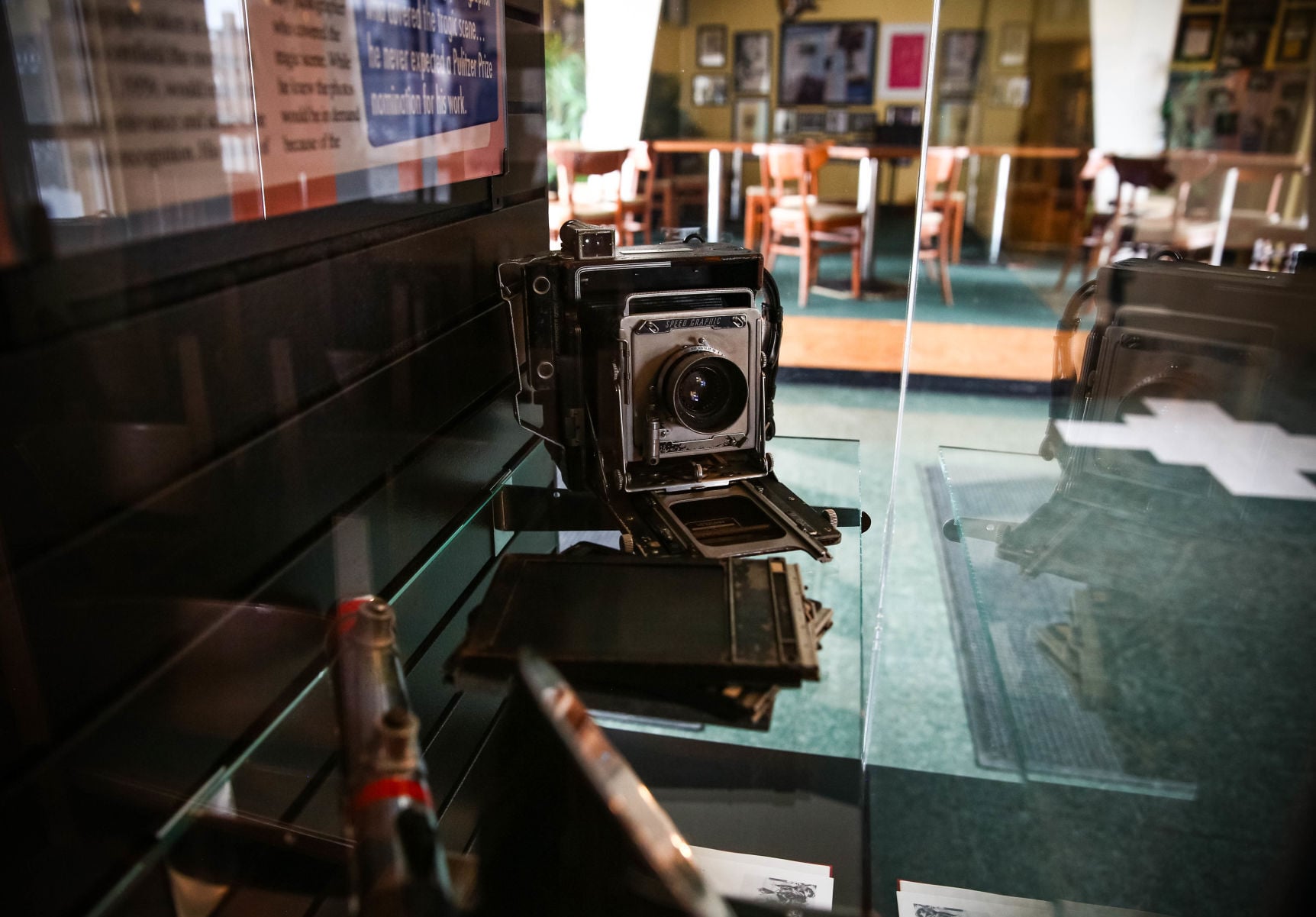
The term "1959 plane crash" refers to the catastrophic Beechcraft Bonanza crash that occurred on February 3, 1959, near Clear Lake, Iowa. This incident claimed the lives of rock and roll pioneers Buddy Holly, Ritchie Valens, and J.P. "The Big Bopper" Richardson, along with their pilot, Roger Peterson, marking a seminal moment in music history often remembered as "The Day the Music Died."
The Context of the Winter Dance Party Tour
In early 1959, three of the biggest names in rock and roll embarked on the "Winter Dance Party" tour, an ambitious 24-date itinerary across the American Midwest. The logistics of the tour were notoriously grueling. The performers were traveling across vast, snow-covered distances in a series of unheated school buses that frequently broke down. By late January, the exhaustion, combined with freezing conditions that led to frostbite among the support staff, compelled Buddy Holly to seek an alternative method of transportation for himself and his backing musicians to reach their next scheduled stop in Moorhead, Minnesota.
Holly chartered a small, four-passenger Beechcraft Bonanza aircraft from the Dwyer Flying Service in Mason City, Iowa. The decision to fly was intended to provide the musicians with a night of comfort in a hotel, a break from the frigid, broken-down buses, and time to attend to laundry and rest before the upcoming show.
The Fatal Flight: Incident Dynamics
The flight departed from the Mason City Municipal Airport at approximately 12:55 a.m. CST. The pilot, 21-year-old Roger Peterson, was an experienced pilot, though he was not certified for instrument-only flight (IFR) in poor weather conditions. Despite a weather advisory warning of snow, light wind, and ceiling visibility limitations, the plane took off into the dark, wintry night.
Within moments of takeoff, the aircraft disappeared from view. It is widely believed that the lack of horizon visibility caused spatial disorientation for the pilot. Without the ability to see ground lights or the skyline, and lacking the necessary training to rely exclusively on flight instruments, the aircraft entered a descent that resulted in an impact with a cornfield approximately five miles northwest of the airport. The plane struck the ground at a high rate of speed and disintegrated, resulting in the instantaneous death of all four occupants.
Investigation and Findings
The Civil Aeronautics Board (CAB)—the predecessor to the modern National Transportation Safety Board (NTSB)—conducted an extensive investigation into the tragedy. Their final report concluded that the primary cause of the accident was the pilot's decision to undertake a flight under adverse weather conditions without the necessary qualifications.
The investigation highlighted several critical factors:
- Pilot Qualification: Peterson held a private pilot's certificate but lacked the instrument rating required to fly safely when visibility was compromised by clouds or darkness.
- Weather Deterioration: While the forecast at takeoff was suboptimal, it deteriorated rapidly. The light snow and low ceilings made visual flight rules (VFR) navigation impossible in the dark.
- Spatial Disorientation: The "graveyard spiral" is a well-documented phenomenon in aviation where a pilot, losing sensory cues from the ground, perceives the aircraft to be level when it is actually banking and descending. The investigative report suggested that the pilot became disoriented shortly after takeoff.
The Impact on the Music Industry and Popular Culture
The 1959 plane crash did not merely end the lives of three rising stars; it fundamentally altered the trajectory of early rock and roll. Buddy Holly was a prolific songwriter and producer who was arguably at the creative peak of his career. Ritchie Valens, at only 17, had demonstrated a massive crossover appeal, bridging the gap between Latino culture and mainstream rock. The Big Bopper was an established radio personality and a charismatic performer.
The loss sent shockwaves through the American youth culture of 1959. It served as a grim conclusion to the initial, innocent era of rock and roll. In the decades that followed, the tragedy achieved a mythic status in pop culture, most notably through Don McLean’s 1971 ballad, "American Pie," which popularized the phrase "The Day the Music Died."
Analytical Comparison: Travel Safety in the 1950s vs. Today
Aviation safety has undergone a revolutionary transformation since 1959. Modern standards for private charter flights, commercial operations, and pilot training have significantly minimized the risks associated with the conditions that caused the 1959 tragedy.
| Factor | 1959 Standards | 2026 Standards |
|---|---|---|
| Instrument Ratings | Not consistently mandated for small charter pilots | Mandatory for commercial and most private charter flights |
| Weather Briefings | Manual, often delayed or incomplete | Real-time, satellite-linked, and digital weather data |
| Pilot Training | Focused heavily on VFR visual cues | Rigorous IFR and simulator-based emergency training |
| Navigation Aids | Ground-based beacons and maps | GPS, WAAS, and flight management systems |
| Regulatory Oversight | Looser interpretation of Part 135 operations | Strict adherence to FAA Part 135/Part 121 safety protocols |
Lessons Learned and Aviation Evolution
The legacy of this crash is preserved in the rigorous regulatory frameworks managed by the Federal Aviation Administration (FAA). Today, commercial pilots must hold specific ratings to operate in conditions where visibility is limited, and they are subject to "Flight Duty Time" limits to prevent fatigue. Had those standards existed in 1959, it is highly probable that the flight would have been canceled or grounded by the pilot, or that the pilot would have been required to fly only in daylight under visual conditions.
For contemporary aviation enthusiasts or those interested in historical safety, the incident serves as a primary case study in "get-there-itis"—the psychological pressure to complete a journey despite clear indicators that conditions are unsafe. This remains a cornerstone of pilot training in 2026, where the emphasis is placed on the pilot's authority to refuse a flight regardless of passenger expectations.
Frequently Asked Questions
Who were the passengers on the plane that crashed in 1959? The passengers were Buddy Holly, Ritchie Valens, and J.P. "The Big Bopper" Richardson. The pilot was Roger Peterson. All four died instantly upon impact.
Why did they choose to fly instead of taking the bus? The tour bus was unheated and plagued by mechanical failures in freezing temperatures. Buddy Holly chartered the plane so the performers could reach their next stop in comfort, stay in a hotel, and get some sleep.
Was the pilot of the 1959 plane crash experienced? Roger Peterson was a professional pilot employed by the Dwyer Flying Service. While he had significant flight hours, he was not "instrument rated," meaning he lacked the training to fly safely without being able to see the ground or the horizon.
Did weather play a role in the 1959 accident? Yes. The weather was a critical factor. The official investigation cited the pilot's decision to fly into adverse weather conditions, specifically low ceilings and light snow, as the primary cause of the accident.
What is the historical significance of the crash? The crash is viewed as the end of the first "innocent" era of rock and roll. The loss of three major talents simultaneously shifted the cultural mood, and the event remains one of the most famous tragedies in the history of the music industry.
Professional Recommendation for Further Research
For those seeking primary records, the official Civil Aeronautics Board accident report (File No. 1-0001) is accessible through the National Transportation Safety Board (NTSB) archives. Readers interested in the cultural impact should consult retrospective journalism from reputable archives. It is essential to distinguish between the documented facts of the NTSB investigation and the various myths or theories that have emerged in pop culture over the decades. Always prioritize documentation provided by governmental aviation authorities when examining the technical aspects of this event.