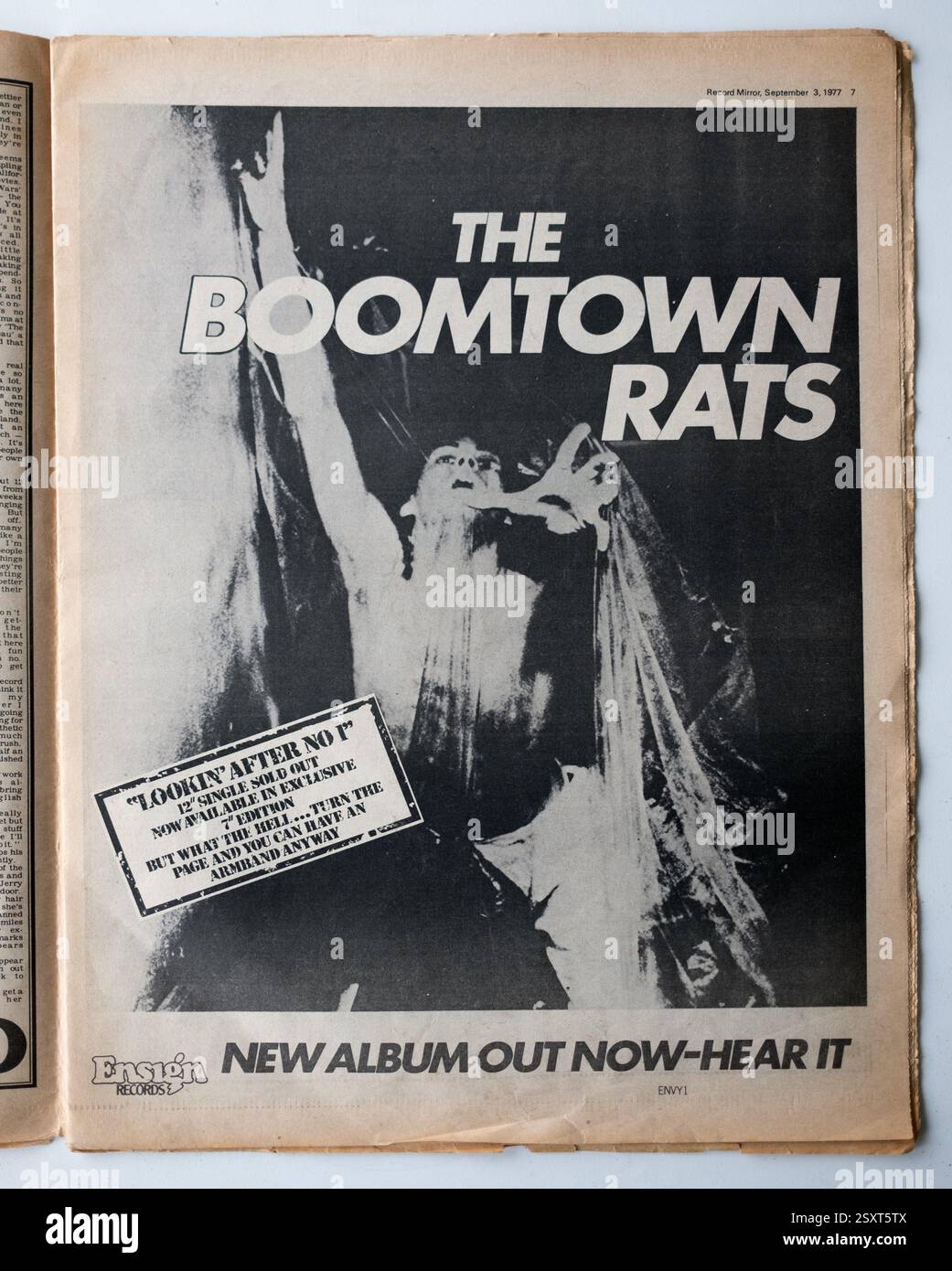
1970s pop music represented a seismic shift from the collective optimism of the 1960s toward individual expression, technical sophistication, and genre diversification. From the intimate confessions of singer-songwriters to the theatricality of glam rock and the rhythmic dominance of disco, the decade redefined the commercial potential and sonic boundaries of popular music.
The Fragmentation of the 1970s Pop Landscape
While the 1960s were often defined by a unified "counter-culture" sound, the 1970s saw pop music splinter into a dozen distinct sub-genres. This fragmentation was driven by both cultural shifts and technological advancements in recording and broadcasting. As the idealism of the Woodstock era faded, listeners sought music that reflected personal introspection, domestic life, or pure escapism.
The early 1970s functioned as a transitional period. The breakup of The Beatles in 1970 left a vacuum that was quickly filled by solo artists who prioritized individual narratives. Simultaneously, the industry saw the rise of "bubblegum pop," a highly manufactured, melody-driven style aimed at younger teenagers, which coexisted alongside the increasingly complex "art pop" being developed by experimental musicians. This era proved that pop could be both a superficial commercial product and a deeply serious art form.
The Rise of the Singer-Songwriter Movement
One of the most significant developments in 1970s pop was the emergence of the singer-songwriter. Moving away from the "Brill Building" model where professional songwriters wrote hits for performers, artists like Carole King, James Taylor, Joni Mitchell, and Carly Simon began writing and performing their own material.
This movement emphasized "authenticity"—a word that became a currency in 1970s music criticism. Carole King’s 1971 album Tapestry remains a cornerstone of this era, spending 15 consecutive weeks at number one on the Billboard 200. The songs were intimate, often featuring minimal instrumentation like a piano or acoustic guitar, which allowed the lyrical content to take center stage. These lyrics focused on personal relationships, self-discovery, and the mundane complexities of adulthood, resonating deeply with a generation transitioning out of the chaotic 1960s.
The technical production of these albums also evolved. Engineers began using "dry" recording techniques, moving microphones closer to the instruments and vocals to create a sense of physical proximity between the artist and the listener. This intimacy became the hallmark of the "Californian Sound," which would later evolve into the polished soft rock of the mid-to-late decade.
Glam Rock and the Art of the Spectacle
As the singer-songwriter movement looked inward, Glam Rock looked outward—and into the mirror. Emerging primarily from the UK, glam rock introduced a level of theatricality, androgyny, and camp that had never been seen in mainstream pop. Artists like David Bowie, Marc Bolan (T. Rex), Elton John, and Roxy Music used the pop stage as a canvas for performance art.
David Bowie’s "Ziggy Stardust" persona is perhaps the ultimate example of this. By creating a fictional character and a narrative around his music, Bowie challenged the idea that a pop star had to be "authentic" or "relatable." Pop was now about transformation and artifice. This era also saw the rise of Elton John as a global superpower; his blend of rock-and-roll piano, orchestral arrangements, and flamboyant costumes made him the most successful male pop artist of the decade.
Glam rock’s influence extended beyond the music. It influenced fashion, gender norms, and the very structure of the "pop star" mythos. The genre proved that pop music could be intellectually stimulating and visually arresting while maintaining massive commercial appeal.
Soft Rock and the Dominance of the "California Sound"
By the mid-1970s, the raw intimacy of the early singer-songwriters had been refined into a highly polished, commercially formidable style known as soft rock or "yacht rock." This sub-genre prioritized high-fidelity production, complex vocal harmonies, and sophisticated arrangements.
Fleetwood Mac’s Rumours (1977) is the definitive artifact of this era. The album’s success was driven by its pristine production and the voyeuristic appeal of the band’s internal romantic conflicts. Similarly, The Eagles combined country sensibilities with pop hooks to create a sound that dominated FM radio. The focus was on "The Album" as a complete experience, rather than just a collection of singles.
Technical advancements in the studio played a crucial role here. The transition from 8-track to 24-track recording allowed for more elaborate layering. Pop music became "bigger" and more "expensive" sounding. This period also saw the rise of the "studio musician" culture, where elite players like those in the band Toto or the session collective known as "The Section" provided the backing for dozens of hit records, ensuring a consistent level of technical perfection across the charts.
The Disco Explosion and the 12-Inch Revolution
No discussion of 1970s pop is complete without the disco phenomenon. What began as an underground movement in Black, Latino, and LGBTQ+ clubs in New York City eventually became a global cultural juggernaut that dominated the latter half of the decade.
Disco changed the "beat" of pop music. It moved the focus from the backbeat (typical of rock) to a "four-on-the-floor" kick drum pattern, designed specifically for dancing. Artists like Donna Summer, the Bee Gees, Chic, and ABBA redefined what a pop hit sounded like. Donna Summer’s "I Feel Love" (1977), produced by Giorgio Moroder, was a watershed moment; its entirely electronic backing track laid the groundwork for the synth-pop and house music of future decades.
Disco also introduced technical innovations like the 12-inch single. By spacing the grooves further apart on a larger disc, engineers could achieve higher volume and better bass response, which was essential for the nightclub environment. Despite the "Disco Sucks" backlash of 1979—driven largely by racial and homophobic undertones—the genre’s influence on pop music’s rhythmic structure remains permanent.
Industry Innovations: FM Radio and the Blockbuster Album
The 1970s saw a massive shift in how music was consumed. At the start of the decade, AM radio was the primary source for pop music, focusing on 3-minute singles. However, FM radio, with its superior sound quality and stereo capabilities, began to take over.
FM radio allowed for "Album-Oriented Rock" (AOR) and more sophisticated pop. Listeners were no longer just buying 45rpm singles; they were buying 33⅓rpm LPs. This led to the era of the "Blockbuster Album." Before the 1970s, selling a million copies of an album was a massive feat. By 1976, Peter Frampton’s Frampton Comes Alive! and Fleetwood Mac’s Rumours were selling ten million or more. The music industry became a multi-billion dollar enterprise, and pop stars became corporate entities.
| Year | Artist | Album / Milestone | Significance |
|---|---|---|---|
| 1971 | Carole King | Tapestry | Established the singer-songwriter as a commercial force. |
| 1972 | David Bowie | The Rise and Fall of Ziggy Stardust | Introduced high-concept theatricality and androgyny. |
| 1973 | Elton John | Goodbye Yellow Brick Road | Peak of "Piano Pop" and global superstardom. |
| 1974 | ABBA | Eurovision Win ("Waterloo") | Beginning of the Swedish pop dominance in the West. |
| 1977 | Fleetwood Mac | Rumours | Defined the high-production "California Sound." |
| 1977 | Bee Gees / Various | Saturday Night Fever | Brought disco into the absolute mainstream. |
| 1979 | Michael Jackson | Off the Wall | Bridged the gap between disco, R&B, and modern pop. |
Power Pop and the Bridge to the 1980s
As the decade drew to a close, a new sound emerged that combined the melodic sensibilities of the early 1960s (like The Beatles and The Beach Boys) with the energy of the emerging punk movement. This was "Power Pop." Bands like Cheap Trick, The Knack, and The Raspberries focused on short, punchy songs with massive choruses and distorted guitars.
Simultaneously, the "New Wave" began to take shape. Artists like Blondie and The Cars took the raw energy of punk and smoothed it over with pop hooks and synthesizers. Blondie’s "Heart of Glass" (1979) was a perfect synthesis of punk attitude, disco rhythms, and pop melody. This hybrid approach signaled the end of the 1970s and provided the blueprint for the MTV-driven pop of the 1980s.
Critical Analysis of 1970s Production Techniques
The "sound" of 1970s pop is often described as "warm" or "organic." This is largely due to the widespread use of analog tape and tube-based equipment. Unlike the digital recordings of today, 1970s pop benefited from tape saturation—a subtle distortion that adds harmonic richness to the sound.
Key production elements included:
- Layered Vocals: Using multi-track recording to create "walls" of harmonies, popularized by groups like ABBA and Queen.
- The Fender Rhodes: The distinctive "bell-like" sound of this electric piano became a staple of 1970s soft rock and R&B-inflected pop.
- Synthesizer Integration: Early synthesizers like the Minimoog and the ARP Odyssey began to appear as lead instruments rather than just sound effects.
- Drum Dampening: Producers often placed wallets or tea towels on snare drums to achieve a "thuddy," dry sound that was easier to mix for FM radio.
The Legacy of 1970s Pop in the 2020s
As of 2026, the influence of the 1970s on modern music is perhaps more prominent than ever. The "Retropop" movement, led by artists like Dua Lipa, Harry Styles, and Silk Sonic, draws heavily from 1970s disco, funk, and soft rock. The aesthetic of the 70s—its focus on live instrumentation, groove, and melody—serves as a counterpoint to the highly programmed nature of early 21st-century EDM.
Vinyl sales have also seen a massive resurgence, with 1970s staples like Rumours and The Dark Side of the Moon consistently appearing in the top 10 best-selling vinyl lists each year. This suggests that the "album as an experience" philosophy of the 1970s still resonates with younger audiences who are looking for a physical connection to music in a digital-first world.
Frequently Asked Questions
What was the most popular genre of pop in the 1970s?
The "most popular" genre shifted throughout the decade. The early 70s were dominated by singer-songwriters and soft rock. From 1975 to 1979, disco was the most commercially successful genre, although it faced significant cultural pushback toward the end of the decade.
Why did disco become so unpopular so quickly?
The "Disco Sucks" movement culminated in the Disco Demolition Night in 1979. While some fans were simply tired of the genre’s over-saturation, historians note that the backlash was also rooted in a reaction against the diverse cultures (Black, Latino, and gay) that disco represented. However, disco didn't really die; it simply evolved into house, techno, and contemporary dance-pop.
Who was the biggest pop star of the 1970s?
In terms of chart dominance and record sales, Elton John and the Bee Gees were the most successful. Elton John had seven consecutive number-one albums in the US between 1972 and 1975. The Bee Gees dominated the late 70s with the Saturday Night Fever soundtrack and their own studio albums.
How did 1970s pop differ from 1960s pop?
1960s pop was often defined by a "live" band sound and a focus on social movements. 1970s pop was more studio-centric, featured higher production values, and focused more on personal themes, individual stardom, and stylistic diversity.
What technical equipment defined the 70s pop sound?
The 24-track tape machine, the Fender Rhodes electric piano, the Minimoog synthesizer, and the use of "solid-state" mixing consoles (like those from Neve or SSL) were fundamental to the era's sonic identity.
Recommended Next Steps for Enthusiasts
For those looking to explore 1970s pop more deeply, a chronological listening approach is highly effective. Start with the 1971 "Big Three" (Carole King’s Tapestry, Marvin Gaye’s What's Going On, and Joni Mitchell’s Blue) to understand the singer-songwriter shift. Move into the mid-70s with Elton John’s Goodbye Yellow Brick Road and Fleetwood Mac’s Rumours. Finally, explore the disco era via the Saturday Night Fever soundtrack and Chic’s Risqué.
For collectors, focusing on original "first pressings" from the 1970s is recommended. Because these albums were produced in massive quantities, many high-quality copies are still available at reasonable prices (usually $20–$40 for common titles) in 2026. Look for pressings from reputable plants like Sterling Sound or Masterdisk for the best audio fidelity.