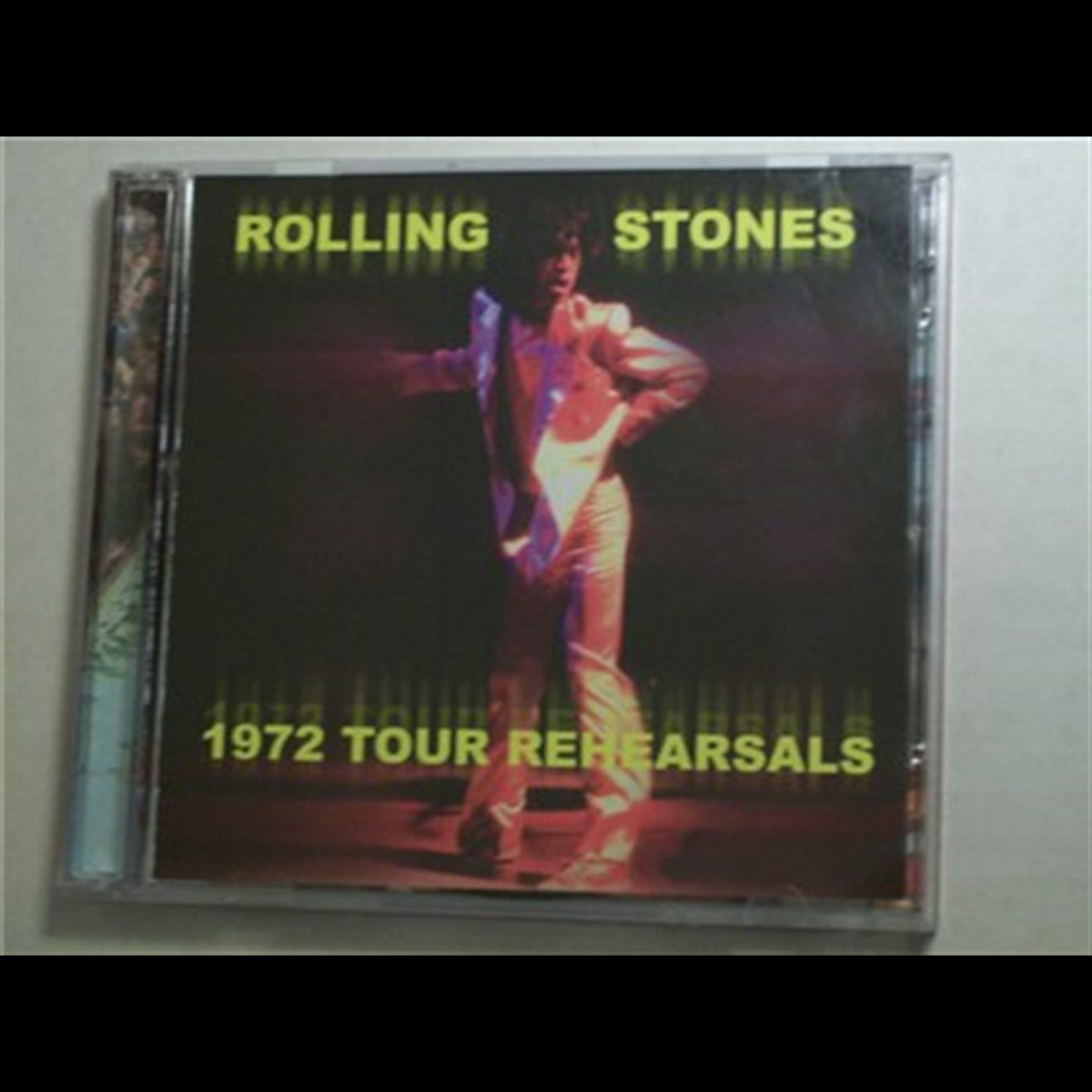
The 1972 Rolling Stones North American Tour, widely known as the Stones Touring Party (STP), was a landmark 48-show concert circuit across the United States and Canada. Commencing in June 1972 to support the album Exile on Main St., it solidified the band’s reputation as the "Greatest Rock and Roll Band in the World" while fundamentally transforming the logistics, media coverage, and cultural scale of modern rock tours.
The Cultural and Musical Context of 1972
To understand the magnitude of the 1972 tour, one must look at the state of the Rolling Stones at the start of the decade. Following the 1969 Altamont Free Concert, which ended in tragedy and effectively signaled the end of the "peace and love" era, the band had retreated to the South of France as tax exiles. It was during this period of displacement that they recorded Exile on Main St. at Keith Richards' rented villa, Nellcôte.
By 1972, the Stones were no longer just a pop group; they were a counter-cultural institution facing immense pressure to prove their relevance in a shifting musical landscape. The 1972 tour was designed not merely as a promotional vehicle for their new double album but as a massive logistical undertaking intended to reclaim their throne. This was the first time the band toured North America since 1969, and the anticipation was unprecedented. The tour arrived at a moment when rock music was transitioning from the gritty club and ballroom circuit into the era of massive arena and stadium spectacles.
The Definitive Lineup: The Mick Taylor Era at Its Peak
Musical historians often cite the 1972 tour as the zenith of the Rolling Stones’ live performance capabilities. This is largely attributed to the "Mick Taylor lineup," which included Mick Jagger (vocals), Keith Richards (guitar/vocals), Mick Taylor (lead guitar), Bill Wyman (bass), and Charlie Watts (drums).
The Richards-Taylor Guitar Weaving
The interplay between Keith Richards and Mick Taylor during this period is legendary. Taylor, a virtuoso blues guitarist formerly of John Mayall's Bluesbreakers, provided a melodic fluidity that contrasted sharply with Richards' percussive, rhythmic "weaving" style. On tracks like "Midnight Rambler" and "Love in Vain," Taylor’s solos reached heights of technical sophistication that the band had not seen before and arguably have not replicated since his departure in 1974.
The Backing Musicians
The core band was augmented by a powerhouse horn section consisting of saxophonist Bobby Keys and trumpeter Jim Price. Their presence allowed the band to replicate the dense, R&B-infused arrangements found on Sticky Fingers and Exile on Main St. Additionally, the tour featured Nicky Hopkins on piano, whose intricate, classically influenced style added a layer of elegance to the raw rock and roll sound. Ian Stewart, the band's founding pianist and road manager, also contributed to the boogie-woogie numbers.
Tour Logistics and Technological Innovations
The 1972 tour was a pioneer in what is now standard concert logistics. Before this era, rock tours were often disorganized affairs with substandard equipment. The STP changed the template by treating the tour as a high-level military operation.
Staging and Lighting
Under the direction of lighting designer Chip Monck, the tour utilized sophisticated lighting rigs that were revolutionary for the time. This included the use of large mirrors and high-powered spotlights to create a dramatic visual experience that could be seen from the back of large arenas. The stage was often carpeted and decorated with the now-iconic "Tongue and Lips" logo, designed by John Pasche, which became the visual shorthand for the band's brand.
The Starship and Travel
While the band famously used "The Starship" (a modified Boeing 720) in 1975, the 1972 tour utilized a private plane emblazoned with the band’s logo, marking a shift away from commercial travel and standard tour buses. This allowed the band to maintain a "bubble" of security and decadence, moving quickly between cities to accommodate a grueling schedule of 48 shows in roughly 50 days.
Setlist Analysis: A Masterclass in Rock and Soul
The setlist for the 1972 tour was lean, aggressive, and heavily focused on their recent output. While many legacy acts rely on greatest hits, the Stones used the STP to showcase the depth of their "Golden Era" material (1968–1972).
Standard performances typically opened with "Brown Sugar," immediately establishing a high-energy rapport with the audience. The middle of the set featured a selection of acoustic-leaning or blues-heavy tracks, such as "Sweet Virginia" or "Dead Flowers," which highlighted the band's country-rock influences. The finale usually consisted of a high-octane run of "Jumpin' Jack Flash" and "Street Fighting Man," often leaving the audience in a state of near-riotous excitement.
| Song Title | Primary Album | Role in the Setlist |
|---|---|---|
| Brown Sugar | Sticky Fingers | High-energy opener; set the tone for the night. |
| Bitch | Sticky Fingers | Featured the prominent horn section of Keys and Price. |
| Rocks Off | Exile on Main St. | Represented the complex, layered sound of the new album. |
| Gimme Shelter | Let It Bleed | A darker, atmospheric centerpiece showcasing Taylor's lead work. |
| Happy | Exile on Main St. | Keith Richards' vocal spotlight; a tour staple. |
| Midnight Rambler | Let It Bleed | The dramatic blues epic; often extended to over 10 minutes. |
| All Down the Line | Exile on Main St. | A fast-paced rocker highlighting the band's tightness. |
| Street Fighting Man | Beggars Banquet | The traditional closer; often accompanied by showers of rose petals. |
Documentation and Media: Cocksucker Blues and Beyond
The 1972 tour is perhaps the most documented tour in rock history that the public has largely never seen in its entirety. The band commissioned renowned photographer Robert Frank to document the tour, resulting in the film Cocksucker Blues.
The Robert Frank Film
Cocksucker Blues was an unvarnished, "fly-on-the-wall" look at the tour, capturing drug use, groupies, and the sheer boredom and chaos of life on the road. The content was so controversial that the Rolling Stones sued to prevent its release, fearing it would prevent them from ever receiving US visas again. A court order eventually ruled that the film could only be shown a limited number of times per year and only in the presence of Robert Frank himself.
Ladies and Gentlemen: The Rolling Stones
To provide a more "sanitized" and performance-focused document of the tour, the band released the concert film Ladies and Gentlemen: The Rolling Stones in 1974. Filmed over four nights in Texas (Fort Worth and Houston), this film remains the best high-quality record of the band's musical prowess during the 1972 peak. It captures the raw energy of the Taylor-era lineup without the backstage controversy.
The Truman Capote Assignment
In a bizarre collision of high art and rock culture, Rolling Stone magazine hired celebrated author Truman Capote to cover the tour. Capote traveled with the band's entourage, which included socialites like Lee Radziwill. However, Capote famously failed to finish the piece, finding the noise and the lifestyle of the band "mind-numbing." This failed assignment remains a footnote in literary history but illustrates the massive "event" status of the tour.
Opening Act: Stevie Wonder
One of the most significant aspects of the 1972 tour was the choice of opening act: Stevie Wonder. At the time, Wonder was undergoing his own musical revolution, moving away from the Motown hit factory and toward his "classic period" of self-produced, socially conscious soul.
Performing with his band Wonderlove, Stevie Wonder utilized the tour to introduce rock audiences to his use of the Moog and ARP synthesizers. The tour was instrumental in breaking Wonder to a massive white rock audience, and the nightly jam sessions—where Wonder would join the Stones for a medley of "Satisfaction" and "Uptight (Everything's Alright)"—are legendary moments of musical cross-pollination.
Security, Controversy, and Legal Challenges
The 1972 tour was not without significant friction. The shadow of Altamont meant that security was extremely tight, but this often led to clashes with fans and local authorities.
- The Montreal Bombing: In July 1972, a bomb blew up a Rolling Stones equipment van in Montreal. While no one was hurt, the incident reflected the volatile political climate of the time and the band's status as a target for radical groups.
- The Warwick Arrest: In Rhode Island, Mick Jagger and Keith Richards were arrested following a confrontation with a photographer. The Mayor of Boston famously intervened to have them released so they could perform their scheduled show at the Boston Garden, fearing a riot if the band didn't show up.
- Protests and Ticket Riots: Demand for tickets far exceeded supply. In many cities, fans who couldn't get tickets clashed with police outside the venues, leading to hundreds of arrests and the use of tear gas.
Technical Specifications and Gear
For the gear enthusiasts, the 1972 tour represented a shift toward high-wattage amplification. Keith Richards and Mick Taylor both relied heavily on Ampeg SVT amplifiers, which provided the massive, clean headroom necessary to project their sound in large arenas.
Keith Richards primarily used his 1950s Fender Telecasters (notably "Micawber," though it was in its early stages of modification) and a variety of Gibson Les Pauls and ES-355s. Mick Taylor was frequently seen with a Gibson Les Paul Standard, using his masterly slide technique on a resonator guitar for tracks like "You Can't Always Get What You Want." Bill Wyman used his signature short-scale Dan Armstrong and Fender Mustang basses, plugged into Ampeg rigs to provide the tour’s characteristic low-end "thump."
Impact on the Music Industry
The 1972 tour established the "corporate rock" model that dominates the industry in 2026. It proved that a rock band could operate as a multi-million dollar traveling enterprise, managing their own security, logistics, and merchandising.
- Merchandising: The proliferation of the tongue logo on T-shirts and tour programs during the STP set a precedent for concert merch as a primary revenue stream.
- Media Access: The band's control over their image—evidenced by the suppression of the Frank film—showed future artists how to manage a narrative in the face of tabloid scrutiny.
- Venue Scaling: The success of the tour pushed the industry toward booking more stadiums and large-scale arenas, as the "ballroom" era of the 1960s could no longer contain the crowds or the production requirements of top-tier acts.
Frequently Asked Questions
Why was the 1972 tour called the "Stones Touring Party"?
The name "Stones Touring Party" (STP) was coined to reflect the massive, traveling circus-like entourage that followed the band. It wasn't just musicians and roadies; it included photographers, socialites, journalists, and film crews, making the tour as much of a social event as a musical one.
Is there an official live album from the 1972 tour?
While the band did not release a standard live album immediately after the tour, the recordings from the Texas shows were eventually released as part of various deluxe editions and the Ladies and Gentlemen DVD/Blu-ray audio. Bootlegs like Brussels Affair (actually from the 1973 European tour) are often associated with this era due to the similar lineup and sound.
How did the 1972 tour differ from the 1969 tour?
The 1969 tour was plagued by poor sound systems and culminated in the tragedy at Altamont. The 1972 tour was much more professional, featured better technology (monitors and lighting), and was musically more complex due to the material from Sticky Fingers and Exile on Main St. and the presence of the horn section.
Who played lead guitar on the 1972 tour?
Mick Taylor was the lead guitarist during the 1972 tour. His melodic and technical blues-rock style is a defining characteristic of the band's sound during this four-year window (1969–1974).
Was Exile on Main St. well-received during the tour?
Initially, Exile on Main St. received mixed reviews from critics who found its "murky" mix and sprawling 18-track length difficult to digest. However, the 1972 tour helped "sell" the album to the public, as the live versions of the songs were clearer and more explosive than the studio recordings.
Recommendations for Further Exploration
To truly understand the 1972 tour, enthusiasts should start by listening to the 2010 remastered deluxe edition of Exile on Main St., which includes bonus tracks from the era. Following that, viewing the concert film Ladies and Gentlemen: The Rolling Stones is essential, as it provides the most direct evidence of the band's live power. For a deeper dive into the chaos and culture of the tour, Robert Greenfield’s book STP: A Journey Through America with the Rolling Stones offers an unparalleled eyewitness account of the excess and energy that defined this pivotal moment in rock history.