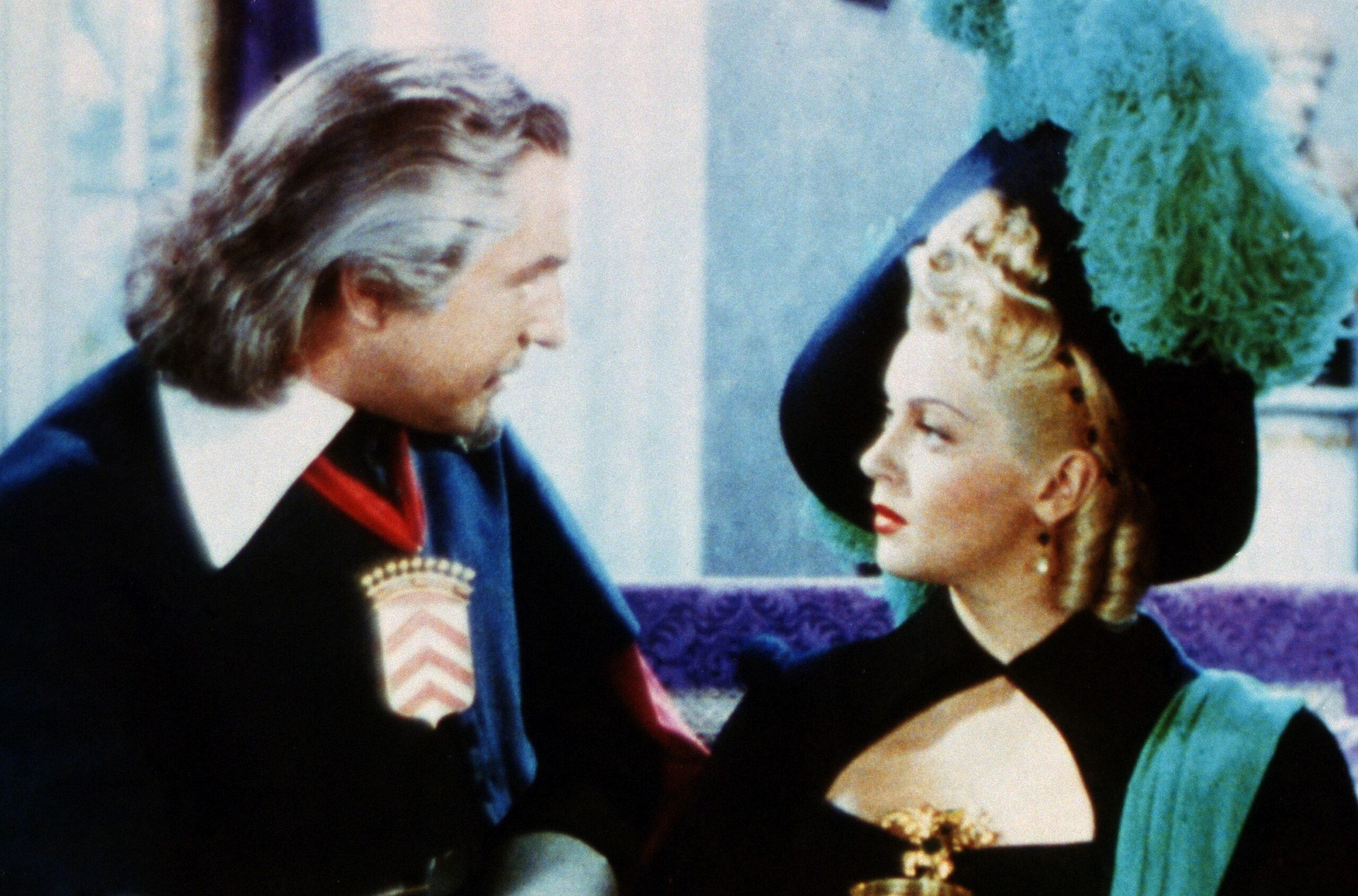
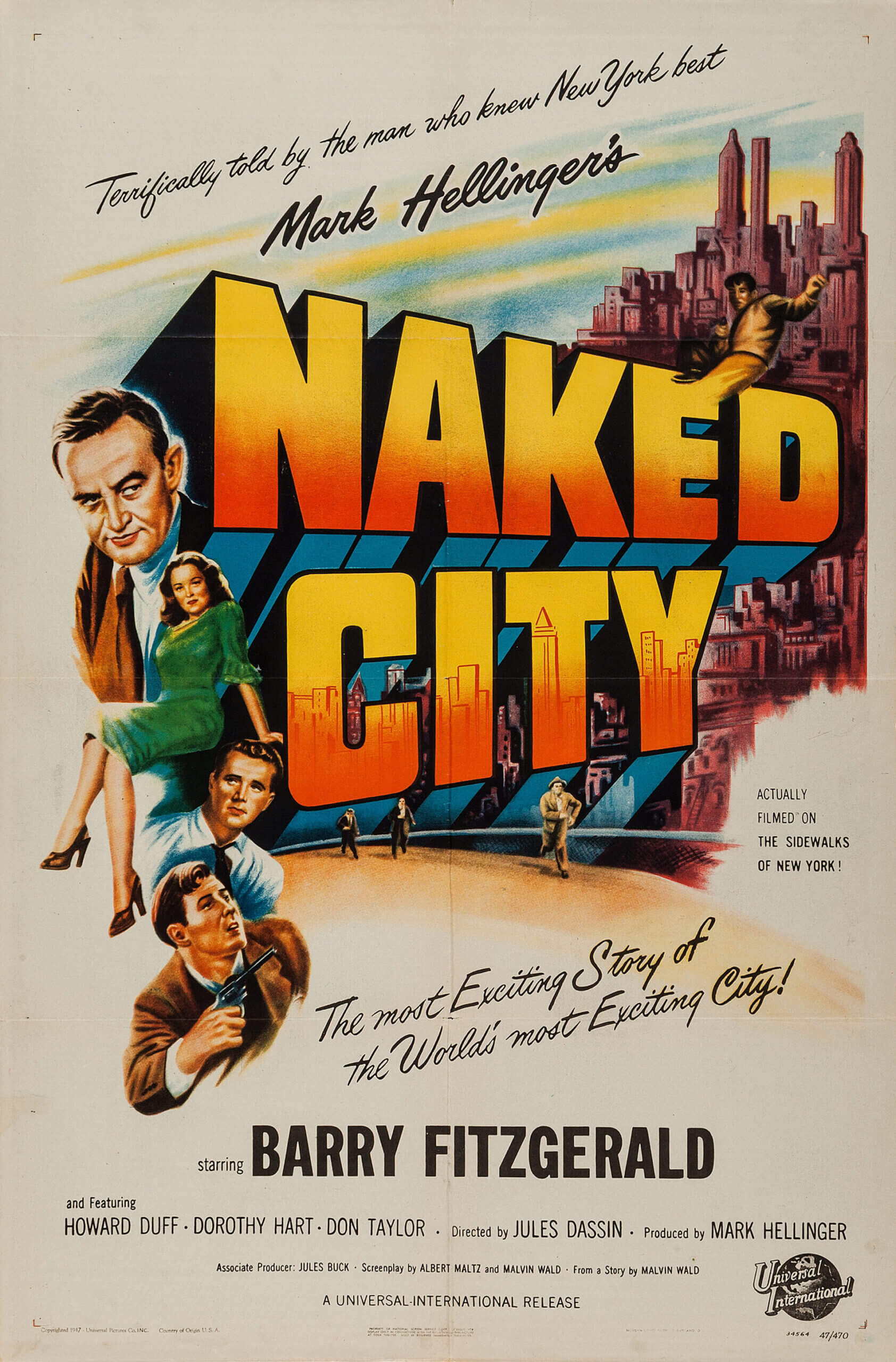
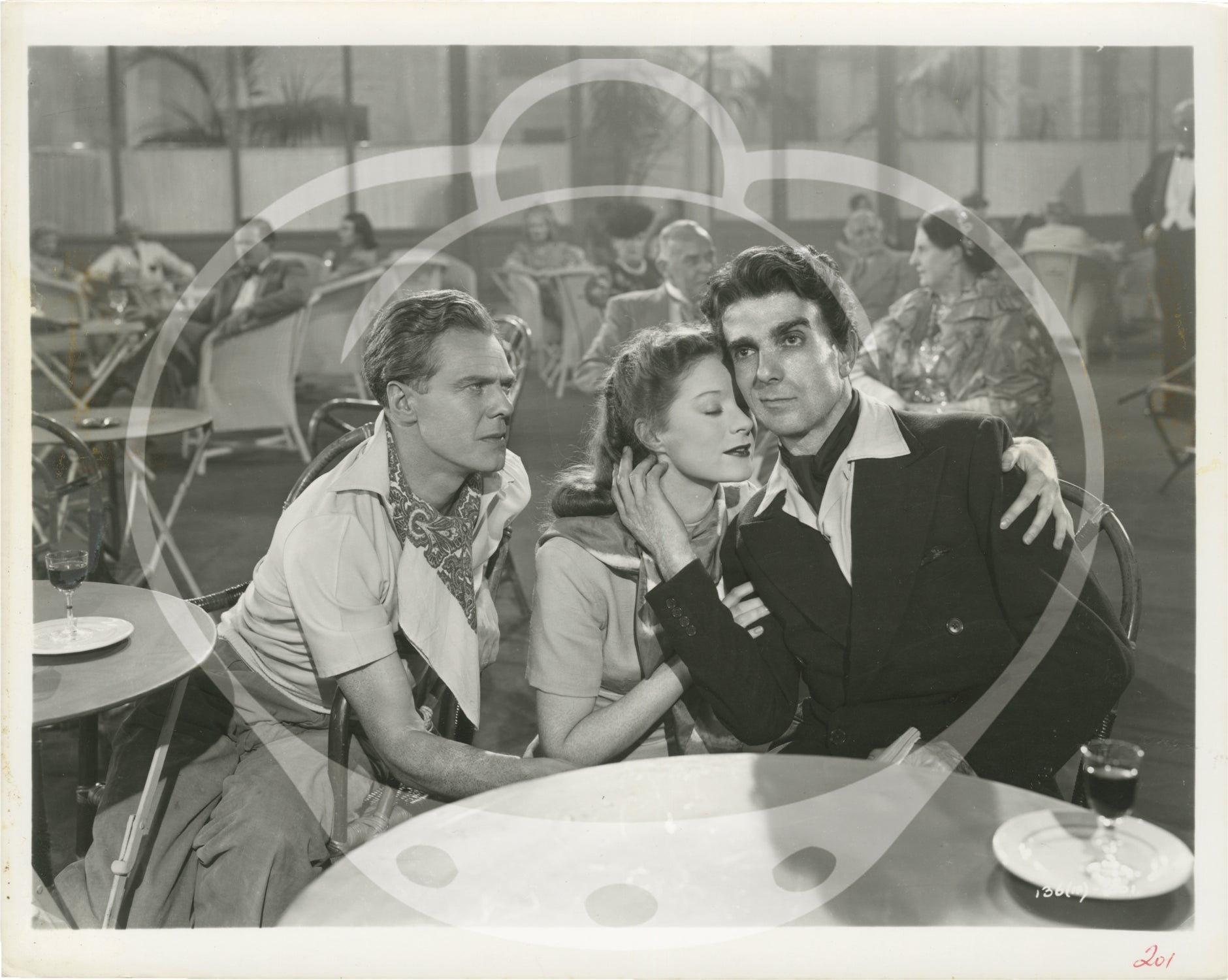
The year 1948 stands as a watershed moment in the history of cinema, characterized by significant industrial shifts, the maturity of the film noir movement, and the emergence of Italian Neorealism on the global stage. For scholars and cinephiles alike, 1948 represents a pivotal transition where post-war anxiety, legislative change, and aesthetic innovation converged to reshape the medium of film permanently.
The Paramount Decree: A Legal Turning Point
Perhaps the most consequential development for the film industry in 1948 was the United States Supreme Court decision in United States v. Paramount Pictures, Inc. This landmark antitrust case essentially dismantled the "studio system" by forcing major production companies to divest themselves of their theater chains.
Before 1948, the "Big Five" studios (MGM, Paramount, Warner Bros., 20th Century Fox, and RKO) practiced vertical integration. They produced films, distributed them, and owned the very theaters where those films were screened. This allowed them to engage in "block booking"—forcing independent theater owners to purchase a package of films that included lesser-quality productions alongside big-budget hits.
The 1948 ruling fundamentally changed the economic landscape of Hollywood. By separating production from exhibition, the Court introduced a more competitive market. For the audience, this meant a gradual decline in the "factory" style of filmmaking that had defined the 1930s and 1940s. Studios, now unable to rely on captive audiences, were forced to focus on higher quality and distinctiveness to draw patrons to the box office, setting the stage for the more fragmented and experimental era of the 1950s.
The Pinnacle of Film Noir
While the industry faced legal upheaval, the artistic output of 1948 was defined by the peak maturity of film noir. This stylistic movement, defined by high-contrast lighting (chiaroscuro), cynical protagonists, and morally ambiguous narratives, found some of its most enduring expressions in this year.
Works like The Lady from Shanghai, directed by Orson Welles, pushed the visual boundaries of the genre. Welles utilized complex camera angles and the iconic mirror maze sequence to underscore themes of fragmentation and disillusionment—hallmarks of the post-war psychological landscape. Similarly, 1948 saw the release of Key Largo, directed by John Huston, which moved noir tropes into a claustrophobic setting, trapping characters in a metaphorical and literal storm.
These films were not merely exercises in style; they were profound commentaries on the American experience in the late 1940s. The returning veteran, the corrupt official, and the femme fatale were archetypes that reflected a society grappling with the trauma of World War II and the looming specter of the Cold War.
The Global Influence: Italian Neorealism
While Hollywood navigated structural changes, the international stage was dominated by the rising tide of Italian Neorealism. By 1948, the movement was firmly established as a dominant artistic force. Vittorio De Sica’s Bicycle Thieves (released in late 1948) serves as the definitive example of this aesthetic.
Neorealism shifted the focus away from the soundstages of Rome and toward the streets. By utilizing non-professional actors, natural lighting, and stories centered on the plight of the working class, directors like De Sica and Roberto Rossellini challenged the polish and artifice of commercial cinema.
Bicycle Thieves is a masterclass in emotional economy. By focusing on a simple, universal task—a man trying to recover a stolen bicycle necessary for his livelihood—De Sica managed to capture the crushing reality of poverty in post-war Italy. The success of this film in global markets forced international audiences and filmmakers to reconsider what constituted "high art" in cinema, leading to a decade of experimentation that would eventually inspire the French New Wave.
Comparative Overview of 1948 Cinematic Trends
The following table categorizes the distinct approaches taken by various film movements in 1948, highlighting the divergence between Hollywood’s commercial model and the growing international realist trend.
| Feature | Hollywood (Studio System) | Italian Neorealism |
|---|---|---|
| Primary Goal | Commercial Entertainment | Social Commentary / Realism |
| Setting | Controlled Soundstages | Natural/On-Location |
| Casting | "Star System" (Contract Actors) | Non-Professional Actors |
| Lighting | High-key or Stylized Noir | Natural/Available Light |
| Thematic Focus | Individual Conflict/Romance | Collective Struggle/Poverty |
| Budgeting | High-budget, Producer-led | Low-budget, Director-led |
Technological and Institutional Evolution
Beyond the aesthetic and legal shifts, 1948 was a year of subtle but important technological refinement. Technicolor was at its zenith, providing vibrant, saturated palettes for big-budget musicals and epics. Simultaneously, the industry was beginning to explore the economic efficiency of smaller, more mobile camera setups, largely influenced by the documentarian traditions of the war years.
The institutional stability of the industry was also being tested by the early influence of television. While the true impact of the television set in every home was still a few years away, industry executives were already sensing a shift in consumer habits. 1948 saw studios beginning to experiment with longer runtimes and more "spectacular" visuals to distinguish the theatrical experience from the increasingly available—albeit crude—television programming.
Challenges for Researchers: Preserving 1948
For those investigating the films of 1948 today, the primary challenge is preservation. Many films from this era, particularly those produced by smaller outfits or those caught in the legal limbo of the Paramount Decree divestitures, are at risk of chemical deterioration.
Digital restoration has become the gold standard for archivists. When viewing a 1948 film in 2026, it is common to view a 4K restoration. These projects involve painstaking frame-by-frame cleaning, color grading to match original film stock specifications, and the removal of physical artifacts like dust, scratches, and mold.
Recommended Steps for Film Students
- Source Selection: Rely on archives like the Library of Congress or the British Film Institute (BFI) for definitive versions.
- Technical Context: Always check the aspect ratio. Most films from 1948 were shot in the Academy ratio (1.37:1), which provides a more square-shaped frame than modern widescreen formats.
- Primary Documents: Utilize trade magazines from 1948, such as Variety or The Hollywood Reporter, to understand how these films were marketed to their original audiences.
Frequently Asked Questions
Why is 1948 considered a turning point for film distribution? The Supreme Court ruling in United States v. Paramount Pictures ended vertical integration. By forcing studios to sell their theaters, the court effectively ended the era where studios could guarantee a profit by forcing their own products into their own screens.
How did the political climate of 1948 affect film production? The emergence of the House Un-American Activities Committee (HUAC) led to the Hollywood Blacklist. Starting in 1947 and intensifying in 1948, the industry began distancing itself from any artists perceived to have communist leanings, resulting in the termination of contracts and a chilling effect on political themes in scripts.
Was Bicycle Thieves popular in the United States in 1948? While critically acclaimed upon its release, it was initially a niche success. It gradually gained massive status through international film festivals and critical circles, eventually becoming one of the most studied films in cinematic history.
What is the "Academy ratio" and why does it matter for 1948 films? The Academy ratio is a 1.37:1 frame dimension established by the Academy of Motion Picture Arts and Sciences. It is the authentic framing for nearly all films produced in 1948. Watching these films on modern widescreen TVs often requires either side-pillarboxing or aggressive cropping, which can ruin the original composition intended by the cinematographer.
How does 1948 film influence modern 2026 cinema? Modern directors frequently cite the lighting techniques of 1948 noir and the documentary-style authenticity of Italian Neorealism as the foundation for their visual language. The tension between the "spectacle" of the studio system and the "truth" of independent realism remains the core dialectic of contemporary film production.
Next Actions for Enthusiasts
If you are interested in exploring the cinematic landscape of 1948, start by curating a double feature that showcases the contrast of the year: pair an American film noir like The Lady from Shanghai with an Italian Neorealist masterpiece like Bicycle Thieves. Pay close attention to the way each uses lighting and location to frame the human condition. For deeper study, examine the legal documents regarding the Paramount Decree to understand how these films were prevented from reaching their full potential reach in the mid-20th century. By grounding your viewing in this historical and industrial context, you move beyond mere consumption and into a true understanding of the art form's evolution.