The year 1969 is historically defined by the Tate-LaBianca murders committed by the Manson Family, several canonical attacks by the Zodiac Killer, and the killing of Meredith Hunter at the Altamont Free Festival. These high-profile violent events collectively shattered the era’s "Summer of Love" optimism, fundamentally altering American social security practices and the public's perception of the counterculture movement.
The Cultural Landscape of 1969
To understand the 1969 murders, one must first look at the sociocultural environment of the time. The United States was in a state of extreme flux. While the Apollo 11 moon landing and the Woodstock festival offered glimpses of human achievement and communal harmony, the escalating Vietnam War and domestic civil unrest created an underlying tension.
The murders that occurred in 1969 were not just isolated criminal acts; they were perceived as direct assaults on the American dream. The violence was often seemingly random or ritualistic, which terrified a public accustomed to more traditional criminal motives. By the time the decade closed, the sense of safety that had characterized suburban and affluent American life had been irrevocably compromised.
The Manson Family and the Tate-LaBianca Murders
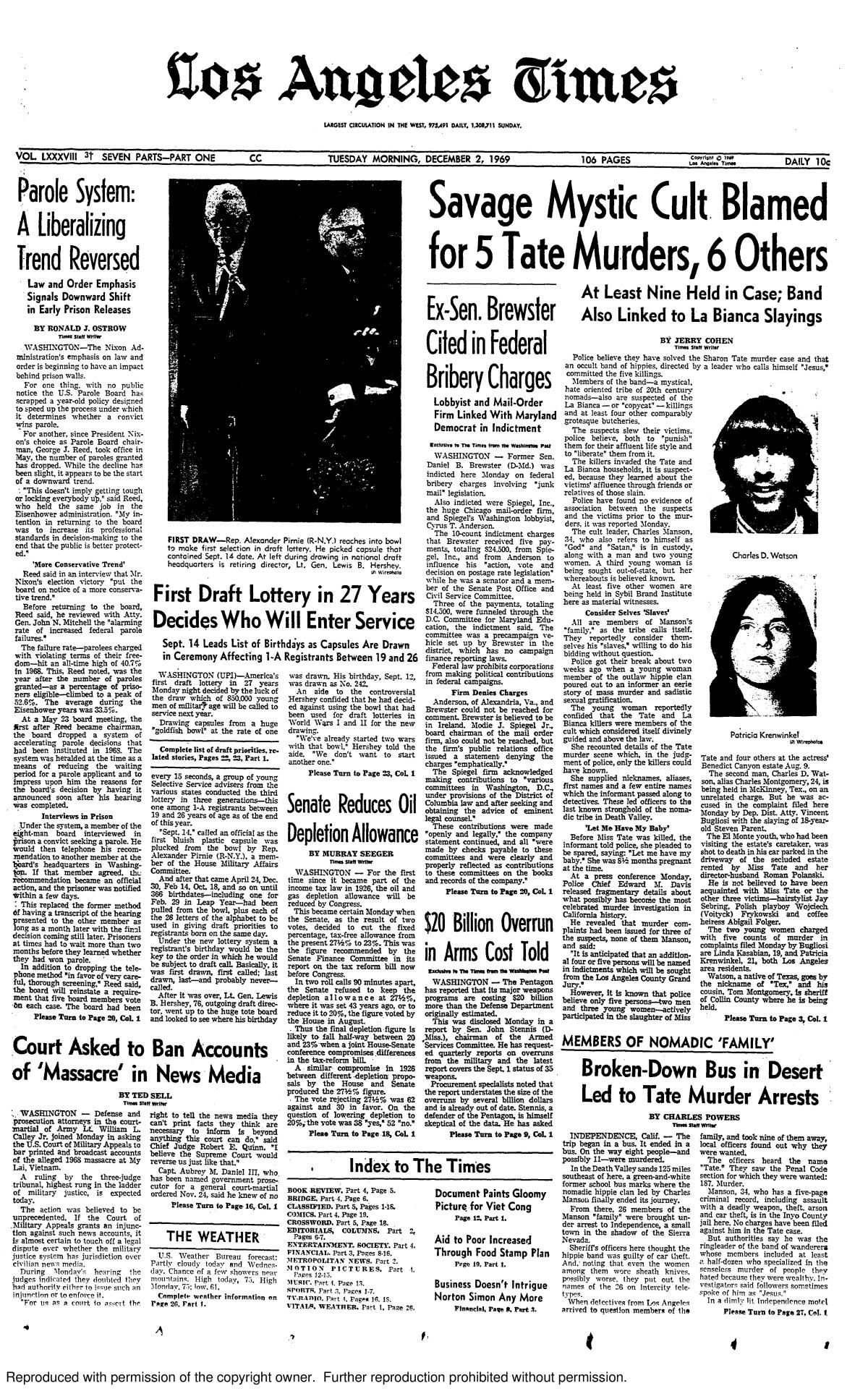
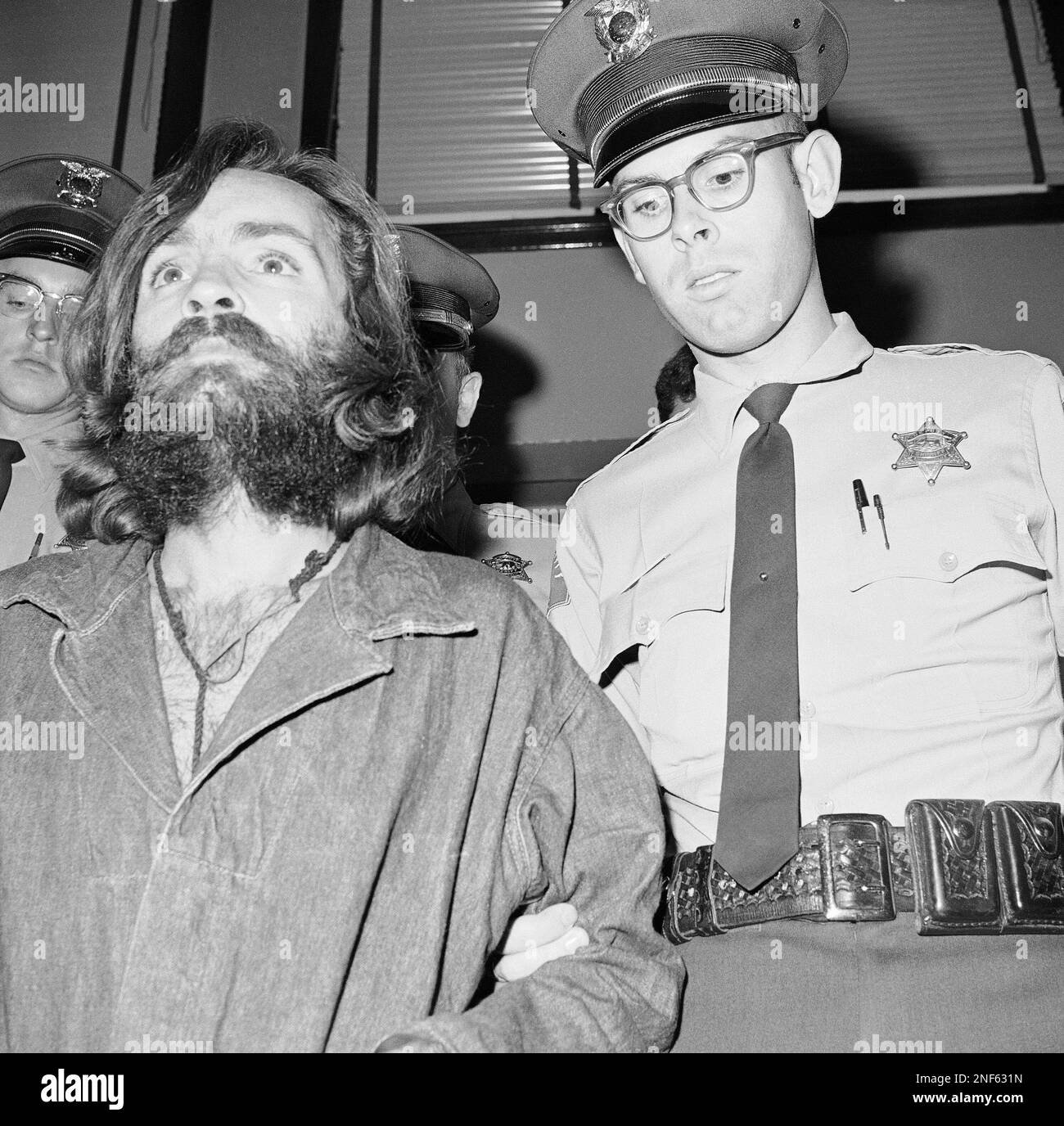
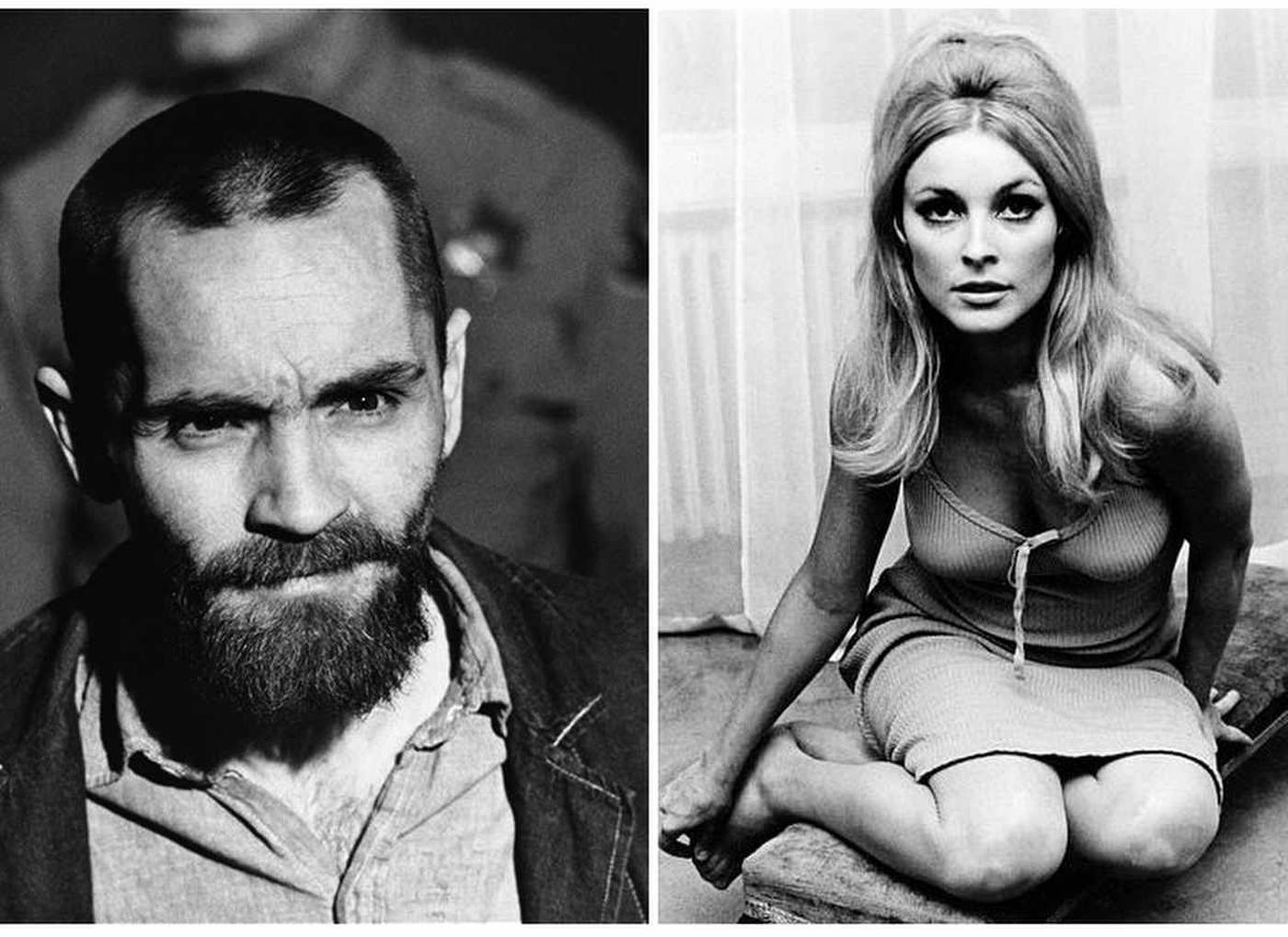
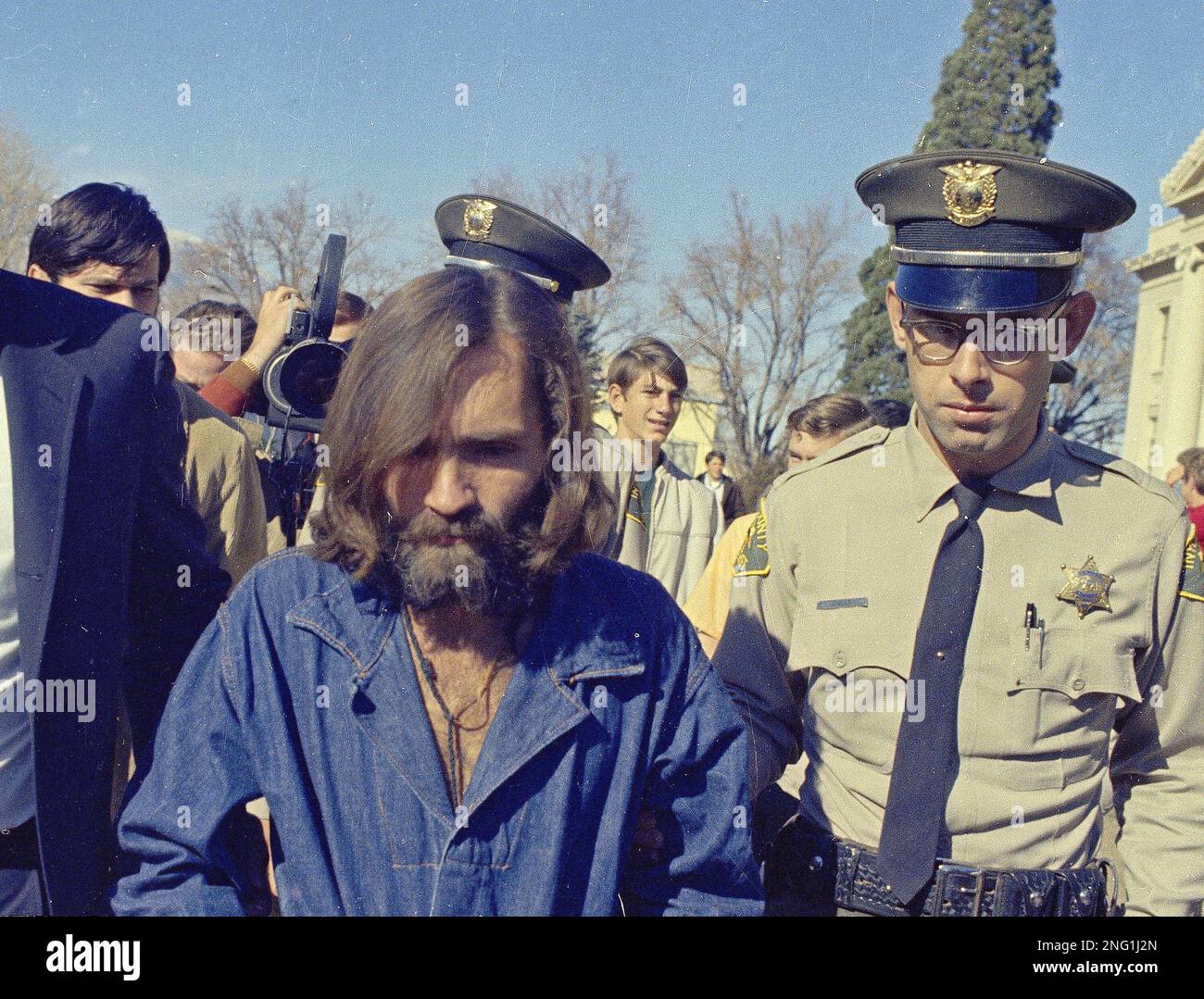
The most notorious murders of 1969 occurred on the nights of August 9 and 10 in Los Angeles. These crimes, orchestrated by cult leader Charles Manson, remain among the most analyzed in criminal history due to their brutality and the bizarre ideology behind them.
The Massacre at 10050 Cielo Drive
On the night of August 8 into the early morning of August 9, 1969, Manson directed four of his followers—Tex Watson, Susan Atkins, Patricia Krenwinkel, and Linda Kasabian—to a home in Benedict Canyon. The house, located at 10050 Cielo Drive, was being rented by film director Roman Polanski and his pregnant wife, actress Sharon Tate.
The victims that night included:
- Sharon Tate: 26 years old and eight-and-a-half months pregnant.
- Jay Sebring: A prominent celebrity hairstylist.
- Abigail Folger: Heiress to the Folger coffee fortune.
- Wojciech Frykowski: An aspiring screenwriter and friend of Polanski.
- Steven Parent: An 18-year-old who was visiting the property's caretaker and was killed in his car while attempting to leave.
The victims were shot and stabbed multiple times. The word "PIG" was written in Tate's blood on the front door. The randomness and ferocity of the attack sent shockwaves through Hollywood, leading many celebrities to install expensive security systems or flee the city entirely.
The LaBianca Murders
Dissatisfied with the "sloppiness" of the previous night’s events, Charles Manson accompanied several followers on August 10 to the home of grocery executive Leno LaBianca and his wife Rosemary in the Los Feliz section of Los Angeles. Manson himself assisted in tying up the couple before leaving the scene and instructing Tex Watson, Patricia Krenwinkel, and Leslie Van Houten to carry out the killings.
The LaBiancas were stabbed dozens of times. Phrases such as "Rise," "Death to Pigs," and "Healter Skelter" (misspelled) were written in blood on the walls and refrigerator.
The "Helter Skelter" Motive
The primary motive, as presented by prosecutor Vincent Bugliosi during the 1970 trial, was Manson’s belief in "Helter Skelter." Manson interpreted lyrics from the Beatles' White Album as a prophecy of an impending apocalyptic race war. He believed that by committing these murders and framing Black activists, he could ignite the conflict, after which his "Family" would emerge from a desert hideout to rule the world.
The Zodiac Killer’s 1969 Attacks
While Los Angeles dealt with the Manson Family, Northern California was terrorized by a different kind of predator: the Zodiac Killer. Unlike Manson, the Zodiac acted alone or in a much more secretive manner, and his primary tool of terror was the media.
In 1969, the Zodiac transitioned from a mysterious killer to a regional nightmare through a series of attacks and cryptic letters sent to the San Francisco Chronicle and other newspapers.
Blue Rock Springs Park (July 4, 1969)
On the Fourth of July, Darlene Ferrin and Michael Mageau were sitting in a parked car in Vallejo when a man approached and opened fire. Ferrin was killed, while Mageau survived despite sustaining multiple gunshot wounds. Shortly after the attack, a man called the Vallejo Police Department to claim responsibility for the shooting and for the 1968 murders of David Faraday and Betty Lou Jensen.
Lake Berryessa (September 27, 1969)
In a chilling daytime attack, Bryan Hartnell and Cecelia Shepard were picnicking at Lake Berryessa in Napa County when they were approached by a man wearing a black hood with a white cross-circle symbol. The man tied them up and stabbed them repeatedly. Shepard died from her injuries, while Hartnell survived. The killer left a message written on the door of Hartnell’s car, including the dates of his previous attacks.
The Murder of Paul Stine (October 11, 1969)
The Zodiac’s final confirmed murder occurred in the Presidio Heights neighborhood of San Francisco. Taxi driver Paul Stine was shot in the head after picking up a passenger. This murder was significant because it took place in a crowded urban area, and three witnesses provided a description of the suspect. A few days later, the Zodiac mailed a piece of Stine’s blood-stained shirt to the San Francisco Chronicle to prove his identity.
As of 2026, the identity of the Zodiac Killer remains one of the most famous unsolved mysteries in American history. Despite advances in DNA technology and forensic genealogy, the case continues to generate intense debate and investigation.
The Death of Meredith Hunter at Altamont
The year ended with a tragedy that many historians cite as the official "death" of the 1960s. On December 6, 1969, the Altamont Free Festival was held in Northern California. Headlined by The Rolling Stones, the event was intended to be a "Woodstock West."
However, poor planning and the decision to hire the Hells Angels motorcycle club to provide "security" led to disaster. Throughout the day, the crowd of 300,000 was plagued by violence and bad drug trips. During the Rolling Stones' set, 18-year-old Meredith Hunter allegedly drew a long-barreled revolver near the stage. He was quickly tackled and stabbed to death by Alan Passaro, a member of the Hells Angels.
The murder, captured on film for the documentary Gimme Shelter, stood in stark contrast to the peaceful atmosphere of Woodstock just four months earlier. It highlighted the dark undercurrents of the counterculture and the dangers of the era’s lawlessness.
Comparison of Major 1969 Homicide Events
The following table compares the three most significant homicide events of 1969, illustrating the differences in motive, victimology, and legal outcomes.
| Feature | Manson Family (Tate-LaBianca) | The Zodiac Killer | Altamont (Meredith Hunter) |
|---|---|---|---|
| Primary Location | Los Angeles, CA | Northern California | Tracy, CA (Altamont Speedway) |
| Number of Victims | 7 (in Aug 1969) | 3 confirmed (in 1969) | 1 (Homicide only) |
| Stated Motive | "Helter Skelter" (Race War) | Pursuit of notoriety/infamy | Self-defense (Claimed) |
| Weaponry | Knives, handguns | Handguns, knives | Knife |
| Perpetrator Status | Convicted (Manson, Watson, et al.) | Unidentified / Unsolved | Acquitted (Alan Passaro) |
| Cultural Impact | End of "Open House" culture in LA | Rise of forensic profiling | Death of the "Peace and Love" era |
| Key Evidence | Fingerprints, witnesses (Kasabian) | Ciphers, letters, blood-stained fabric | Film footage (Gimme Shelter) |
Other Notable Murders of 1969
Beyond the headline-grabbing cases, 1969 saw several other murders that reflected the era's complexities.
The Murder of Reet Jurvetson (Jane Doe 59)
In November 1969, the body of a young woman was found off Mulholland Drive in Los Angeles. She had been stabbed over 150 times. For decades, she was known only as "Jane Doe 59." It wasn't until 2016 that DNA testing identified her as Reet Jurvetson, a 19-year-old from Montreal who had traveled to Los Angeles. While many suspected a connection to the Manson Family due to the location and timing, no definitive link was ever proven, and the case remains technically unsolved.
The Murder of Betsy Aardsma
On November 28, 1969, Betsy Aardsma, a graduate student at Pennsylvania State University, was stabbed to death in the stacks of the university library. The murder was particularly shocking because it occurred in a public building during business hours, yet there were no witnesses to the actual stabbing. Despite numerous theories involving fellow students or professors, the case remains one of the most prominent cold cases in Pennsylvania history.
The Investigative and Legal Legacy
The murders of 1969 prompted significant changes in how law enforcement approached mass murder and serial killings.
- Forensic Advancements: The failure to link the Tate and LaBianca scenes immediately due to poor inter-departmental communication led to the modernization of crime scene management and information sharing between the LAPD and the LA County Sheriff’s Department.
- Psychological Profiling: The Zodiac Killer’s behavior—sending letters to the media and taunting police—provided early data points for what would eventually become the FBI’s Behavioral Science Unit.
- Security Culture: Before 1969, it was common for residents in affluent Los Angeles neighborhoods to leave their doors unlocked. The Tate-LaBianca murders ended this practice, giving birth to the modern private security industry.
- Parole Laws: The repeated parole hearings for Manson Family members like Leslie Van Houten and Patricia Krenwinkel sparked decades of debate regarding the eligibility of cult followers for release, often leading to stricter parole guidelines for high-profile violent offenders.
Frequently Asked Questions
Why did the 1969 murders change the American psyche?
The murders of 1969 were viewed as a violation of the "safe spaces" of the era. Whether it was a celebrity home in Benedict Canyon, a picnic at a lake, or a music festival, the violence suggested that nowhere was safe. This ended the innocence associated with the 1960s and ushered in the more cynical, security-conscious 1970s.
Was Charles Manson ever caught for a specific murder he committed?
Charles Manson was convicted of first-degree murder and conspiracy to commit murder for the deaths at Cielo Drive and the LaBianca home, as well as the murders of Gary Hinman and Donald "Shorty" Shea. Under California law, a person who induces or commands others to commit a crime is as guilty as the person who physically performs the act. Manson died in prison in 2017.
Did the Zodiac Killer stop killing after 1969?
While the Zodiac’s last confirmed murder was Paul Stine in October 1969, he continued to send letters until at least 1974. He claimed to have killed as many as 37 people, but law enforcement has only confirmed five murders and two attempted murders. Some researchers believe he may have been responsible for disappearances and killings well into the 1970s.
Are any members of the Manson Family still in prison in 2026?
As of 2026, most of the primary participants in the August 1969 murders have either died or been released. Charles Manson died in 2017, and Susan Atkins died in 2009. Leslie Van Houten was granted parole and released in July 2023. Patricia Krenwinkel remains incarcerated but has been recommended for parole several times, often facing reversals by the governor. Tex Watson remains in prison.
What is the significance of the "Jane Doe 59" case?
The case of Reet Jurvetson (Jane Doe 59) is significant because it highlights the sheer volume of "runaway" culture in 1969. Thousands of young people traveled to California to join the counterculture, often disappearing without a trace. Her identification decades later via DNA provided closure to her family but also served as a reminder of the many unsolved crimes from that volatile year.
Recommendations for Further Research
For those interested in the legal and social ramifications of these events, several primary sources and authoritative accounts are available:
- Helter Skelter by Vincent Bugliosi: The definitive account of the Manson Family trial from the perspective of the lead prosecutor.
- Zodiac by Robert Graysmith: Although some of its conclusions are debated, it remains the most comprehensive chronological account of the Zodiac investigation.
- The 1969 LAPD and SFPD Archive Records: Many original police reports and crime scene photos have been digitized and are available through historical archives for academic research.
- DNA and Forensic Genealogy Databases: Organizations like NamUs (National Missing and Unidentified Persons System) continue to work on unidentified remains from the late 1960s.
The murders of 1969 serve as a dark coda to a decade that promised peace but ended in unprecedented domestic terror. Understanding these crimes is essential for anyone studying the evolution of American criminal justice and the cultural history of the 20th century.