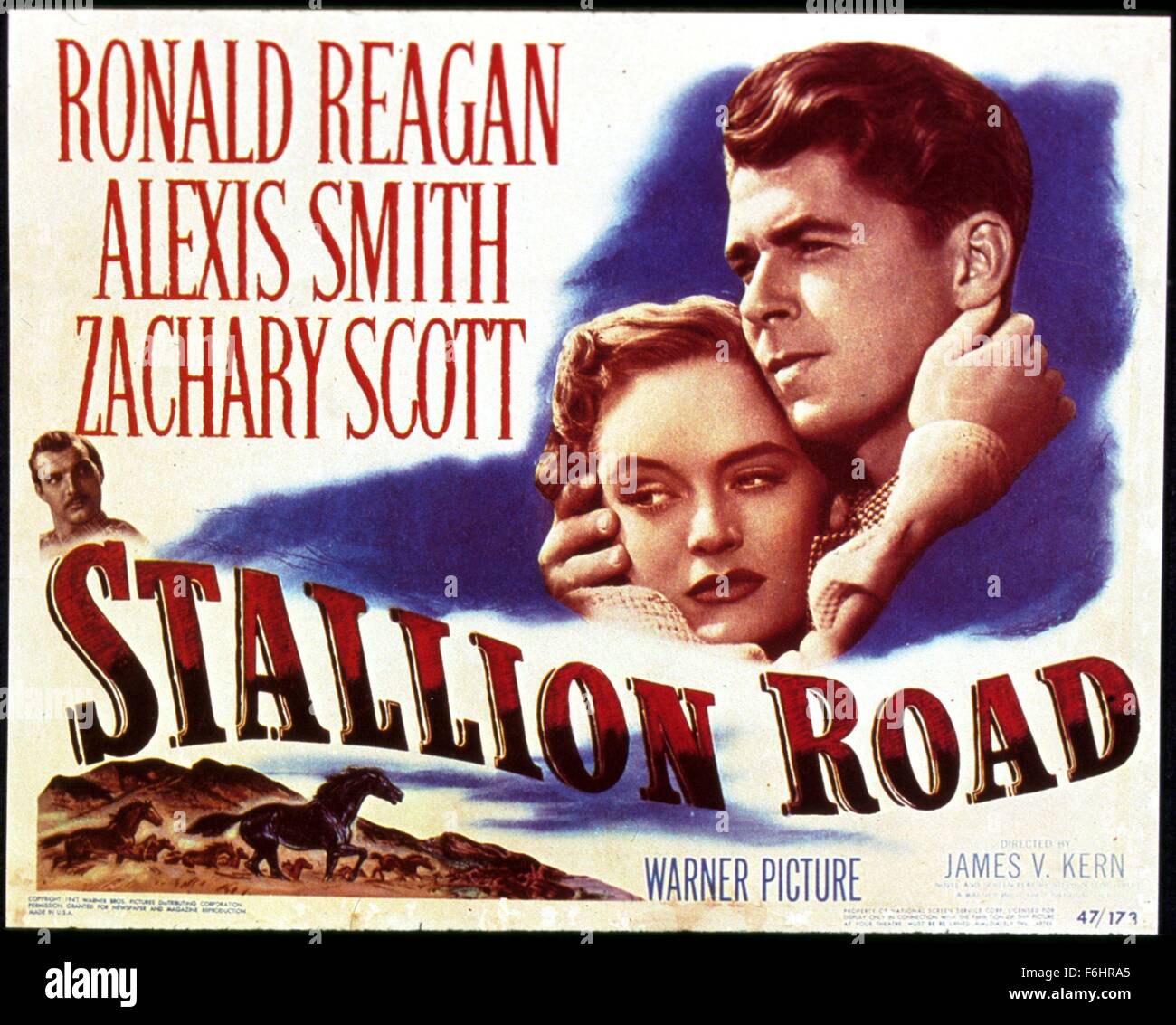
The term "1947 film" refers to the body of motion pictures released during a pivotal transitional year for the global film industry, characterized by the peak of American film noir, the maturation of post-war European neorealism, and significant shifts in studio production models. This era is historically defined by high artistic achievement, the onset of the Red Scare in Hollywood, and the introduction of groundbreaking cinematic techniques.
Historical Significance of the 1947 Cinematic Landscape
The year 1947 holds a unique position in film history. As the world emerged from the shadow of World War II, cinema acted as both a mirror to the anxieties of the post-war era and a vehicle for escapism. In the United States, the studio system—often referred to as the "Golden Age" of Hollywood—was operating at maximum capacity, yet it faced mounting pressures from federal antitrust litigation and the emerging influence of the House Un-American Activities Committee (HUAC).
The Dominance of Film Noir
By 1947, film noir had cemented itself as the dominant stylistic trend in American cinema. These films were marked by their cynical worldviews, moral ambiguity, and distinctive visual style, characterized by high-contrast lighting (chiaroscuro) and urban settings. This aesthetic was heavily influenced by German Expressionism, brought to Hollywood by European directors fleeing the political turmoil of the previous decade.
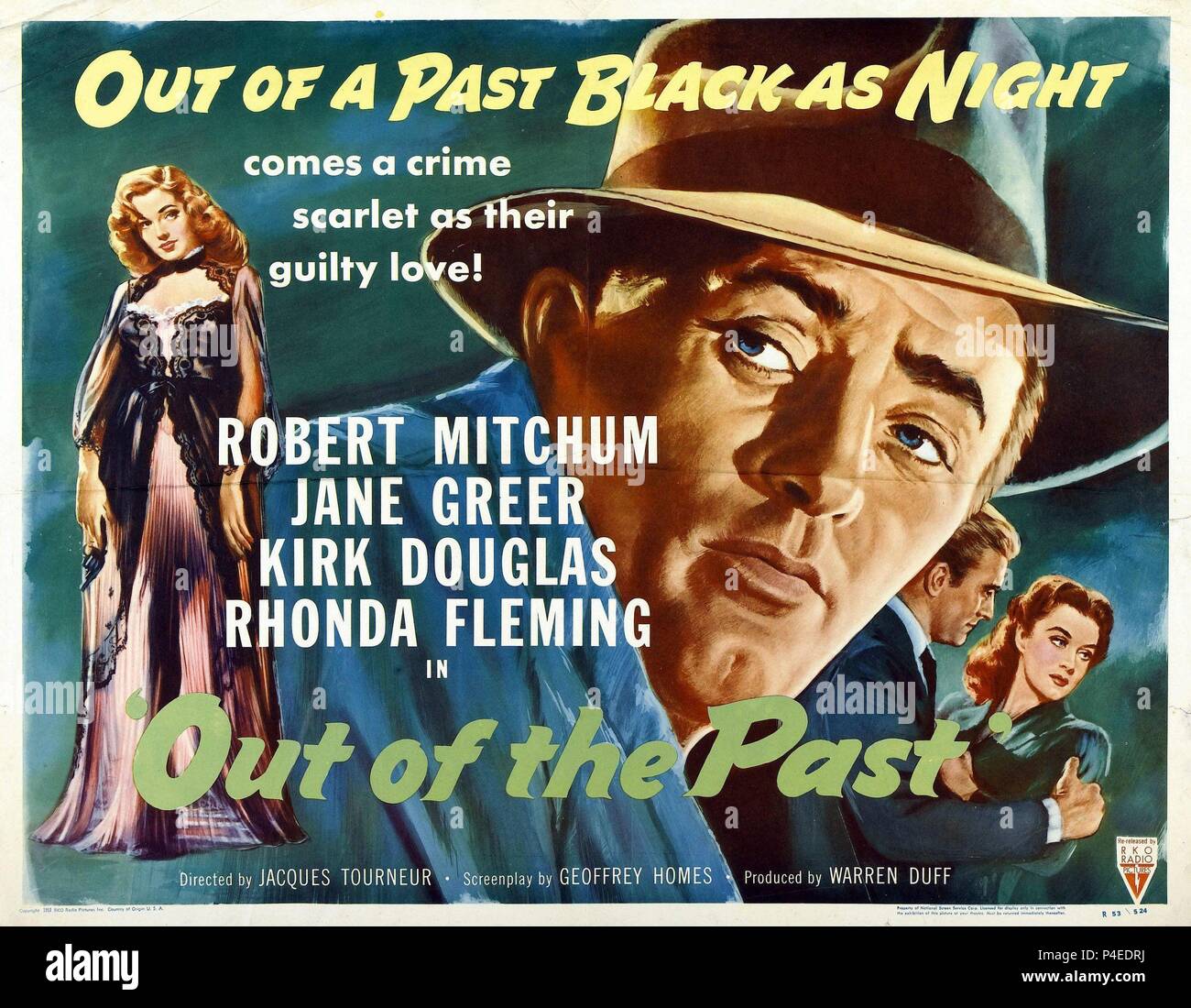
Key examples from 1947 include Out of the Past, directed by Jacques Tourneur, which is frequently cited as the quintessential noir film. Its complex narrative structure and iconic performances defined the genre's standard for years to come. Other notable titles, such as Dead Reckoning and Brute Force, showcased the gritty, fatalistic narratives that audiences craved during the late 1940s.
International Developments: Neorealism
While Hollywood focused on polished, high-budget studio productions, European cinema was experiencing a renaissance characterized by Italian Neorealism. This movement rejected the artifice of studio sets in favor of on-location shooting, non-professional actors, and stories rooted in the struggles of the working class.
The influence of these films began to cross the Atlantic in 1947, challenging American directors to consider more realistic approaches to storytelling. This cross-pollination of styles would eventually lay the groundwork for the independent film movements of the 1950s and 1960s.
Structural Changes in the Industry
The year 1947 marked the beginning of a decline in the absolute power of the major studios. Two primary factors influenced this shift:
- The Paramount Decree: The United States Supreme Court's ongoing investigation into the vertical integration of the studio system reached a boiling point in 1947. This led to the eventual requirement that studios sell their theater chains, ending the practice of "block booking" and allowing for more diverse theater programming.
- The HUAC Hearings: The commencement of the HUAC investigations in October 1947 sent shockwaves through the industry. The resulting "Hollywood Ten" hearings signaled the start of a period of censorship and political pressure that would alter the themes and personnel of studio productions for over a decade.
Notable Films Released in 1947
The quality of output in 1947 was remarkably high, with a mix of lighthearted musicals, grand epics, and introspective dramas. Below is a comparison of some of the most influential films released during this period.
| Film Title | Genre | Director | Key Impact |
|---|---|---|---|
| Out of the Past | Film Noir | Jacques Tourneur | Defines the visual and narrative style of noir. |
| Miracle on 34th Street | Fantasy/Comedy | George Seaton | Remains a cultural staple of holiday cinema. |
| Gentleman's Agreement | Drama | Elia Kazan | Addressed anti-Semitism in America; won Best Picture. |
| Black Narcissus | Psychological Drama | Powell and Pressburger | Renowned for its vivid Technicolor cinematography. |
| Great Expectations | Period Drama | David Lean | A landmark in British literary adaptation. |
Technical Advancements and Cinematography
1947 was a year of refinement for black-and-white cinematography. The mastery of lighting techniques developed during the war years allowed cinematographers to create immense depth and mood within studio-bound sets.
In contrast, the use of Technicolor continued to evolve, moving away from garish, overly saturated palettes toward more subtle, evocative storytelling tools. Black Narcissus (1947) serves as the primary evidence of this maturation; the film won Academy Awards for Best Cinematography and Best Art Direction, demonstrating how color could be used to reflect the internal psychological states of characters rather than simply reproducing reality.
Understanding the "Golden Age" Appeal for Modern Audiences
For the modern viewer or film researcher in 2026, 1947 films offer more than mere nostalgia. They provide a foundational education in visual literacy.
Why Study 1947 Cinema Today?
- Narrative Economy: Screenplays from the late 1940s are renowned for their tight pacing and efficient dialogue, which serves as a masterclass for contemporary writers.
- Visual Composition: Without the benefit of modern CGI, directors relied on staging and camera movement to create tension. This creates a tangible, "lived-in" quality that distinguishes these films from many modern productions.
- Cultural Artifacts: These films capture a specific moment in the mid-century psyche, reflecting both the optimism of the post-war boom and the underlying fears of the burgeoning Cold War.
Common Challenges for Preservation and Access
Accessing high-quality versions of films from 1947 in 2026 can sometimes be difficult. While major studio releases have received extensive restoration, lesser-known titles often suffer from degradation of original celluloid prints.
Verification and Restoration
When seeking to watch or study these films, prioritize versions labeled as "Restored" or "4K Remastered." Organizations like the Criterion Collection, the British Film Institute (BFI), and the UCLA Film & Television Archive are the gold standards for ensuring that the original aspect ratio, color timing, and audio fidelity are preserved. If a film is listed as being in the public domain, it is often a low-quality transfer; always cross-reference the source with official archive databases to ensure you are seeing the intended image.
Frequently Asked Questions
Why is 1947 considered a turning point for Hollywood?
1947 represents the collision of the peak of the studio system with the reality of its impending dissolution. The combination of the Paramount Decree and the political pressures of the Red Scare forced a fundamental shift in how films were produced, distributed, and thematic content was curated.
Which film won the Academy Award for Best Picture in 1947?
Gentleman's Agreement, directed by Elia Kazan, won the Academy Award for Best Picture at the 20th Academy Awards, held in 1948. It was a groundbreaking production for its direct confrontation of systemic anti-Semitism in American society.
How did Italian Neorealism impact 1947 American films?
While American films remained largely studio-centric in 1947, the critical success of Italian works such as Rome, Open City (released in the US in the mid-40s) introduced the idea that "realism" could be a commercial and artistic asset, slowly influencing the next generation of American filmmakers.
Are there color films from 1947?
Yes, Technicolor was highly prevalent in 1947. While film noir relied on black-and-white to build atmosphere, major prestige dramas and musicals of the era utilized vibrant, high-fidelity color processes that remain visually stunning even by 2026 standards.
How can I find restored 1947 films for research?
Check the catalogs of established film archives and reputable home media distributors. Avoid unauthorized digital streams, which frequently utilize poor-quality, cropped, or color-graded transfers that misrepresent the original intent of the cinematography.
Next Steps for Enthusiasts and Researchers
If you are interested in exploring the cinema of this year, start by selecting one representative film from each major genre mentioned: a noir (such as Out of the Past), a prestige drama (Gentleman's Agreement), and a international masterpiece (Black Narcissus). Comparing the lighting, staging, and acting styles across these three films will provide a comprehensive understanding of the high-water mark that 1947 represented for the global motion picture industry. For academic research, consult the Academy of Motion Picture Arts and Sciences' Margaret Herrick Library, which maintains comprehensive records of 1947 production files.