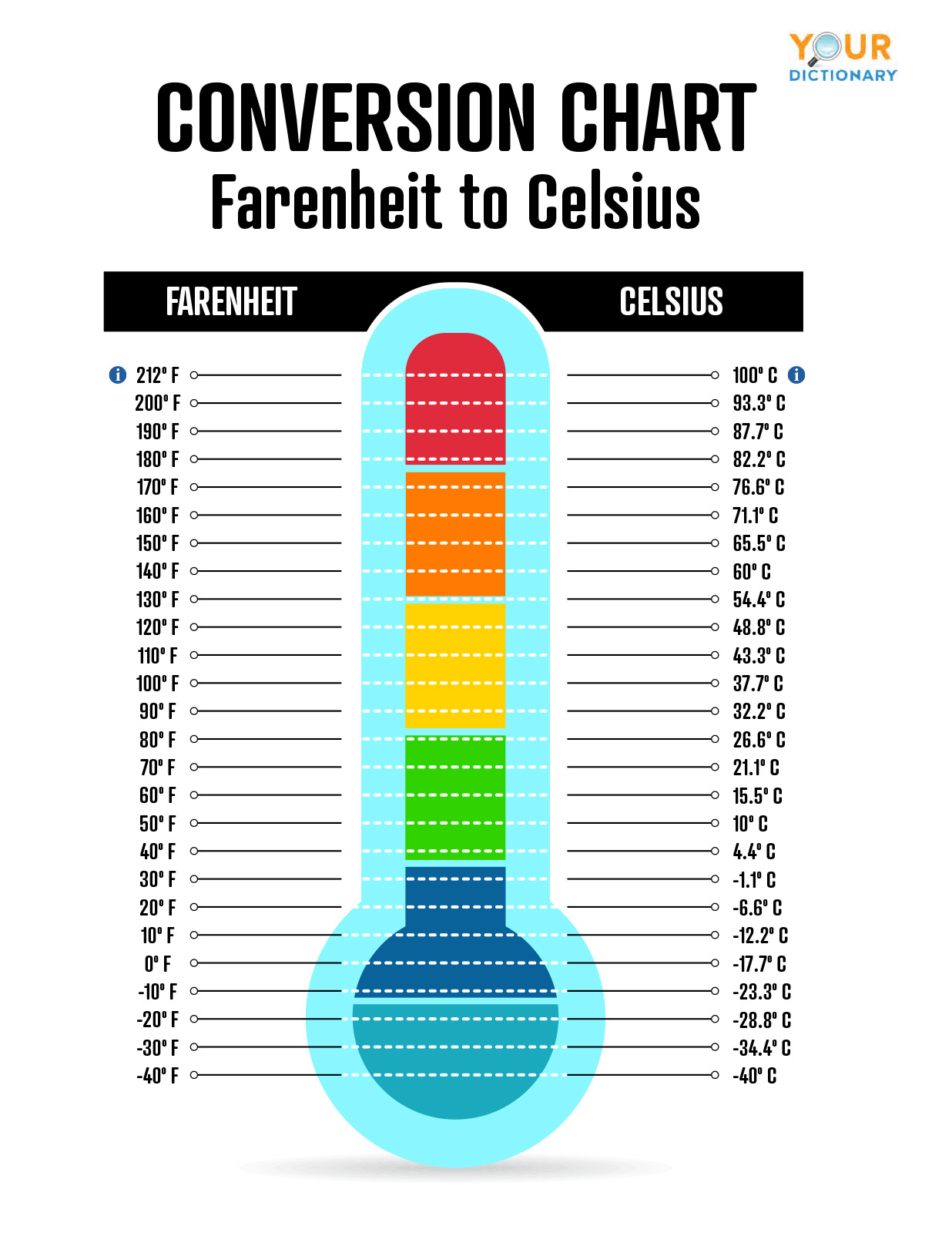
Setting your home or workplace thermostat to 16 degrees Celsius is a specific environmental strategy often associated with energy conservation, overnight sleeping conditions, or specialized storage requirements. While this temperature is significantly cooler than the standard 20–22 degrees recommended for general living spaces, it serves as a critical threshold for reducing heating costs, preventing pipe freezing, and maintaining specific indoor climates during the winter months.
The Context of 16 Degrees in Domestic Heating
In many regions, particularly across Europe and North America, 16 degrees Celsius is frequently cited as the minimum recommended temperature to maintain to ensure the health of a building. When a home is allowed to drop below this threshold, the risk of condensation and subsequent mold growth increases significantly. Warm, moist air from occupants or activities like cooking and showering inevitably finds cooler surfaces—such as external walls or windows—where it reaches its dew point and condenses into liquid water.
Maintaining a baseline of 16 degrees ensures that internal wall temperatures remain high enough to minimize this condensation. This is not merely a matter of comfort but a fundamental aspect of building maintenance. By keeping the thermal mass of the structure at a consistent, albeit low, temperature, you prevent the cooling cycles that lead to dampness and structural degradation over the long term.
Energy Efficiency and Economic Impact
From a financial perspective, adjusting a thermostat to 16 degrees is a common tactic for lowering utility bills. Thermodynamics dictates that the rate of heat loss from a building is proportional to the temperature difference between the interior and the exterior. By reducing the indoor set point, you decrease the delta between the inside and outside, effectively slowing the rate at which your home loses heat to the environment.
Comparative Heating Costs
The following table illustrates the conceptual impact of maintaining lower temperatures versus standard comfort levels. Note that savings are dependent on local energy costs, insulation quality, and external weather conditions.
| Temperature Set Point | Energy Usage Level | Primary Usage Case | Risk Factors |
|---|---|---|---|
| 16°C | Low | Nighttime/Unoccupied | High risk of condensation |
| 18°C | Moderate | Minimal activity zones | Moderate risk of dampness |
| 20°C | High | Standard living comfort | Low risk |
| 22°C | Very High | Elderly/Infant care | None (if well-ventilated) |
Managing Comfort at 16 Degrees
Living or working in a 16-degree environment requires a different approach to thermal management. Because the human body radiates heat, a room temperature of 16 degrees will feel distinctly "cool" to most sedentary individuals. To maintain comfort at this level, occupants must rely on localized heating or personal insulation rather than ambient air temperature.
Strategies for Success
- Layered Clothing: The most effective way to tolerate a 16-degree environment is to increase personal insulation. High-quality base layers, wool sweaters, and fleece-lined indoor footwear significantly change the perception of the temperature.
- Localized Heat Sources: Instead of heating the entire volume of a room to 20 degrees, use localized heating such as a heated blanket, an electric foot warmer, or a small ceramic space heater directed at the specific area where you are working or relaxing.
- Preventing Drafts: At 16 degrees, cold air infiltration (drafts) becomes highly noticeable. Ensure that door sweeps, window seals, and letterboxes are properly weather-stripped to stop cold air from moving through the building envelope.
- Humidity Control: Because 16 degrees is cooler, the air’s ability to hold moisture is lower. Use a dehumidifier if the indoor relative humidity remains above 60% to prevent mold, even if you are saving money on heat.
Technical Considerations: Pipe Protection and Frost
A primary technical reason for maintaining a 16-degree setting, particularly in holiday homes or vacant properties, is to prevent the water inside plumbing systems from freezing. While water freezes at 0 degrees, the pipes themselves—especially those located in uninsulated attic spaces or exterior walls—can reach freezing temperatures long before the ambient air in the living room hits zero.
By keeping the central thermostat at 16 degrees, you ensure that the heat distribution reaches these colder zones within the structure. This provides a safety margin; even if the thermostat sensors are located in a warmer central hallway, the house-wide heating cycle ensures that peripheral pipes stay safely above the freezing point. During extreme cold snaps, professional guidance often suggests keeping the system running at this baseline to avoid the catastrophic cost of burst pipes.
Common Mistakes and Troubleshooting
The most common error associated with a 16-degree setting is the "on-off" cycle. Some homeowners turn their heating off entirely while at work, only to turn it back on full blast upon returning. This is often less efficient than maintaining a consistent, lower baseline temperature.
Troubleshooting Your System
- Persistent Dampness: If you maintain 16 degrees but still notice condensation on windows, your house may have poor ventilation. Ensure that trickle vents on windows are open and that mechanical extraction fans in bathrooms and kitchens are functioning correctly.
- Sensor Inaccuracy: If your thermostat is located in a drafty area, it may read 16 degrees while the rest of the room is significantly colder. Use a secondary, calibrated digital thermometer to check the temperature in the center of the room to ensure your readings are accurate.
- Heating System Short-Cycling: If your boiler turns on and off too frequently when set to 16 degrees, it may be struggling to maintain that low target. Consult your boiler's service manual to adjust the hysteresis (the gap between turning on and turning off), as some older systems are not designed for low-temperature steady states.
Frequently Asked Questions
Is 16 degrees safe for sleeping?
Yes, many sleep experts suggest that a cooler bedroom temperature—ideally between 15 and 18 degrees—promotes better sleep quality. Setting your heating to 16 degrees overnight can help the body reach the core temperature drop required for deep REM sleep. Ensure you have adequate bedding, such as a high-tog duvet or layered blankets, to maintain comfort.
Does keeping my house at 16 degrees prevent mold?
It helps, but it is not a cure-all. Mold growth is a combination of temperature, humidity, and airflow. While 16 degrees reduces the likelihood of surface condensation, you must also control internal moisture. If you are producing steam from cooking or bathing, you must ventilate the area, or the humidity will cause mold regardless of the temperature.
Can I damage my heating system by keeping it at 16 degrees?
Generally, no. Modern boilers are designed to modulate their output. However, if your home is poorly insulated, your heating system may run almost constantly to maintain 16 degrees. Ensure your home is adequately insulated, as the cost of the fuel being consumed may outweigh the benefit of the lower setting if the heat is escaping too rapidly.
How do I maintain 16 degrees when I am away on vacation?
If you have a smart thermostat, set a "vacation mode" or "away" schedule to 16 degrees. This provides an excellent balance between energy savings and protection for your plumbing. If you have an older, manual thermostat, simply turn the dial down to the lowest setting above the frost-protection mark, which is typically calibrated around 10–16 degrees.
What is the difference between 16 degrees and "Frost Protection" mode?
Frost protection is a safety feature, usually set to 5–7 degrees, designed purely to keep pipes from bursting. It is not intended for occupancy. 16 degrees is a "low-occupancy" setting that is intended to keep the home habitable while minimizing energy use.
Recommended Next Actions
If you are planning to lower your thermostat to 16 degrees to manage costs or increase efficiency, start by monitoring your home's humidity levels using a simple hygrometer. If the humidity stays below 55%, you are likely in a safe zone for both the building and your comfort. If you find the cold difficult to manage, prioritize investing in high-quality thermal window coverings and sealing any visible gaps around doors, which will have a greater impact on your comfort than raising the thermostat by a single degree.